Massage Therapist — Explained by Medical Evidence, Not Myths
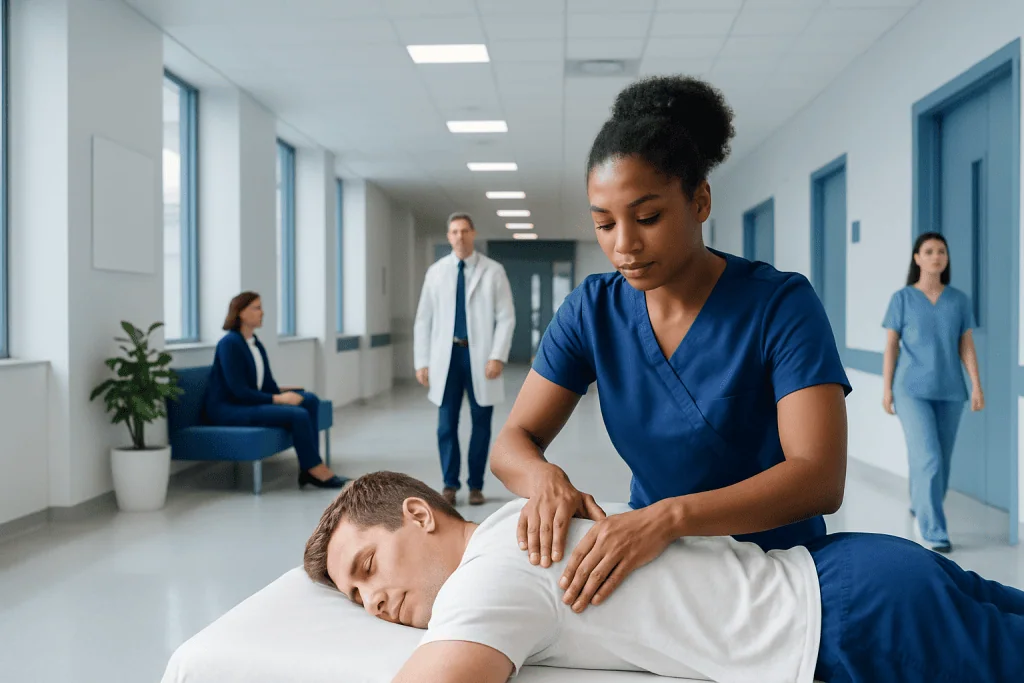
A massage therapist helps manage soft-tissue discomfort and stress, but does not replace a medical evaluation for unexplained or severe symptoms. Massage may support short-term relief of muscle tension, back pain, neck discomfort, and stress in selected patients.
Key Takeaways
- A massage therapist helps manage soft-tissue discomfort and stress, but does not replace a medical evaluation for unexplained or severe symptoms.
- Massage may support short-term relief of muscle tension, back pain, neck discomfort, and stress in selected patients.
- Not every type of pain should be massaged; some symptoms need prompt medical assessment first.
- Choosing a properly trained, licensed, or certified massage therapist improves safety and communication.
- People with fractures, infections, blood clots, active skin disease, or certain medical conditions may need to avoid or modify massage.
A massage therapist is a trained professional who uses hands-on techniques to work on muscles and other soft tissues. Massage therapy may help reduce muscle tension, support relaxation, and improve comfort in some people, but its benefits and safety depend on the person’s symptoms, health history, and the cause of pain.
What a Massage Therapist Does
A massage therapist is a healthcare-adjacent professional trained to use manual techniques on muscles and other soft tissues. In practical terms, this means working with pressure, movement, and positioning to help reduce muscle tightness, improve comfort, and promote relaxation. The role is supportive rather than diagnostic: massage can be part of a wellness routine or a broader care plan, but it does not replace a doctor’s assessment when symptoms are new, severe, or unexplained.
Medical evidence suggests that massage therapy may help some people with short-term relief of musculoskeletal pain, stress, and tension. Benefits are most consistent for common problems such as nonspecific low back pain, neck tension, and stress-related muscle tightness. Results vary from person to person, and outcomes depend on factors such as the underlying cause of symptoms, the technique used, session frequency, and whether massage is combined with exercise, physical therapy, or other treatment.
This evidence-based view is important because massage is often surrounded by myths. Massage does not “flush toxins” from the body, cure chronic disease on its own, or correct every cause of pain. Instead, it may help by relaxing tense tissue, reducing stress responses, increasing a sense of well-being, and in some cases improving short-term function. A careful, individualized approach is safer and more realistic than broad claims.
Who May Benefit From Massage Therapy
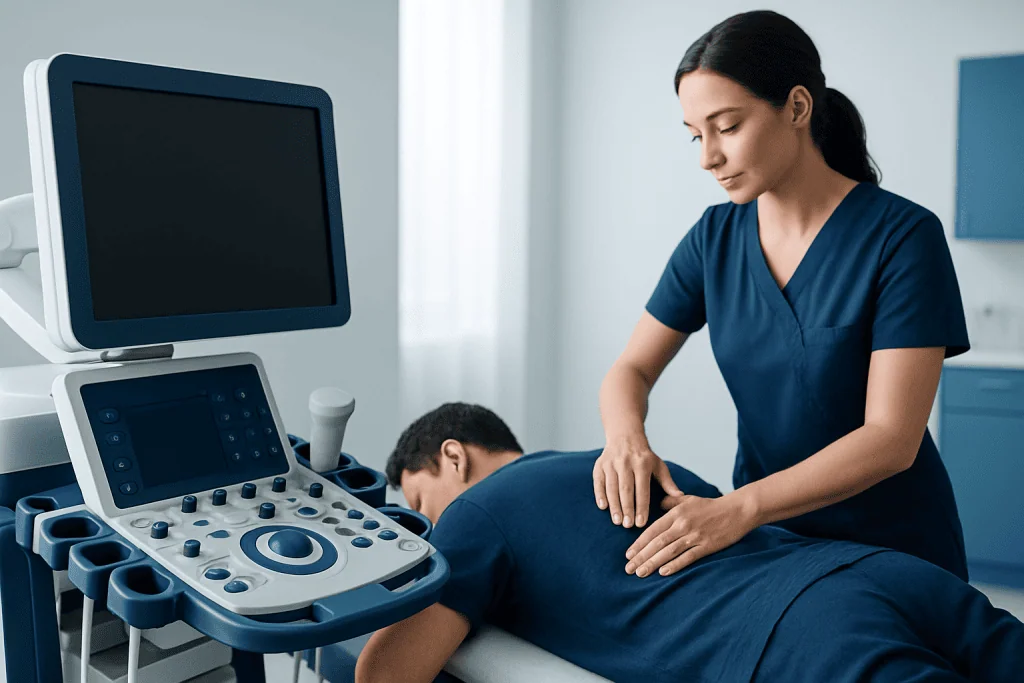
Massage therapy may be helpful for adults with muscle tension, overuse soreness, work-related stiffness, and stress-related discomfort. Some people with chronic but stable musculoskeletal problems also find it useful as part of a larger treatment plan. For example, massage may complement exercise-based care for neck or back symptoms, especially when pain is linked to posture, repetitive strain, or muscle guarding rather than a serious structural problem.
People often seek a massage therapist for symptoms such as tight shoulders, tension headaches related to muscle strain, aching calves after exercise, or stiffness after long periods of sitting. Massage may also support relaxation and sleep in people whose stress shows up physically as jaw clenching, upper back tightness, or generalized body tension. In these settings, realistic goals include easing discomfort, improving body awareness, and helping a person return to normal daily activity.
However, the same symptom can have different causes. Back pain, for example, may come from muscle strain, but it can also be related to nerve compression, inflammatory disease, kidney problems, or other conditions. If symptoms suggest a nerve problem, a spinal disorder, or another medical cause, a clinician may recommend assessment for issues such as a herniated disc or referral for structured physical therapy and rehabilitation rather than massage alone.
What the Evidence Says — and What It Does Not
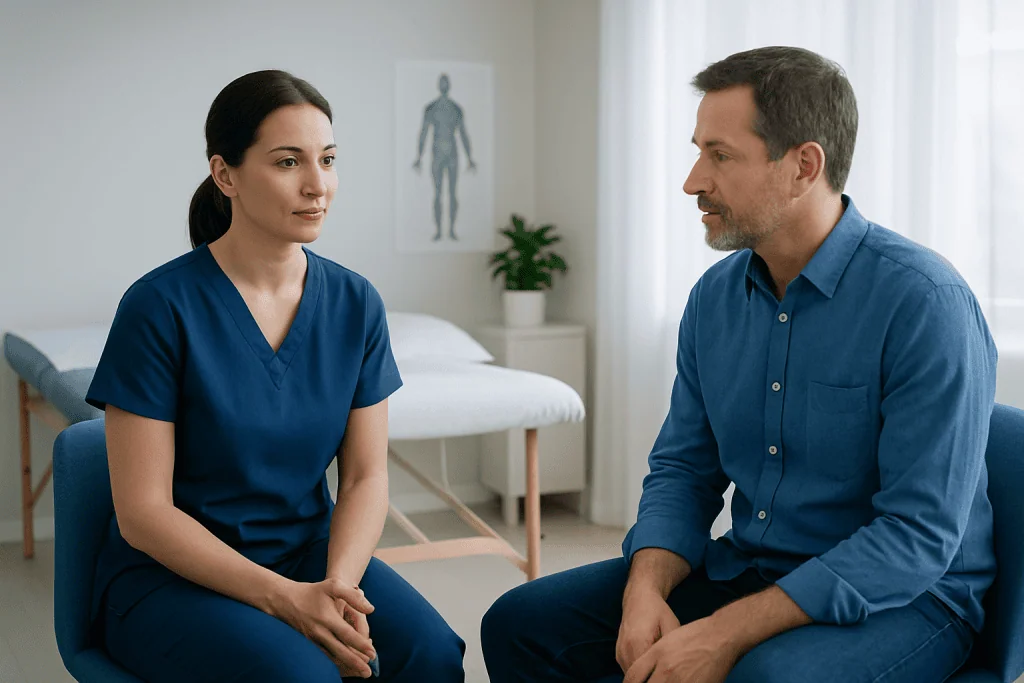
Clinical research supports massage as a possible short-term supportive therapy for selected conditions, especially musculoskeletal pain and stress-related symptoms. It may modestly reduce pain intensity, improve relaxation, and increase short-term function in some patients. These benefits are usually greatest when massage is part of a broader plan that may include movement, stretching, strengthening, ergonomic changes, or medical treatment when needed.
At the same time, massage is not a universal solution. It does not treat fractures, infections, severe nerve compression, autoimmune flares, or cancer-related symptoms unless specifically recommended and adapted by qualified clinicians. It also cannot reliably identify why a person has pain. A massage therapist may recognize that a symptom needs medical review, but diagnosis belongs to a physician or another licensed clinician acting within their scope.
Evidence is also stronger for some goals than others. Relaxation, stress relief, and temporary reduction of muscle tension are common and plausible outcomes. Claims that massage boosts immunity in a clinically meaningful way, permanently corrects posture by itself, or removes disease-causing substances from tissues are not well supported. Patients benefit most when massage is framed honestly: a useful supportive therapy for certain problems, rather than a cure-all.
Common Techniques and How Sessions Are Tailored
Massage therapy is not one single method. A massage therapist may use lighter relaxation techniques, deeper pressure to address muscle tension, stretching, trigger-point work, or approaches focused on sports recovery. The best technique depends on the person’s symptoms, sensitivity, health conditions, and treatment goals. More pressure is not always better; in some cases, gentler work is more appropriate and better tolerated.
A safe session usually starts with questions about symptoms, medical history, recent injuries, medications, and areas that should not be touched. Good therapists adapt positioning and pressure, especially for older adults, pregnant patients, people with chronic pain, and those recovering from illness or surgery. Clear communication matters throughout the session, because pain that feels sharp, electric, or worsening is a sign to stop and reassess.
For some individuals, related treatments may be more suitable than massage alone. Persistent joint stiffness, movement limitation, or pain after injury may need clinician-guided rehabilitation. In selected cases, doctors may also assess whether orthopedic care or pain management is appropriate, particularly when symptoms are ongoing, recurrent, or affecting sleep and daily function.
Safety, Risks, and When Massage Should Be Avoided
Massage is often well tolerated, but it is not risk-free. Temporary soreness, light bruising, fatigue, or tenderness can occur after a session, especially if deep pressure is used. These effects are usually mild and short-lived. More significant risks are uncommon but become more important when a person has certain medical conditions, takes blood thinners, has fragile skin, or has had recent surgery or injury.
Massage may need to be postponed, modified, or avoided in situations such as fever, active infection, open wounds, burns, severe osteoporosis, a recent fracture, uncontrolled heart failure, suspected deep vein thrombosis, or a painful swollen limb. It should also be used cautiously over areas affected by cancer treatment, significant varicose veins, inflamed skin, or severe neuropathy. People with unexplained pain, marked weakness, numbness, or sudden changes in bladder or bowel control need medical assessment rather than massage.
Patients should also tell the therapist about pregnancy, implanted devices, clotting disorders, recent injections, and any history of spinal problems. If there is concern about spine-related pain or nerve symptoms, evaluation may be needed for conditions such as sciatica or other causes of radiating pain before hands-on treatment is considered safe or useful.
How to Choose a Qualified Massage Therapist
Choosing a massage therapist should involve more than personal preference. Patients should look for a practitioner who is licensed, registered, or certified according to local regulations, and who is willing to explain their training, techniques, and boundaries of practice. A qualified therapist should take a health history, ask about goals, explain what the session involves, and encourage the patient to speak up if pressure is too strong or symptoms change.
It is also reasonable to ask whether the therapist has experience with a specific issue such as sports recovery, chronic neck tension, postural strain, or oncology-related supportive care. A responsible therapist will avoid making grand claims, diagnosing diseases without proper qualifications, or advising a patient to abandon medical treatment. They should be ready to refer the person to a doctor when symptoms fall outside the expected range for routine muscle tension.
For people with persistent pain, recent injury, or complex medical problems, massage is often best used within coordinated care. Depending on symptoms, this may involve evaluation by rehabilitation, orthopedics, neurology, or related specialties. Near the end of a care pathway, centers such as Acibadem International may coordinate diagnosis and treatment for international patients through multidisciplinary specialists at JCI-accredited hospitals when massage is being considered alongside medical treatment.
Self-Care Between Sessions
Massage tends to work best when it supports, rather than replaces, healthy daily habits. Gentle movement, stretching appropriate to the person’s condition, regular walking, hydration, sleep, and simple ergonomic changes often help maintain benefits between sessions. People with desk-based work may improve symptoms by changing posture regularly, adjusting monitor height, and taking short movement breaks during the day.
After a massage session, mild tenderness may settle with rest, gentle activity, and avoiding unusually intense exercise for a short time if the body feels sensitive. If pain increases significantly, lasts longer than expected, or is paired with swelling, weakness, tingling, or fever, the person should contact a healthcare professional. A home care plan should always match the cause of symptoms, not just the location of pain.
When symptoms keep returning, it can help to look beyond the tight muscle itself. Repetitive strain, poor sleep, stress, deconditioning, footwear issues, and underlying joint or nerve conditions may all contribute. In these situations, sustainable relief usually comes from addressing the broader cause alongside symptom-focused care such as massage.
When to Seek Medical Care
A person should seek medical care before seeing a massage therapist if pain starts suddenly without a clear reason, follows a significant injury, or is severe enough to limit walking, sleeping, or usual activity. Medical review is also important when pain is associated with fever, unexplained weight loss, chest pain, shortness of breath, fainting, a new lump, or a painful swollen leg. These symptoms may point to problems that should not be treated with massage first.
Urgent assessment is needed for neurological warning signs such as new weakness, numbness spreading down an arm or leg, loss of coordination, severe headache with unusual symptoms, or changes in bladder or bowel control. Massage should not delay care in these settings. If pain is persistent, recurrent, or not improving with routine measures, a clinician can help identify the cause and recommend the most appropriate treatment, which may or may not include massage.
When a diagnosis is already known, the treating clinician can advise whether massage is suitable and how it should be adapted. Some patients may benefit most from a combined plan that includes exercise therapy, imaging, medication review, or specialist care rather than stand-alone manual therapy.
Frequently asked questions
Is a massage therapist a medical doctor?
No. A massage therapist is trained in manual soft-tissue techniques, but is not a medical doctor unless they also hold a medical degree and license. They can support comfort and relaxation, but diagnosis and medical treatment decisions should come from a qualified clinician.
Can massage therapy really help pain?
It can help some types of pain, especially muscle tension, nonspecific neck or back discomfort, and stress-related tightness. Benefits are usually modest and often short term, so massage works best as part of a broader plan when symptoms are persistent.
When should someone avoid massage?
Massage should be avoided or delayed when there is fever, infection, open skin injury, recent fracture, suspected blood clot, or severe unexplained pain. It also needs caution in people with bleeding risks, fragile skin, severe osteoporosis, or active medical problems unless a clinician advises it is safe.
How can someone tell if a massage therapist is qualified?
A qualified therapist should meet local licensing or certification rules, take a health history, explain the session clearly, and respect comfort and safety limits. They should not promise cures, discourage necessary medical care, or ignore symptoms that need a doctor’s review.
Does deep tissue massage work better than gentle massage?
Not necessarily. The most effective pressure depends on the person’s condition, pain sensitivity, and treatment goal. Deep pressure can be helpful for some muscle tension, but gentler techniques may be safer and more comfortable for many people.
Should someone get massage for numbness or shooting pain?
Not without medical assessment first. Numbness, tingling, burning, or shooting pain can suggest nerve involvement, and the cause should be evaluated before massage is used. In some cases, massage may not help and could delay proper treatment.
References
- World Health Organization
- National Center for Complementary and Integrative Health
- American College of Physicians
- Mayo Clinic
- National Health Service
This article is for general information only and is not a substitute for professional medical advice. Please consult a qualified doctor about your individual situation.
Explore treatments in Turkey — costs, top hospitals & a free quote
JCI-accredited · board-certified surgeons · reply within 24h
Add us as a Preferred Source to see more of our trusted health content across Google Search, AI Overviews and Discover.