Meningitis From Herpes Virus: Symptoms, Causes, and Treatment Options

Herpes viruses can cause inflammation of the membranes surrounding the brain and spinal cord. Headache, fever, neck stiffness and sensitivity to light are common symptoms, but presentations vary.
Key Takeaways
- Herpes viruses can cause inflammation of the membranes surrounding the brain and spinal cord.
- Headache, fever, neck stiffness and sensitivity to light are common symptoms, but presentations vary.
- Testing spinal fluid with a lumbar puncture helps clinicians identify the cause of meningitis.
- Antiviral treatment may be recommended, especially for severe illness, weakened immunity or suspected brain involvement.
- Urgent medical care is important for meningitis symptoms, confusion, seizures or changes in consciousness.
Meningitis from herpes virus is usually caused by herpes simplex virus type 2 (HSV-2), although HSV-1 and varicella-zoster virus can also be involved. It needs timely medical assessment because symptoms can overlap with more serious forms of meningitis and, in some cases, herpes-related brain inflammation.
Overview: What Is Meningitis From Herpes Virus?
Meningitis from herpes virus is inflammation of the meninges, the protective layers surrounding the brain and spinal cord, caused by a member of the herpes virus family. In many cases, it is caused by herpes simplex virus type 2 (HSV-2), the virus most often associated with genital herpes. Herpes simplex virus type 1 (HSV-1), commonly linked with cold sores, and varicella-zoster virus, which causes chickenpox and shingles, can also cause meningitis.
Herpes-related meningitis is a type of viral meningitis. Viral meningitis is often less severe than bacterial meningitis, but it should never be self-diagnosed because the early symptoms can be similar. A clinician may need to rule out bacterial meningitis, encephalitis (inflammation of brain tissue), and other urgent neurological conditions.
Some people develop herpes meningitis during a first herpes infection, while others develop it when a previously inactive virus reactivates. Many people recover well with appropriate care. However, prompt assessment remains important, particularly when symptoms are severe, unusual, or accompanied by changes in thinking or behavior.
Symptoms and How They May Feel
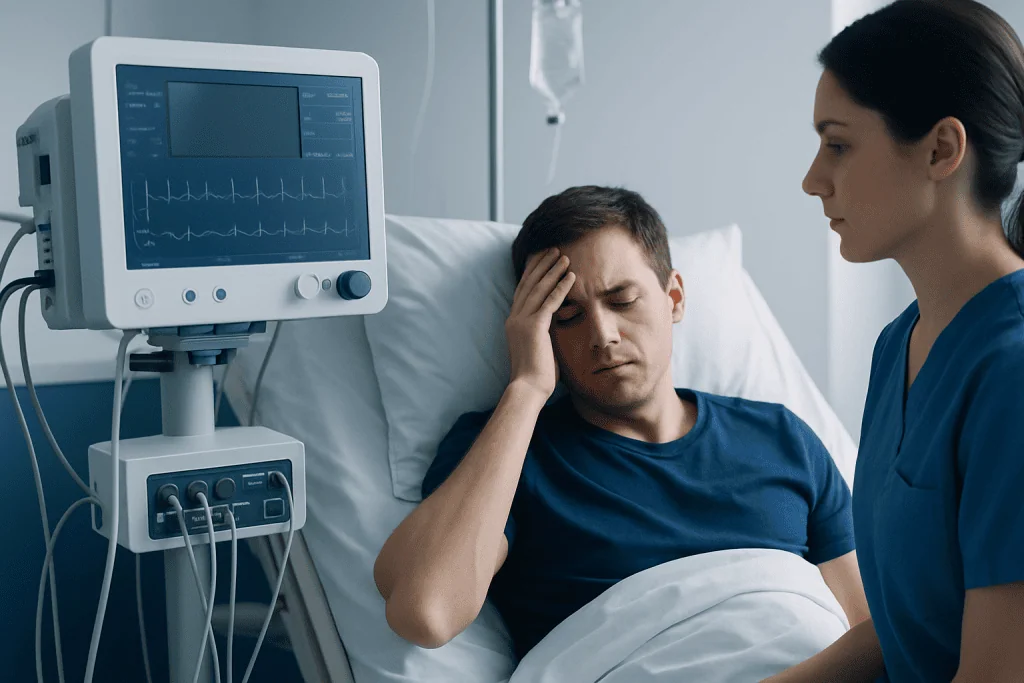
Symptoms of herpes meningitis can begin suddenly or develop over a short period. The most typical symptoms are headache, fever, neck stiffness, nausea or vomiting, and sensitivity to light. Headache may be intense and different from a person’s usual headaches, while neck stiffness can make it painful or difficult to bend the neck forward.
Other possible symptoms include tiredness, muscle aches, reduced appetite, chills, and a general feeling of being unwell. Some people may also have genital sores, cold sores, or a recent shingles rash, but skin symptoms are not present in everyone. The absence of sores does not exclude herpes virus as a possible cause.
Symptoms involving the brain require emergency attention. Confusion, unusual drowsiness, personality changes, difficulty speaking, weakness, seizures, loss of consciousness, or new problems with balance or vision may suggest encephalitis or another serious neurological condition. These symptoms should be assessed urgently.
- Severe or worsening headache
- Fever with a stiff neck or light sensitivity
- Nausea and vomiting with neurological symptoms
- Confusion, seizures, marked sleepiness, or altered awareness
Causes and Risk Factors

Herpes viruses remain in the body after an initial infection and can become inactive in nerve tissue. Later, the virus may reactivate. In some circumstances, it can reach the meninges and trigger inflammation. HSV-2 is a recognized cause of recurrent benign lymphocytic meningitis, sometimes called Mollaret meningitis, in which episodes of meningitis-like symptoms recur with symptom-free periods in between.
Herpes meningitis may occur in people with or without known herpes infections. A recent genital herpes outbreak can be relevant, but not all patients have visible lesions or recall previous symptoms. HSV-1 may occasionally be involved, and varicella-zoster virus can cause meningitis with or without the typical shingles rash.
A weakened immune system may increase the likelihood of severe or unusual viral infections. This can include people receiving medicines that suppress immunity, those with certain cancers, people living with advanced HIV infection, or people who have had an organ transplant. Pregnancy, newborn age, and older age may also influence how clinicians assess risk and decide on monitoring or treatment.
Herpes viruses can spread through close skin-to-skin or sexual contact, depending on the virus. However, meningitis itself is not generally considered something a person “catches” from casual contact. Standard hygiene measures, including handwashing and avoiding direct contact with active sores, can reduce transmission of herpes viruses.
How Doctors Diagnose Herpes Meningitis
Diagnosis begins with a medical history and physical examination. The clinician will ask about the timing of symptoms, recent infections, cold sores or genital lesions, medications, immune health, travel, and exposure to illness. They will also check for signs of neck stiffness, rash, altered mental status, and focal neurological changes such as weakness or speech difficulty.
A lumbar puncture, also called a spinal tap, is often the key test for suspected meningitis. A small sample of cerebrospinal fluid is collected from the lower back and examined for signs of inflammation. Polymerase chain reaction (PCR) testing can detect herpes viral genetic material in the fluid and help identify HSV-1, HSV-2, or varicella-zoster virus.
Blood tests may support the evaluation and help identify other causes of infection or inflammation. CT or MRI imaging of the brain may be needed before or after a lumbar puncture in selected cases, especially if there are seizures, reduced consciousness, focal neurological signs, or concern about encephalitis. Diagnosis is important because symptoms alone cannot reliably distinguish viral meningitis from bacterial meningitis.
Treatment Options and Recovery
Treatment depends on the suspected virus, the severity of symptoms, a person’s immune status, and whether there is concern for encephalitis. Because bacterial meningitis can progress quickly, clinicians may begin treatment for possible bacterial infection while test results are pending. This is a precautionary approach and does not mean bacterial meningitis has been confirmed.
When herpes virus is suspected or confirmed, antiviral medication may be used. People who are severely unwell, immunocompromised, pregnant, or suspected to have encephalitis may require intravenous antiviral treatment and hospital monitoring. Less severe cases may sometimes be managed with oral antiviral medicine, based on the clinician’s assessment and local guidance.
Supportive care can include fluids, rest, treatment for fever or pain when medically appropriate, and medication for nausea. A healthcare professional should guide medicine choices, particularly for people with kidney disease, pregnancy, other health conditions, or regular medications. It is important to complete prescribed treatment and attend follow-up appointments.
Recovery may take days to weeks. Fatigue, headache, and reduced concentration can persist for a time even after the infection improves. Most people with uncomplicated viral meningitis recover without long-term problems, but persistent symptoms, recurrent episodes, or any cognitive or neurological changes should be discussed with a doctor.
Prevention and Everyday Self-Care
There is no guaranteed way to prevent all herpes infections or all cases of herpes-related meningitis. Reducing exposure to herpes viruses can lower risk. This includes avoiding oral, genital, or skin-to-skin contact with active herpes sores, using barrier protection during sexual activity, and discussing herpes status and symptoms openly with sexual partners.
People with recurrent genital herpes may be offered antiviral strategies to reduce outbreaks or lower the chance of transmission to partners. These approaches should be individualized with a clinician. For varicella-zoster virus, vaccination may help prevent chickenpox or shingles in eligible groups and may reduce related complications.
After meningitis, gradual return to normal activity is often helpful. Adequate sleep, regular fluids, balanced meals, and pacing physical and mental tasks can support recovery. Alcohol and recreational drugs should be avoided while symptoms persist or while taking prescribed medicines, unless a treating clinician advises otherwise.
People who have had recurrent meningitis symptoms should keep a record of episodes, including headache pattern, fever, skin lesions, medicines, and test results when available. This information can help a neurologist or infectious disease specialist evaluate whether recurrent viral meningitis or another condition may be involved.
When to Seek Medical Care
Anyone with a severe headache together with fever, neck stiffness, vomiting, or sensitivity to light should seek urgent medical evaluation. These symptoms can occur with viral meningitis, bacterial meningitis, and other conditions that require prompt diagnosis. It is safer to be assessed quickly rather than wait to see whether symptoms improve.
Emergency care is especially important if there is confusion, difficulty staying awake, a seizure, fainting, new weakness, trouble speaking, a spreading rash, or loss of consciousness. Infants, pregnant people, older adults, and people with weakened immune systems should contact a healthcare professional promptly if meningitis symptoms are possible.
People who have a known herpes infection and develop symptoms suggestive of meningitis should not rely on home treatment alone. Acibadem International’s multidisciplinary specialists and JCI-accredited hospitals can assess neurological and infectious conditions for international patients when specialist evaluation is needed.
Looking Ahead
The outlook for herpes meningitis is generally favorable when it is recognized and managed appropriately. The specific outlook depends on the virus involved, the severity of inflammation, the person’s overall health, and whether the infection affects brain tissue as well as the meninges.
Follow-up is particularly useful when headaches, fatigue, concentration difficulties, or neurological symptoms continue after the acute illness. It is also important for people with repeated episodes, as a clinician may consider additional testing, preventive antiviral strategies, or referral to neurology or infectious diseases.
Clear communication with the care team can make recovery easier. Patients may wish to ask what virus was found, whether follow-up testing is needed, which symptoms should prompt urgent review, and how to safely return to work, school, exercise, and travel.
Frequently asked questions
Can herpes virus cause meningitis?
Yes. Herpes simplex virus type 2 is a recognized cause of viral meningitis, and HSV-1 or varicella-zoster virus can also be responsible. Testing of cerebrospinal fluid is usually needed to confirm the cause.
Is herpes meningitis the same as herpes encephalitis?
No. Meningitis affects the membranes around the brain and spinal cord, while encephalitis affects brain tissue itself. Encephalitis can cause confusion, seizures, altered behavior, or impaired consciousness and requires urgent care.
Can someone have herpes meningitis without genital sores?
Yes. Some people have no visible cold sores, genital sores, or shingles rash when meningitis develops. A previous herpes infection may have been mild or unnoticed, so clinicians use laboratory testing rather than symptoms alone.
Is meningitis from herpes virus contagious?
The meningitis itself is not usually spread through casual contact. However, the herpes virus that causes it can be transmitted through close contact, including oral or sexual contact, depending on the type of herpes virus.
How long does herpes meningitis last?
The acute illness may improve over days to weeks, although tiredness and headaches can last longer for some people. Recovery varies, and follow-up is important if symptoms persist, worsen, or return.
Can herpes meningitis come back?
It can recur in some people, particularly when HSV-2 is involved. Repeated episodes should be assessed by a doctor, who may consider further evaluation and discuss whether antiviral prevention is appropriate.
References
- Centers for Disease Control and Prevention
- National Institute of Neurological Disorders and Stroke
- Mayo Clinic
- Merck Manual Professional Edition
- World Health Organization
This article is for general information only and is not a substitute for professional medical advice. Please consult a qualified doctor about your individual situation.
Meningitis in Turkey — costs, top hospitals & a free quote
JCI-accredited · board-certified surgeons · reply within 24h
Add us as a Preferred Source to see more of our trusted health content across Google Search, AI Overviews and Discover.

More from the Health Library



Related Specialists

Dr. İbrahim Keskin
Emergency Service
Prof. Dr. Kutsal Turhan
Thoracic Surgery
Dr. Aykut Türken
Orthopedic Surgery & Traumatology
Prof. Dr. Metin Türkmen
Orthopedic Surgery & Traumatology