Mesothelioma Multimodal Therapy: How It Works, Results and What to Expect
Multimodal therapy is a personalized treatment plan rather than one fixed treatment sequence. Surgery may be considered for selected people with resectable pleural mesothelioma and sufficient fitness for a major operation.
Key Takeaways
- Multimodal therapy is a personalized treatment plan rather than one fixed treatment sequence.
- Surgery may be considered for selected people with resectable pleural mesothelioma and sufficient fitness for a major operation.
- Chemotherapy and immunotherapy can treat cancer cells beyond the area reached by surgery.
- Mesothelioma is difficult to cure, but treatment may control disease, ease symptoms and extend survival for some people.
- Care from an experienced multidisciplinary team helps balance potential benefits, risks and recovery needs.
Mesothelioma multimodal therapy uses a planned combination of treatments—such as surgery, chemotherapy, immunotherapy and radiation therapy—to address the cancer in different ways. The right approach depends on the type, stage, location, overall health and goals of care for each individual.
Overview: What Is Mesothelioma Multimodal Therapy?
Mesothelioma multimodal therapy is an approach that combines two or more cancer treatments in a coordinated plan. It is most often discussed for malignant pleural mesothelioma, which develops in the lining around the lungs, but treatment planning can also apply to mesothelioma affecting the abdomen or other sites. The aim may be to remove as much visible disease as safely possible, treat cancer cells that cannot be seen on scans, slow growth, relieve symptoms and preserve daily function.
Possible components include surgery, chemotherapy, immunotherapy, radiation therapy and supportive care. These treatments may be given before surgery, after surgery, at the same time as another treatment, or as the main treatment when surgery is not appropriate. A multidisciplinary team reviews imaging, biopsy findings, pathology, lung and heart function, and the person’s priorities before recommending a sequence.
Mesothelioma is uncommon and biologically complex, so there is no single plan that suits everyone. A specialist team can explain the expected benefit of each option, the uncertainty involved and alternatives such as symptom-focused care or participation in a clinical trial.
How Does Multimodal Therapy Work?
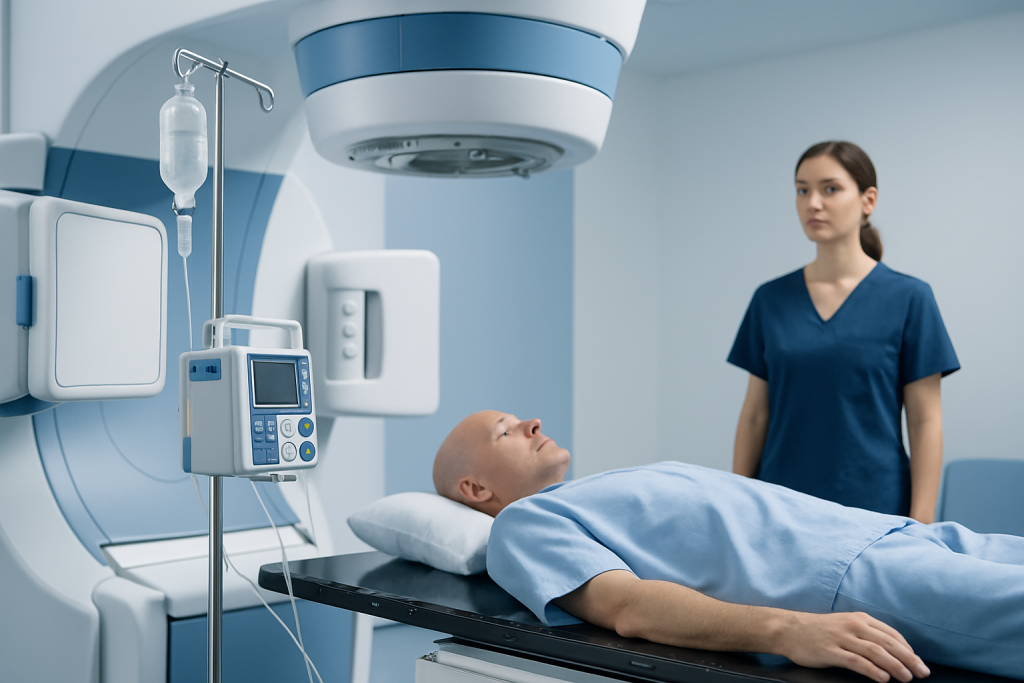
Multimodal therapy works by using treatments with different roles. Surgery is a local treatment: it aims to remove visible tumor where this can be done safely. Systemic treatments, including chemotherapy and immunotherapy, circulate through the body and can target cancer cells outside the surgical field. Radiation therapy is also local or regional and may be used in selected situations to help control a specific area of disease or manage symptoms.
For some carefully selected people with pleural mesothelioma, systemic treatment may be given first to assess how the cancer behaves and to treat microscopic disease early. Surgery may follow if scans and overall health support it. In other cases, surgery is performed first and systemic treatment is considered afterward. The best order remains an individualized decision, since studies and clinical practice vary by cancer stage, cell type and treatment center expertise.
Supportive and palliative care are important parts of multimodal care from the beginning. This includes management of breathlessness, chest pain, fluid around the lung, fatigue, nutrition, sleep, anxiety and practical needs. Palliative care is not limited to end-of-life care; it can be provided alongside cancer-directed treatment.
Candidacy and Treatment Planning
Not every person with mesothelioma benefits from intensive combined treatment. Candidacy for surgery-based multimodal therapy depends on whether the tumor appears removable, whether it is confined enough for a local approach, the mesothelioma cell type, and the person’s lung, heart, kidney and general health. Age alone does not determine eligibility, but recovery from major thoracic surgery requires substantial physical reserve.
Evaluation commonly includes a review of biopsy tissue by an experienced pathologist, chest and abdominal imaging, and sometimes PET imaging or other staging tests. Lung-function testing, heart assessment and blood tests help estimate treatment safety. Doctors also consider symptoms, previous treatments, asbestos exposure history where relevant, and personal goals such as maintaining independence or minimizing time in hospital.
Some people are better served by chemotherapy or immunotherapy without surgery. Others may benefit most from procedures that drain recurrent fluid, improve breathing or control pain. Asking whether a recommendation is intended to cure, control disease, reduce symptoms or improve comfort can help patients understand the purpose of the plan.
- Potentially resectable disease and adequate organ function may support surgical assessment.
- More extensive disease may be treated primarily with systemic therapy and symptom-directed procedures.
- Clinical trials may be appropriate at different stages of care, depending on availability and eligibility.
Step by Step: What Happens During Multimodal Treatment?
The process generally begins with diagnosis and staging, followed by a multidisciplinary discussion. The team should outline the proposed sequence, possible alternatives, likely recovery demands and how response will be monitored. Before treatment, patients may meet a thoracic surgeon, medical oncologist, radiation oncologist, respiratory physician, anesthesiologist, specialist nurse, dietitian, physiotherapist and palliative-care clinician.
If chemotherapy is part of the plan, it is usually delivered in cycles over several months, with regular blood tests and appointments. Immunotherapy is given by infusion on a schedule chosen by the oncology team. Imaging at planned intervals helps assess whether the cancer is responding, stable or progressing. Side effects are reviewed at each visit so treatment can be delayed, adjusted or stopped when needed.
When surgery is appropriate, the operation may involve removing the pleural lining and visible tumor while preserving the lung, or, much less commonly and only in highly selected cases, a more extensive operation that removes the affected lung along with surrounding involved tissue. The exact procedure is determined by anatomy, disease extent and surgical risk. Radiation therapy, when recommended, is planned precisely to limit exposure to nearby healthy organs.
Treatment plans are reassessed throughout care. A change in scan results, side effects or patient preferences may lead the team to modify the original sequence. This flexibility is a key feature of responsible multimodal management.
Benefits, Risks and Recovery Timeline
The potential benefit of mesothelioma multimodal therapy is that it addresses cancer through more than one pathway. In selected patients, combined treatment may improve local disease control and may extend survival compared with less intensive approaches. However, outcomes vary greatly, and no combination can guarantee tumor removal, long-term remission or cure.
Risks depend on the treatments used. Chemotherapy can cause fatigue, nausea, appetite changes, lowered blood counts, infection risk, numbness or tingling, and kidney or hearing effects with certain medicines. Immunotherapy can trigger inflammation in healthy organs, including the lungs, bowel, liver, skin or hormone-producing glands. New or worsening breathlessness, diarrhea, severe rash, chest pain, fever or marked weakness should be reported promptly.
Major chest surgery carries risks such as bleeding, infection, blood clots, irregular heart rhythm, air leaks, pneumonia, persistent pain and reduced breathing capacity. Hospital recovery may take days to weeks, while energy, appetite and physical conditioning can take several months to improve. Physiotherapy, breathing exercises, pain control, nutrition support and gradual activity are central to recovery.
Follow-up usually includes clinical visits and imaging to assess response and detect recurrence or progression. The care team can also provide rehabilitation and supportive services. Acibadem International’s multidisciplinary specialists and JCI-accredited hospitals diagnose and treat mesothelioma for international patients, with care plans based on individual clinical assessment.
How Close Are We to Curing Mesothelioma?
Mesothelioma remains a challenging cancer to cure. A small number of people with early-stage, localized disease who are able to have complete macroscopic tumor removal as part of a carefully selected multimodal plan may experience long periods without visible disease. Even in these circumstances, microscopic cancer cells may remain, and recurrence is common.
For most people, treatment is aimed at controlling cancer, prolonging survival when possible and maintaining quality of life. Advances in pathology, surgical methods, systemic treatment and supportive care have expanded options, but they have not made mesothelioma routinely curable. Honest discussions about the likely goals of treatment are an essential part of decision-making.
Research continues into new immunotherapy combinations, targeted therapies, biomarkers that may predict response, tumor-treating fields and other approaches. Clinical trials are important because they may provide access to carefully monitored emerging treatments while helping improve future care.
What Is the Breakthrough Treatment for Mesothelioma?
There is no single breakthrough treatment that works best for every person with mesothelioma. One major advance has been the use of immune checkpoint inhibitors, a form of immunotherapy that helps the immune system recognize and attack cancer cells. For some people with unresectable pleural mesothelioma, immunotherapy combinations have become an important first-line treatment option.
Immunotherapy does not benefit everyone, and responses can range from substantial tumor shrinkage to little or no effect. It can also cause immune-related side effects that need early recognition and treatment. The choice between immunotherapy, chemotherapy, a combined approach, surgery-based treatment or a clinical trial depends on the specific disease and the person’s health.
Another meaningful advance is more individualized care: expert pathology review, detailed staging and ongoing reassessment help match treatment intensity to likely benefit. Patients may wish to ask whether molecular testing, biomarker assessment or a trial is relevant to their particular diagnosis.
What Is the Average Life Expectancy for a Mesothelioma Patient Treated With Immunotherapy?
There is no reliable single life-expectancy number for a person treated with immunotherapy. Survival depends on whether the mesothelioma is pleural or peritoneal, its stage and cell type, overall health, response to treatment, prior therapies and access to other treatments. Published clinical trials report group averages or median survival, which cannot predict what will happen for one individual.
In studies of first-line immunotherapy combinations for unresectable pleural mesothelioma, median overall survival has generally been measured in months to more than a year, with some patients living substantially longer and others having cancer that progresses sooner. These trial results reflect selected patient groups and may not apply directly to every patient in routine care.
The oncology team can give the most meaningful outlook after reviewing pathology, scans, treatment response and health status over time. It is reasonable to ask about the goal of therapy, signs that treatment is helping, alternative options if it is not, and what support is available throughout care.
When to Seek Medical Care
Anyone with persistent or worsening shortness of breath, chest pain, a long-lasting cough, unexplained weight loss, fatigue, abdominal swelling or abdominal pain should arrange medical assessment, particularly if they have a history of asbestos exposure. These symptoms have many possible causes and do not necessarily mean mesothelioma, but timely evaluation can identify the cause and guide appropriate care.
People already receiving treatment should contact their cancer team promptly for fever, sudden or worsening breathlessness, chest pain, coughing up blood, severe diarrhea, persistent vomiting, confusion, new jaundice, dehydration or symptoms of infection. Urgent emergency evaluation is appropriate for severe breathing difficulty, severe chest pain, fainting or signs of a serious allergic reaction.
Before making a treatment decision, patients can consider seeking review by a team experienced in mesothelioma. A second opinion may clarify staging, surgical suitability, pathology findings, clinical-trial options and the balance between possible benefit and treatment burden.
Frequently asked questions
Can mesothelioma multimodal therapy be used for all types of mesothelioma?
It may be considered for pleural, peritoneal and other forms of mesothelioma, but the treatments and sequence differ by location. Surgery is more feasible for some presentations than others, and systemic therapy may play a larger role when disease is widespread. A specialist team should tailor the plan to the individual diagnosis.
Is surgery always part of multimodal therapy for mesothelioma?
No. Surgery is only appropriate for selected people whose disease may be removed safely and who are fit enough for a major procedure. Many patients receive multimodal care using chemotherapy, immunotherapy, radiation in selected settings and supportive interventions without tumor-removal surgery.
Can chemotherapy and immunotherapy be given together for mesothelioma?
In some circumstances, oncology teams may consider combinations or sequences involving chemotherapy and immunotherapy. The evidence, approvals and suitability of these approaches vary by country, disease setting and patient factors. The treating oncologist can explain which options are appropriate and available.
How long does multimodal treatment for mesothelioma take?
The timeline varies widely. Systemic treatment often involves multiple cycles over several months, while surgery and recovery can add weeks to months. Follow-up and supportive care continue after the initial treatment phase.
What questions should patients ask before starting treatment?
Helpful questions include the goal of treatment, expected benefits, main risks, alternatives, recovery needs and how response will be assessed. Patients can also ask whether a clinical trial, second opinion or specialist pathology review is appropriate. It is useful to discuss which symptoms should prompt an urgent call to the care team.
Can lifestyle changes cure or stop mesothelioma?
Lifestyle changes cannot cure mesothelioma or replace medical treatment. However, stopping smoking, maintaining nutrition, staying active within safe limits, attending rehabilitation and seeking emotional support may help people tolerate treatment and protect overall wellbeing. The care team can provide individualized guidance.
References
- National Cancer Institute
- American Cancer Society
- National Comprehensive Cancer Network
- European Society for Medical Oncology
- National Institute for Health and Care Excellence
This article is for general information only and is not a substitute for professional medical advice. Please consult a qualified doctor about your individual situation.
Oncology care in Turkey — second opinion and treatment plan
JCI-accredited · board-certified surgeons · reply within 24h
Add us as a Preferred Source to see more of our trusted health content across Google Search, AI Overviews and Discover.