Microshading: What Patients Need to Know

Microshading is a form of cosmetic tattooing that creates shaded, makeup-like eyebrows rather than individual hair strokes. Results are not permanent and commonly fade over time as pigment is gradually broken down and shed with skin renewal.
Key Takeaways
- Microshading is a form of cosmetic tattooing that creates shaded, makeup-like eyebrows rather than individual hair strokes.
- Results are not permanent and commonly fade over time as pigment is gradually broken down and shed with skin renewal.
- Infection, allergic reactions, unwanted color changes, scarring, and dissatisfaction with shape or color are possible risks.
- A qualified professional should assess skin conditions, medicines, allergies, pregnancy status, and any history of abnormal scarring before treatment.
- People should seek medical care for worsening pain, spreading redness, pus, fever, marked swelling, or eye-area symptoms after the procedure.
Microshading is a semi-permanent cosmetic procedure that uses tiny pigment deposits to give the eyebrows a soft, filled-in or “powdered” appearance. It may suit some people seeking fuller-looking brows, but safe results depend on appropriate candidate selection, hygiene, skin assessment, and experienced aftercare.
What Is Microshading?
Microshading is a cosmetic eyebrow pigmentation technique. A trained practitioner uses a hand-held device or cosmetic tattoo machine to place small amounts of pigment into the upper layers of the skin. The pigment is applied as fine dots or soft layers of color, creating the appearance of fuller, more defined eyebrows.
Unlike eyebrow techniques designed to imitate individual hairs, microshading usually produces a gentle, shaded effect similar to eyebrow powder or makeup. It may be performed alone or combined with hair-stroke methods, depending on the person’s natural eyebrow hair, skin type, facial features, and desired finish.
Although it is often described as semi-permanent makeup, microshading is still a tattooing procedure. Pigment remains in the skin for a variable period, and it cannot always be removed quickly or completely if the outcome is not as expected.
What Results Can a Person Expect?
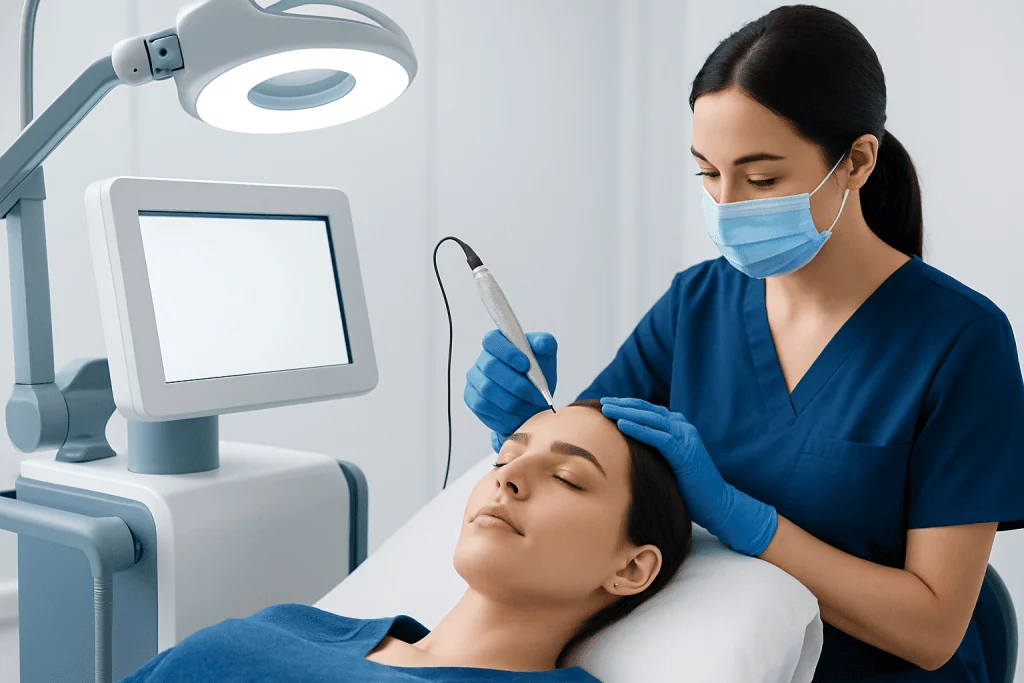
Immediately after microshading, the eyebrow color commonly looks darker, sharper, and more defined than the final result. Mild redness, tenderness, and swelling can occur, particularly during the first day. As the skin heals, the treated area may feel dry or itchy and may develop light flaking.
Color often appears to fade during early healing before settling. Final appearance can vary because pigment retention is affected by skin type, natural skin turnover, sun exposure, skin-care products, immune response, and the technique used. Oily skin, frequent exfoliation, and use of certain active skin-care ingredients may contribute to faster fading.
A follow-up appointment is commonly needed after the initial healing period to assess pigment retention and make small adjustments if appropriate. Maintenance sessions may be requested later, but the timing varies widely. A reputable practitioner should discuss realistic expectations rather than promise a specific color, shape, or duration.
Who May Benefit and Who Should Delay Treatment?

Microshading may appeal to people whose eyebrows are naturally sparse, uneven, light in color, or difficult to define with daily makeup. Some people also consider it after hair thinning or hair loss. However, eyebrow loss can sometimes be related to skin, hormonal, nutritional, autoimmune, or medication-related factors, so an unexplained change should be medically assessed rather than covered cosmetically.
People with active acne, eczema, dermatitis, psoriasis, infection, sunburn, open wounds, or irritation around the eyebrows should postpone the procedure until the skin has healed. Those with a history of keloid or raised scarring, pigment allergies, bleeding disorders, immune suppression, or poorly controlled diabetes should seek medical advice before proceeding.
Pregnant or breastfeeding people are often advised to defer elective cosmetic tattooing because safety data are limited and treating a reaction may be more complicated. Anyone taking medicines that affect bleeding, clotting, immunity, or skin healing should discuss the procedure with their prescribing clinician before making changes to medication.
Safety, Hygiene, and Possible Risks
Because microshading breaks the skin barrier, it carries risks similar to other tattooing procedures. These include infection, prolonged inflammation, allergic or irritant reactions to pigment or numbing products, uneven pigment placement, color changes over time, and dissatisfaction with eyebrow shape. In rare cases, scarring or granulomatous reactions may occur.
The most important safety measure is choosing a properly trained, licensed practitioner who follows local regulations and works in a clean setting. They should use single-use sterile needles, fresh disposable supplies, appropriate skin antisepsis, documented pigment information, and clear instructions for aftercare and follow-up.
Before treatment, the practitioner should ask about allergies, medical conditions, medicines, previous tattoos, skin concerns, and prior cosmetic procedures. A patch test may help identify some contact reactions, but it cannot guarantee that a delayed pigment reaction will not occur. A person should feel comfortable declining treatment if the consultation feels rushed or if hygiene practices are unclear.
- Do not undergo microshading over active skin disease or infection.
- Do not share makeup, applicators, ointments, or aftercare products during healing.
- Ask what pigment, anesthetic, and disinfectant products will be used.
- Keep records of the practitioner, products, and treatment date in case a reaction develops.
Preparing for Microshading and Caring for Healing Skin
Preparation should begin with an honest health and skin assessment. A person should tell the practitioner about prescription medicines, supplements, previous reactions to cosmetics or tattoos, current skin-care treatments, and any recent facial procedures. It is important not to stop prescribed medicines, including blood-thinning medication, without advice from the clinician who prescribed them.
After the procedure, the eyebrows should be kept clean and protected according to the practitioner’s written instructions. Touching, rubbing, picking flakes, applying unapproved cosmetics, swimming, using saunas, or exposing the area to heavy sweating may interfere with healing and increase infection risk. Sun protection becomes important after the skin has healed because ultraviolet exposure can accelerate pigment fading.
It is generally sensible to avoid strong exfoliants, retinoid products, chemical peels, and hair-removal treatments near the brows until the area has fully recovered and a qualified professional says it is appropriate. If there is a history of eczema or contact dermatitis, a dermatologist can help identify lower-risk skin-care approaches. For ongoing inflammatory skin concerns, evaluation of eczema or another diagnosed condition may be more useful before cosmetic treatment.
Microshading Compared With Other Eyebrow Options
Microshading is one of several ways to improve eyebrow definition. Temporary makeup products, eyebrow tinting, and brow lamination do not involve placing pigment into the skin, so they may be preferred by people who want less commitment. However, they require more frequent upkeep and may still cause irritation in sensitive skin.
Microblading uses fine strokes intended to resemble eyebrow hairs, whereas microshading uses stippled or layered pigment for a softer filled-in result. The best approach depends on skin characteristics and cosmetic goals. People with oily or mature skin may find that hair-stroke lines blur or fade differently than expected, while a powder effect may be more consistent for some individuals.
For people with substantial eyebrow hair loss, the first step is identifying the cause. A dermatologist may recommend tests or treatment for conditions such as alopecia areata before considering cosmetic camouflage. Treatments intended to support hair loss management may be discussed when clinically appropriate, but cosmetic eyebrow pigmentation does not treat the underlying cause of hair loss.
When to Seek Medical Care
Some short-term redness, sensitivity, and mild swelling can be expected after microshading. Medical assessment is advisable if symptoms become worse rather than gradually improving, or if there is increasing pain, warmth, spreading redness, significant swelling, pus, blisters, or a foul-smelling discharge. Fever or feeling generally unwell also requires prompt medical attention.
Urgent medical care is needed for swelling around the eyes, changes in vision, difficulty breathing, facial swelling, widespread hives, or signs of a severe allergic reaction. These symptoms may indicate a serious infection or allergy and should not be managed with home remedies alone.
A dermatologist can assess persistent itching, rash, raised scars, color changes, or delayed reactions after cosmetic tattooing. Acibadem International’s multidisciplinary specialists and JCI-accredited hospitals can assess skin concerns and related medical conditions for international patients when specialist evaluation is needed.
Frequently asked questions
Is microshading a tattoo?
Yes. Microshading places cosmetic pigment into the skin using needles or a similar device, so it is a form of cosmetic tattooing. It is often called semi-permanent because it tends to fade over time, but pigment may remain longer than expected in some people.
How long does microshading last?
The duration varies between individuals and cannot be predicted precisely. Skin type, sun exposure, pigment choice, skin-care products, immune response, and the original technique can all affect how quickly color fades. Many people choose maintenance treatments, but this should be approached cautiously and only after the skin has fully healed.
Does microshading hurt?
Comfort levels differ from person to person. Practitioners may use topical numbing products, but these can also cause irritation or allergic reactions in some individuals. People should disclose prior reactions to anesthetics, cosmetics, or tattoo products before treatment.
Can microshading cause an infection?
Yes, infection is possible whenever the skin barrier is broken. Choosing a hygienic, properly regulated setting and following aftercare instructions can reduce risk, but cannot remove it completely. Increasing pain, spreading redness, pus, fever, or marked swelling should be assessed promptly by a healthcare professional.
Can people with eczema have microshading?
Microshading should not be performed on skin affected by active eczema, irritation, or infection. Even when symptoms are controlled, sensitive skin may be more likely to react to pigments, numbing creams, or aftercare products. A dermatologist can advise whether the skin is stable enough for an elective cosmetic procedure.
Can microshading be removed if the result is unwanted?
Removal can be difficult, time-consuming, and incomplete. Options may include fading naturally over time, specialized removal methods, or laser treatment in selected cases, but outcomes depend on the pigment and skin response. It is best to discuss shape, color, risks, and correction options carefully before the first treatment.
References
- U.S. Food and Drug Administration
- American Academy of Dermatology Association
- Centers for Disease Control and Prevention
- British Association of Dermatologists
This article is for general information only and is not a substitute for professional medical advice. Please consult a qualified doctor about your individual situation.
Hair transplant in Turkey — costs, graft counts & a free assessment
JCI-accredited · board-certified surgeons · reply within 24h
Add us as a Preferred Source to see more of our trusted health content across Google Search, AI Overviews and Discover.

More from the Health Library



Related Specialists

Dr. Cem Kara
Pediatric Surgery
Dr. Selcen Bahadır
Gynecology & Obstetrics
Dr. Mehrıban Allahverdıyeva
Inpatient Clinic Physicians
Prof. Dr. Oğuzhan Karatepe
General Surgery