Microvascular Ischemia: Early Signs, Risk Factors, and How It Is Treated

Microvascular ischemia affects tiny blood vessels and may involve the brain, heart, or other organs. Many people have no obvious symptoms at first, especially when changes are seen on brain imaging.
Key Takeaways
- Microvascular ischemia affects tiny blood vessels and may involve the brain, heart, or other organs.
- Many people have no obvious symptoms at first, especially when changes are seen on brain imaging.
- High blood pressure, diabetes, high cholesterol, smoking, and aging are common risk factors.
- Treatment usually centers on managing vascular risk factors and addressing symptoms or complications.
- Medical evaluation is important if there are stroke-like symptoms, chest pain, or sudden changes in thinking, balance, or vision.
Microvascular ischemia means reduced blood flow through very small blood vessels, most often discussed in the brain or heart. It is commonly linked to aging and vascular risk factors such as high blood pressure, diabetes, smoking, and high cholesterol, and treatment focuses on controlling those risks and preventing complications.
What microvascular ischemia means
Microvascular ischemia refers to reduced blood flow through the body’s smallest blood vessels. In everyday medical use, the term often describes changes in the brain’s tiny vessels seen on MRI, but it can also refer to the heart’s small coronary vessels. Because these vessels deliver oxygen and nutrients to delicate tissues, long-term narrowing or damage can gradually affect how an organ works.
In the brain, microvascular ischemia is closely related to cerebral small vessel disease. Doctors may describe “microvascular ischemic changes,” “chronic small vessel ischemic disease,” or white matter changes on a scan. These findings are common with age, but they matter because they can be linked to memory problems, slower thinking, balance difficulties, mood changes, or a higher risk of stroke over time.
In the heart, small vessel disease can cause chest discomfort or shortness of breath even when larger coronary arteries are not severely blocked. This is different from a classic large-artery blockage but can still affect quality of life and needs medical attention. Some people being evaluated for microvascular ischemia may also be assessed for coronary artery disease if symptoms suggest reduced blood flow to the heart.
Early signs and symptoms
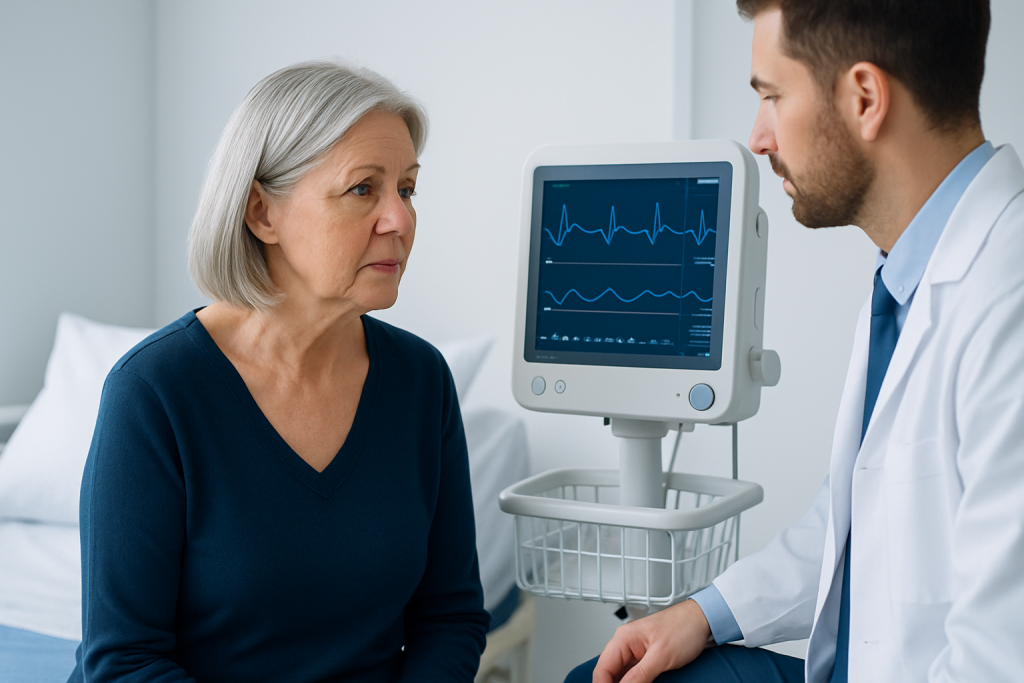
Microvascular ischemia does not always cause symptoms early on. In the brain, mild changes may be found incidentally during imaging performed for headaches, dizziness, or another reason. When symptoms do appear, they tend to develop gradually rather than all at once.
Possible brain-related symptoms can include slowed thinking, trouble concentrating, mild memory changes, walking more slowly, balance problems, urinary urgency, or subtle mood changes. These symptoms can have many causes, so they do not automatically mean a person has microvascular ischemia. Still, they are worth discussing with a doctor, especially if they are new or progressing.
When microvascular ischemia involves the heart, symptoms may include chest pressure, chest discomfort during exertion, unusual fatigue, or shortness of breath. Some people, especially women and older adults, may have less typical symptoms. If symptoms are sudden, severe, or occur with weakness, speech trouble, or fainting, urgent medical evaluation is needed.
- Brain-related clues: slower thinking, balance issues, mild memory concerns
- Heart-related clues: chest discomfort, exertional breathlessness, reduced exercise tolerance
- Possible complications: transient ischemic attack, stroke, worsening cognitive function, reduced daily function
Why it happens and who is at risk

The small vessels can become stiff, narrowed, or damaged over time. High blood pressure is one of the most important contributors because it places ongoing stress on delicate vessel walls. Diabetes, high cholesterol, smoking, obesity, and lack of physical activity can also injure blood vessels and reduce healthy blood flow.
Age is a major risk factor, and microvascular ischemic changes become more common as people get older. A family history of vascular disease may increase risk, but lifestyle and medical conditions still play a major role. Sleep apnea, chronic kidney disease, and inflammatory conditions may also contribute in some individuals.
In the brain, repeated small-vessel injury can lead to tiny areas of damage, changes in white matter, or small silent strokes. In the heart, dysfunction of the tiny coronary vessels can limit blood supply even if standard angiography does not show major blockages. Because the causes overlap with those of stroke and heart disease, doctors often evaluate the whole cardiovascular picture, including conditions such as stroke risk and blood pressure control.
How doctors diagnose microvascular ischemia
Diagnosis depends on the organ involved and the person’s symptoms. For brain-related microvascular ischemia, doctors usually begin with a medical history, neurological examination, and review of risk factors such as hypertension, diabetes, smoking, and prior strokes. Brain MRI is often the most helpful imaging test because it can show white matter changes, small old infarcts, or other signs of small vessel disease.
When symptoms suggest heart-related microvascular ischemia, the evaluation may include an electrocardiogram, echocardiogram, stress testing, blood tests, and imaging to assess blood flow and heart structure. Some people may need advanced testing to look at small vessel function, particularly when chest pain continues despite no major blockage in larger arteries. Depending on the situation, doctors may use cardiac MRI or other cardiac tests as part of the assessment.
Diagnosis also includes ruling out other causes of symptoms. Memory changes, dizziness, chest pain, and walking problems can result from many different conditions. That is why doctors often combine imaging findings with symptoms, examination results, and risk factor assessment rather than relying on a scan result alone.
Treatment and long-term management
Treatment for microvascular ischemia focuses on improving blood vessel health, reducing future damage, and managing symptoms or complications. The exact plan depends on whether the brain, heart, or both are affected. In most cases, the foundation of treatment is careful control of blood pressure, blood sugar, cholesterol, and other cardiovascular risks.
Doctors may recommend medications to lower blood pressure, reduce cholesterol, help control diabetes, or lower the risk of blood clots when appropriate. The right medicines vary from person to person, especially if there is a history of stroke, transient ischemic attack, angina, or other heart disease. If symptoms or testing point to significant heart involvement, a cardiology team may consider further evaluation and treatments related to coronary angiography or broader cardiology care.
For brain-related microvascular ischemia, treatment may also include rehabilitation strategies if walking, balance, or thinking have been affected. Cognitive support, physical therapy, and fall-prevention measures can help maintain independence. For selected patients, specialists may also assess for related conditions such as vascular dementia when memory or executive function decline becomes more noticeable.
At Acibadem International, multidisciplinary specialists in JCI-accredited hospitals evaluate and treat microvascular ischemia for international patients, particularly when coordinated neurology and cardiology care is needed.
Prevention and self-care
Prevention largely overlaps with the prevention of stroke and heart disease. Keeping blood pressure in a healthy range is especially important because it helps protect delicate small vessels in the brain and heart. Regular follow-up with a doctor can make a meaningful difference, especially for people with diabetes, high cholesterol, or a history of smoking.
Healthy daily habits support treatment and may slow progression. These include regular physical activity, a balanced eating pattern rich in vegetables, fruits, whole grains, and healthy fats, avoiding tobacco, limiting excess alcohol, maintaining a healthy weight, and getting good sleep. People with sleep apnea symptoms such as loud snoring or daytime sleepiness should discuss testing with a doctor.
Self-care also means paying attention to changes in cognition, mobility, or exercise tolerance. Keeping a list of symptoms, blood pressure readings, medications, and questions can help during appointments. Family members may notice subtle changes before the patient does, so their observations can be useful during follow-up visits.
When to seek medical care
A routine medical appointment is appropriate for gradual memory changes, new balance problems, persistent headaches with vascular risk factors, chest discomfort during exertion, or unexplained shortness of breath. These symptoms do not always mean microvascular ischemia, but they deserve evaluation to identify the cause and lower the risk of future complications.
Urgent medical care is needed for possible stroke or heart attack symptoms. Warning signs include sudden weakness or numbness on one side, trouble speaking, facial droop, sudden severe confusion, sudden vision loss, severe chest pain, fainting, or sudden shortness of breath. Time-sensitive treatment can be critical in these situations.
People who have been told they have microvascular ischemic changes on imaging should not panic, but they should discuss the result with a qualified doctor. The next steps often include reviewing blood pressure, diabetes status, cholesterol, smoking history, exercise habits, and whether any further tests or specialist referrals are needed.
Frequently asked questions
Is microvascular ischemia the same as a stroke?
No. Microvascular ischemia describes reduced blood flow or chronic damage in very small blood vessels, while a stroke is a sudden injury to the brain caused by interrupted blood flow or bleeding. However, microvascular disease can increase the risk of stroke over time.
Can microvascular ischemia be reversed?
Some imaging changes, especially chronic brain white matter changes, may not fully reverse. Still, treatment can slow progression, reduce symptoms, and lower the risk of future complications. Managing blood pressure, diabetes, cholesterol, and smoking is especially important.
Does microvascular ischemia always cause symptoms?
No. Many people have no clear symptoms at first, and the condition may be found incidentally on imaging. Symptoms, when they occur, depend on the organ involved and how advanced the small vessel damage is.
Is microvascular ischemia common in older adults?
Yes, it becomes more common with age, particularly in people with high blood pressure and other vascular risk factors. Age alone does not explain every case, so doctors also look closely at modifiable risks that can be treated.
What is the difference between microvascular ischemia in the brain and in the heart?
In the brain, it often refers to small vessel changes that may affect thinking, balance, gait, or stroke risk. In the heart, it usually means dysfunction of the small coronary vessels that can cause chest discomfort or shortness of breath. Both involve tiny blood vessels, but symptoms and tests differ.
Should a person worry if an MRI mentions microvascular ischemic changes?
The finding should be discussed with a doctor, but it is not usually a reason for panic. It often reflects long-term small vessel changes that are common with aging and vascular risk factors. The most helpful next step is a medical review of symptoms and risk-factor control.
References
- American Heart Association
- National Institute of Neurological Disorders and Stroke
- National Institute on Aging
- National Heart, Lung, and Blood Institute
- Radiological Society of North America
This article is for general information only and is not a substitute for professional medical advice. Please consult a qualified doctor about your individual situation.
Explore treatments in Turkey — costs, top hospitals & a free quote
JCI-accredited · board-certified surgeons · reply within 24h
Add us as a Preferred Source to see more of our trusted health content across Google Search, AI Overviews and Discover.
Check your numbers in seconds
BMI, calories, due date, blood pressure and 30+ more clinical calculators — free, instant, doctor-reviewed ranges.