Miscarriage Symptoms: What Is Normal, What Is Urgent, and When to Seek Care

Light spotting can happen in early pregnancy, but bleeding should always be discussed with a healthcare professional. Heavy bleeding, severe one-sided pain, fainting, fever, or shoulder pain need urgent medical attention.
Key Takeaways
- Light spotting can happen in early pregnancy, but bleeding should always be discussed with a healthcare professional.
- Heavy bleeding, severe one-sided pain, fainting, fever, or shoulder pain need urgent medical attention.
- Not all bleeding in pregnancy means miscarriage, and symptoms alone cannot confirm what is happening.
- Diagnosis may involve a pelvic exam, blood tests, and ultrasound to check the pregnancy.
- Treatment depends on the situation and may include watchful waiting, medication, or a procedure.
- Emotional support and follow-up care are an important part of recovery after pregnancy loss.
Miscarriage symptoms can range from light bleeding and mild cramping to heavier bleeding, stronger pain, and the passage of tissue. Because some early pregnancy symptoms overlap with normal changes, medical assessment is important whenever there is bleeding, significant pain, or concern.
Overview
Miscarriage symptoms refer to signs that may happen when a pregnancy ends on its own before the baby can survive outside the uterus. This most often happens in the first trimester, though it can also occur later. Common symptoms include vaginal bleeding, cramping, back pain, and the passage of tissue. Some people also notice that pregnancy symptoms such as nausea or breast tenderness decrease, but this sign alone is not reliable.
It is important to know that not all bleeding or cramping during pregnancy means a miscarriage. Light spotting can occur for several reasons, including changes in the cervix, implantation, or irritation after intercourse. At the same time, symptoms of miscarriage can overlap with other conditions that need prompt care, such as ectopic pregnancy. For that reason, new bleeding, pain, or other concerning symptoms should be assessed by a qualified clinician.
For many patients, the most difficult part is uncertainty. Symptoms may be mild at first or may come on suddenly. A doctor or midwife can help determine whether the pregnancy appears healthy, whether there has been a loss, or whether more follow-up is needed. Early evaluation can also help identify urgent complications and support safer treatment and recovery.
What Can Be Normal in Early Pregnancy
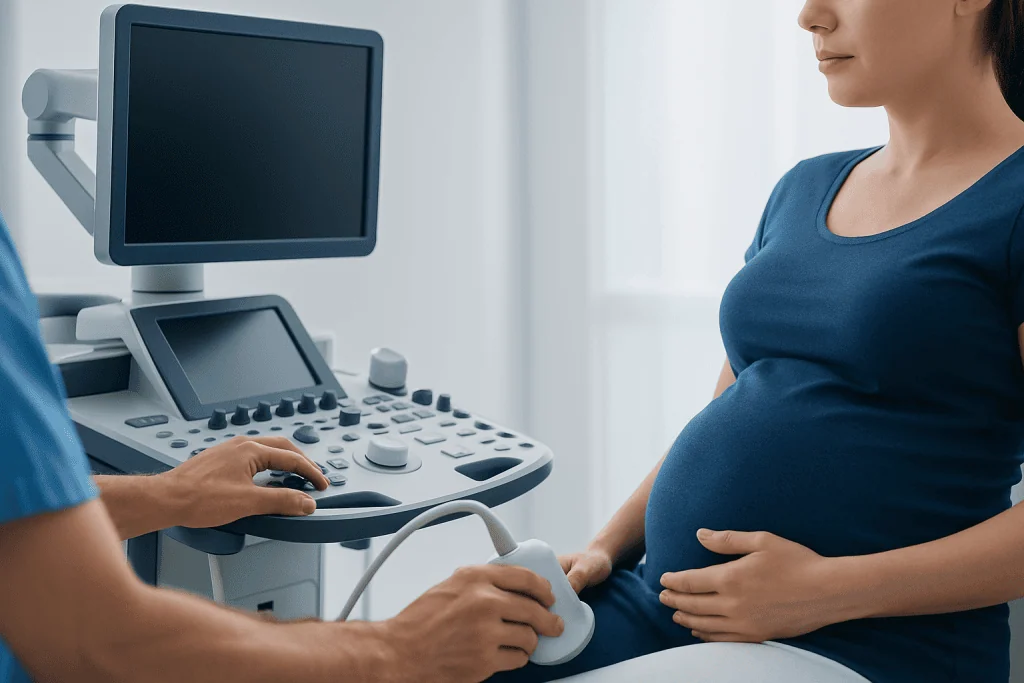
Early pregnancy can cause a wide range of sensations, and some can be uncomfortable without being dangerous. Mild cramping, a feeling of pelvic stretching, and light spotting may happen, especially around the time a period would have been expected. Some people notice pink or brown discharge rather than bright red bleeding. These symptoms may settle on their own.
Bleeding that stays very light and does not become heavier may not signal a pregnancy loss. Likewise, mild lower abdominal discomfort can happen as the uterus grows. However, because it can be difficult to tell normal changes from a developing problem based on symptoms alone, even light bleeding is worth mentioning to a healthcare professional.
There is no need for panic if symptoms are minor and the person otherwise feels well, but there should not be any pressure to simply wait and worry. A clinician may advise monitoring at home, arranging an ultrasound, or checking pregnancy hormone levels depending on how far along the pregnancy is and what symptoms are present. Reassurance and careful follow-up are both appropriate parts of care.
Common Miscarriage Symptoms

The most common miscarriage symptoms are vaginal bleeding and cramping. Bleeding may start as spotting and then become heavier, or it may begin suddenly. The color can range from pink or brown to bright red. Cramping may feel similar to menstrual cramps or become stronger over time. Some people also have lower back pain or pelvic pressure.
As the miscarriage progresses, there may be passage of clots or tissue from the vagina. This can be frightening, but it is a common feature of an active miscarriage. Bleeding and cramping can come in waves, and symptoms may last hours to days depending on the type of pregnancy loss and whether all pregnancy tissue passes naturally.
Other symptoms can include a sudden decrease in pregnancy symptoms, though this sign is less specific. Some miscarriages are found on ultrasound before symptoms become obvious, especially when the body has not yet started to pass the pregnancy tissue. This is sometimes called a missed miscarriage. Symptoms can also vary in other forms of pregnancy loss, so assessment is the safest way to understand what is happening.
- Light to heavy vaginal bleeding
- Cramping in the lower abdomen or pelvis
- Lower back pain
- Passage of clots or tissue
- Pelvic pressure or a feeling of heaviness
- Reduction in pregnancy symptoms, sometimes
What Is Urgent and When to Seek Immediate Care
Some symptoms need urgent medical attention because they may indicate heavy blood loss, infection, or an ectopic pregnancy. Heavy bleeding is a key warning sign, especially if pads are being soaked quickly, there are large clots, or the person feels weak or dizzy. Severe abdominal pain, especially if it is one-sided, should also be treated as urgent.
Fainting, shoulder tip pain, chest discomfort, trouble breathing, or severe weakness can be signs of a serious emergency and should not be ignored. Fever, chills, or foul-smelling vaginal discharge may suggest infection and also need prompt care. If the person knows they are pregnant and has severe symptoms, emergency evaluation is appropriate even if they are not sure what is causing them.
It is also important to seek prompt care if there is ongoing pain without much bleeding, because this pattern can happen in ectopic pregnancy. People who have had fertility treatment, prior ectopic pregnancy, tubal surgery, or pelvic infection may have a higher risk. In urgent situations, treatment may involve blood tests, ultrasound, monitoring, and sometimes procedures or surgery to protect health and fertility.
- Heavy bleeding or rapidly soaking pads
- Severe or worsening abdominal or pelvic pain
- One-sided pain or shoulder pain
- Fainting, dizziness, or weakness
- Fever, chills, or foul-smelling discharge
- Any severe symptoms in a confirmed or possible pregnancy
Causes and Risk Factors
Many miscarriages happen because the pregnancy is not developing normally, often due to chromosome problems that occur by chance. In these cases, nothing the pregnant person did caused the loss. Everyday activities such as working, mild exercise, sex, or emotional stress do not usually cause miscarriage in an otherwise healthy pregnancy.
Other factors can increase risk. These include increasing maternal age, certain uterine abnormalities, uncontrolled chronic illnesses such as diabetes or thyroid disease, some infections, smoking, heavy alcohol use, and certain blood clotting or immune-related conditions. A history of repeated pregnancy loss may lead a doctor to investigate further for treatable causes.
Sometimes there is no clear explanation, especially after a single early miscarriage. While this uncertainty can be emotionally hard, it is very common. Most people who have one miscarriage go on to have a healthy future pregnancy. If losses happen more than once, clinicians may recommend further testing and may discuss specialist support, including evaluation through fertility and reproductive medicine services when appropriate.
How Doctors Diagnose the Cause of Symptoms
Symptoms alone cannot confirm a miscarriage. Doctors usually begin with a medical history and symptom review, including the amount of bleeding, pain pattern, pregnancy dates, and any previous pregnancy complications. A pelvic exam may be done to check the cervix and assess bleeding, though this is not always necessary in every case.
Ultrasound is one of the main tools used to understand what is happening. It can help show whether the pregnancy is in the uterus, whether a heartbeat is seen, and whether there are signs that the pregnancy has ended. Blood tests may measure pregnancy hormone levels over time and may also check blood count, blood type, or signs of infection depending on the situation.
Sometimes the first visit does not give a clear answer, especially very early in pregnancy. In that case, repeat blood tests or another ultrasound may be arranged after a short interval. This waiting period can be stressful, but careful follow-up helps avoid incorrect diagnosis and guides safe treatment. If the symptoms suggest an urgent complication, a doctor may also discuss laparoscopy or other interventions when necessary.
Treatment Options and Recovery
Treatment depends on the diagnosis, the stage of pregnancy, the amount of bleeding, and the person’s overall health and preferences. In some cases, watchful waiting is recommended, allowing the body to pass the pregnancy tissue naturally. This may be appropriate when the person is stable and there are no signs of infection or heavy bleeding.
Medication may be used to help the uterus empty more completely. In other situations, a procedure is recommended, especially if there is heavy bleeding, retained tissue, infection, or a preference for faster completion. A doctor may discuss dilation and curettage or another suitable approach based on the findings. Pain relief, follow-up checks, and guidance about what to expect at home are part of care.
Recovery involves both physical and emotional healing. Bleeding may continue for days to a couple of weeks depending on the treatment approach, and cramping can occur as the uterus returns to its usual size. Many people also experience grief, shock, guilt, or sadness. These reactions are valid, and support from family, counseling, or pregnancy loss support groups can be helpful. Near the end of the care journey, some patients may choose specialist follow-up at Acibadem International, where multidisciplinary teams in JCI-accredited hospitals diagnose and treat early pregnancy complications for international patients.
Self-Care, Prevention, and Follow-Up
After bleeding in pregnancy or a confirmed miscarriage, self-care includes rest as needed, hydration, and following the treating clinician’s advice about pain relief, activity, and follow-up appointments. Patients are usually advised to monitor bleeding and to seek care if it becomes heavy, if pain worsens, or if fever develops. Emotional recovery matters just as much as physical recovery, and people should feel able to ask for support.
Not every miscarriage can be prevented, especially when it is related to chromosome changes. Still, general pregnancy health can lower some risks. Helpful steps include attending prenatal care early, avoiding smoking and alcohol, managing long-term conditions, discussing medications with a doctor, and maintaining a balanced diet with appropriate prenatal supplements such as folic acid when advised.
Follow-up care may include confirming that bleeding has settled, checking whether the uterus has emptied completely, and discussing when it is safe to try for another pregnancy if desired. People with repeated losses, severe symptoms, or ongoing fertility concerns may benefit from specialist assessment, and in some cases doctors may discuss broader options such as fertility preservation planning or reproductive counseling depending on future family goals.
Frequently asked questions
Can spotting be normal in early pregnancy?
Yes, light spotting can happen in early pregnancy and does not always mean a miscarriage. However, any bleeding during pregnancy should be discussed with a healthcare professional because symptoms can overlap with pregnancy complications.
What does miscarriage bleeding usually look like?
Miscarriage bleeding can start as spotting or become heavier over time. It may be pink, brown, or bright red, and some people pass clots or tissue. The pattern varies from person to person.
How can someone tell the difference between normal cramps and miscarriage cramps?
Mild cramping can occur in a normal pregnancy as the uterus changes. Miscarriage cramps are often stronger, more persistent, and may happen together with bleeding, back pain, or passage of tissue. Because symptoms overlap, medical assessment is the safest way to know.
When is bleeding in pregnancy an emergency?
Emergency care is needed for heavy bleeding, severe abdominal pain, one-sided pain, fainting, shoulder pain, fever, or marked weakness. These symptoms can suggest major blood loss, infection, or an ectopic pregnancy.
Can a miscarriage happen without heavy bleeding?
Yes. Some miscarriages involve only light bleeding at first, and some are found on ultrasound before strong symptoms develop. Others may cause pain or a loss of pregnancy symptoms without immediate heavy bleeding.
Does one miscarriage mean future pregnancies will also end in miscarriage?
Usually not. Many people who have one miscarriage later have a healthy pregnancy. If miscarriages happen repeatedly, a doctor may recommend further testing to look for treatable causes.
How soon should someone contact a doctor about possible miscarriage symptoms?
A doctor or midwife should be contacted promptly for any bleeding in pregnancy, new significant cramping, or concerning symptoms. If there is heavy bleeding, severe pain, fainting, fever, or one-sided pain, immediate urgent or emergency care is appropriate.
References
- World Health Organization
- American College of Obstetricians and Gynecologists
- Royal College of Obstetricians and Gynaecologists
- NHS
- Mayo Clinic
This article is for general information only and is not a substitute for professional medical advice. Please consult a qualified doctor about your individual situation.
Persistent digestive symptoms? Get evaluated in Turkey
JCI-accredited · board-certified surgeons · reply within 24h
Add us as a Preferred Source to see more of our trusted health content across Google Search, AI Overviews and Discover.