Mmr Injection and Autism: How It Works, Results and What to Expect

Research consistently shows that the MMR vaccine does not cause autism. MMR is a live weakened-virus vaccine that trains the immune system to recognize measles, mumps and rubella.
Key Takeaways
- Research consistently shows that the MMR vaccine does not cause autism.
- MMR is a live weakened-virus vaccine that trains the immune system to recognize measles, mumps and rubella.
- Common effects are usually mild and temporary, such as soreness, fever or a brief rash.
- Serious reactions are rare, but urgent symptoms such as breathing difficulty, facial swelling or a seizure need prompt medical care.
- Families should discuss individual health conditions, allergies and vaccination timing with a qualified clinician.
MMR injection and autism are not linked. Large, carefully designed studies involving many children have found no evidence that the measles, mumps and rubella (MMR) vaccine causes autism, while vaccination remains an important way to prevent three potentially serious infections.
MMR Injection and Autism: the evidence in brief
The MMR vaccine does not cause autism. This conclusion is supported by extensive research from multiple countries, including large population studies and reviews by major public health and medical organizations. Autism is a neurodevelopmental difference with complex causes that include genetic and early developmental factors; it is not caused by routine childhood vaccination.
Concern about MMR and autism grew after a small 1998 report suggested a possible connection. That report was later found to have serious scientific and ethical problems, was fully retracted, and its lead author was removed from the UK medical register. Subsequent high-quality research has repeatedly found no association between receiving MMR and developing autism.
It can be understandable for parents to notice that early signs of autism may become more apparent around the same period that children receive routine vaccines. Timing alone, however, does not show causation. Clinicians can help families discuss developmental concerns, vaccine questions and the child’s individual health history in a respectful, evidence-based way.
How the MMR vaccine works
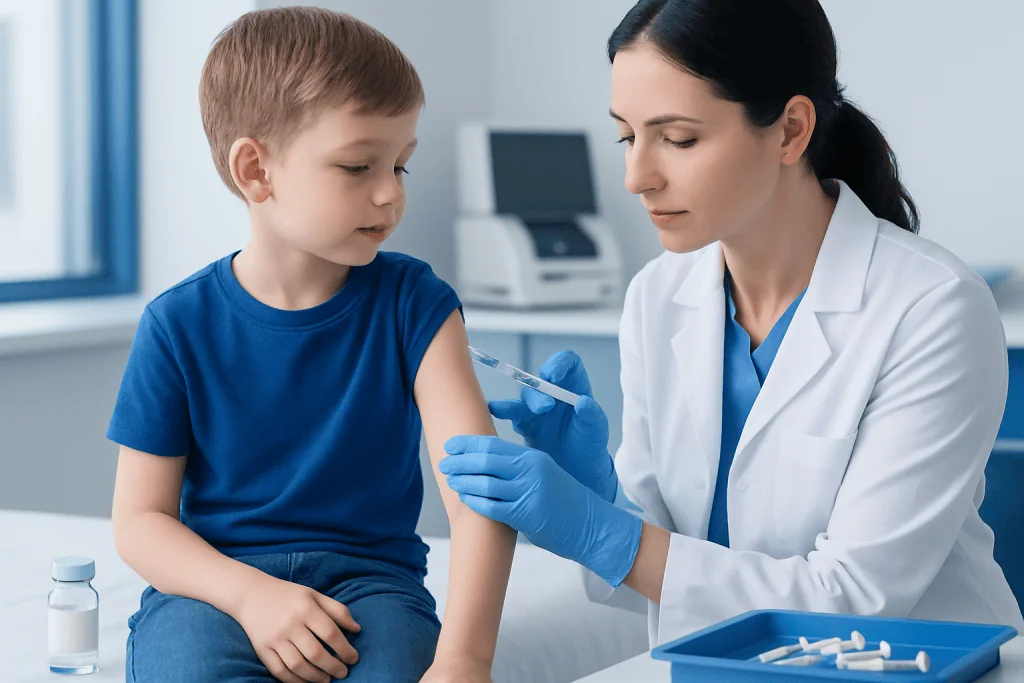
MMR is a combination vaccine that protects against measles, mumps and rubella. It contains weakened forms of the viruses. These weakened viruses are unable to cause the usual disease in people with a healthy immune system, but they stimulate the immune system to make a protective response.
After the injection, immune cells recognize parts of the viruses and develop antibodies and immune memory. If the vaccinated person encounters measles, mumps or rubella later, this memory helps the body respond faster and more effectively. Vaccination also supports community protection by reducing opportunities for these infections to spread.
Measles can lead to complications such as pneumonia and brain inflammation. Mumps may cause painful swelling of the salivary glands and, less commonly, complications involving the brain or reproductive organs. Rubella is often mild in children but can cause severe harm to a developing baby if infection occurs during pregnancy. MMR vaccination is therefore designed to protect both the individual and the wider community.
Who can receive MMR and what happens at the appointment

MMR is commonly given in childhood according to national immunization schedules, often as two doses. The exact timing varies by country and may be adjusted for travel, outbreak exposure, prior vaccination records or particular medical circumstances. A clinician can confirm the appropriate schedule for a child, teenager or adult who needs protection.
Before vaccination, the clinician reviews the person’s age, health history, previous vaccines, allergies, medicines and immune status. People who are pregnant, have severe immune suppression, or have had a severe allergic reaction to a previous dose or vaccine ingredient may need to avoid, delay or discuss MMR with a specialist. A minor illness, such as a mild cold without a high fever, does not always require postponement, but individual advice is appropriate.
The procedure itself is brief. A trained healthcare professional gives the vaccine as an injection, usually under the skin or into a muscle, depending on local practice and the product used. The person may be observed for a short time afterward, especially if there is a history of fainting or allergy. Vaccination records should be kept for future healthcare, school, work or travel requirements.
For families seeking coordinated pediatric and immunization advice, childhood vaccination services can help assess vaccination history and discuss recommended next steps.
How long does it take for MMR to start working?
The immune system begins responding after the MMR injection, but protection is not immediate. It generally takes around two weeks for the body to develop a meaningful immune response after a dose. The level and durability of protection improve with completion of the recommended vaccine schedule.
A vaccinated person can still be exposed to infection before protection has developed. In certain situations, such as travel to an area with active measles transmission or known exposure to measles, medical advice should be sought promptly. Public health teams or clinicians may recommend specific measures based on timing, age, immune status and local guidance.
Vaccines are highly effective but no vaccine provides absolute protection for every person. Even so, people who are vaccinated and later become infected may have a lower chance of severe disease than people without vaccination. Completing recommended doses gives the best available protection for most eligible people.
Recovery timeline, benefits and common side effects
Most people return to usual activities immediately after an MMR injection. Tenderness, redness or mild swelling at the injection site can occur during the first day or two. Some people experience a mild fever, tiredness, headache or general discomfort several days afterward; these effects typically settle without specific treatment.
A mild rash or fever may occur about one to two weeks after vaccination as the immune system responds. Swelling of glands in the cheeks or neck, or temporary joint aches, can occur in some people, particularly adolescents and adults. A clinician can advise on comfort measures and which symptoms should be monitored.
The key benefit is protection against measles, mumps and rubella and their possible complications. MMR is not a treatment for autism, and it does not alter a child’s personality, development or neurological health. If a parent has concerns about language, social interaction, behavior, learning or milestones, early assessment is valuable regardless of vaccination status.
Children with developmental concerns may benefit from a broader pediatric evaluation, including assessment for conditions such as autism spectrum disorder, when clinically appropriate. Early support can help identify a child’s strengths and care needs.
What are the neurological side effects of the MMR vaccine?
Neurological side effects after MMR vaccination are uncommon. A fever-related seizure, also called a febrile seizure, can rarely occur in young children during the period when fever may develop after vaccination. Although febrile seizures are frightening to witness, they are usually brief and do not generally cause lasting neurological harm; any first seizure should be medically assessed urgently.
Very rare reports of more serious neurological events have occurred after vaccination, but a reported event after a vaccine does not necessarily mean the vaccine caused it. Safety monitoring systems and scientific studies examine these events carefully. The known risks from measles infection itself, including brain inflammation and other serious complications, are substantially more concerning than the rare serious risks associated with vaccination.
Parents should seek urgent medical care if a child has a seizure, is difficult to wake, develops unusual weakness, has persistent confusion, or shows signs of a severe allergic reaction. For non-urgent questions about behavior or development, a pediatric clinician can provide appropriate screening and referral support.
Is the MMR vaccine 100% safe?
No medical treatment or vaccine is 100% free of risk. The MMR vaccine has a strong, well-established safety record, and most reactions are mild and temporary. Serious allergic reactions and other severe adverse events are rare, which is why clinics screen for contraindications and provide advice about warning signs.
Safety means balancing known risks with expected benefits. For most eligible people, the risk of complications from measles, mumps or rubella is greater than the risk of a serious vaccine reaction. Public health authorities continually monitor vaccine safety, investigate reports and update recommendations when evidence supports a change.
A person should tell the vaccination team about severe allergies, immune-suppressing medications, cancer treatment, organ transplantation, pregnancy, or a prior serious reaction to a vaccine. These details help clinicians decide whether MMR is suitable now, should be delayed, or requires specialist input.
Why are parents against MMR? When to seek medical care
Parents may feel hesitant about MMR for many reasons, including fear of side effects, exposure to misleading online information, distrust after a difficult healthcare experience, or concern about a child’s development. These concerns deserve a calm conversation rather than judgment. Reliable information from pediatricians and public health organizations can help families distinguish between anecdote, coincidence and evidence from well-conducted research.
Parents should arrange a routine appointment if they are uncertain about a vaccination schedule, have lost immunization records, are planning travel, or have questions about a child’s medical history. They should also request developmental assessment if they notice loss of skills, delayed communication, limited social engagement, unusual movements, or concerns about learning and behavior. Seeking support early does not mean a diagnosis is certain.
Urgent medical care is needed for difficulty breathing, swelling of the lips or face, widespread hives, a seizure, severe weakness, extreme sleepiness, persistent high fever, or any symptom that feels immediately serious after an injection. Acibadem International’s multidisciplinary specialists and JCI-accredited hospitals can assess vaccination-related questions and developmental concerns for international patients.
For individualized guidance, families should speak with a qualified doctor or pediatric healthcare professional, particularly before delaying or declining recommended vaccines.
Frequently asked questions
Does the MMR injection cause autism?
No. Extensive research has found no evidence that the MMR vaccine causes autism. Autism has complex developmental and genetic influences, and signs may become noticeable during early childhood for reasons unrelated to vaccination.
How long does it take for MMR to start working?
The immune response begins after vaccination, but meaningful protection generally takes about two weeks to develop. Completing the recommended doses provides the strongest protection for most eligible people.
What are the neurological side effects of the MMR vaccine?
Neurological reactions are uncommon. A rare fever-related seizure can occur in some young children after vaccination, usually during the time a post-vaccine fever develops; any seizure needs urgent medical evaluation.
Is the MMR vaccine 100% safe?
No vaccine is completely risk-free, but MMR has a well-established safety record and serious reactions are rare. For most eligible people, the benefits of preventing measles, mumps and rubella outweigh the risks of vaccination.
Why are parents against MMR?
Some parents have concerns because of misinformation, fear of side effects, or the mistaken belief that vaccination and emerging developmental differences are connected. A trusted pediatric clinician can discuss these concerns, explain the evidence and review the child’s individual circumstances.
What should a parent do if a child develops fever or rash after MMR?
Mild fever or a brief rash can occur after MMR and often resolves on its own. Parents should contact a clinician for advice if symptoms are severe, persistent or concerning, and seek urgent care for breathing difficulty, facial swelling, a seizure, or unusual drowsiness.
References
- World Health Organization
- Centers for Disease Control and Prevention
- American Academy of Pediatrics
- European Centre for Disease Prevention and Control
- United Kingdom Health Security Agency
This article is for general information only and is not a substitute for professional medical advice. Please consult a qualified doctor about your individual situation.
Explore treatments in Turkey — costs, top hospitals & a free quote
JCI-accredited · board-certified surgeons · reply within 24h
Add us as a Preferred Source to see more of our trusted health content across Google Search, AI Overviews and Discover.