Mouth Tape: An Evidence-Based Guide for Patients
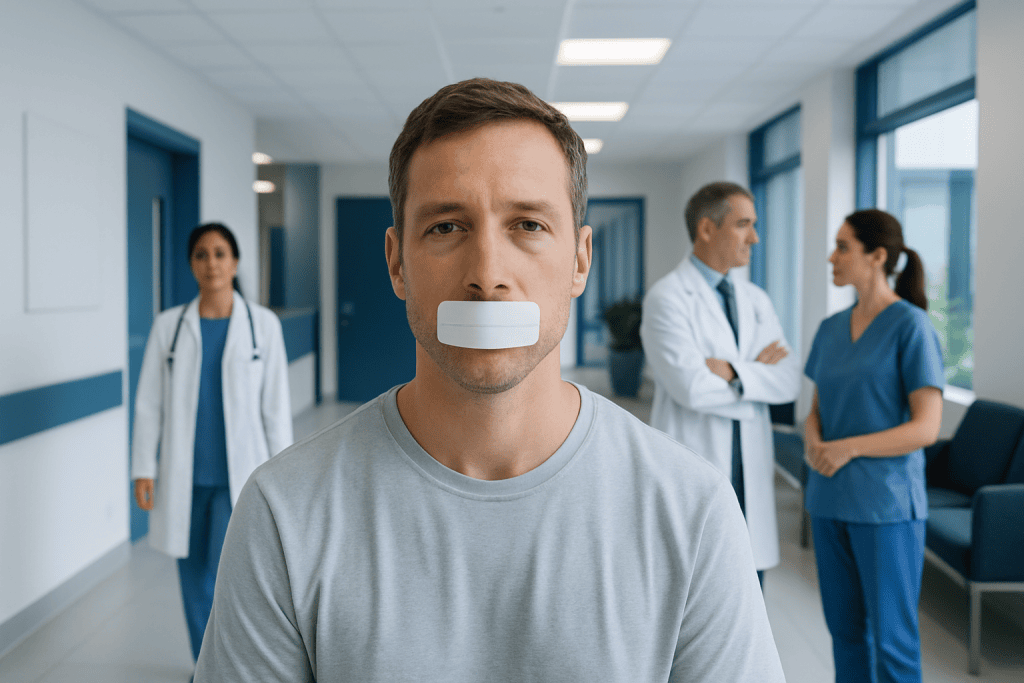
Mouth tape is intended to promote nasal breathing at night, but research on benefits is still limited. It should not be used by people with blocked noses, breathing difficulty, or suspected sleep apnea unless advised by a clinician.
Key Takeaways
- Mouth tape is intended to promote nasal breathing at night, but research on benefits is still limited.
- It should not be used by people with blocked noses, breathing difficulty, or suspected sleep apnea unless advised by a clinician.
- Snoring, dry mouth, poor sleep, and daytime fatigue may signal an underlying condition rather than a simple habit.
- Safer first steps often include treating nasal congestion, improving sleep habits, and assessing for sleep disorders.
- A medical evaluation is important if symptoms are persistent, severe, or associated with choking, pauses in breathing, or excessive daytime sleepiness.
Mouth tape is a practice some people use to encourage nasal breathing during sleep, but evidence is limited and it is not appropriate for everyone. Before trying it, it is important to understand potential benefits, common risks, and when symptoms may point to an underlying sleep or breathing problem that needs medical care.
What mouth tape is and what patients should know first
Mouth tape refers to placing a skin-safe adhesive over the lips during sleep to encourage breathing through the nose instead of the mouth. Some people use it to reduce dry mouth, noisy breathing, or nighttime mouth breathing. However, mouth tape is not a proven treatment for sleep disorders, and it is not safe for everyone.
The most important point is that mouth breathing during sleep can be a symptom, not just a habit. Nasal blockage, allergies, enlarged tonsils, a deviated septum, and sleep-related breathing disorders can all contribute. In these situations, taping the mouth may mask a problem rather than solve it.
Patients often see mouth tape discussed on social media as a simple wellness tool. A more balanced view is that it may be reasonable for carefully selected adults who can breathe comfortably through the nose and who do not have warning signs of sleep apnea or other respiratory problems. Even then, it should be approached cautiously and stopped if it causes discomfort, anxiety, or difficulty breathing.
Why people use mouth tape during sleep
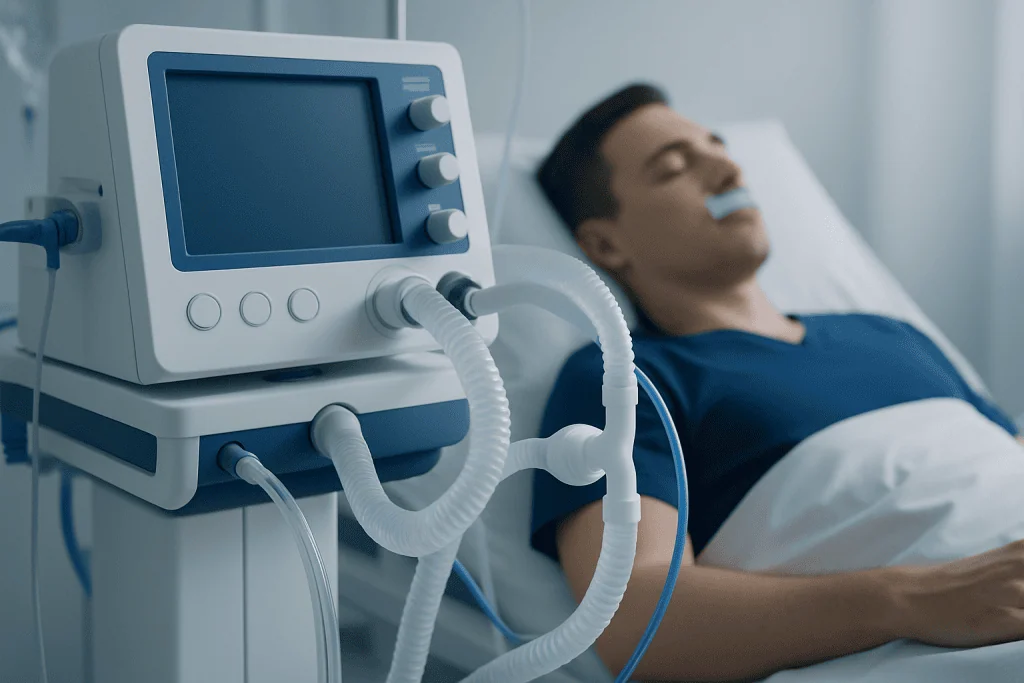
Nasal breathing helps warm, filter, and humidify the air before it reaches the lungs. Because of this, some people feel that sleeping with the mouth closed leaves them with less dryness in the mouth or throat by morning. Others hope it will reduce mild snoring that is related to an open mouth during sleep.
There is also interest in whether nasal breathing supports sleep quality. In theory, if a person has healthy nasal airflow and mouth breathing is simply habitual, encouraging the lips to stay closed may help maintain a more natural breathing pattern. That said, current evidence is limited, and studies are generally small. Mouth tape should therefore be viewed as a possible behavioral aid for selected individuals, not as a broadly established therapy.
Some patients also try it because they wake with bad breath, a dry tongue, or a sore throat. These symptoms can indeed happen with mouth breathing, but they can also be linked to reflux, dental problems, medication side effects, or poor indoor air quality. A proper assessment can help identify the real cause.
Possible benefits, limits, and risks

The possible benefits of mouth tape are modest and situation-dependent. Some users report less morning dry mouth, less throat irritation, and quieter sleep if their mouth tends to fall open at night. These effects are more plausible when nasal breathing is already comfortable and there is no major airway obstruction.
The limitations are just as important. Mouth tape does not treat the cause of nasal blockage, snoring, or fatigue. It also does not reliably diagnose or manage sleep apnea, a condition in which breathing repeatedly narrows or stops during sleep. In fact, using mouth tape when sleep apnea is present may delay appropriate medical evaluation.
Risks include skin irritation around the lips, discomfort, anxiety, and a sense of not getting enough air. It may be especially unsafe in people with colds, sinus infections, severe allergies, chronic nasal obstruction, asthma flare-ups, vomiting risk, alcohol or sedative use, or any condition that impairs normal breathing during sleep.
- Potential benefits: less dry mouth, less throat dryness, possibly less mild open-mouth snoring
- Main limits: does not treat underlying disease, evidence remains limited
- Key risks: impaired breathing, skin reactions, delayed diagnosis of a sleep disorder
Who should avoid mouth tape
Mouth tape is not a good choice for everyone. People who cannot breathe easily through the nose while awake should not use it during sleep. This includes those with significant nasal congestion, a known deviated septum, nasal polyps, frequent sinus problems, or untreated allergies. Children should not use mouth tape unless a qualified clinician specifically advises it.
It should also be avoided by anyone with symptoms that suggest a sleep-related breathing disorder. These symptoms include loud habitual snoring, gasping, choking during sleep, witnessed pauses in breathing, waking with headaches, and marked daytime sleepiness. Such symptoms deserve proper assessment rather than self-treatment.
People with certain medical or situational risks should be especially cautious. Examples include chronic lung disease, unstable asthma, neuromuscular problems affecting breathing, facial skin sensitivity, claustrophobia, alcohol use before bed, or medications that cause heavy sedation. In these settings, an individualized medical discussion is the safest approach.
Safer ways to address mouth breathing and snoring
For many patients, the best first step is to improve nasal airflow rather than taping the mouth. Saline rinses, humidification, allergy treatment, and sleeping on the side can be more practical and lower-risk ways to reduce mouth breathing. Good sleep hygiene also matters, including a regular sleep schedule and limiting alcohol close to bedtime.
If symptoms suggest a structural nasal problem, an evaluation by an ear, nose, and throat specialist may help. Conditions such as chronic blockage or a deviated septum can interfere with normal nasal breathing and may need targeted treatment. In some cases, doctors may recommend medical therapy or procedures such as septoplasty when anatomy is a major factor.
Patients with snoring, choking episodes, or unrefreshing sleep may benefit more from a sleep assessment than from self-experimentation. A formal sleep study can help identify whether there is sleep apnea or another sleep disorder. If indicated, treatments can include weight management, positional strategies, oral appliances, or sleep apnea treatment tailored to the cause and severity.
How doctors evaluate persistent mouth breathing or poor sleep
A clinical evaluation usually starts with a detailed history. Doctors ask about snoring, dry mouth, nasal blockage, allergies, daytime fatigue, morning headaches, medication use, and whether a bed partner has noticed pauses in breathing. This helps distinguish simple mouth breathing from a broader sleep or airway problem.
The physical examination may include the nose, throat, tonsils, jaw structure, and signs of dental wear or gum dryness. In some cases, a specialist may use nasal endoscopy or other tests to look for structural causes of poor nasal airflow. If a sleep disorder is suspected, overnight testing may be recommended.
Diagnostic pathways depend on the symptoms. For example, a patient with chronic congestion may benefit from allergy testing or targeted ENT care, while a patient with daytime sleepiness and witnessed breathing pauses may need a sleep medicine evaluation. The goal is to treat the cause rather than only the symptom.
If someone still wants to try mouth tape
If an adult is considering mouth tape despite the limitations, the safest approach is to discuss it with a clinician first, especially if there is snoring or any concern about sleep apnea. The person should only consider it if they can breathe comfortably through the nose while awake and lying down, and if there are no warning signs such as choking episodes or severe congestion.
Only products designed for skin contact should be used, and the tape should never be applied in a way that makes urgent removal difficult. It should be stopped immediately if it causes panic, shortness of breath, poor sleep, skin irritation, or a feeling of being unable to breathe normally. It should never be forced as a solution when the body is signaling that the airway is not clear.
Patients should remember that self-tracking matters. If mouth tape appears to worsen snoring, increase awakenings, or leave the person more tired the next day, that is a strong reason to stop and seek evaluation. At the end of the day, comfort and safe breathing are more important than following a wellness trend.
When to seek medical care
Medical care is important if mouth breathing is persistent, newly developed, or linked with poor-quality sleep. A doctor should assess symptoms such as loud snoring, witnessed pauses in breathing, choking or gasping at night, morning headaches, frequent awakenings, or significant daytime sleepiness. These may indicate an underlying condition that needs diagnosis and treatment.
Prompt evaluation is also sensible when there is chronic nasal blockage, repeated sinus infections, worsening allergies, or facial pressure that interferes with sleep. Children who regularly breathe through the mouth, snore, or sleep restlessly should also be evaluated because enlarged tonsils, adenoids, or other airway issues may be involved.
For international patients needing coordinated care, Acibadem International’s multidisciplinary specialists and JCI-accredited hospitals evaluate sleep, nasal, and airway-related conditions and can guide appropriate treatment based on the underlying cause.
Frequently asked questions
Is mouth tape safe?
Mouth tape may be safe for a limited group of adults who can breathe easily through the nose and do not have signs of a sleep-related breathing disorder. It is not considered universally safe, and it should be avoided if there is nasal blockage, breathing difficulty, or suspected sleep apnea. When in doubt, a clinician should assess the cause of mouth breathing first.
Can mouth tape treat sleep apnea?
No. Mouth tape is not an established treatment for sleep apnea and should not replace medical evaluation. If a person snores loudly, gasps during sleep, or feels excessively tired during the day, a sleep assessment is more appropriate.
Does mouth tape stop snoring?
It may reduce mild snoring in some people if the snoring is mainly related to sleeping with the mouth open and nasal breathing is otherwise normal. However, snoring often has more than one cause, including nasal obstruction, throat anatomy, body position, or sleep apnea. Persistent or loud snoring should be assessed by a doctor.
Why do people wake up with a dry mouth?
Dry mouth in the morning commonly happens when a person sleeps with the mouth open. It can also be caused by nasal congestion, medications, dehydration, reflux, or dental and salivary gland issues. Identifying the cause is more useful than simply covering the lips.
Should children use mouth tape?
Children should not use mouth tape unless a qualified clinician specifically recommends it. Mouth breathing in children may signal enlarged tonsils, adenoids, allergies, or other airway problems that need medical assessment. Treating the underlying cause is the priority.
What is a better first step than trying mouth tape?
A better first step is usually to improve nasal breathing and review sleep symptoms. This may include managing allergies, treating congestion, adjusting sleep position, and discussing snoring or fatigue with a doctor. If symptoms are ongoing, an ENT or sleep evaluation can guide safer and more effective treatment.
This article is for general information only and is not a substitute for professional medical advice. Please consult a qualified doctor about your individual situation.
Explore treatments in Turkey — costs, top hospitals & a free quote
JCI-accredited · board-certified surgeons · reply within 24h
Add us as a Preferred Source to see more of our trusted health content across Google Search, AI Overviews and Discover.

More from the Health Library

Mudra: An Evidence-Based Guide for Patients

Elderberry: An Evidence-Based Guide for Patients

Childhood Amnesia: An Evidence-Based Guide for Patients
Tan Lines — Explained by Medical Evidence, Not Myths

Uvula: A Complete Medical Overview