

Mrsa Infected: What Patients Need to Know

MRSA is a staph bacterial infection that is resistant to certain antibiotics, not all antibiotics. It often causes painful skin bumps, redness, swelling, warmth, or drainage that may look like a spider bite or boil.
Key Takeaways
- MRSA is a staph bacterial infection that is resistant to certain antibiotics, not all antibiotics.
- It often causes painful skin bumps, redness, swelling, warmth, or drainage that may look like a spider bite or boil.
- Diagnosis may involve a physical exam and a culture to identify the bacteria and guide treatment.
- Treatment can include drainage, wound care, hygiene measures, and antibiotics chosen based on the infection site and test results.
- Good hand hygiene, keeping wounds covered, and not sharing personal items help reduce spread.
- Urgent medical attention is needed for fever, spreading redness, severe pain, breathing problems, or signs of a deeper infection.
Being MRSA infected means a person has an infection caused by a type of staph bacteria that does not respond to some common antibiotics. Many cases affect the skin and can be treated successfully, but prompt diagnosis and the right care are important because MRSA can sometimes become more serious.
Overview: What It Means to Be MRSA Infected
If someone is MRSA infected, it means they have an infection caused by methicillin-resistant Staphylococcus aureus, often shortened to MRSA. This bacterium is a type of staph that has become resistant to several commonly used antibiotics. That resistance can make treatment more specific, but it does not mean the infection cannot be treated.
MRSA most often affects the skin, where it may cause a painful lump, boil, abscess, or an area of redness and drainage. In some cases, MRSA can enter deeper tissues or the bloodstream and lead to more serious illness. Early evaluation helps doctors choose the right treatment and lower the chance of complications.
People may also hear about “colonization” and “infection.” Colonization means the bacteria are present on the skin or in the nose without causing symptoms. Infection means the bacteria are causing active signs such as pain, swelling, pus, fever, or tissue damage.
Symptoms of MRSA Infection
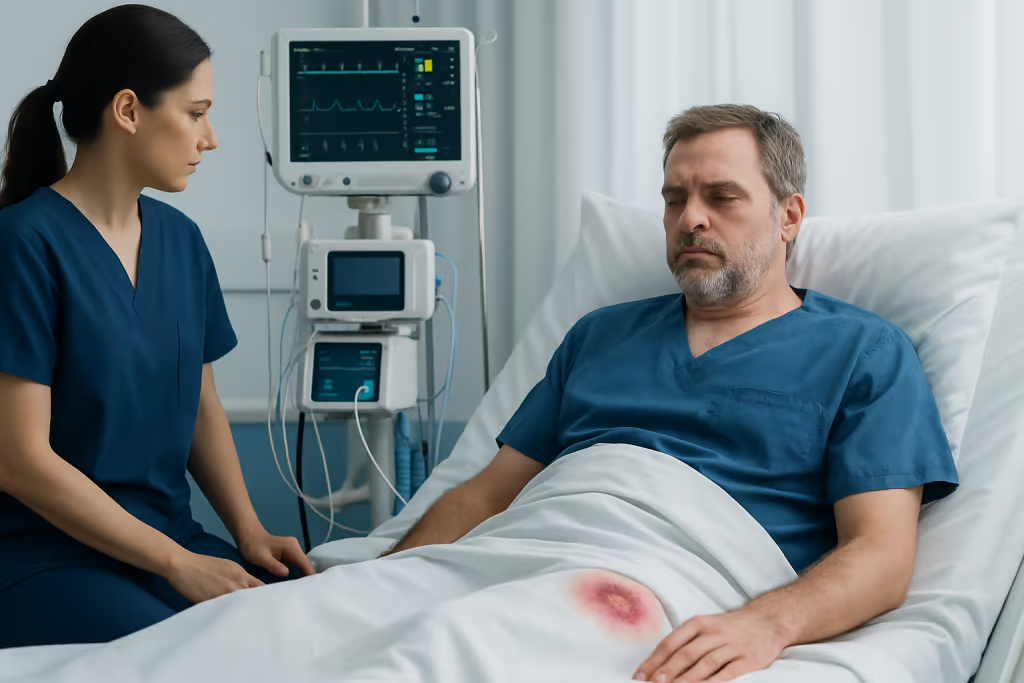
Many MRSA infections begin in the skin. A person may notice a red, swollen, tender area that feels warm and may fill with pus. Some describe it as looking like a pimple, insect bite, or spider bite, but it usually becomes more painful and inflamed over time.
Common skin symptoms include a boil, abscess, cellulitis, crusting, or drainage from a wound. Fever may occur, especially if the infection is spreading or becoming deeper. If a wound is not healing as expected, MRSA may be considered as one possible cause.
Less commonly, MRSA can cause deeper or invasive infections. These can affect the blood, lungs, bones, joints, or surgical sites. Depending on the body area involved, symptoms may include:
- High fever or chills
- Rapid worsening of redness or swelling
- Shortness of breath or chest symptoms
- Severe pain out of proportion to the skin appearance
- Joint pain, bone pain, or limited movement
- Extreme fatigue, confusion, or signs of sepsis
Because several skin conditions can look similar, it is best not to self-diagnose. Problems such as cellulitis or infected wounds may need medical assessment to determine the exact cause.
How MRSA Spreads and Who Is at Higher Risk

MRSA spreads mainly through direct skin-to-skin contact or contact with contaminated items and surfaces. Shared towels, razors, sports equipment, clothing, and poorly covered wounds can all contribute. The bacteria can also spread in healthcare settings, especially when people have surgical wounds, intravenous lines, or weakened immune systems.
MRSA infections are often grouped into community-associated and healthcare-associated types. Community-associated MRSA can occur in otherwise healthy people, especially where close contact and shared equipment are common. Healthcare-associated MRSA is more likely in hospitals, nursing homes, or after medical procedures.
Risk is higher in people who have:
- Recent hospitalization or surgery
- Open cuts, burns, or chronic skin conditions
- A weakened immune system
- Diabetes or poor circulation
- Indwelling catheters or medical devices
- Frequent close-contact sports participation
- Crowded living conditions
- A history of previous MRSA infection or colonization
Having risk factors does not mean a person will definitely develop MRSA. It simply means extra attention to hygiene, wound care, and early symptom recognition is especially important.
How Doctors Diagnose MRSA
Diagnosis starts with a medical history and physical examination. The clinician will ask when the symptoms began, whether there was a cut or recent procedure, and whether there are fever, drainage, or rapidly worsening signs. The appearance of a painful boil or draining abscess may raise suspicion for MRSA, but visual appearance alone is not enough to confirm it.
To identify the bacteria, a doctor may collect a sample of pus, wound drainage, blood, sputum, or another body fluid for culture. The laboratory can test which antibiotics are likely to work. This is important because treatment should be guided by the site and severity of infection as well as resistance patterns.
If a deeper infection is suspected, further tests may be needed. These can include blood tests or MRI imaging to check for involvement of soft tissue, joints, or bone. In selected cases, CT imaging may also help assess the extent of infection or detect an abscess.
Accurate diagnosis matters because not every inflamed skin lesion is MRSA, and not every MRSA case needs the same treatment. A culture helps make care more precise and supports antibiotic stewardship.
Treatment Options for MRSA
Treatment depends on where the infection is, how severe it is, and the person’s overall health. For some skin abscesses, the most important step is drainage by a qualified clinician. In many cases, proper wound care and drainage are essential, and antibiotics may be added when needed based on the clinical picture and culture results.
When antibiotics are used, the choice should be based on medical evaluation and, when possible, culture findings. It is important to take the medicine exactly as prescribed and to finish the course unless a doctor advises otherwise. People should not use leftover antibiotics or share medication, because the wrong antibiotic can delay proper treatment and contribute to resistance.
Supportive care also matters. The infected area should be kept clean and covered, and dressings should be changed as instructed. Hands should be washed before and after touching the wound, and laundry that contacts drainage should be cleaned carefully.
If infection is severe or affects deeper tissues, hospital-based treatment may be required. This may include intravenous antibiotics, drainage procedures, and monitoring for complications. When a deeper soft-tissue collection is suspected, interventional radiology may sometimes help guide drainage in selected cases.
Prevention and Self-Care at Home
Preventing spread is a major part of managing MRSA. Good hygiene helps protect both the affected person and others in the home. Hands should be washed regularly with soap and water, especially after changing bandages or touching the infected area.
Wounds should be kept clean, dry, and covered until healed. Personal items that touch the skin should not be shared. This includes towels, razors, clothing, bedding, nail tools, and sports gear. Surfaces that are touched often should be cleaned routinely, especially in shared bathrooms, bedrooms, or athletic spaces.
Useful self-care steps include:
- Following the wound care plan exactly
- Changing dressings safely and disposing of them properly
- Washing clothes, towels, and bedding as directed
- Avoiding squeezing or picking at boils or abscesses
- Keeping nails short and clean
- Staying home from close-contact activities if drainage cannot be fully covered
Some people with recurrent MRSA may be advised to follow a decolonization plan, such as special antiseptic washes or nasal treatment. This should only be done under medical guidance, because it is not necessary for everyone and should be tailored to the individual situation.
When to Seek Medical Care
A painful, red, draining skin lesion should be medically assessed if it is getting worse, not improving, or causing concern. Medical care is especially important when there is fever, rapidly spreading redness, significant swelling, or severe pain. People with diabetes, weakened immunity, recent surgery, or implanted medical devices should seek evaluation early.
Urgent care is needed if there are signs that the infection may be spreading beyond the skin. Warning signs include difficulty breathing, confusion, faintness, blue lips, persistent high fever, or extreme weakness. Immediate attention is also important for infections near the eyes, face, or genitals, or if there are symptoms of dehydration or sepsis.
Anyone with a recurring skin infection should speak with a doctor about whether testing, culture, or a prevention plan is needed. Near the end of the care pathway, some patients may benefit from input from infectious disease, dermatology, surgery, or wound-care specialists. Acibadem International’s multidisciplinary specialists in JCI-accredited hospitals diagnose and treat MRSA and related infections for international patients.
Frequently asked questions
Is MRSA always serious?
Not always. Many MRSA infections involve the skin and can be treated successfully, especially when they are identified early. It becomes more serious if it spreads deeper into tissues, the blood, lungs, bones, or other organs.
Can MRSA go away on its own?
Some minor skin problems may appear to improve, but a true MRSA infection should not be left to chance. An abscess often needs proper drainage, and some infections need antibiotics selected by a doctor. Delaying care can allow the infection to worsen or spread.
How do people get MRSA?
MRSA usually spreads through close skin contact or by touching contaminated items such as towels, razors, dressings, or sports equipment. It can also develop in healthcare settings, especially after surgery, hospitalization, or use of medical devices.
Can someone be colonized with MRSA without being sick?
Yes. Colonization means the bacteria are present on the skin or in the nose without causing symptoms. A person who is colonized may never become ill, but in some situations the bacteria can later cause infection or spread to others.
Should a person squeeze or pop a suspected MRSA boil?
No. Squeezing a boil or abscess can push infection deeper into the skin and may spread bacteria to nearby areas or other people. It is safer to keep it covered and let a qualified clinician decide whether drainage is needed.
Are all antibiotics effective against MRSA?
No. MRSA is resistant to several commonly used antibiotics, which is why testing and medical guidance are important. Doctors choose treatment based on the site of infection, severity, and culture results when available.
References
- Centers for Disease Control and Prevention
- World Health Organization
- National Health Service
- Mayo Clinic
- Infectious Diseases Society of America
This article is for general information only and is not a substitute for professional medical advice. Please consult a qualified doctor about your individual situation.
Explore treatments in Turkey — costs, top hospitals & a free quote
JCI-accredited · board-certified surgeons · reply within 24h
Add us as a Preferred Source to see more of our trusted health content across Google Search, AI Overviews and Discover.

More from the Health Library


Related Specialists

Dr. Emine Çiğdem Kırçiçeği Çiçekdağ
Anesthesiology
Prof. Dr. Hasan Uçmak
Clinical Laboratory
Dr. Aykut Ayyıldız
Anesthesiology
Dr. Üzeyir Tırmık
Orthopedic Surgery & Traumatology