Mucus in Stool — Explained by Medical Evidence, Not Myths

A small amount of mucus in stool can be normal. Persistent or increased mucus may be linked to infection, inflammation, IBS, or other digestive conditions.
Key Takeaways
- A small amount of mucus in stool can be normal.
- Persistent or increased mucus may be linked to infection, inflammation, IBS, or other digestive conditions.
- Mucus with blood, severe pain, fever, dehydration, or weight loss should be assessed by a doctor.
- Diagnosis depends on the full symptom pattern and may include stool tests, blood tests, imaging, or endoscopy.
- Treatment focuses on the underlying cause rather than the mucus itself.
Mucus in stool can be normal in small amounts because the intestines naturally produce mucus to protect their lining. When mucus becomes frequent, increases noticeably, or appears with pain, diarrhea, blood, fever, or weight loss, it may point to irritation, infection, or an underlying bowel condition that needs medical evaluation.
Overview: what mucus in stool usually means
Mucus in stool is often a sign that the intestines are doing one of their normal jobs. The digestive tract naturally makes mucus to lubricate stool and protect the lining of the colon and rectum. Because of that, a small amount of clear or whitish mucus may occasionally be seen and does not always mean disease.
What matters most is the pattern. Mucus that becomes frequent, noticeably heavier, or mixed with other symptoms can suggest that the bowel lining is irritated or inflamed. Common reasons include constipation, diarrhea, infections, food intolerance, irritable bowel syndrome, and inflammatory conditions of the intestines.
This symptom should be interpreted in context rather than as a diagnosis by itself. The color of the mucus, the look of the stool, how long symptoms have lasted, and whether there is blood, abdominal pain, fever, urgency, or weight loss all help guide the next steps.
What mucus looks like and when it may be normal
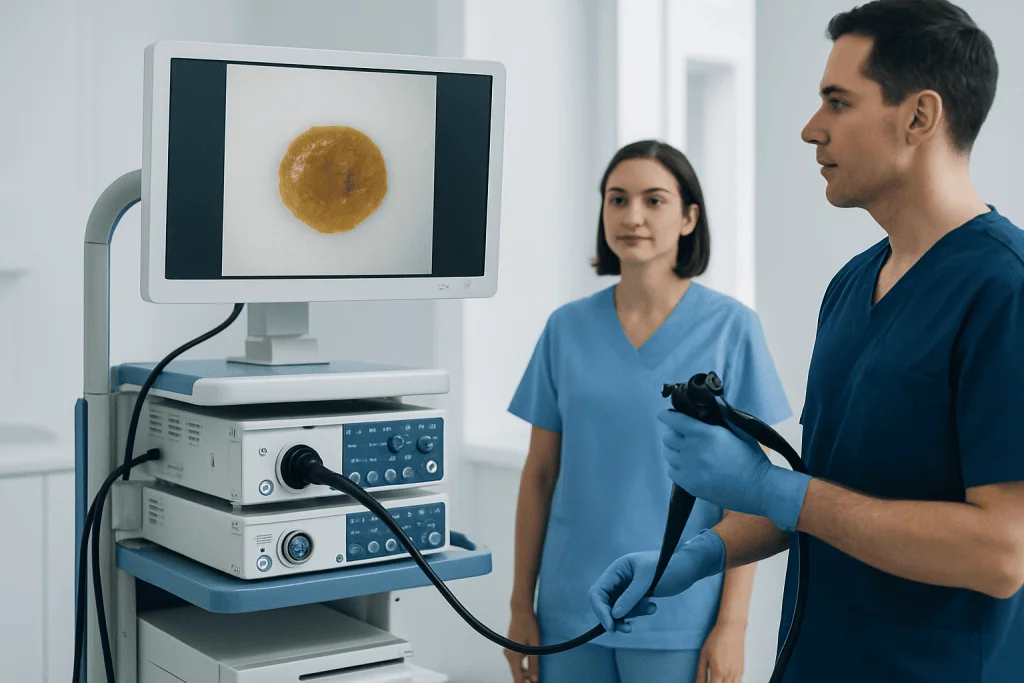
Mucus is a slippery, jelly-like substance. In stool it may appear clear, white, yellowish, or stringy. Some people notice it on toilet paper, coating the stool, or mixed into loose bowel movements. Appearance alone cannot confirm the cause, but it can offer clues.
A small amount of mucus may be seen from time to time, especially after mild digestive upset or temporary constipation. The bowel may produce more mucus when stool passes slowly, when there is brief irritation from a viral illness, or after a short-term change in diet.
Mucus is less likely to be considered normal when it becomes persistent or is associated with other bowel changes. Examples include ongoing diarrhea, new constipation, a sudden need to rush to the bathroom, cramping, rectal pain, blood, nighttime symptoms, or unexplained fatigue.
- Usually less concerning: occasional small amounts, no pain, no blood, no ongoing bowel changes
- More concerning: repeated episodes, larger amounts, blood or pus, severe cramps, fever, dehydration, or weight loss
Common causes of mucus in stool

Many different conditions can lead to mucus in stool, and some are much more common than others. One frequent explanation is irritation of the bowel lining from constipation or diarrhea. Repeated straining, hard stool, or frequent loose stool can all stimulate extra mucus production.
Functional bowel disorders are another common cause. People with irritable bowel syndrome may notice mucus along with bloating, abdominal pain, and changes between diarrhea and constipation. In IBS, mucus can be present without blood or fever, but a doctor should still confirm the diagnosis because other conditions can mimic it.
Infections may also trigger mucus, especially when diarrhea is present. Bacterial, viral, or parasitic infections can inflame the intestines and cause bowel urgency, cramps, fever, and sometimes bloody stool. Foodborne illness may lead to short-term symptoms, but prolonged or severe cases may require testing.
Inflammatory bowel diseases such as Crohn’s disease and ulcerative colitis can produce mucus because the bowel lining is inflamed. These conditions may also cause abdominal pain, diarrhea, blood in stool, fatigue, anemia, and weight loss. Other possible causes include hemorrhoids, anal fissures, proctitis, celiac disease, pelvic radiation effects, and, less commonly, colorectal tumors or polyps.
Symptoms that can help identify the cause
Mucus in stool is best understood by looking at the full symptom picture. Cramping with loose stool may suggest infection or IBS. Mucus with pain during bowel movements or bright red spotting on toilet paper may be related to rectal irritation, fissures, or hemorrhoids. Mucus with chronic diarrhea, fatigue, and weight loss raises concern for inflammatory disease or malabsorption.
Timing also matters. Symptoms lasting only a day or two after dietary changes or a stomach bug may improve with rest and hydration. Symptoms that continue for several weeks, recur often, or slowly worsen deserve medical assessment.
Certain warning signs should not be ignored. These include blood mixed into stool, black stool, persistent vomiting, high fever, signs of dehydration, significant abdominal swelling, severe tenderness, or unintentional weight loss. In children, older adults, pregnant patients, and people with weakened immune systems, evaluation may be needed earlier.
- With diarrhea: infection, food intolerance, inflammatory bowel disease, IBS
- With constipation: straining, rectal irritation, hemorrhoids
- With blood: fissures, hemorrhoids, infection, inflammatory bowel disease, polyps, or cancer
- With weight loss or anemia: chronic inflammation, malabsorption, or more serious bowel disease
How doctors diagnose mucus in stool
Diagnosis starts with a careful medical history and physical examination. A doctor may ask when the mucus began, how often it appears, whether it is clear or bloody, what the stool looks like, and whether there are symptoms such as abdominal pain, fever, urgency, travel exposure, recent antibiotics, or family history of bowel disease.
Basic testing may include stool studies and blood tests. Stool tests can look for infection, inflammation, or hidden blood. Blood work may help identify dehydration, anemia, infection, or inflammatory markers. Depending on symptoms, tests for celiac disease or other digestive disorders may also be considered.
If symptoms are ongoing or concerning, imaging or endoscopic evaluation may be recommended. A specialist may advise colonoscopy to directly examine the colon and rectum and collect tissue samples if needed. Some patients may also need endoscopy or abdominal imaging, especially when symptoms suggest broader digestive tract involvement.
The aim is not only to explain the mucus, but also to find the underlying cause and rule out conditions that need specific treatment. Self-diagnosis can be misleading because harmless causes and significant bowel disorders may overlap in their early symptoms.
Treatment options and what usually helps
There is no single treatment for mucus in stool because treatment depends on why it is happening. If the cause is a short-lived infection, rest, hydration, and time may be enough, although some infections need targeted medication. If constipation is contributing, increasing fluid intake, improving fiber intake gradually, and addressing bowel habits may reduce irritation.
When IBS is involved, management often includes identifying symptom triggers, adjusting diet, reducing stress, and using doctor-guided medicines when appropriate. If an inflammatory condition is found, care may involve medication to reduce bowel inflammation and help the intestine heal. For structural or rectal causes, treatment may focus on the anus and lower bowel rather than the whole digestive system.
Because mucus can be associated with several digestive conditions, some patients are referred for specialist care in gastroenterology. Persistent or severe disease may need a multidisciplinary approach, especially if symptoms affect nutrition, hydration, or quality of life.
It is best not to start repeated over-the-counter treatments without understanding the cause. Anti-diarrheal products, laxatives, or restrictive diets may sometimes mask symptoms or make the pattern harder to interpret. A clinician can help choose the safest plan based on age, overall health, and symptom duration.
Self-care, prevention, and practical daily steps
Not every case of mucus in stool can be prevented, but many episodes related to bowel irritation can be reduced with healthy digestive habits. Adequate hydration helps stool move more comfortably through the intestines. A balanced diet that includes fiber from fruits, vegetables, legumes, and whole grains may support regular bowel movements, though fiber should be increased gradually.
People who notice symptoms after certain foods may benefit from keeping a simple food and symptom diary. Dairy, very fatty meals, alcohol, spicy foods, artificial sweeteners, or highly processed foods may worsen symptoms in some individuals, especially when IBS is present. However, it is important not to eliminate many foods without professional advice.
Good hand hygiene and food safety can lower the risk of infectious diarrhea. This includes washing hands, storing foods correctly, and being cautious with high-risk foods during travel. Regular physical activity and stress management may also support bowel function.
If symptoms keep returning, a doctor may suggest a tailored evaluation rather than repeated trial-and-error. Near the end of the care pathway, some patients may benefit from specialist assessment in advanced centers; Acibadem International’s multidisciplinary specialists and JCI-accredited hospitals evaluate digestive symptoms for international patients when needed.
When to seek medical care
Mucus in stool should be assessed if it lasts more than a few days, returns repeatedly, or is accompanied by a clear change in normal bowel habits. This is especially true if there is ongoing diarrhea, constipation, cramping, bloating, or urgency that is new or worsening.
Prompt medical care is important when mucus appears with blood, black stool, severe abdominal pain, fever, vomiting, signs of dehydration, fainting, or unexplained weight loss. These features do not always mean a serious disease, but they do deserve professional evaluation. Medical attention is also advised sooner for infants, older adults, pregnant people, and those with immune suppression.
If symptoms are persistent, a doctor may recommend further testing and, when appropriate, specialized procedures such as colorectal evaluation and surgery for structural or rectal conditions. Early assessment often makes treatment more straightforward and can provide reassurance when the cause is benign.
Frequently asked questions
Is mucus in stool always a sign of disease?
No. A small amount of mucus can be normal because the intestines naturally produce it to protect and lubricate the bowel lining. It becomes more important when it is persistent, increasing, or associated with symptoms such as pain, diarrhea, blood, fever, or weight loss.
What color of mucus in stool is concerning?
Clear or whitish mucus may sometimes occur without serious illness. Mucus that is bloody, dark, or mixed with pus is more concerning and should be medically assessed, especially if it appears repeatedly or with abdominal pain or fever.
Can irritable bowel syndrome cause mucus in stool?
Yes. Some people with irritable bowel syndrome notice mucus, particularly during symptom flares with cramping, bloating, diarrhea, or constipation. However, IBS should be diagnosed by a clinician because infections, inflammatory bowel disease, and other conditions can cause similar symptoms.
When should someone worry about mucus in stool?
Concern is higher when mucus lasts more than a few days, keeps coming back, or appears with blood, weight loss, dehydration, severe pain, or fever. These symptoms do not automatically mean a serious disease, but they should be evaluated by a qualified doctor.
How is the cause of mucus in stool diagnosed?
Doctors usually begin with questions about bowel habits, diet, recent illness, medicines, travel, and family history. Depending on the symptoms, testing may include stool studies, blood tests, and sometimes colonoscopy or imaging.
Can diet cause mucus in stool?
Diet can contribute indirectly by irritating the bowel or triggering diarrhea, constipation, or food intolerance symptoms. In some people, certain foods may worsen IBS-like symptoms, but persistent mucus should not be blamed on diet alone without medical review.
References
- National Institute of Diabetes and Digestive and Kidney Diseases
- American College of Gastroenterology
- Mayo Clinic
- National Health Service
- Merck Manual Consumer Version
This article is for general information only and is not a substitute for professional medical advice. Please consult a qualified doctor about your individual situation.
Medical weight-loss options in Turkey — costs & eligibility
JCI-accredited · board-certified surgeons · reply within 24h
Add us as a Preferred Source to see more of our trusted health content across Google Search, AI Overviews and Discover.