Musculoskeletal: An Evidence-Based Guide for Patients

The musculoskeletal system includes bones, muscles, joints, tendons, ligaments, cartilage, and connective tissues. Common symptoms include pain, stiffness, swelling, weakness, reduced range of motion, and difficulty with daily activities.
Key Takeaways
- The musculoskeletal system includes bones, muscles, joints, tendons, ligaments, cartilage, and connective tissues.
- Common symptoms include pain, stiffness, swelling, weakness, reduced range of motion, and difficulty with daily activities.
- Causes range from overuse and injury to arthritis, aging, inflammation, posture, and underlying medical conditions.
- Evaluation often includes a medical history, physical examination, and sometimes imaging or blood tests.
- Treatment depends on the cause and may involve rest, exercise, physical therapy, medicines, injections, or surgery.
- Persistent, severe, or sudden symptoms should be assessed by a qualified doctor.
Musculoskeletal health refers to the body’s system of bones, joints, muscles, tendons, ligaments, and related tissues that support movement and posture. Musculoskeletal problems are common and may cause pain, stiffness, swelling, weakness, or limited mobility, but many can be managed effectively with the right diagnosis and treatment.
Overview: what musculoskeletal means
Musculoskeletal refers to the body system that allows structure, support, and movement. It includes bones, joints, muscles, tendons, ligaments, cartilage, and other connective tissues. When people talk about a musculoskeletal problem, they usually mean a condition affecting how the body moves or bears weight, often with pain, stiffness, swelling, weakness, or reduced function.
This is a broad area rather than a single disease. A musculoskeletal issue may be short term, such as a sprain after exercise, or longer lasting, such as osteoarthritis, back pain, or tendon inflammation. Symptoms can affect one area, like a shoulder or knee, or involve multiple body regions.
Understanding musculoskeletal health helps patients recognize when a symptom may improve with simple self-care and when it deserves medical attention. Early assessment can help reduce pain, protect mobility, and support a safe return to daily activities, work, exercise, or sport.
How the musculoskeletal system works
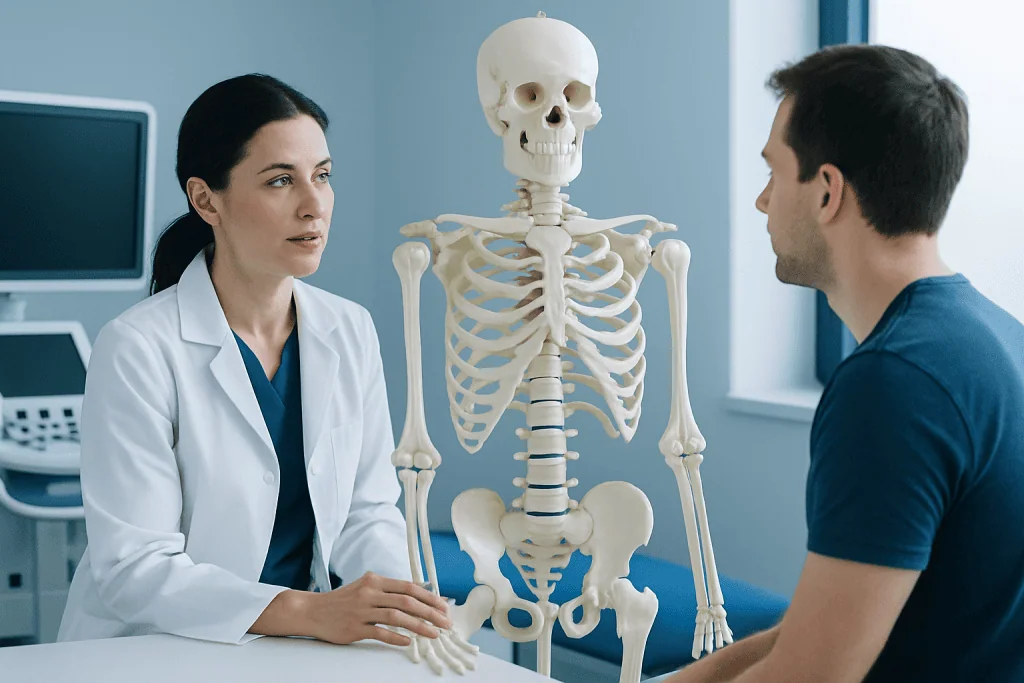
The musculoskeletal system works as an integrated network. Bones provide the frame of the body, while joints allow different parts to move in relation to one another. Muscles create movement by contracting, and tendons connect muscles to bones so force can be transferred. Ligaments connect bone to bone and help stabilize joints.
Cartilage helps cushion and smooth joint surfaces, reducing friction during movement. Other connective tissues, along with nerves and blood vessels, support healing, coordination, and normal function. Because these structures work together, pain in one area may sometimes relate to a problem in another. For example, poor foot mechanics may contribute to knee or hip pain, and muscle weakness around the spine may worsen back symptoms.
Many musculoskeletal complaints arise when one part of this system is overloaded, inflamed, injured, or degenerative. A careful diagnosis aims to identify which tissue is involved and whether the problem is mechanical, inflammatory, traumatic, or related to another medical condition.
Common symptoms and what they can mean
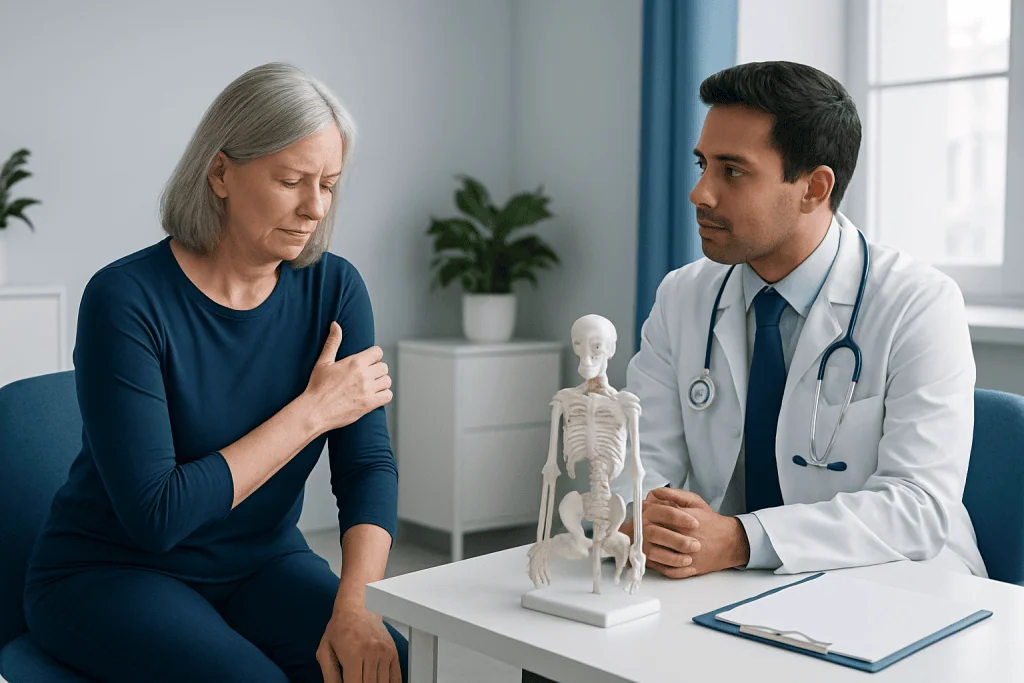
Musculoskeletal symptoms vary depending on the body part and cause. Pain is the most common complaint. It may be sharp, dull, aching, burning, or throbbing. Some people notice stiffness in the morning or after sitting still, while others feel pain mainly with movement, lifting, climbing stairs, or exercise.
Other common symptoms include swelling, tenderness, weakness, cramping, reduced range of motion, joint instability, clicking, or a feeling that a limb is not moving normally. In some cases, symptoms are mild and temporary. In others, they can interfere with walking, dressing, sleeping, work, sports, or household tasks.
Certain patterns can offer clues. Pain after an injury may suggest a strain, sprain, fracture, or dislocation. Gradual pain that worsens with use may relate to overuse or wear-and-tear conditions. Warmth, redness, and significant swelling can suggest inflammation or infection. Widespread aches and fatigue may point to a systemic issue rather than a single local injury.
- Back or neck pain
- Shoulder, elbow, wrist, hip, knee, or ankle pain
- Muscle soreness or weakness
- Joint swelling or stiffness
- Difficulty walking, gripping, lifting, or bending
- Numbness or tingling when nerves are affected
Causes and risk factors
Musculoskeletal problems can develop for many reasons. Acute injuries may happen during falls, sports, road accidents, lifting, or sudden twisting movements. Repetitive strain can build over time from typing, manual work, frequent overhead activity, or training errors. Poor posture, weak supporting muscles, and limited flexibility may also increase mechanical stress on the body.
Age is another important factor. As people get older, cartilage may wear down, bone density can change, and tissues may become less resilient. Conditions such as osteoarthritis become more common with age, while osteoporosis raises the risk of fractures. Inflammatory conditions, including rheumatoid arthritis, can affect joints, tendons, and surrounding tissues at any age.
Other risk factors include obesity, smoking, physical inactivity, previous injury, poorly fitting footwear, certain occupations, and some chronic diseases. Vitamin or hormone-related issues may influence bone and muscle health. Not every symptom has a serious cause, but pain that persists or returns repeatedly should be evaluated so the underlying reason can be addressed.
How musculoskeletal problems are diagnosed
Diagnosis begins with a detailed history. A doctor will usually ask when symptoms began, where they are felt, what makes them better or worse, whether there was an injury, and how symptoms affect everyday life. The timing matters too: pain at rest, night pain, morning stiffness, or symptoms that spread to other areas may suggest different causes.
A physical examination helps identify which structures may be involved. The clinician may assess posture, swelling, tenderness, strength, balance, flexibility, gait, and joint range of motion. Special movement tests can help distinguish muscle, tendon, ligament, bone, joint, or nerve-related problems.
Some patients need further testing. X-rays may help assess fractures, alignment, or arthritis. MRI scans can show soft tissues such as cartilage, ligaments, tendons, discs, and muscles in greater detail. Ultrasound may be useful for certain tendon or joint problems, and blood tests can help look for inflammation, autoimmune disease, infection, or metabolic causes. If back or neck symptoms involve nerve compression, evaluation may overlap with conditions such as a herniated disc.
Treatment options and recovery
Treatment depends on the diagnosis, symptom severity, overall health, and personal goals. Many musculoskeletal problems improve with conservative care. This may include temporary activity modification, ice or heat, over-the-counter or prescribed pain relief, and a structured rehabilitation plan. Exercise is often an important part of treatment because it can restore strength, mobility, and joint support when used appropriately.
Physical therapy and rehabilitation may help reduce pain, improve movement patterns, and lower the chance of repeat injury. Therapists may recommend stretching, strengthening, balance work, posture training, and guided return to activity. For some conditions, braces, orthotics, or supportive taping may be useful for a limited period.
When symptoms are persistent or more advanced, doctors may consider injections or specialized interventions. In selected cases, surgery may be the best option, especially for severe joint damage, unstable injuries, certain fractures, or structural problems that do not improve with non-surgical treatment. For example, patients with advanced joint wear may benefit from knee replacement or hip replacement after careful assessment. Recovery times vary widely, so treatment plans should be individualized and discussed with a qualified specialist.
Prevention and self-care for musculoskeletal health
Good musculoskeletal health is supported by regular movement, balanced muscle strength, flexibility, and safe body mechanics. Daily habits matter. Walking, resistance exercise, stretching, and activities that improve balance can help protect joints and maintain muscle function. It is often better to increase activity gradually rather than doing too much too soon.
Workstation setup, lifting technique, and posture can also make a difference. Supportive footwear may help some people, especially if they stand for long periods or have foot alignment issues. Recovery is important as well: rest days, sleep, hydration, and proper warm-up before activity can reduce strain on the body.
Weight management can lessen stress on weight-bearing joints such as the hips, knees, and spine. Avoiding smoking supports bone and tissue health. Patients with repeated symptoms should avoid self-diagnosing for too long, as ongoing pain may lead to compensation patterns and delayed recovery. Near the end of the care pathway, some international patients choose evaluation at centers such as Acibadem International, where multidisciplinary specialists in JCI-accredited hospitals assess and treat musculoskeletal conditions.
When to seek medical care
Medical advice is appropriate when musculoskeletal pain lasts more than a few days to weeks, keeps returning, or starts to interfere with sleep, work, exercise, or daily function. It is also sensible to seek care if symptoms follow a significant injury, if a joint looks deformed, or if it is difficult to bear weight or move the affected area.
Urgent assessment is important for severe swelling, high fever with joint pain, increasing redness or warmth, sudden weakness, loss of bladder or bowel control, or numbness that spreads or worsens. These signs do not always mean a serious condition, but they should be checked promptly.
Even milder symptoms can benefit from professional guidance when the cause is unclear. A timely diagnosis can help patients avoid unnecessary restriction, return to activity safely, and choose the most appropriate treatment rather than relying on guesswork.
Frequently asked questions
What does musculoskeletal mean?
Musculoskeletal refers to the system made up of bones, joints, muscles, tendons, ligaments, cartilage, and related connective tissues. This system gives the body structure and makes movement possible.
What are the most common musculoskeletal symptoms?
The most common symptoms are pain, stiffness, swelling, weakness, and reduced movement in a joint or muscle. Some people also notice tenderness, instability, cramping, or difficulty walking, lifting, or doing routine tasks.
Can musculoskeletal pain go away on its own?
Yes, some minor strains, sprains, and overuse problems improve with rest, time, and gradual return to activity. However, pain that is severe, persistent, or repeatedly comes back should be assessed by a doctor to identify the cause.
How are musculoskeletal conditions diagnosed?
Diagnosis usually starts with a medical history and physical examination. Depending on the symptoms, a doctor may also recommend imaging such as X-rays or MRI, or blood tests to look for inflammation, infection, or other underlying conditions.
What treatments are used for musculoskeletal disorders?
Treatment depends on the underlying problem. Options may include activity modification, pain relief, physical therapy, supportive devices, injections, and sometimes surgery when conservative care is not enough.
When should someone worry about musculoskeletal symptoms?
Symptoms deserve prompt medical attention if they follow a major injury, prevent weight-bearing, cause marked swelling or deformity, or come with fever, worsening numbness, or sudden weakness. Ongoing symptoms that limit daily life should also be evaluated.
References
- World Health Organization
- National Institute of Arthritis and Musculoskeletal and Skin Diseases
- American Academy of Orthopaedic Surgeons
- Centers for Disease Control and Prevention
- National Health Service
This article is for general information only and is not a substitute for professional medical advice. Please consult a qualified doctor about your individual situation.
Joint and spine care in Turkey — expert assessment & treatment
JCI-accredited · board-certified surgeons · reply within 24h
Add us as a Preferred Source to see more of our trusted health content across Google Search, AI Overviews and Discover.

More from the Health Library


Related Specialists

Prof. Dr. Koptagel İlgün
Internal Medicine
Prof. Dr. Mehmet Ufuk Abacıoğlu
Radiation Oncology
Dr. Fatma Erbay Apaydın
Infectious Diseases & Clinical Microbiology
Assoc. Prof. Dr. Özge Begüm Comba
Ophthalmology