My Blood Sugar Is Over 300 What Should I Do: What Patients Need to Know

A blood sugar reading over 300 mg/dL is significantly high and should be taken seriously. The first steps are usually to confirm the reading, hydrate, and follow the person’s prescribed diabetes action plan.
Key Takeaways
- A blood sugar reading over 300 mg/dL is significantly high and should be taken seriously.
- The first steps are usually to confirm the reading, hydrate, and follow the person’s prescribed diabetes action plan.
- Emergency care is needed if high blood sugar is paired with vomiting, dehydration, drowsiness, confusion, chest pain, or breathing changes.
- Persistent severe hyperglycemia may be linked to missed medication, illness, infection, stress, or problems with insulin delivery.
- Medical review is important if blood sugar remains over 300, happens repeatedly, or if the person is unsure how to correct it safely.
If blood sugar is over 300 mg/dL, the safest next steps are to recheck the reading, drink water, follow the person’s diabetes care plan, and watch closely for symptoms that may need urgent medical care. A reading this high can happen for several reasons, but it should not be ignored—especially if it stays elevated or comes with nausea, vomiting, confusion, trouble breathing, or ketones.
Overview: what a blood sugar over 300 means
When a person thinks, “my blood sugar is over 300 what should I do,” the immediate goal is to stay calm and act step by step. In many cases, the right first actions are to confirm the result, drink water, avoid sugary foods or drinks, and use the personal diabetes care plan given by a doctor. If insulin has been prescribed for correction doses, it should only be used as instructed by the treating clinician.
A blood glucose level over 300 mg/dL usually means marked hyperglycemia. This can happen in people with type 1 diabetes, type 2 diabetes, diabetes during illness, or sometimes in someone who has not yet been diagnosed. It does not always mean an emergency, but it can become one if the level stays high or if symptoms of dehydration or diabetic ketoacidosis develop.
Because home meters and continuous glucose monitors can occasionally give misleading readings, it is sensible to check again. Washing and drying the hands before a finger-stick test can help avoid false elevation from food residue on the skin. If the second reading is still above 300 mg/dL, the person should treat it as a real high value and continue with the next safe steps.
Immediate steps to take at home
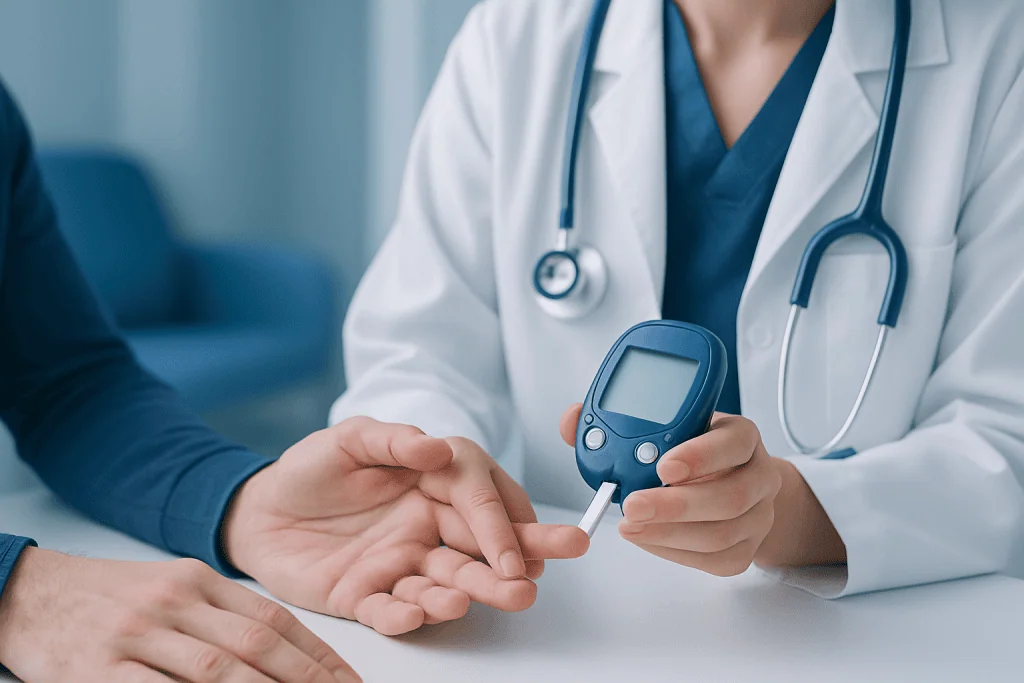
The most practical first step is to repeat the blood sugar check. If a continuous glucose monitor shows a very high reading but the person feels differently than expected, a finger-stick test can help confirm it. If the meter also reads over 300 mg/dL, the result should be taken seriously.
Next, drink water unless a doctor has advised fluid restriction for another condition such as kidney or heart failure. High blood sugar can lead to increased urination and dehydration, and replacing fluids may help the body recover. Strenuous exercise is usually not a good idea when blood sugar is very high, particularly if ketones may be present, because it can sometimes make the situation worse.
If the person uses insulin, they should follow the correction instructions in their diabetes plan exactly as prescribed. If they use an insulin pump, they should consider whether there may be a pump or infusion set problem, such as a kinked tube or dislodged site, and contact their diabetes team if unsure. People who do not use insulin should not borrow insulin from another person or take extra medicine without medical guidance.
If ketone testing has been recommended by the care team, urine or blood ketones should be checked—especially for people with type 1 diabetes, those who are sick, or those with nausea or vomiting. A practical home checklist includes:
- Recheck the glucose reading
- Drink water
- Follow the written diabetes sick-day or correction plan
- Check ketones if advised
- Watch for worsening symptoms
- Call a doctor if the level does not improve or if the person is uncertain what to do
Symptoms that matter and warning signs

High blood sugar often causes increased thirst, frequent urination, dry mouth, fatigue, blurred vision, and headache. Some people also feel weak, sleepy, or unusually irritable. These symptoms may build gradually, especially if glucose has been running high for hours or days.
More concerning symptoms suggest the body may be under significant stress or beginning to develop a dangerous complication. These warning signs include nausea, vomiting, stomach pain, rapid or deep breathing, fruity-smelling breath, dizziness, confusion, fainting, severe weakness, or inability to keep fluids down. In people with type 1 diabetes, these can be signs of diabetic ketoacidosis, often shortened to DKA.
Very high blood sugar can also be serious in people with type 2 diabetes, particularly older adults or those who are ill, because dehydration can become severe. If the person is confused, hard to wake, unable to drink, or has chest pain, they should not wait for the number to come down on its own. The number matters, but the symptoms matter even more.
Why blood sugar can rise this high
There are many reasons blood sugar may rise above 300 mg/dL. Common causes include missed diabetes medication, incorrect insulin dosing, problems with insulin storage, pump malfunction, eating more carbohydrates than usual, or less physical activity. Stress hormones can also raise glucose, even when a person is trying to follow the plan carefully.
Illness is another major trigger. Infections, fever, vomiting, pain, surgery, and emotional stress can all increase blood sugar because the body releases hormones that oppose insulin. Some medicines—such as corticosteroids—may push glucose much higher than expected. In some people, very high readings are the first clue of previously unrecognized diabetes.
Persistent severe hyperglycemia may also signal that the treatment plan needs adjustment. A person may need a review of meal planning, insulin timing, medication adherence, glucose monitoring habits, or screening for another medical issue. If very high readings are happening more than once, it is worth discussing whether a broader diabetes treatment approach is needed.
When to seek medical care
Medical advice should be sought promptly if blood sugar stays over 300 mg/dL despite home treatment, or if the person does not know how to correct it safely. A same-day call to a doctor or diabetes team is also appropriate when high readings happen repeatedly, when ketones are present, or when illness such as fever, diarrhea, or suspected infection is involved.
Urgent or emergency care is needed if there is vomiting, moderate to large ketones, deep or labored breathing, severe abdominal pain, confusion, unusual drowsiness, signs of dehydration, or inability to keep liquids down. Emergency evaluation is also important if the person is pregnant, has type 1 diabetes with persistent severe hyperglycemia, or has another condition that raises risk, such as serious heart or kidney disease.
It can help to bring recent glucose readings, medication details, insulin doses, ketone results, and a list of symptoms to the medical visit. These details help clinicians decide whether the person needs fluids, blood tests, medication adjustment, or treatment for a trigger such as infection. If high blood sugar is part of a broader metabolic problem, evaluation by specialists in endocrinology may be recommended.
How doctors diagnose the cause and assess risk
When a person is evaluated for blood sugar over 300 mg/dL, the medical team usually looks at both the glucose value and the overall clinical picture. The key questions are whether the person is dehydrated, whether ketones or acid buildup are present, and what may have caused the rise. History, physical examination, and review of medications are central parts of this assessment.
Tests may include repeat blood glucose measurement, urine or blood ketones, electrolytes, kidney function, and sometimes blood gases to check for acidosis. If infection is suspected, a clinician may order additional tests based on symptoms, such as urine testing or chest imaging. An A1C test may also be used to understand average blood sugar control over the previous few months.
For people with recurring highs, the care team may review injection technique, insulin timing, pump settings, meal patterns, and glucose-monitor trends. This can help distinguish a one-time problem from a pattern that needs a treatment change. In some cases, assessment may overlap with care for related endocrine conditions, including type 2 diabetes.
Treatment options and longer-term prevention
Treatment depends on the cause, the severity of symptoms, and whether complications are present. At home, treatment may involve hydration, careful glucose monitoring, and prescribed correction insulin. In a clinic or hospital, treatment may include intravenous fluids, electrolyte replacement, insulin, and care for the underlying trigger such as infection or medication-related imbalance.
Longer-term prevention focuses on reducing the chance of another severe high. Many people benefit from a written sick-day plan that explains when to check glucose more often, when to test for ketones, how to adjust medicines, and when to call for help. Reviewing meal planning, medication timing, and how devices are used can also reduce repeat episodes.
People with frequent severe highs may need a more tailored management plan, which can include education, glucose-monitoring technology, medication review, or specialist follow-up. For selected patients, clinicians may discuss options such as insulin pump support or a more structured diabetes education program. Near the end of the care journey, some international patients choose centers such as Acibadem International, where multidisciplinary specialists in JCI-accredited hospitals evaluate and treat diabetes-related problems.
Even when a person feels better after the number comes down, follow-up still matters. Recurrent highs can increase the risk of complications over time and may be a sign that the current plan is no longer the right fit. Timely review can improve safety and day-to-day confidence.
Frequently asked questions
Is blood sugar over 300 always an emergency?
Not always, but it is always important. A reading over 300 mg/dL should prompt immediate self-check steps and close monitoring, and it becomes urgent if symptoms such as vomiting, confusion, dehydration, or breathing changes appear.
What should a person do first if blood sugar is over 300?
The first steps are usually to confirm the reading, drink water, and follow the diabetes action plan given by the healthcare team. If ketone testing has been recommended, it should be done, especially in type 1 diabetes or during illness.
Should exercise be used to lower blood sugar over 300?
Not necessarily. When blood sugar is very high, especially if ketones may be present, exercise can sometimes make the situation worse. It is safer to follow medical guidance, hydrate, and avoid strenuous activity unless a clinician has advised otherwise.
Can a person go to sleep with blood sugar over 300?
Sleeping with severely high blood sugar is not ideal because the level may remain high or worsen overnight. The person should recheck the reading, treat it according to the care plan, and seek medical advice if it is not improving or if symptoms are present.
What symptoms suggest diabetic ketoacidosis?
Symptoms can include nausea, vomiting, stomach pain, deep or rapid breathing, fruity-smelling breath, marked thirst, and unusual sleepiness or confusion. These symptoms need urgent medical attention, especially in people with type 1 diabetes.
Why does blood sugar go over 300 even when someone is trying to manage diabetes?
Illness, infection, stress, steroid medicines, missed doses, device problems, and changes in food or activity can all raise blood sugar sharply. Sometimes repeated severe highs mean the treatment plan needs review and adjustment.
References
- American Diabetes Association
- Centers for Disease Control and Prevention
- National Institute of Diabetes and Digestive and Kidney Diseases
- Mayo Clinic
- International Diabetes Federation
This article is for general information only and is not a substitute for professional medical advice. Please consult a qualified doctor about your individual situation.
Persistent digestive symptoms? Get evaluated in Turkey
JCI-accredited · board-certified surgeons · reply within 24h
Add us as a Preferred Source to see more of our trusted health content across Google Search, AI Overviews and Discover.

More from the Health Library



Related Specialists

Fzt. Gülşen Küçükdemirbaş
Physical Medicine & Rehabilitation
Dr. Hande Simten Demirel Kaya
Anesthesiology
Prof. Dr. E. Levent Elemen
Pediatric Surgery
Dr. Emin Ayan
Radiology