Myasthenia Gravis vs Motor Neuron Disease: How Doctors Tell Them Apart

Myasthenia gravis usually causes fluctuating weakness that often worsens with activity and improves with rest. Motor neuron disease more often causes steadily progressive weakness with muscle wasting, twitching, and overactive reflexes.
Key Takeaways
- Myasthenia gravis usually causes fluctuating weakness that often worsens with activity and improves with rest.
- Motor neuron disease more often causes steadily progressive weakness with muscle wasting, twitching, and overactive reflexes.
- Eye symptoms such as drooping eyelids and double vision are common in myasthenia gravis and less typical in motor neuron disease.
- Diagnosis may involve neurological examination, antibody blood tests, EMG studies, breathing assessment, and imaging.
- Because treatments and outlook differ, early specialist evaluation is important when unexplained weakness develops.
Myasthenia gravis and motor neuron disease can both cause muscle weakness, but they affect the body in different ways. Doctors tell them apart by looking closely at symptom patterns, examining the nervous system, and using targeted tests such as blood work, nerve studies, and imaging.
Overview: why these conditions are compared
Myasthenia gravis and motor neuron disease are different neurological conditions, but they can sometimes seem similar at first because both may cause weakness, fatigue with daily activities, speech changes, swallowing difficulty, or shortness of breath. For patients and families, this overlap can be confusing, especially when symptoms begin gradually.
The key difference is where the problem happens. In myasthenia gravis, the immune system disrupts communication between nerves and muscles at the neuromuscular junction. In motor neuron disease, the nerve cells that control voluntary movement become damaged over time. Because the underlying mechanism is different, the pattern of weakness, the physical examination findings, and the treatment approach are also different.
Doctors do not rely on a single symptom alone. They look at how weakness behaves over the day, which muscle groups are affected first, whether there are eye symptoms, whether reflexes are reduced or brisk, and whether muscles are shrinking or twitching. This careful clinical picture guides further testing.
Accurate distinction matters. Myasthenia gravis is often treatable with medicines and other therapies that improve nerve-muscle signaling or calm the immune system. Motor neuron disease requires a different plan focused on diagnosis confirmation, symptom control, breathing and nutrition support, and long-term multidisciplinary care.
Symptoms: how the weakness tends to look and feel
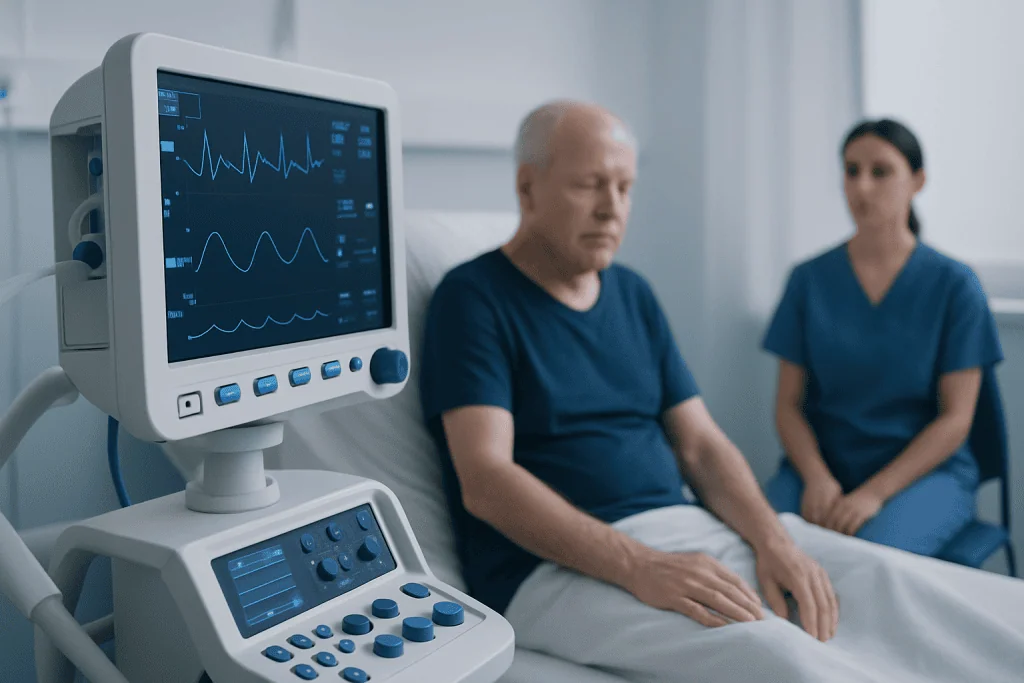
In myasthenia gravis, weakness typically fluctuates. A person may feel stronger in the morning and weaker later in the day, or symptoms may become more noticeable after repeated use of a muscle group. Common early features include drooping eyelids, double vision, difficulty chewing tougher foods, a nasal or soft voice, head drop, and trouble climbing stairs or lifting the arms.
Motor neuron disease usually causes weakness that is more steadily progressive rather than clearly better after rest. It may begin in one limb, with hand clumsiness, foot drop, or difficulty turning keys, buttoning clothes, or walking. In some people, it starts with bulbar symptoms such as slurred speech or swallowing problems. Muscle cramps, twitching known as fasciculations, stiffness, and visible muscle wasting are more suggestive of motor neuron disease.
Eye muscle involvement is an important clue. Double vision and eyelid drooping are common in myasthenia gravis, while they are not typical features of classic motor neuron disease. On the other hand, brisk reflexes, spasticity, and a combination of muscle wasting with overactive reflexes point more toward motor neuron disease.
- More typical of myasthenia gravis: fluctuating weakness, fatigability, drooping eyelids, double vision, improvement with rest
- More typical of motor neuron disease: progressive weakness, muscle wasting, twitching, stiffness, brisk reflexes
- Can happen in both: speech difficulty, swallowing trouble, neck weakness, breathing symptoms
Causes and risk factors: different disease mechanisms

Myasthenia gravis is an autoimmune condition. The body makes antibodies that interfere with the normal transmission of signals from nerves to muscles. This disruption can involve antibodies to acetylcholine receptors or other proteins at the neuromuscular junction. Some patients also have changes in the thymus gland, including enlargement or a thymoma.
Motor neuron disease is a broader term that includes disorders such as amyotrophic lateral sclerosis. In these conditions, the upper and lower motor neurons gradually degenerate. The exact cause is often not fully known, although genetics, environmental influences, and complex cellular processes may play a role in some cases. Most cases are sporadic, while a smaller proportion are inherited.
Because their mechanisms differ, the associated clues differ as well. Myasthenia gravis may coexist with other autoimmune disorders, and symptoms can worsen with infections, stress, overheating, or certain medicines. Motor neuron disease is not caused by overuse of muscles, and it is not simply a form of normal aging.
Doctors also consider other conditions that can mimic either disorder. These include multiple sclerosis, stroke, peripheral neuropathy, muscle diseases, structural spine disorders, and other problems affecting speech or swallowing. That is why diagnosis should be based on a full neurological assessment rather than assumptions from one symptom alone.
How doctors examine and test for the difference
The diagnostic process begins with a detailed history and neurological examination. Doctors ask when weakness started, whether it fluctuates, whether eye symptoms are present, how speech and swallowing have changed, and whether breathing feels affected. During the examination, they assess muscle strength, fatigue with repeated movements, reflexes, muscle tone, coordination, visible wasting, and fasciculations.
Blood tests are especially useful when myasthenia gravis is suspected. Antibody testing may identify immune markers linked to the condition. Doctors may also order chest imaging to look at the thymus. If eye or bulbar symptoms are prominent, these findings can strongly support the diagnosis when combined with examination results.
Electrodiagnostic testing helps separate the two conditions. Repetitive nerve stimulation and single-fiber EMG can show a neuromuscular junction transmission problem, which supports myasthenia gravis. Standard EMG and nerve conduction studies can show patterns of denervation and reinnervation that support motor neuron disease while helping exclude neuropathy or myopathy.
Imaging and other supportive tests may also be needed. MRI of the brain or spine can help rule out structural or inflammatory causes of weakness. Pulmonary function testing may be used in either condition when breathing muscles are involved. In complex cases, referral to a neuromuscular specialist provides the most precise interpretation of the symptom pattern and test findings.
Key clues that help doctors tell them apart
Doctors often distinguish these conditions by putting several clues together rather than searching for one definitive sign. A person with drooping eyelids, double vision, chewing fatigue, and weakness that varies through the day is more likely to have myasthenia gravis. A person with steadily worsening limb weakness, visible muscle loss, twitching, and brisk reflexes is more likely to have motor neuron disease.
The tempo of illness is another important clue. Myasthenia gravis can fluctuate from hour to hour or day to day, especially early on. Motor neuron disease usually follows a gradual but persistent progression over months. Rest often helps symptoms of myasthenia gravis, but it does not typically reverse the weakness of motor neuron disease.
Examination findings are especially informative. Normal sensation is common in both disorders, which can make them different from neuropathies. However, reflexes are often normal in myasthenia gravis, while motor neuron disease may show both upper motor neuron signs such as brisk reflexes and lower motor neuron signs such as wasting and fasciculations.
Breathing and swallowing need careful attention in both conditions. Either disorder can affect muscles involved in speech, swallowing, and respiration, and symptoms in these areas should be assessed promptly. The difference is that in myasthenia gravis these problems may worsen with exertion and fluctuate, while in motor neuron disease they tend to become progressively more persistent.
Treatment options and why an accurate diagnosis matters
Treatment depends entirely on the correct diagnosis. In myasthenia gravis, care may include medicines that improve communication at the neuromuscular junction, immunosuppressive treatment, short-term therapies for flare-ups, and in selected patients, surgery involving the thymus. Patients with severe weakness may need urgent hospital care, especially if breathing or swallowing becomes unsafe. For readers seeking an overview of myasthenia gravis treatment, management is usually individualized based on symptom severity and antibody status.
Motor neuron disease treatment focuses on slowing disease progression when possible, maintaining function, and supporting quality of life. This may involve medication, physical therapy, speech and language therapy, respiratory support, nutritional guidance, and assistive devices. Multidisciplinary follow-up is central because needs can change over time. In some cases, doctors may discuss supportive options such as physical therapy and rehabilitation and respiratory monitoring.
When swallowing or speech is affected, evaluation by specialized teams can help reduce complications and preserve communication. If breathing muscles become weak, noninvasive respiratory support and close monitoring may be recommended. Some patients also benefit from structured neurological rehabilitation to maintain mobility, safety, and independence as much as possible.
Because these conditions can overlap with other neuromuscular disorders, specialists may compare them with illnesses such as amyotrophic lateral sclerosis (ALS). Near the end of the diagnostic journey, some international patients choose centers such as Acibadem International, where multidisciplinary specialists in JCI-accredited hospitals evaluate and treat complex neuromuscular conditions.
Living with symptoms: self-care and day-to-day support
While medical treatment is essential, practical self-care also matters. People with fluctuating weakness often benefit from planning demanding tasks for times of day when energy is better, taking regular breaks, and avoiding overheating. Eating softer foods, taking smaller bites, and sitting upright during meals can help if chewing or swallowing is tiring.
Safety should be part of everyday planning. Weakness can increase the risk of falls, choking, and exhaustion. Simple steps such as using handrails, improving home lighting, wearing supportive footwear, and asking for help with difficult tasks can reduce strain. If speech becomes hard to understand, communication aids or speech therapy may be helpful.
Monitoring symptoms and triggers can support the medical team. Patients may keep a record of when weakness occurs, whether it improves with rest, what muscles are involved, and whether symptoms changed after infection, missed sleep, or new medication. This timeline can be especially useful when doctors are still deciding between diagnoses.
Emotional support is also important. Uncertainty during diagnosis can be stressful, and both conditions can affect work, family life, and confidence. Support groups, counseling, and clear communication with clinicians can help patients and caregivers feel more informed and less overwhelmed.
When to see a doctor urgently
Any new, unexplained muscle weakness should be assessed by a doctor, especially if it is affecting daily activities. Evaluation is particularly important when weakness is accompanied by drooping eyelids, double vision, slurred speech, repeated choking, muscle wasting, twitching, or increasing difficulty walking.
Urgent medical attention is needed if there is shortness of breath, inability to swallow safely, severe choking, rapidly worsening speech, or weakness that is progressing quickly. These symptoms may signal involvement of the breathing or bulbar muscles and should not be ignored.
It is also important to seek review if symptoms are changing after a new medicine, infection, or surgery, since these can worsen myasthenia gravis or uncover another neurological problem. Early assessment often leads to earlier treatment, safer monitoring, and better planning.
A neurologist, and especially a neuromuscular specialist, is often best placed to distinguish between myasthenia gravis, motor neuron disease, and other causes of weakness. Prompt diagnosis can reduce uncertainty and make sure the patient receives the most appropriate care pathway.
Frequently asked questions
Can myasthenia gravis be mistaken for motor neuron disease?
Yes. Both conditions can cause weakness, speech changes, swallowing difficulty, and breathing symptoms. Doctors separate them by looking at the pattern of weakness, examination findings, and specialized tests such as antibody studies and EMG.
What symptom most strongly suggests myasthenia gravis?
Fluctuating weakness is one of the strongest clues. Drooping eyelids and double vision, especially when they worsen with activity and improve with rest, are also very suggestive of myasthenia gravis.
Do both conditions affect the eyes?
Eye symptoms are common in myasthenia gravis and may be the first sign. In classic motor neuron disease, double vision and eyelid drooping are much less typical, so their presence often pushes doctors to consider myasthenia gravis or another diagnosis.
Is EMG useful for distinguishing the two?
Yes. Different types of electrodiagnostic testing can show whether the problem is at the neuromuscular junction, which supports myasthenia gravis, or in the motor neurons and muscles they supply, which supports motor neuron disease. EMG results are interpreted together with symptoms and examination findings.
Can breathing problems happen in both myasthenia gravis and motor neuron disease?
Yes. Both conditions can weaken respiratory muscles, although the pattern may differ. Any shortness of breath, trouble clearing secretions, or worsening swallowing should be assessed urgently.
Are these conditions treated the same way?
No. Myasthenia gravis is often treated with medicines that improve nerve-muscle signaling or reduce the immune attack, while motor neuron disease care focuses on symptom management, respiratory and nutrition support, rehabilitation, and multidisciplinary follow-up. This is why a correct diagnosis is so important.
References
- World Health Organization
- National Institute of Neurological Disorders and Stroke
- National Health Service
- Muscular Dystrophy Association
- Mayo Clinic
This article is for general information only and is not a substitute for professional medical advice. Please consult a qualified doctor about your individual situation.
Motor Neuron Disease in Turkey — costs, top hospitals & a free quote
JCI-accredited · board-certified surgeons · reply within 24h
Add us as a Preferred Source to see more of our trusted health content across Google Search, AI Overviews and Discover.

Physical Medicine & Rehabilitation
Restoring movement and function after injury, surgery or neurological conditions.
152 specialists in this unit