Narcolepsy vs Idiopathic Hypersomnia: How Sleep Specialists Tell the Difference

Both conditions can cause disabling daytime sleepiness, but narcolepsy is more strongly linked with REM sleep features such as cataplexy, sleep paralysis, and vivid hallucinations. Idiopathic hypersomnia often causes long, unrefreshing sleep, severe sleep inertia, and difficulty waking, sometimes despite sleeping many hours.
Key Takeaways
- Both conditions can cause disabling daytime sleepiness, but narcolepsy is more strongly linked with REM sleep features such as cataplexy, sleep paralysis, and vivid hallucinations.
- Idiopathic hypersomnia often causes long, unrefreshing sleep, severe sleep inertia, and difficulty waking, sometimes despite sleeping many hours.
- Diagnosis usually requires an overnight polysomnography followed by a Multiple Sleep Latency Test, and sometimes actigraphy or extended sleep monitoring.
- Before testing, doctors must consider insufficient sleep, sleep apnea, circadian rhythm disorders, medications, depression, and other medical causes of sleepiness.
- Treatment is individualized and may include structured sleep habits, safety planning, wake-promoting medicines, and condition-specific therapies.
Narcolepsy and idiopathic hypersomnia are central disorders of hypersomnolence, meaning they cause excessive sleepiness due to how the brain regulates sleep and wakefulness. Sleep specialists distinguish them by reviewing symptoms, excluding other causes, and using overnight and daytime sleep testing.
Overview
Narcolepsy and idiopathic hypersomnia are sleep-wake disorders in which a person feels excessively sleepy during the day even when they appear to get enough sleep. They are called central disorders of hypersomnolence because the problem is not simply poor sleep habits; it involves the brain systems that help regulate alertness, rapid eye movement sleep, and the ability to wake fully.
The phrase Narcolepsy vs Idiopathic Hypersomnia can be confusing because the two conditions overlap. A person with either disorder may struggle to stay awake in class, at work, while reading, during meetings, or as a passenger in a car. Both can affect memory, mood, attention, driving safety, and quality of life. However, sleep specialists look for specific patterns that point more toward one diagnosis than the other.
Narcolepsy is typically divided into type 1 and type 2. Type 1 narcolepsy includes cataplexy, which is a sudden brief loss of muscle tone triggered by emotion, or low levels of the brain chemical hypocretin when measured in cerebrospinal fluid. Type 2 narcolepsy has similar daytime sleepiness and sleep test findings but does not include cataplexy. Idiopathic hypersomnia means persistent sleepiness for which no other cause is found, often with long sleep duration and difficulty waking.
Symptoms Sleep Specialists Compare
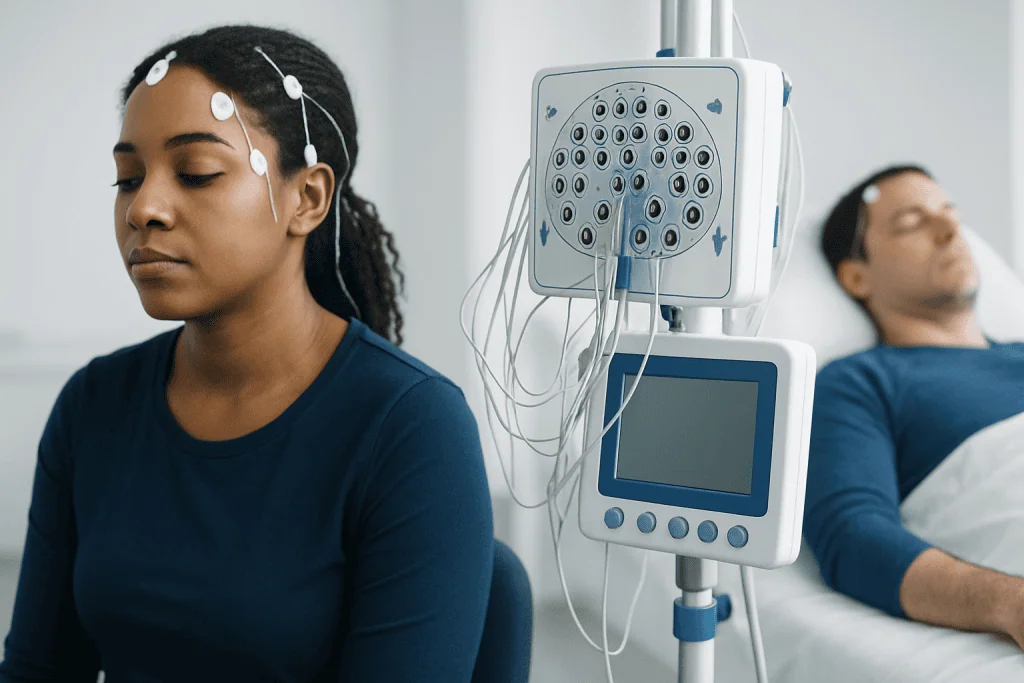
The main shared symptom is excessive daytime sleepiness. People may describe an irresistible need to sleep, repeated naps, reduced concentration, or feeling as if they are functioning through a fog. The difference is often in the character of the sleepiness, the timing of naps, and whether REM-sleep features are present.
In narcolepsy, naps are often short and may feel refreshing, at least temporarily. Sleep may feel fragmented at night, with frequent awakenings. REM-related symptoms are common, especially in narcolepsy type 1. These can include sleep paralysis, vivid dream-like hallucinations when falling asleep or waking, and cataplexy. Cataplexy may be subtle, such as drooping eyelids, jaw slackening, head nodding, or knee weakness during laughter, surprise, or excitement.
Idiopathic hypersomnia often feels different. Many patients report sleeping for a long time yet waking unrefreshed. Naps may be long and not restorative. A key clue is sleep inertia, sometimes called sleep drunkenness, in which waking is extremely difficult and the person may feel confused, slow, or physically heavy for a prolonged period. Some people need repeated alarms or assistance from another person to wake up.
- More suggestive of narcolepsy: cataplexy, short refreshing naps, REM hallucinations, sleep paralysis, disrupted nighttime sleep.
- More suggestive of idiopathic hypersomnia: long sleep time, severe difficulty waking, prolonged unrefreshing naps, persistent brain fog.
- Seen in both: daytime sleepiness, attention problems, accidental dozing, mood effects, and safety concerns with driving or machinery.
Causes and Risk Factors

Narcolepsy type 1 is strongly associated with loss of hypocretin, also called orexin, a brain chemical that supports wakefulness and stable transitions between sleep and wake. In many cases, experts believe an immune-mediated process may damage the hypocretin-producing cells, although the exact trigger is not always clear. Genetics can influence susceptibility, but narcolepsy is not usually inherited in a simple predictable pattern.
Narcolepsy type 2 is less fully understood. People with type 2 do not have cataplexy, and hypocretin levels are usually normal if tested. Some patients diagnosed with type 2 may later be reclassified if symptoms evolve, if cataplexy appears, or if repeat testing supports another explanation. This is one reason ongoing follow-up with a sleep specialist is helpful.
Idiopathic hypersomnia has no single known cause, which is reflected in the word idiopathic. Research suggests that some people may have differences in brain arousal systems, sleep-wake regulation, or neurochemical signaling. It is not caused by laziness or lack of motivation. Symptoms often begin in adolescence or young adulthood, but the condition can be recognized later if sleepiness has been attributed to lifestyle, stress, or mood for many years.
Before diagnosing either disorder, doctors consider other common causes of sleepiness. These include chronic insufficient sleep, obstructive sleep apnea, restless legs syndrome, periodic limb movements, circadian rhythm disorders, sedating medications, alcohol or substance use, thyroid disease, anemia, depression, and other neurologic or medical conditions. A careful review prevents misdiagnosis and helps ensure the treatment plan addresses the true cause.
Diagnosis: History, Sleep Logs, and Objective Testing
Diagnosis begins with a detailed sleep history. The specialist asks about bedtime and wake time, total sleep duration, naps, work or school schedules, shift work, snoring, breathing pauses, leg movements, medications, caffeine, alcohol, and mental health symptoms. They also ask about cataplexy because patients may not realize that brief weakness with laughter or emotion is medically important.
Sleep diaries and actigraphy are often used before formal testing. A sleep diary records sleep and wake times over one to two weeks. Actigraphy uses a wrist-worn device to estimate rest and activity patterns. These tools help show whether the person is truly allowing enough sleep and whether a delayed or irregular circadian rhythm could explain the sleepiness.
The standard laboratory evaluation usually includes overnight polysomnography followed the next day by a Multiple Sleep Latency Test, commonly called an MSLT. Polysomnography records brain waves, oxygen levels, breathing, heart rhythm, eye movements, muscle tone, and limb movements. It helps rule out sleep apnea and other sleep-disrupting conditions before the daytime nap test. The MSLT then measures how quickly a person falls asleep across scheduled nap opportunities and whether REM sleep appears unusually quickly.
In a comprehensive neurological sleep medicine evaluation, doctors interpret test results together with the clinical story. The numbers matter, but they are not the only factor. Poor sleep before the test, medication effects, untreated sleep apnea, recent shift work, and abrupt stopping of certain medicines can all distort results. For that reason, preparation for testing is carefully planned.
How the Sleep Tests Separate Narcolepsy from Idiopathic Hypersomnia
The MSLT is one of the main tools used to distinguish the two disorders. In both narcolepsy and idiopathic hypersomnia, the average time to fall asleep may be short, often reflecting strong daytime sleep pressure. The key difference is the presence or absence of sleep-onset REM periods. A sleep-onset REM period means REM sleep begins very soon after falling asleep, which is characteristic of narcolepsy.
For narcolepsy, specialists look for excessive daytime sleepiness plus a typical MSLT pattern: a short mean sleep latency and two or more sleep-onset REM periods, sometimes including a REM period during the preceding overnight study. In narcolepsy type 1, clear cataplexy or low hypocretin levels can confirm the diagnosis even when testing is complex. Evaluation and management may be coordinated through dedicated narcolepsy care when symptoms and sleep study findings support the diagnosis.
In idiopathic hypersomnia, the MSLT may show a short sleep latency but fewer than two sleep-onset REM periods. Some patients with idiopathic hypersomnia do not fall asleep as quickly on the MSLT despite feeling very impaired, particularly if their main problem is prolonged sleep duration and severe sleep inertia. In those cases, extended sleep measurement may be helpful. This can include 24-hour polysomnography or several days of actigraphy with sleep logs to document very long total sleep time.
Doctors sometimes use additional tests in selected cases. Cerebrospinal fluid hypocretin testing may be considered when narcolepsy type 1 is suspected but the picture is unclear. Blood tests may help rule out medical contributors to fatigue or sleepiness. Neurophysiologic assessment, including formal neurophysiology testing when appropriate, may be used if symptoms suggest seizures, unusual movement events, or another neurologic condition rather than a primary sleep-wake disorder.
Treatment Options
Treatment is individualized because symptoms, work demands, school needs, medical history, and medication tolerance vary from person to person. The goal is not only to reduce sleepiness, but also to improve safe daily functioning, emotional well-being, and long-term routines. People with either condition often benefit from education, structured planning, and practical accommodations.
Behavioral strategies are important, although they usually do not fully control symptoms on their own. Regular sleep and wake times, adequate sleep opportunity, limiting alcohol and sedating substances, and planning demanding tasks during the most alert part of the day can help. In narcolepsy, brief scheduled naps may be very useful. In idiopathic hypersomnia, naps are often less refreshing, so the plan may focus more on protected nighttime sleep, wake-up routines, light exposure, and reducing sleep inertia.
Medicines may be recommended when symptoms remain disruptive. Wake-promoting medications or stimulants can help reduce daytime sleepiness in both conditions. For narcolepsy, certain treatments also target cataplexy, sleep paralysis, hallucinations, and disrupted nighttime sleep. Oxybate-based therapies may be considered for selected patients with narcolepsy and, in some regions, for idiopathic hypersomnia. Antidepressant medications are sometimes used to reduce cataplexy or other REM-related symptoms, depending on the patient and local approvals.
Medication choices should always be made by a qualified physician, especially because some treatments can affect blood pressure, mood, sleep quality, pregnancy planning, other medicines, or driving recommendations. Follow-up is important to adjust therapy, monitor side effects, and reassess the diagnosis if symptoms change. A multidisciplinary approach may include sleep medicine, neurology, psychiatry or psychology, primary care, and occupational or school support when needed.
Prevention, Self-Care, and Daily Safety
Narcolepsy and idiopathic hypersomnia are not usually preventable in the way that some lifestyle-related conditions may be. However, good self-care can reduce the burden of symptoms and help treatments work more reliably. A consistent schedule, enough time in bed, morning light exposure, and a calm wind-down routine can support the body clock and reduce additional sleep deprivation.
Safety planning is essential and should be discussed without blame. People with untreated or poorly controlled sleepiness may be at increased risk when driving, operating machinery, swimming alone, cooking with open flames, or working at heights. The safest plan depends on symptom severity and local regulations. Some patients need to avoid driving until sleepiness is controlled, while others may use planned naps, medication timing, and route planning under medical guidance.
Workplace or school adjustments can be helpful. These may include flexible scheduling, permission for planned rest breaks, recorded lectures, written instructions, or avoiding safety-sensitive tasks during low-alertness periods. Family members and colleagues may better understand the condition when they learn that excessive sleepiness is a neurologic symptom, not a character flaw.
People receiving care at Acibadem International can be evaluated by multidisciplinary specialists in JCI-accredited hospitals, including neurology and sleep medicine teams experienced in diagnosing and treating hypersomnolence disorders for international patients. This type of coordinated care can be especially useful when previous testing has been inconclusive or when symptoms overlap with other neurologic or psychological conditions.
When to See a Doctor
A person should seek medical advice if daytime sleepiness persists despite adequate sleep, interferes with school or work, causes accidental dozing, or creates safety concerns. Medical evaluation is also important if a person has vivid hallucinations around sleep, sleep paralysis, sudden weakness triggered by laughter or emotion, or extreme difficulty waking that disrupts daily life.
It is helpful to prepare for the appointment by writing down sleep and wake times, nap patterns, caffeine use, medications, snoring or breathing symptoms, and examples of sleepiness during the day. If possible, a bed partner or family member can provide observations about breathing pauses, restless sleep, unusual behaviors, or difficulty waking. Bringing previous sleep study reports can prevent repeated testing when results are already available.
Urgent medical attention is needed if sleepiness appears suddenly with confusion, weakness on one side, severe headache, fainting, seizure-like episodes, chest pain, or breathing difficulty. These symptoms are not typical of stable narcolepsy or idiopathic hypersomnia and may signal another condition. For most people, however, evaluation can be scheduled with a sleep specialist or neurologist, and effective management options are available.
Frequently asked questions
Can idiopathic hypersomnia turn into narcolepsy?
Idiopathic hypersomnia does not usually turn into narcolepsy, but diagnosis can change if new symptoms appear or repeat testing shows a different pattern. For example, the later development of cataplexy strongly suggests narcolepsy type 1. Sleep specialists may reassess the diagnosis over time if the clinical picture evolves.
Is cataplexy always obvious in narcolepsy?
No. Cataplexy can be dramatic, but it can also be subtle, such as brief facial weakness, jaw dropping, head nodding, or knee buckling during laughter. Because people may not recognize these episodes as medical symptoms, doctors ask detailed questions about emotion-triggered weakness.
Why is an overnight sleep study needed before the MSLT?
The overnight study checks for other problems that can cause sleepiness, such as obstructive sleep apnea, poor sleep quality, or abnormal movements during sleep. It also confirms that the person had enough sleep before the daytime nap test. Without this step, MSLT results may be misleading.
Can someone have normal sleep test results and still feel very sleepy?
Yes. Sleepiness can be influenced by sleep duration, circadian rhythm, medications, mood disorders, medical conditions, and test preparation. Some people with idiopathic hypersomnia may need extended sleep monitoring if a standard MSLT does not capture their main symptom pattern.
Are naps helpful for both narcolepsy and idiopathic hypersomnia?
Naps are often more helpful in narcolepsy, where short planned naps may temporarily improve alertness. In idiopathic hypersomnia, naps may be long and unrefreshing, and waking from them can be difficult. A sleep specialist can help design a schedule that fits the diagnosis and daily responsibilities.
Are these conditions psychological?
Narcolepsy and idiopathic hypersomnia are recognized sleep-wake disorders, not signs of laziness or weak motivation. They can affect mood and concentration, and mood disorders can also worsen sleepiness, so a complete evaluation may include mental health screening. Treating both sleep and emotional health often leads to better functioning.
References
- American Academy of Sleep Medicine
- International Classification of Sleep Disorders
- National Institute of Neurological Disorders and Stroke
- Sleep Foundation
- European Sleep Research Society
This article is for general information only and is not a substitute for professional medical advice. Please consult a qualified doctor about your individual situation.
Narcolepsy in Turkey — costs, top hospitals & a free quote
JCI-accredited · board-certified surgeons · reply within 24h