

Nasal Polyps: A Complete Medical Overview

Nasal polyps are benign growths linked to chronic inflammation in the nose and sinuses. Common symptoms include nasal blockage, reduced sense of smell, facial pressure, and postnasal drip.
Key Takeaways
- Nasal polyps are benign growths linked to chronic inflammation in the nose and sinuses.
- Common symptoms include nasal blockage, reduced sense of smell, facial pressure, and postnasal drip.
- Doctors diagnose nasal polyps based on symptoms, nasal examination, and sometimes imaging or allergy testing.
- Treatment often starts with nasal steroid sprays, saline rinses, and managing related conditions such as allergies or sinusitis.
- Surgery can help when medicines do not control symptoms, but follow-up care is important because polyps can come back.
Nasal polyps are soft, noncancerous growths that develop in the lining of the nose or sinuses, usually because of ongoing inflammation. They are often treatable with medication, and some people may need a procedure if symptoms persist or return.
Overview
Nasal polyps are soft, painless, noncancerous growths that form on the lining of the nose or the paranasal sinuses. They usually develop when the tissue inside the nose remains inflamed for a long time. Small polyps may cause few or no symptoms, while larger or multiple polyps can block airflow and drainage.
People often notice nasal polyps because of ongoing congestion that does not seem to improve, even after treatment for a cold or seasonal allergy flare. In many cases, they are linked to chronic rhinosinusitis, which is long-lasting inflammation of the nose and sinuses. This is why symptoms may feel persistent rather than coming and going quickly.
Nasal polyps are not the same as tumors, and they are not contagious. They can, however, affect quality of life by disturbing sleep, reducing the sense of smell, and making it harder to breathe comfortably through the nose. Early evaluation can help identify the cause of inflammation and guide the most effective treatment plan.
How nasal polyps affect the nose and sinuses
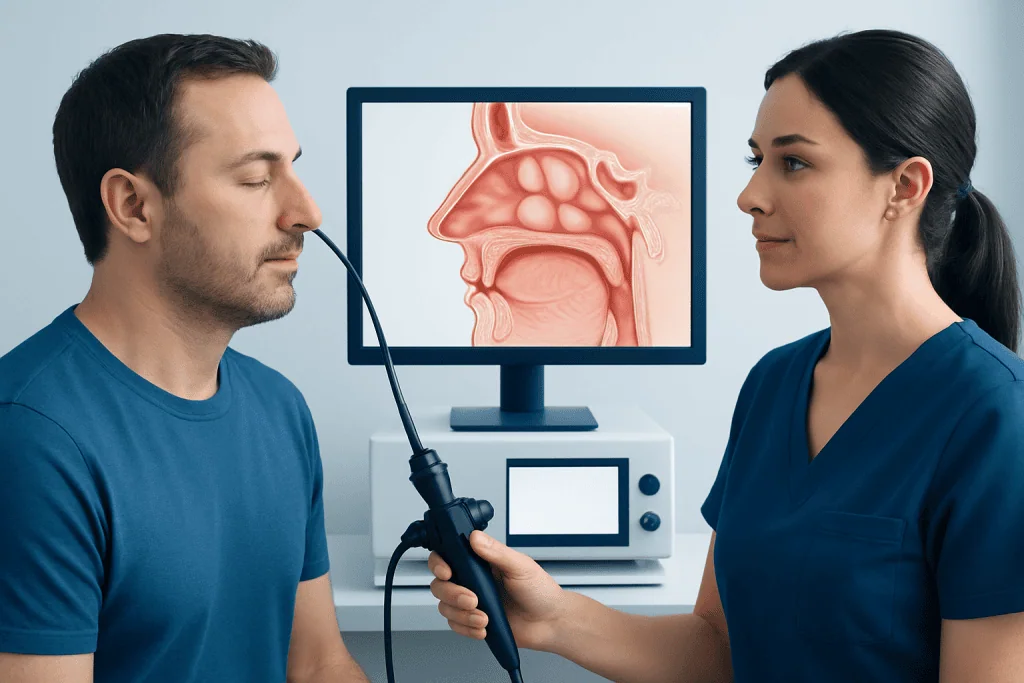
The inside of the nose and sinuses is lined with a moist membrane that helps trap particles and move mucus out of the airways. When this lining stays inflamed, it can swell and change over time. In some people, the tissue becomes edematous, or waterlogged, and gradually forms polyp-like growths.
These growths often resemble small grapes or teardrops and may appear in both sides of the nose. They can block the narrow passages that allow air to move and mucus to drain. This may lead to chronic stuffiness, pressure, recurrent infections, or a reduced ability to smell and taste.
Nasal polyps can exist alongside other ear, nose, and throat conditions. For example, they are commonly associated with chronic sinusitis and may be more likely in people with allergic inflammation or certain forms of asthma. Understanding the broader pattern of inflammation is an important part of care.
Symptoms

Symptoms of nasal polyps depend on their size, number, and location. Some people have no clear symptoms at first, especially if the polyps are small. Others experience chronic nasal blockage that affects breathing day and night.
Common symptoms include:
- Persistent nasal congestion or blockage
- Runny nose
- Postnasal drip
- Reduced or lost sense of smell
- Reduced sense of taste
- Facial pressure or fullness
- Snoring or disturbed sleep
- Frequent sinus infections
Less commonly, people may notice headaches, mouth breathing, or a change in voice quality because the nasal passages are blocked. Children with suspected nasal polyps should be assessed carefully, because polyps in childhood are less common and may prompt doctors to look for underlying conditions.
These symptoms can overlap with allergies, a deviated septum, or repeated sinus infections. That is why ongoing symptoms lasting for weeks to months deserve a medical assessment rather than repeated self-treatment alone.
Causes and risk factors
The exact reason one person develops nasal polyps and another does not is not always clear. What is known is that they are strongly linked to persistent inflammation in the nasal and sinus lining. This inflammation may have several triggers and can vary from person to person.
Conditions commonly associated with nasal polyps include chronic rhinosinusitis, allergies, asthma, sensitivity to aspirin or other nonsteroidal anti-inflammatory drugs, and some immune-related disorders. People with these conditions may be more prone to swelling and inflammatory changes inside the nose. In some cases, doctors may also consider inherited or systemic conditions if the overall history suggests them.
Risk factors may include:
- Long-term nasal or sinus inflammation
- Allergic rhinitis or environmental allergies
- Asthma or other airway inflammation
- Aspirin-exacerbated respiratory disease
- Recurring sinus infections
- Family tendency toward inflammatory airway disease
Nasal polyps are not caused by poor hygiene, and they do not arise because someone has done something wrong. They are best understood as a sign of an underlying inflammatory process that needs evaluation and control.
Diagnosis
Diagnosis begins with a detailed discussion of symptoms, how long they have been present, and whether there are related conditions such as asthma, allergy, or repeated sinus infections. A doctor will usually ask about smell loss, sleep disturbance, previous treatments, and whether symptoms are present on one side or both.
The physical examination often includes looking inside the nose with a lighted instrument. An ear, nose, and throat specialist may use nasal endoscopy, a thin camera that allows a closer view of the nasal passages and sinus openings. This can help confirm whether polyps are present and assess their size and extent.
In some cases, imaging such as a CT scan of the sinuses is recommended. This helps show how much of the sinus system is affected and can support treatment planning, especially if surgery is being considered. Doctors may also suggest allergy evaluation or tests for associated conditions when symptoms point in that direction.
Because not every blockage in the nose is a polyp, diagnosis matters. Other causes of similar symptoms may include structural problems, chronic infection, benign growths, or, less commonly, more serious conditions that require different treatment.
Treatment options
Treatment for nasal polyps usually aims to reduce inflammation, shrink the polyps, improve breathing, and restore sinus drainage. For many people, the first step is medical treatment rather than surgery. A doctor may recommend saline rinses to clear mucus and irritants, along with corticosteroid nasal sprays to reduce swelling in the lining of the nose.
If symptoms are more severe, short courses of oral corticosteroids may sometimes be used under medical supervision. When bacterial infection is suspected, treatment for infection may also be considered. If allergies or asthma are contributing to inflammation, managing those conditions is an important part of long-term control.
When medicines do not provide enough relief, procedures may be discussed. Some patients benefit from endoscopic sinus surgery to remove polyps and improve sinus ventilation and drainage. Surgery can ease symptoms, but it does not cure the underlying tendency toward inflammation, so continuing follow-up treatment is often necessary.
People with recurrent or complex disease may benefit from coordinated care involving ENT, allergy, and pulmonary specialists. In selected cases, care may also include treatments tailored to chronic inflammatory sinus disease. Depending on the person’s overall diagnosis, evaluation may overlap with care pathways for allergy testing or management of related airway disease such as asthma.
Prevention and self-care
There is no guaranteed way to prevent nasal polyps, but reducing chronic nasal inflammation can lower the chance of symptoms worsening or returning. Following a treatment plan consistently is one of the most effective strategies. Even after symptoms improve, maintenance therapy may be needed to keep inflammation under control.
Helpful self-care measures can include regular saline nasal irrigation, avoiding known allergy triggers when possible, and taking prescribed medicines exactly as directed. Good control of related conditions such as allergies and asthma can also make a meaningful difference. Smoke, strong chemical fumes, and other irritants may aggravate symptoms in some people.
At home, keeping indoor air comfortably humidified may help some individuals, especially in dry environments, though devices should be cleaned properly to avoid mold or bacterial growth. It is also wise to avoid overusing nonprescription nasal decongestant sprays, since they are not a treatment for polyps and may worsen nasal symptoms if used incorrectly.
People who continue to have symptoms despite self-care should not assume this is simply a stubborn cold. Persistent congestion or smell loss deserves medical review so that the underlying cause can be identified and treated appropriately.
When to seek medical care
Medical assessment is appropriate when nasal blockage, facial pressure, postnasal drip, or loss of smell lasts for more than a few weeks. It is especially important to seek care if symptoms keep returning, disturb sleep, affect daily activities, or do not improve with routine allergy or cold remedies.
Prompt medical attention is also important if there is significant facial swelling, severe pain, recurrent fever, vision changes, or symptoms mainly on one side of the nose. These features do not always mean something serious, but they should be evaluated without delay. A doctor can determine whether symptoms are due to polyps, infection, structural blockage, or another condition.
For people with complex or persistent symptoms, specialist evaluation may help clarify the diagnosis and treatment choices. Acibadem International’s multidisciplinary specialists in JCI-accredited hospitals diagnose and treat nasal and sinus conditions for international patients, including advanced ENT evaluation when needed.
Frequently asked questions
Are nasal polyps dangerous?
Nasal polyps are usually benign and not dangerous in themselves. However, they can cause ongoing congestion, repeated sinus infections, sleep disruption, and loss of smell, so proper evaluation is still important.
Can nasal polyps go away without treatment?
Small nasal polyps may cause minimal symptoms, but they do not always go away on their own. Because they are linked to chronic inflammation, treatment often focuses on reducing that inflammation and preventing symptoms from continuing or returning.
Do nasal polyps always require surgery?
No, many people improve with medical treatment such as steroid nasal sprays, saline rinses, and management of allergies or sinus inflammation. Surgery is usually considered when symptoms remain significant despite appropriate medical care.
Can nasal polyps come back after treatment?
Yes, nasal polyps can recur, especially if the underlying inflammation remains active. Long-term follow-up and maintenance treatment can help lower the chance of recurrence and keep symptoms better controlled.
Is loss of smell from nasal polyps reversible?
It can be, particularly when smell loss is caused by blockage and inflammation rather than permanent nerve damage. Recovery varies from person to person and may improve with medical treatment or, in some cases, surgery.
What is the difference between nasal polyps and sinusitis?
Nasal polyps are growths in the lining of the nose or sinuses, while sinusitis refers to inflammation or infection of the sinuses. The two conditions often occur together, especially in chronic rhinosinusitis.
References
- American Academy of Otolaryngology–Head and Neck Surgery
- National Institute of Allergy and Infectious Diseases
- Mayo Clinic
- National Health Service
- European Position Paper on Rhinosinusitis and Nasal Polyps
This article is for general information only and is not a substitute for professional medical advice. Please consult a qualified doctor about your individual situation.
Explore treatments in Turkey — costs, top hospitals & a free quote
JCI-accredited · board-certified surgeons · reply within 24h
Add us as a Preferred Source to see more of our trusted health content across Google Search, AI Overviews and Discover.

More from the Health Library



Related Specialists

Prof. Dr. Önder Us
Neurology
Prof. Dr. Alp Demireller
Otorhinolaryngology
Prof. Dr. Mehmet Cihat Ünlü
Gynecology & Obstetrics
Dr. Ömer Hersek
Internal Medicine