Nasal Polyps: Symptoms, Endoscopy Diagnosis, and Treatment Choices

Nasal polyps are usually linked to chronic inflammation in the nose and sinuses. Common symptoms include blocked nose, reduced sense of smell, facial pressure, and ongoing sinus problems.
Key Takeaways
- Nasal polyps are usually linked to chronic inflammation in the nose and sinuses.
- Common symptoms include blocked nose, reduced sense of smell, facial pressure, and ongoing sinus problems.
- Nasal endoscopy is a key tool for diagnosing polyps and assessing their size and location.
- Treatment often starts with medicated nasal sprays, saline rinses, and managing underlying conditions.
- Surgery may help when medicines do not control symptoms or when polyps keep returning.
Nasal polyps are soft, noncancerous growths that develop in the lining of the nose or sinuses, usually because of long-term inflammation. They are often treatable with medicine, and some people may benefit from endoscopic evaluation or surgery when symptoms persist.
Overview
Nasal polyps are soft, painless growths that arise from the lining of the nasal passages or the sinuses. They are not cancerous. Small polyps may cause few or no symptoms, while larger polyps or clusters of polyps can block airflow and drainage, leading to long-lasting nose and sinus complaints.
These growths are commonly associated with chronic inflammation. This inflammation may be related to ongoing sinus disease, allergies, asthma, aspirin sensitivity, or other immune-related conditions. Polyps are more likely to develop over time rather than suddenly.
Nasal polyps can affect breathing, sleep, smell, and overall comfort. Many people first notice persistent nasal congestion that does not improve like a typical cold. Because symptoms can overlap with chronic sinusitis, proper evaluation by an ear, nose, and throat specialist is often helpful.
Symptoms of Nasal Polyps
The symptoms of nasal polyps often resemble those of chronic sinus inflammation. A blocked or stuffy nose is one of the most common complaints. Some people also notice a runny nose, mucus draining down the throat, or a feeling of pressure around the cheeks, forehead, or eyes.
A reduced or lost sense of smell is especially suggestive of nasal polyps, particularly when it lasts for weeks or months. Taste may also seem weaker because smell plays an important role in flavor. Snoring, mouth breathing, and poor sleep can happen when nasal blockage becomes significant.
Other possible symptoms include:
- Frequent sinus infections
- Headache or facial fullness
- Postnasal drip
- Need to breathe through the mouth
- Sense of pressure in the nose
- Persistent symptoms despite cold or allergy treatment
Symptoms can vary based on the size and location of the polyps. Some people have mild congestion, while others have severe obstruction that affects daily activities and quality of life.
Causes and Risk Factors
The exact reason nasal polyps form is not always clear, but they are strongly linked to long-term inflammation in the mucous membranes of the nose and sinuses. This ongoing irritation can lead to swollen tissue that gradually forms polyp-like growths.
Several conditions increase the likelihood of developing nasal polyps. These include chronic rhinosinusitis, asthma, allergic rhinitis, aspirin-exacerbated respiratory disease, and certain immune or inflammatory disorders. In some cases, repeated infections may also contribute to persistent inflammation.
Risk factors may include:
- Long-standing sinus inflammation
- Asthma or wheezing disorders
- Allergies to environmental triggers
- Sensitivity to aspirin or other anti-inflammatory medicines
- Family tendency toward inflammatory airway conditions
- Conditions such as cystic fibrosis in selected patients
Having a risk factor does not mean a person will definitely develop polyps. However, understanding these links helps guide treatment, because managing the underlying inflammation is a key part of care.
How Nasal Polyps Are Diagnosed
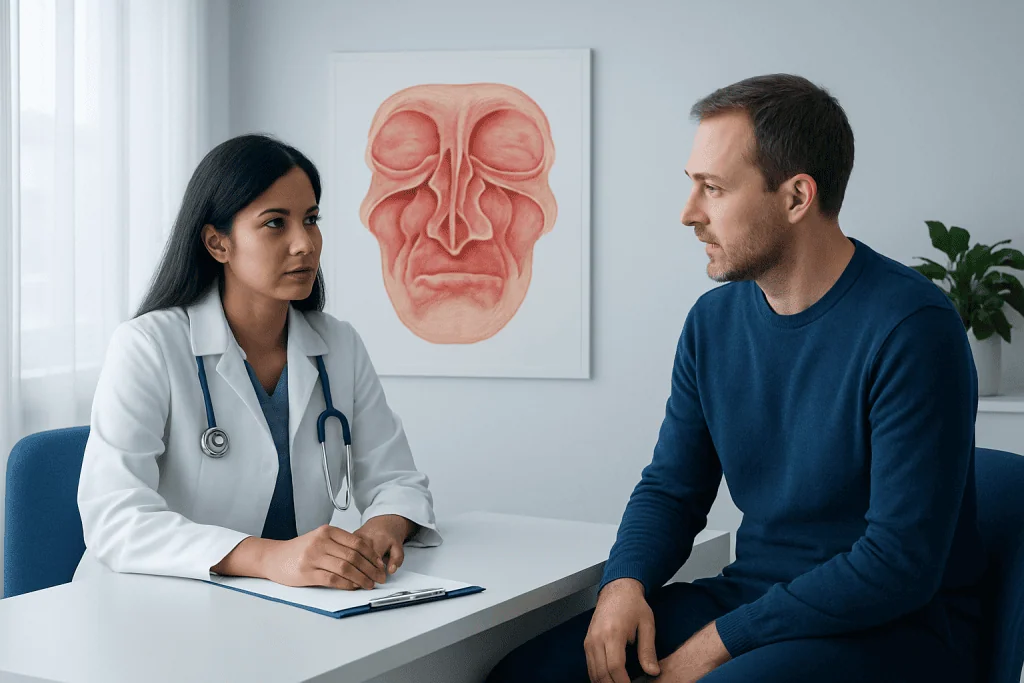
Diagnosis starts with a medical history and physical examination. A doctor will ask about nasal blockage, smell loss, sinus infections, allergy symptoms, asthma, and how long the problem has been present. The pattern and duration of symptoms help distinguish nasal polyps from a short-term infection or common cold.
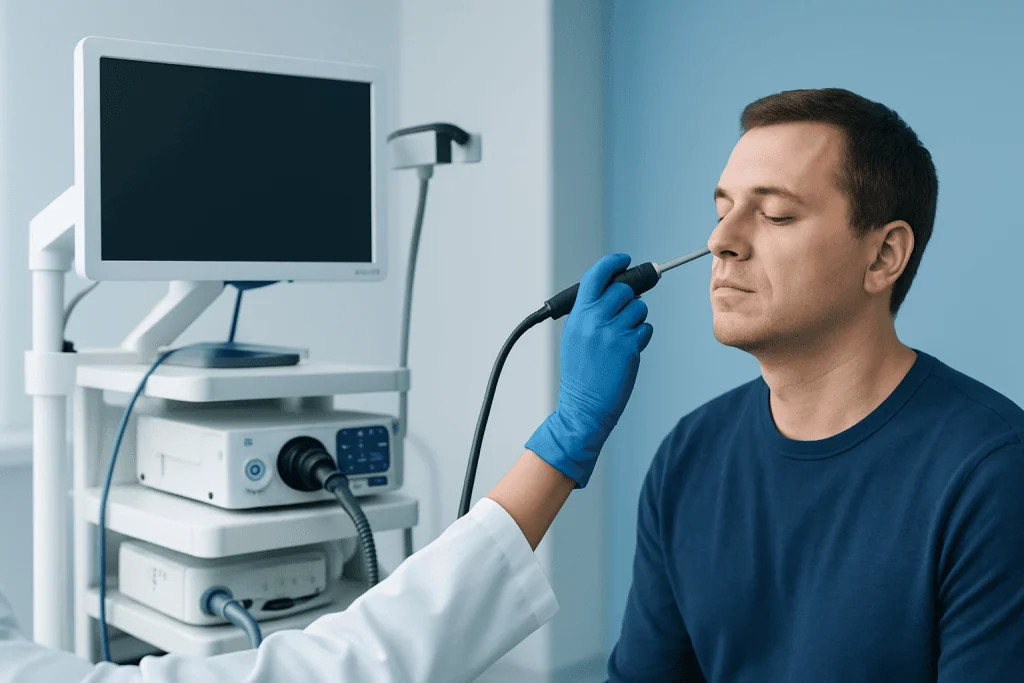
Nasal endoscopy is one of the most important diagnostic tools. During this office-based examination, the doctor uses a thin instrument with a light and camera to look inside the nose. This allows direct visualization of the nasal passages, the area where polyps commonly grow, and signs of inflammation or drainage problems. In many cases, nasal endoscopy helps confirm the diagnosis and guides next steps.
If the anatomy needs further evaluation, imaging may be recommended. A CT scan can show the sinuses in detail, reveal how extensive the polyps are, and identify blockage or related sinus disease. Allergy testing or additional tests may also be considered when the doctor suspects contributing conditions.
Because other growths can sometimes mimic polyps, especially if a growth appears only on one side or looks unusual, specialist assessment is important. This helps ensure the correct diagnosis and treatment plan.
Treatment Options
Treatment depends on symptom severity, the size of the polyps, and whether there is an underlying condition driving inflammation. The first goal is usually to reduce swelling and improve airflow. For many people, treatment begins with saline rinses and corticosteroid nasal sprays to calm inflammation inside the nose.
If symptoms are more severe, doctors may sometimes prescribe a short course of oral corticosteroids or other medicines, depending on the person’s health needs. When allergies, asthma, or chronic sinus disease are present, treating those conditions can improve overall control and help reduce the chance of polyps coming back.
When medication does not provide enough relief, surgery may be considered. The most common procedure is endoscopic sinus surgery, which uses fine instruments to remove polyps and open blocked sinus pathways without external facial incisions. Surgery can improve breathing and help topical medicines reach the sinus tissues more effectively afterward.
Some patients with recurrent or difficult-to-control disease may need longer-term specialist follow-up. In selected cases, advanced therapies may be discussed by an ENT team, especially when polyps are associated with severe inflammatory disease. If symptoms occur alongside a deviated septum or other structural issues, treatment may also need to address those problems for the best result.
Prevention and Self-care
Nasal polyps cannot always be prevented, but controlling inflammation can lower the risk of symptom flare-ups and recurrence. Following the prescribed treatment plan, even after symptoms improve, is an important part of long-term care. Regular use of medicated sprays or saline rinses may help keep the nasal passages clearer.
Managing related conditions also matters. People with allergies should try to reduce exposure to known triggers when possible. Those with asthma should follow their respiratory care plan closely. Avoiding irritants such as cigarette smoke, strong chemical fumes, and heavily polluted air may also help reduce nasal irritation.
Helpful self-care steps may include:
- Using saline nasal irrigation as advised by a doctor
- Taking allergy or asthma treatment consistently if prescribed
- Keeping indoor air comfortably humid, if dry air worsens symptoms
- Practicing good hand hygiene to reduce infections
- Attending follow-up visits to monitor recurrence
Self-care should support, not replace, medical evaluation. Persistent congestion or smell loss deserves professional assessment, especially when symptoms last for several weeks.
When to See a Doctor
A doctor should be consulted if nasal congestion, sinus pressure, reduced smell, or postnasal drip lasts longer than expected or keeps returning. Ongoing symptoms may not be just allergies or a cold, and identifying the cause can lead to more effective treatment.
Prompt medical attention is especially important if symptoms are affecting sleep, daily activities, or asthma control. A specialist evaluation may also be needed if there are frequent sinus infections, one-sided symptoms, nosebleeds, or a visible mass in the nose.
In rare situations, urgent care is appropriate for severe swelling around the eyes, high fever with worsening sinus symptoms, vision changes, or significant breathing difficulty. These signs do not necessarily mean nasal polyps are the cause, but they should be assessed quickly.
For people who need further evaluation and treatment, Acibadem International’s multidisciplinary specialists in JCI-accredited hospitals diagnose and manage nasal and sinus conditions for international patients, including endoscopic assessment and surgical care when needed.
Frequently asked questions
Are nasal polyps cancerous?
Nasal polyps are usually benign, meaning they are not cancerous. They are soft growths related to inflammation in the nose or sinuses. Even so, a doctor should evaluate any persistent nasal growth to confirm the diagnosis.
Can nasal polyps go away without treatment?
Small polyps may cause few symptoms, but they do not always go away on their own. Because they are linked to ongoing inflammation, treatment is often needed to shrink them and improve symptoms. A doctor can advise whether monitoring or active treatment is best.
What does nasal endoscopy involve?
Nasal endoscopy is a procedure in which a doctor looks inside the nose using a thin lighted instrument. It is commonly done in the clinic and helps identify polyps, swelling, drainage, and other nasal problems. Most people tolerate it well, and it provides valuable detail for diagnosis.
Will surgery cure nasal polyps permanently?
Surgery can remove existing polyps and improve sinus drainage, but it does not always prevent them from returning. Because the underlying inflammation may continue, many people still need ongoing medical treatment after surgery. Regular follow-up helps reduce the chance of recurrence and keeps symptoms under control.
Are nasal polyps related to allergies or asthma?
Yes, they can be. Nasal polyps are often associated with chronic inflammation, and allergies or asthma may contribute to that process in some people. Treating these related conditions is an important part of overall care.
How do nasal polyps affect the sense of smell?
Polyps can block airflow to the areas of the nose involved in smelling. Inflammation in the nasal lining can also interfere with how smells are detected. As swelling improves with treatment, smell may improve as well, although recovery can vary from person to person.
References
- American Academy of Otolaryngology–Head and Neck Surgery
- National Health Service
- Mayo Clinic
- National Institute of Allergy and Infectious Diseases
This article is for general information only and is not a substitute for professional medical advice. Please consult a qualified doctor about your individual situation.
Explore treatments in Turkey — costs, top hospitals & a free quote
JCI-accredited · board-certified surgeons · reply within 24h
Add us as a Preferred Source to see more of our trusted health content across Google Search, AI Overviews and Discover.

Otorhinolaryngology (ENT)
Care for ear, nose, throat and head-and-neck conditions, including hearing and balance disorders.
126 specialists in this unit