Natural Hormone Replacement Therapy: Evidence-Based Options and When to See a Doctor

The term natural hormone replacement therapy can describe very different options, from prescription hormones to herbal supplements. Evidence is strongest for regulated, prescription hormone therapy used for clearly defined symptoms such as menopause-related hot flashes.
Key Takeaways
- The term natural hormone replacement therapy can describe very different options, from prescription hormones to herbal supplements.
- Evidence is strongest for regulated, prescription hormone therapy used for clearly defined symptoms such as menopause-related hot flashes.
- Compounded or over-the-counter “natural” products are not automatically safer and may vary in strength, purity, and effectiveness.
- A doctor should evaluate persistent hormone symptoms to confirm the cause and rule out other medical conditions.
- Urgent medical care is needed for red-flag symptoms such as chest pain, severe shortness of breath, or heavy unexplained bleeding.
Natural hormone replacement therapy is not one single treatment. It may refer to prescription bioidentical hormones, plant-based remedies, or lifestyle approaches, and the evidence and safety profile differ widely between them.
Overview: What natural hormone replacement therapy means
Natural hormone replacement therapy usually refers to approaches intended to support or replace hormone levels using substances described as natural, plant-derived, or bioidentical. In practice, this label can include prescription bioidentical hormones, compounded hormone products, herbal supplements, and lifestyle measures aimed at reducing symptoms linked to hormone changes.
The most important point is that “natural” does not always mean safer, more effective, or better studied. Some options have good clinical evidence for symptom relief in carefully selected patients, while others rely mostly on tradition, marketing claims, or anecdotal reports. A patient-friendly, evidence-based approach looks at each option separately rather than treating them as equal.
Natural hormone replacement therapy is most often discussed around menopause and perimenopause, but people may also ask about it for low testosterone, thyroid problems, adrenal fatigue, or fertility concerns. These situations are not the same. Symptoms such as fatigue, weight change, sleep disturbance, low mood, or low libido can result from many medical causes, so a proper diagnosis matters before any treatment is chosen.
Who may consider it and what symptoms it may address
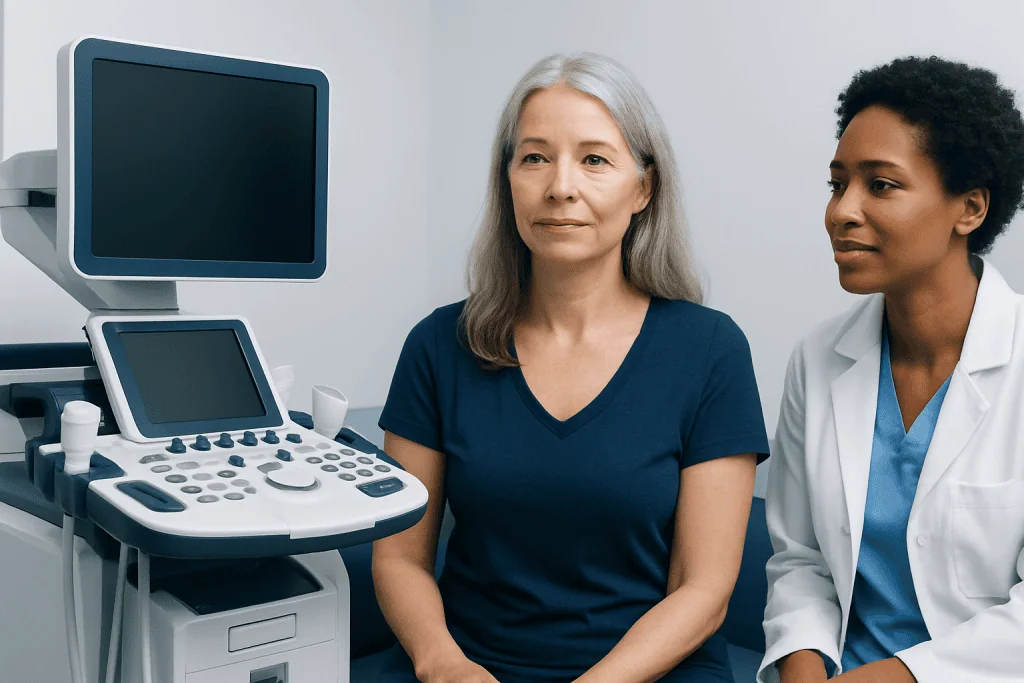
People most commonly explore natural hormone replacement therapy when they develop symptoms related to changing estrogen or progesterone levels during perimenopause or menopause. These may include hot flashes, night sweats, sleep disruption, vaginal dryness, painful sex, mood changes, and irregular periods. Some also notice brain fog, reduced concentration, or changes in sexual desire.
Others use the term when asking about hormonal symptoms outside menopause, such as tiredness, thinning hair, reduced exercise tolerance, or menstrual changes. These symptoms can overlap with thyroid disease, iron deficiency, sleep disorders, depression, diabetes, or other conditions. For this reason, a clinician may need to evaluate for thyroid-related conditions or other endocrine causes before assuming hormones are the explanation.
Natural approaches may also be considered by people who cannot or prefer not to use standard hormone therapy, including those seeking non-hormonal symptom relief. In these cases, the discussion often includes practical self-care measures, symptom tracking, and, when appropriate, referral to specialists in endocrinology care for a tailored plan.
Evidence-backed options versus anecdotal remedies

The best-supported option under the “natural” umbrella is regulated prescription bioidentical hormone therapy. These hormones are chemically similar to those made by the body and may be prescribed in standardized forms, such as estradiol and micronized progesterone. For appropriate patients with moderate to severe menopause symptoms, prescription hormone therapy can be effective, especially for hot flashes, night sweats, and genitourinary symptoms.
It is important to separate prescription bioidentical hormones from compounded bioidentical hormone products. Compounded products are mixed for an individual patient and may be useful in special situations, but they are generally less standardized than approved prescription products. Their dosing consistency, purity, and safety oversight may differ, so they should not be assumed to be safer simply because they are described as natural or personalized.
Plant-based remedies such as soy isoflavones, black cohosh, red clover, and evening primrose oil are often marketed for hormone balance. Some people report symptom relief, but research results are mixed, and benefits tend to be modest or uncertain. Supplements can also interact with medicines, affect the liver, or complicate treatment of hormone-sensitive conditions. Anecdotal remedies promoted for “adrenal support” or “detox” have especially limited scientific support and should be viewed cautiously.
Non-supplement strategies deserve attention because they can be useful and low risk. Good sleep habits, regular exercise, a balanced diet, limiting alcohol, managing caffeine triggers, maintaining a comfortable sleep environment, and pelvic floor or vaginal care can all help some symptoms. These approaches do not replace medical treatment when needed, but they can be meaningful parts of overall care.
How doctors evaluate hormone symptoms
Evaluation starts with the symptom pattern, age, menstrual history, medicines, personal and family history, and any conditions that affect hormone treatment safety. For menopause-related symptoms, the diagnosis is often based mainly on history rather than on repeated hormone testing. In contrast, irregular bleeding, unexpected weight change, severe fatigue, or symptoms starting at an unusual age may need broader investigation.
A doctor may recommend blood tests when symptoms suggest another cause or when a different endocrine problem is possible. Testing can include thyroid function, blood sugar, iron studies, pregnancy testing when relevant, and other targeted labs. If symptoms are primarily gynecologic, imaging or specialist evaluation may be needed to look for other causes.
This assessment matters because hormone-related symptoms can overlap with many conditions, including sleep apnea, anemia, anxiety, depression, and metabolic disorders. Some patients may need consultation in gynecology evaluation and treatment or women’s health care to identify the safest and most effective option.
Treatment options: what may help and what to weigh
When symptoms are clearly linked to menopause and there are no major contraindications, regulated prescription hormone therapy may be considered. It can be given in different forms, including pills, patches, gels, sprays, or local vaginal treatments. Choice depends on symptoms, medical history, age, time since menopause, and patient preference. The goal is symptom relief with the lowest effective dose for the shortest appropriate duration, with regular review.
For people whose main symptoms are vaginal dryness, discomfort, or recurrent urinary symptoms related to menopause, local treatments may be enough. Vaginal estrogen or other targeted therapies can provide relief with less whole-body exposure than systemic treatment. This can be especially useful when hot flashes are not the primary concern.
Non-hormonal prescription options may also help, particularly for hot flashes or mood-related symptoms. These are not “natural hormone replacement therapy,” but they are evidence-based alternatives for patients who cannot take hormones or prefer not to. A balanced discussion should include these options so that treatment decisions are based on medical fit, not just on labels.
Supplements and herbal products should be reviewed carefully before use. Even products sold without prescription may have side effects or interact with blood thinners, antidepressants, seizure medicines, or cancer treatments. A doctor or pharmacist can help assess whether a product is likely to be useful, neutral, or potentially risky based on the patient’s medical history.
Self-care strategies that may support hormone health
Self-care can make a meaningful difference, especially when symptoms are mild or used alongside medical treatment. Helpful measures include regular physical activity, strength training, a fiber-rich eating pattern, adequate protein, hydration, and consistent sleep routines. Weight management, when appropriate, may also improve vasomotor symptoms and support long-term heart and bone health.
Tracking symptoms can be very practical. Keeping a diary of hot flashes, sleep quality, bleeding changes, mood symptoms, and possible triggers such as alcohol, spicy foods, stress, or overheating may help identify patterns. This information can also improve a medical consultation by showing how often symptoms occur and how much they affect daily life.
Vaginal moisturizers, lubricants, layered clothing, cooling pillows, paced breathing, and stress-reduction practices may offer additional comfort. These methods do not correct hormone levels directly, but they can reduce symptom burden. Patients who are also living with related changes in bones or metabolism may benefit from broader preventive care and evaluation for osteoporosis risk when appropriate.
When to seek medical care
Red-flag symptoms should be assessed promptly rather than treated at home. These include heavy or unexplained vaginal bleeding, bleeding after menopause, chest pain, severe shortness of breath, one-sided leg swelling, fainting, sudden severe headache, new weakness or numbness, or signs of a severe allergic reaction after starting a supplement or hormone product.
A doctor should also be seen if symptoms are persistent, worsening, or affecting sleep, work, mood, or relationships. Medical review is especially important when symptoms start very early, occur after cancer treatment, or happen alongside significant weight change, nipple discharge, rapidly changing periods, or pelvic pain. These situations may point to causes other than routine hormonal transition.
Anyone considering prescription hormones, compounded hormones, or multiple supplements should seek professional guidance first. This is particularly true for people with a history of blood clots, stroke, liver disease, migraine with aura, breast cancer, or other hormone-sensitive conditions. Near the end of the care pathway, Acibadem International’s multidisciplinary specialists and JCI-accredited hospitals provide diagnosis and treatment for international patients who need endocrine or gynecologic assessment.
Frequently asked questions
Is natural hormone replacement therapy the same as bioidentical hormone therapy?
Not exactly. Natural hormone replacement therapy is a broad term that may include prescription bioidentical hormones, compounded hormones, herbal supplements, and lifestyle approaches. Bioidentical hormone therapy refers more specifically to hormones that are chemically similar to those made by the body.
Are natural hormone products safer than standard hormone therapy?
Not necessarily. A product labeled natural can still cause side effects, interact with other medicines, or be unsafe in certain medical conditions. Safety depends more on the actual ingredient, dose, route, and quality control than on marketing terms.
Do herbal supplements work for menopause symptoms?
Some people feel better with supplements such as soy isoflavones or black cohosh, but research results are mixed. Benefits, when they occur, are usually less predictable than with evidence-based prescription treatments. A clinician should review any supplement use because interactions and side effects are possible.
Do I need hormone blood tests before treatment?
Not always. In midlife adults with typical perimenopause or menopause symptoms, treatment decisions are often based mainly on symptom history and menstrual changes. Blood tests may be useful when the diagnosis is unclear or another condition such as thyroid disease is suspected.
Who should avoid hormone therapy or discuss it very carefully?
People with a history of blood clots, stroke, certain liver diseases, some hormone-sensitive cancers, or unexplained vaginal bleeding need careful medical evaluation before using hormones. A doctor can review individual risks and discuss safer alternatives when needed.
Can lifestyle changes replace hormone therapy?
Sometimes, especially if symptoms are mild. Exercise, sleep support, reducing triggers, stress management, and vaginal moisturizers can help many people. If symptoms are moderate to severe, lifestyle steps may still help but may not be enough on their own.
References
- North American Menopause Society
- American College of Obstetricians and Gynecologists
- Endocrine Society
- National Institute on Aging
- U.S. Food and Drug Administration
This article is for general information only and is not a substitute for professional medical advice. Please consult a qualified doctor about your individual situation.
Explore treatments in Turkey — costs, top hospitals & a free quote
JCI-accredited · board-certified surgeons · reply within 24h
Add us as a Preferred Source to see more of our trusted health content across Google Search, AI Overviews and Discover.