Neck Rolls: A Complete Medical Overview

Neck rolls can result from normal anatomy, extra fat, skin laxity, poor posture, fluid retention, or less commonly an underlying condition. A new, one-sided, painful, hard, or quickly enlarging neck roll needs medical evaluation.
Key Takeaways
- Neck rolls can result from normal anatomy, extra fat, skin laxity, poor posture, fluid retention, or less commonly an underlying condition.
- A new, one-sided, painful, hard, or quickly enlarging neck roll needs medical evaluation.
- Doctors diagnose the cause through a physical exam and, when needed, imaging, blood tests, or referral to a specialist.
- Treatment depends on the cause and may include lifestyle changes, posture support, medical treatment, or targeted procedures.
- Self-care should focus on healthy weight management, skin care, posture, and avoiding repeated strain to the neck.
Neck rolls are soft folds or fullness around the neck that may develop from normal body shape, weight changes, posture, aging, or an underlying medical issue. Most are not dangerous, but persistent, painful, firm, or rapidly changing neck rolls should be assessed by a doctor.
Overview: What Neck Rolls Mean
Neck rolls are folds, bands, or areas of fullness that appear around the neck. In many people, they are simply caused by the way fat, skin, and soft tissue are distributed in the body. They may become more noticeable with weight gain, aging skin, or a forward-head posture that creates deeper creases and soft folds.
The term is not a formal medical diagnosis. People use it to describe different concerns, including horizontal skin folds, fatty fullness under the chin or at the sides of the neck, or swelling that changes the neck’s normal contour. Because the appearance can come from several causes, the most important step is to determine whether the change is cosmetic, postural, or related to a health condition.
Most neck rolls are harmless. However, doctors pay closer attention when the area is new, one-sided, firm, tender, associated with trouble swallowing or breathing, or accompanied by other symptoms such as fever, weight loss, or enlarged lymph nodes. In those situations, the neck should be examined rather than assumed to be a simple skin fold.
How Neck Rolls Can Look and Feel
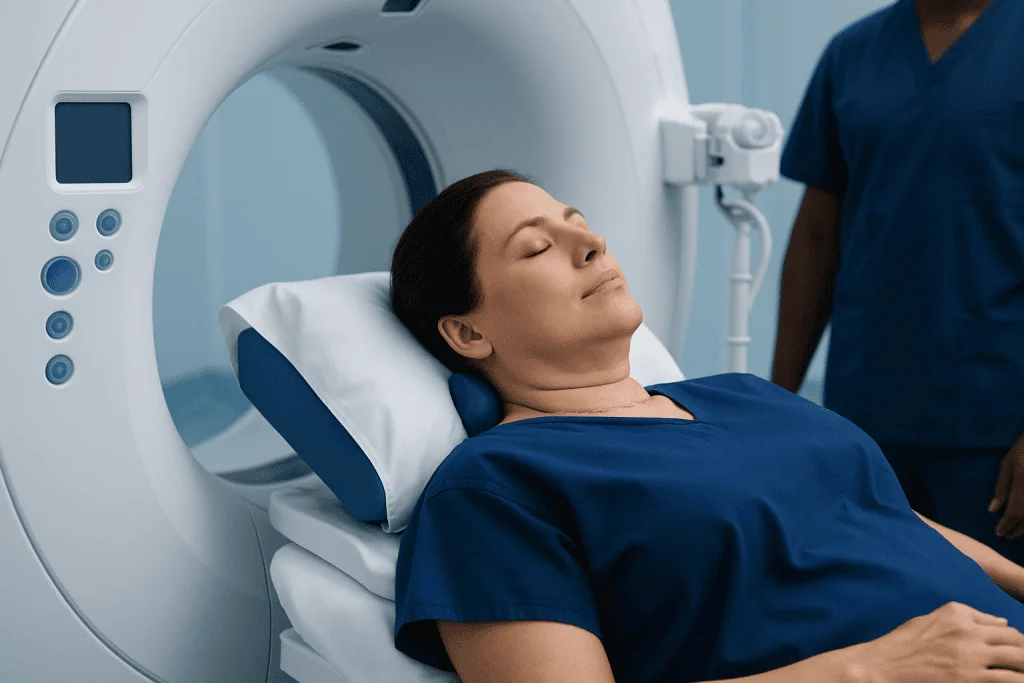
Neck rolls may appear as soft horizontal lines, folds of skin at the front or sides of the neck, or fullness under the jawline. Some people notice them mainly when looking down, sitting with rounded shoulders, or in photographs. Others feel rubbing, sweating, or mild skin irritation within the folds.
The texture and behavior of the area can offer clues about the cause. Soft, symmetrical folds are often related to normal body composition or skin laxity. A puffy or generalized swollen look may suggest fluid retention or inflammation. A firm or distinct lump beneath a roll may point to an enlarged lymph node, thyroid enlargement, cyst, or another structural issue.
Associated symptoms are important. A person should note whether there is pain, redness, warmth, reduced neck movement, numbness, headache, voice change, snoring, swallowing difficulty, or breathing problems. These details help a clinician decide whether the concern is mainly cosmetic or whether further investigation is needed.
- Common harmless features: soft, symmetrical, stable over time
- Concerning features: hard, fixed, rapidly growing, painful, one-sided
- Helpful observations: when it started, whether it changes with posture, and any recent illness or weight changes
Common Causes and Risk Factors

Several everyday factors can lead to neck rolls. Extra subcutaneous fat is one of the most common reasons, especially when weight gain affects the neck and under-chin area. Aging also plays a role because collagen and elastin naturally decline over time, making skin looser and more likely to fold. Genetics matters as well; some people naturally store more tissue in the neck even at a healthy body weight.
Posture can make neck rolls more visible. Spending long hours looking down at a phone or laptop may push the head forward and compress the soft tissues of the neck. This does not usually create a disease by itself, but it can deepen lines and make existing folds more pronounced. Repeated friction, perspiration, and skin irritation can further emphasize the area.
Medical causes should also be considered when the appearance changes suddenly or is accompanied by other symptoms. These include swollen lymph nodes after infection, thyroid enlargement such as goiter, cysts, lipomas, inflammatory skin conditions, and fluid retention. In some cases, neck fullness is part of obesity-related fat distribution, while in others it may reflect endocrine or metabolic factors such as hypothyroidism. Less commonly, neck contour changes may be linked to more serious problems involving glands, soft tissues, or tumors.
Risk factors include:
- Weight gain or obesity
- Older age and reduced skin elasticity
- Family tendency toward neck fullness
- Poor posture and prolonged screen use
- Recent throat, dental, or upper respiratory infection
- Hormonal or thyroid disorders
How Doctors Evaluate Neck Rolls
Medical evaluation starts with a history and physical examination. A doctor will ask when the neck rolls began, whether they are changing, and whether there are symptoms such as pain, fever, swallowing trouble, shortness of breath, hoarseness, or recent infection. They will also review general health, weight changes, medications, and any thyroid, skin, or metabolic conditions.
During the exam, the clinician checks whether the area is soft or firm, symmetric or one-sided, mobile or fixed, and whether there are enlarged lymph nodes, thyroid changes, skin irritation, or signs of inflammation. Neck movement and posture may also be assessed, especially if the concern seems related to muscle tension or body mechanics.
If an underlying condition is possible, testing may be recommended. This can include blood tests, thyroid assessment, or imaging such as ultrasound to look at lymph nodes, thyroid tissue, cysts, or other soft-tissue changes. More advanced imaging may be used in selected cases. The goal is not only to explain the visible neck rolls but also to rule out problems that should not be missed.
Treatment Options Depend on the Cause
Treatment for neck rolls is guided by the underlying reason they appear. When the cause is mainly extra fat or skin laxity, doctors usually recommend gradual, sustainable weight management, regular exercise, and posture improvement as first-line steps. These measures may not remove every fold, but they often reduce fullness and improve neck contour over time.
If posture contributes, physical therapy, ergonomic adjustments, and strengthening of the upper back and neck can help. Skin irritation in the folds may improve with gentle cleansing, careful drying, loose clothing, and avoiding harsh products. When thyroid disease, infection, lymph node enlargement, or another medical problem is present, treatment focuses on that condition rather than the fold itself.
In selected people, procedures may be considered after medical causes are excluded. Options vary depending on whether the issue is fat, excess skin, or both, and may include consultation for liposuction or neck lift when appropriate. These decisions should be individualized and based on a specialist’s assessment, overall health, and expectations.
When neck rolls are caused by a distinct lump such as a cyst, lipoma, or suspicious mass, a surgeon or ENT specialist may recommend removal or biopsy. If symptoms suggest another neck disorder, further evaluation for related conditions such as thyroid nodules may be necessary. Treatment should always address both appearance and health.
Prevention and Self-Care
Not all neck rolls can be prevented, especially when they are influenced by age or inherited body shape. Still, everyday habits can make them less noticeable and support overall neck health. A balanced diet, regular physical activity, and steady weight management are the most practical long-term measures for reducing fat-related fullness.
Posture deserves special attention. Keeping screens at eye level, taking movement breaks, and strengthening the upper back can reduce forward-head posture and compressive neck creasing. Sleeping position may also matter for some people; using a supportive pillow and avoiding prolonged awkward neck angles can help comfort and alignment.
Skin care can be useful when folds trap moisture or become irritated. Gentle washing, careful drying, and using non-irritating moisturizers may reduce friction and rash. People should avoid aggressive rubbing or repeated “spot-reduction” exercises advertised online, as these usually do not remove localized fat and may strain the neck if done improperly.
For patients seeking a fuller evaluation, Acibadem International’s multidisciplinary specialists in JCI-accredited hospitals diagnose and treat neck concerns for international patients, especially when cosmetic changes may overlap with endocrine, ENT, or soft-tissue conditions.
When to Seek Medical Care
A person should seek medical advice if neck rolls are new, rapidly enlarging, painful, one-sided, or associated with a distinct lump. Medical review is also important if there is fever, night sweats, unexplained weight loss, trouble swallowing, breathing difficulty, voice changes, or persistent swollen glands. These features do not always mean something serious, but they should not be ignored.
Urgent care is needed if neck swelling affects breathing, causes severe pain, or develops quickly after an allergic reaction, injury, or infection. Children, older adults, and people with weakened immune systems may need earlier assessment if swelling appears.
Even when the concern seems cosmetic, a doctor can help clarify what is normal anatomy and what may need treatment. That reassurance can prevent unnecessary worry and ensure that significant conditions are recognized early.
Frequently asked questions
Are neck rolls normal?
Yes, neck rolls can be a normal variation in body shape and often relate to soft tissue, skin folds, posture, or weight distribution. They become more common with age as skin loses elasticity. However, a new or unusual neck change should be assessed if it seems different from a person’s usual anatomy.
Can poor posture cause neck rolls?
Poor posture can make neck rolls more noticeable, especially when the head sits forward and the neck stays flexed for long periods. This posture compresses the front of the neck and can deepen visible creases. While posture is not the only cause, improving alignment may reduce their appearance.
Do neck rolls always mean weight gain?
No. Weight gain is a common reason, but not the only one. Aging skin, genetics, fluid retention, thyroid enlargement, swollen lymph nodes, and other soft-tissue changes can also affect the contour of the neck.
Can exercise get rid of neck rolls?
Exercise can help if neck rolls are related to overall body fat and posture, especially when combined with steady weight management. However, exercise does not reliably remove fat from one exact spot, and it cannot tighten significantly loose skin on its own. Results depend on the underlying cause.
When are neck rolls a sign of something serious?
They may need prompt evaluation if they appear suddenly, grow quickly, are hard or fixed, occur mainly on one side, or come with pain, fever, swallowing problems, voice changes, or breathing symptoms. A firm lump under a neck fold also deserves medical attention. These signs can have many causes, but they should be checked.
What kind of doctor should evaluate neck rolls?
A primary care doctor is often the best first step. Depending on the findings, the patient may then be referred to an endocrinologist, ENT specialist, dermatologist, plastic surgeon, or general surgeon. The right specialist depends on whether the concern is related to skin, fat, glands, lymph nodes, or another structural problem.
References
- American Academy of Dermatology
- National Institute of Arthritis and Musculoskeletal and Skin Diseases
- National Institute of Diabetes and Digestive and Kidney Diseases
- Mayo Clinic
- American Thyroid Association
This article is for general information only and is not a substitute for professional medical advice. Please consult a qualified doctor about your individual situation.
Medical weight-loss options in Turkey — costs & eligibility
JCI-accredited · board-certified surgeons · reply within 24h
Add us as a Preferred Source to see more of our trusted health content across Google Search, AI Overviews and Discover.