Necrotizing Enterocolitis Treatment: How It Works, Results and What to Expect

NEC is a neonatal emergency that requires assessment and treatment in a neonatal intensive care unit. Early treatment commonly includes bowel rest, intravenous fluids or nutrition, antibiotics and repeated abdominal imaging.
Key Takeaways
- NEC is a neonatal emergency that requires assessment and treatment in a neonatal intensive care unit.
- Early treatment commonly includes bowel rest, intravenous fluids or nutrition, antibiotics and repeated abdominal imaging.
- Surgery may be necessary if there is a hole in the intestine, dead bowel tissue or worsening illness despite medical treatment.
- Recovery varies with the severity of NEC, the amount of bowel involved and the baby’s overall health.
- Babies who recover from NEC benefit from ongoing follow-up for feeding, growth and developmental needs.
Necrotizing enterocolitis treatment is urgent hospital care for a serious intestinal illness that mainly affects premature or medically fragile newborns. Treatment may involve stopping feeds, supporting nutrition through a vein, antibiotics and close monitoring; surgery is needed when bowel damage or perforation is suspected.
Overview: How necrotizing enterocolitis treatment works
Necrotizing enterocolitis (NEC) is a serious inflammatory condition in which part of a newborn’s intestine becomes injured. It occurs most often in premature babies, especially those with very low birth weight, although it can occasionally affect full-term infants with certain medical conditions. Because the bowel can become severely inflamed and, in some cases, develop a perforation, suspected NEC is treated as an urgent neonatal problem.
Necrotizing enterocolitis treatment aims to rest the intestine, control infection or inflammation, support the baby’s circulation and nutrition, and identify complications promptly. Care is provided in a neonatal intensive care unit (NICU) by a team that may include neonatologists, pediatric surgeons, radiologists, nurses, dietitians and other specialists. The treatment plan is adjusted frequently according to the baby’s examination findings, blood tests and abdominal imaging.
Some babies improve with non-surgical care. Others need an operation to remove severely damaged bowel or address a perforation. Early recognition and carefully coordinated NICU care are important, but each baby’s course is individual and depends on the extent of intestinal illness and other premature-birth complications.
How quickly does NEC progress?
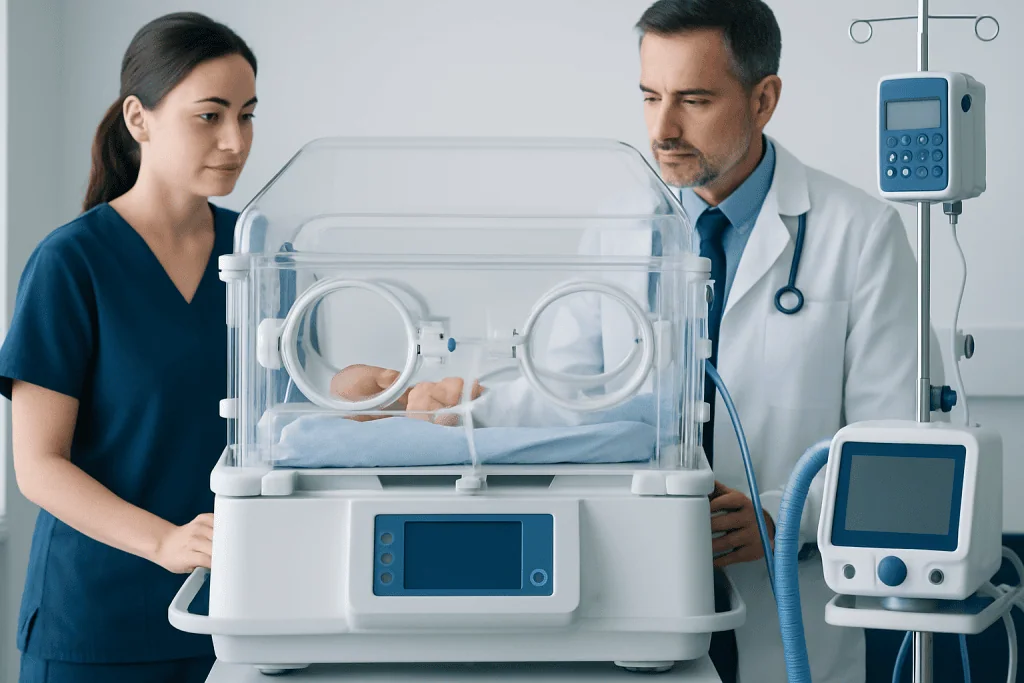
NEC can progress quickly, sometimes over hours to a few days, which is why newborns with concerning symptoms are assessed immediately. In other cases, early signs are subtle and the condition evolves more gradually. The speed of progression cannot be reliably predicted from one symptom alone.
NICU teams monitor at-risk babies closely for changes such as feeding intolerance, abdominal swelling, vomiting, changes in stool, reduced activity, unstable temperature, breathing changes or changes in heart rate. If NEC is suspected, clinicians may repeat abdominal X-rays, laboratory tests and physical examinations over a short period to determine whether the bowel is improving or worsening.
Parents should know that rapid monitoring does not necessarily mean that severe complications will occur. It allows the team to respond without delay if findings suggest intestinal injury, infection in the bloodstream or a bowel perforation.
Who needs treatment and how NEC is diagnosed

Any newborn with suspected NEC needs prompt medical evaluation. Prematurity is the strongest risk factor, particularly when a baby has an immature digestive and immune system. Other factors that may contribute include severe illness, reduced blood flow to the intestine, congenital heart disease and the stresses associated with very early birth. NEC is not caused by anything a parent did or did not do.
Diagnosis is based on the baby’s symptoms, physical examination and tests. The care team may obtain abdominal X-rays to look for gas in the bowel wall, abnormal bowel dilation or free air that can indicate a perforation. Blood tests can help assess infection, inflammation, anemia, platelet levels, acid-base balance and organ function. Ultrasound may also be used in some settings to examine bowel movement, blood flow or fluid in the abdomen.
Doctors often classify NEC by severity using clinical and imaging findings. This helps guide the intensity of treatment, but the team also focuses on the baby’s overall condition rather than a stage number alone. Pediatric surgical consultation is generally requested early when NEC is suspected to be severe or when imaging raises concern for a complication.
What does NEC poop look like?
Stool changes can be one sign of NEC, but stool appearance alone cannot diagnose the condition. A baby may have blood in the stool, which can appear as bright red streaks, dark red material or a black, tar-like appearance if blood has been digested. Some babies have little or no stool because feeding has slowed or stopped and the bowel is not moving normally.
Blood in a newborn’s diaper can have causes other than NEC, including small anal fissures, swallowed maternal blood or other intestinal conditions. However, in a premature or unwell infant, any bloody stool should be reported to the neonatal team immediately so that it can be evaluated in context with abdominal findings, feeding tolerance and vital signs.
Parents and caregivers should not try to interpret stool color at home if a newborn is unwell. A swollen or tender-looking abdomen, green vomiting, poor feeding, unusual sleepiness, breathing difficulty or blood in stool warrants urgent medical attention.
Step-by-step medical treatment and surgery
When NEC is suspected, the first step is usually to stop milk feeds temporarily so the bowel can rest. A tube may be placed through the nose or mouth into the stomach to remove air and fluid. The baby receives intravenous fluids, electrolytes and nutrition as needed, while the care team monitors breathing, circulation, urine output, blood results and abdominal signs.
Doctors commonly give intravenous antibiotics when NEC is suspected, particularly when there is concern for bacterial infection or intestinal injury. The precise medicines and duration depend on local neonatal protocols, test results, disease severity and the baby’s response. Repeated abdominal imaging helps clinicians assess whether bowel changes are resolving or whether there are signs of perforation.
Surgery is considered when there is free air in the abdomen, which strongly suggests a bowel perforation, or when the baby continues to deteriorate despite medical care. During an operation, a pediatric surgeon examines the intestine, removes bowel that is no longer viable when necessary, and may create a temporary stoma so stool can pass into a collection bag while the bowel heals. In selected critically ill babies, a bedside abdominal drain may be used as an initial measure, with further surgery considered according to the response.
After surgery, the baby remains under close NICU observation. Decisions about restarting feeds, changing antibiotics and planning any later stoma closure are individualized. The goal is always to preserve as much healthy bowel as possible while treating life-threatening complications safely.
What is stage 3 necrotizing enterocolitis?
Stage 3 necrotizing enterocolitis refers to advanced NEC in commonly used staging systems. It usually means the baby has more significant systemic illness and abdominal findings, and may have evidence of a perforated bowel. Stage 3 may be divided further based on whether a perforation is present.
Possible features include a markedly swollen or discolored abdomen, severe feeding intolerance, low blood pressure, breathing instability, abnormal blood tests and imaging findings that suggest extensive intestinal injury. Not every baby has every feature, and clinicians consider the full clinical picture when deciding on treatment.
Stage 3 NEC requires intensive NICU support and urgent involvement of pediatric surgery. Although it is a serious diagnosis, individualized treatment, close monitoring and timely surgery when indicated can help address complications and support recovery.
Recovery timeline, benefits, risks and long-term effects
There is no single recovery timeline for NEC. A baby with milder disease treated medically may show improvement over days, but feeds are generally restarted cautiously only after the intestine appears to have recovered. Babies with severe NEC or surgery may need weeks or longer in the NICU, particularly if they require prolonged intravenous nutrition, respiratory support or recovery from other complications of prematurity.
The main benefit of prompt treatment is to limit intestinal injury, treat infection and prevent or manage complications such as perforation. Possible complications of NEC and its treatment include bowel narrowing (stricture), recurrent feeding difficulties, infection, need for further surgery and, after substantial bowel removal, short bowel syndrome. Premature babies may also need follow-up for growth, nutrition, vision, hearing and neurodevelopment.
Long-term effects of necrotizing enterocolitis vary widely. Many babies recover without major ongoing intestinal problems, while others need continued nutritional support, treatment for bowel-related complications or developmental follow-up. Parents can ask the NICU team about an individualized discharge plan, warning signs after discharge and the specialists who should be involved in ongoing care.
Acibadem International’s multidisciplinary neonatal and pediatric specialists at JCI-accredited hospitals can assess and treat NEC-related complications for international patients, with care coordinated according to the infant’s clinical needs.
When to seek medical care
NEC is not a condition to monitor at home. A newborn already in hospital who develops abdominal swelling, green vomiting, blood in stool, poor feeding, unusual sleepiness, temperature instability, breathing changes or reduced activity needs immediate assessment by the neonatal team.
After discharge, parents should seek urgent medical care if an infant has repeated green vomiting, a distended or painful-looking abdomen, blood in the diaper, refusal of feeds, fever or low temperature, difficulty breathing, marked lethargy, fewer wet diapers or a sudden change from usual behavior. These symptoms can have different causes, but newborns should be examined promptly.
For babies recovering from NEC, scheduled follow-up with a pediatrician and any recommended neonatal, surgical, nutrition or developmental services is an important part of care. Families should contact their clinician with questions about feeding progression, weight gain, stoma care or symptoms that are new or worsening.
Frequently asked questions
Can necrotizing enterocolitis be treated without surgery?
Yes. Many babies with NEC improve with bowel rest, intravenous fluids and nutrition, antibiotics when indicated, and close NICU monitoring. Surgery is usually reserved for perforation, dead bowel tissue or worsening disease despite medical treatment.
When can a baby feed again after NEC?
Feeds are restarted only when the clinical team believes the bowel has recovered enough to tolerate them. This timing varies between babies and depends on symptoms, examination findings, imaging results and whether surgery was required. Feeds are typically introduced slowly and monitored closely.
Does every baby with stage 3 NEC need surgery?
Stage 3 NEC requires urgent pediatric surgical involvement, but management depends on the specific findings and the baby’s stability. A confirmed bowel perforation is a common reason for surgery. The surgical and NICU teams decide together based on repeated assessments.
Can NEC come back after treatment?
Recurrence is possible but is not inevitable. Babies are monitored carefully when feeds restart and during recovery for renewed abdominal symptoms, feeding intolerance or other concerns. The treating neonatal team can explain the individual baby’s risk and follow-up plan.
What are the long-term effects of necrotizing enterocolitis?
Some children recover and grow without major ongoing bowel problems. Others may develop bowel narrowing, feeding or growth difficulties, or short bowel syndrome if a large amount of intestine was removed. Premature infants also benefit from developmental follow-up because their needs may extend beyond the intestinal illness.
Can parents prevent NEC?
Parents cannot fully prevent NEC, and it is not anyone’s fault when it occurs. In the NICU, clinicians use evidence-based feeding and newborn-care practices to reduce risk where possible. Parents can support care by sharing concerns promptly and following feeding and follow-up guidance after discharge.
References
- American Academy of Pediatrics
- National Institute of Diabetes and Digestive and Kidney Diseases
- National Institutes of Health
- MedlinePlus
- World Health Organization
This article is for general information only and is not a substitute for professional medical advice. Please consult a qualified doctor about your individual situation.
Persistent digestive symptoms? Get evaluated in Turkey
JCI-accredited · board-certified surgeons · reply within 24h
Add us as a Preferred Source to see more of our trusted health content across Google Search, AI Overviews and Discover.
Check your numbers in seconds
BMI, calories, due date, blood pressure and 30+ more clinical calculators — free, instant, doctor-reviewed ranges.