Nephrectomy: How It Works, Recovery, and What to Expect

Nephrectomy can remove part of a kidney or the whole kidney, depending on the reason for surgery. Common reasons include kidney cancer, major injury, severe infection or damage, and kidney donation.
Key Takeaways
- Nephrectomy can remove part of a kidney or the whole kidney, depending on the reason for surgery.
- Common reasons include kidney cancer, major injury, severe infection or damage, and kidney donation.
- Minimally invasive approaches may shorten hospital stay and recovery time for some patients.
- Most people can live well with one healthy kidney, but long-term follow-up is important.
- Recovery varies by surgical method, overall health, and whether the surgery is partial or radical.
Nephrectomy is an operation to remove part or all of a kidney. It may be recommended for kidney cancer, severe kidney damage, a nonfunctioning kidney, or living kidney donation, and the exact procedure and recovery depend on how much kidney is removed and whether surgery is open, laparoscopic, or robotic.
Overview: what nephrectomy means
Nephrectomy is surgery to remove part of a kidney or the entire kidney. A surgeon may recommend it when a kidney has a tumor, is badly damaged, causes ongoing symptoms, or is being donated for transplantation. In many cases, the goal is to treat disease while preserving as much healthy kidney function as possible.
There are several types of nephrectomy. A partial nephrectomy removes only the diseased area and leaves the rest of the kidney in place. A simple nephrectomy removes the whole kidney. A radical nephrectomy removes the whole kidney and may also include nearby fatty tissue, and sometimes the adrenal gland or nearby lymph nodes, depending on the condition being treated.
The procedure can be performed through traditional open surgery or by minimally invasive methods such as laparoscopic or robotic-assisted surgery. The best approach depends on the size and location of the problem, the patient’s anatomy, kidney function, and the surgical team’s assessment. When nephrectomy is being considered for a kidney tumor, it may be part of care for kidney cancer.
Who may need nephrectomy
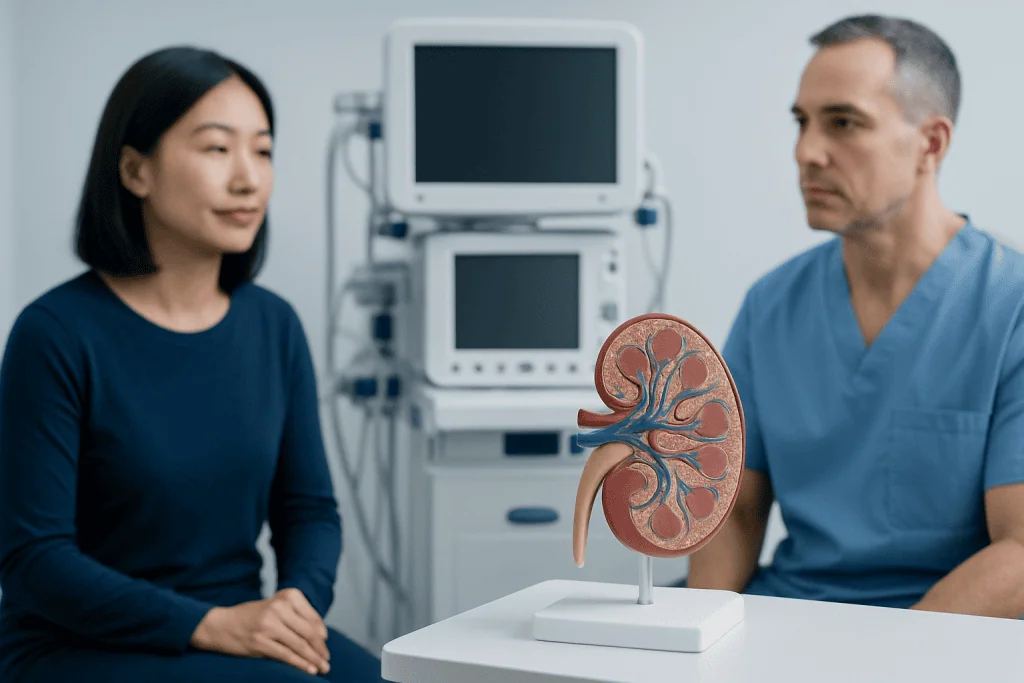
Nephrectomy is not one single operation for one single diagnosis. It is a treatment option used in different situations. A person may need it if imaging shows a suspicious kidney mass, if the kidney has been severely injured, or if a nonfunctioning kidney is causing repeated infection, pain, or uncontrolled high blood pressure.
Doctors often consider nephrectomy for conditions such as:
- Kidney cancer or a kidney mass that cannot be safely monitored
- Large benign tumors that damage the kidney or cause symptoms
- Severe trauma with irreversible kidney injury
- A poorly functioning kidney linked to recurrent infection or obstruction
- Congenital or structural problems that have led to permanent damage
- Living kidney donation
Candidacy depends on more than the diagnosis alone. The care team looks at kidney function in both kidneys, overall medical fitness for surgery, blood pressure, diabetes, age, and whether kidney-sparing surgery is possible. Whenever feasible, preserving kidney tissue is often preferred, because keeping more working kidney can support long-term health.
In some people, nephrectomy is considered after other evaluations or treatments. For example, urinary blockage from kidney stones or another cause may need separate management before surgery, and not every kidney mass requires immediate removal.
How the procedure works, step by step

Before surgery, the patient usually has blood tests, urine tests, and imaging such as CT or MRI scans. These tests help the surgical team understand the size and location of the problem, assess kidney function, and plan the safest approach. The patient also meets the anesthesia team and receives instructions about fasting, medications, and what to expect on the day of surgery.
Nephrectomy is performed under general anesthesia. After the patient is asleep, the surgeon makes either one larger incision for open surgery or several small incisions for laparoscopic or robotic surgery. In a partial nephrectomy, the surgeon identifies the diseased area, temporarily controls blood flow if needed, removes the abnormal tissue, and reconstructs the kidney to reduce bleeding and urine leakage. In a radical nephrectomy, the surgeon separates the kidney from surrounding structures and removes it carefully.
The choice between open and minimally invasive surgery depends on the case. A minimally invasive approach may mean smaller incisions and quicker early recovery for suitable patients. However, open surgery may still be the best option for very large tumors, complex anatomy, prior surgeries, or situations where wider access improves safety.
Many patients who are exploring surgical options will discuss robotic surgery or urologic surgery with their specialist. The aim is always to choose the approach that offers good cancer control or symptom relief while protecting overall kidney health as much as possible.
Benefits and possible risks
The main benefit of nephrectomy is that it can remove a diseased part of the kidney or the entire kidney when that is the safest and most effective treatment. For kidney cancer, surgery may be the main curative treatment when the tumor is localized. In non-cancer situations, nephrectomy may help relieve chronic pain, recurrent infection, bleeding, or problems caused by a nonfunctioning kidney.
Partial nephrectomy offers the advantage of preserving more kidney tissue. This can be especially important for people who have reduced kidney function, diabetes, high blood pressure, or only one working kidney. Radical nephrectomy may be more appropriate when the tumor is large, centrally located, or not suitable for a kidney-sparing operation.
As with any major operation, there are risks. These can include bleeding, infection, pain, blood clots, anesthesia-related complications, injury to nearby organs or blood vessels, and hernia at the incision site. Partial nephrectomy also carries specific risks such as urine leakage from the kidney repair area. Some patients may have a temporary or lasting decline in kidney function after surgery.
Most people do well after nephrectomy, especially when the remaining kidney is healthy. Even so, the balance of benefits and risks is individualized. A careful discussion with a urologist helps clarify whether surgery is necessary now, whether a less extensive procedure is possible, and what outcomes are realistic in that person’s situation.
Recovery timeline and life after surgery
Recovery after nephrectomy depends on the type of operation and the patient’s overall health. After surgery, patients are monitored for pain control, bleeding, urine output, and return of bowel function. A urinary catheter may be used for a short time, and walking is encouraged early to support circulation and recovery.
Hospital stay is often shorter after laparoscopic or robotic surgery than after open surgery, although recovery varies. In the first days to weeks, fatigue, soreness around the incision, and reduced stamina are common. Most patients are advised to avoid heavy lifting and strenuous activity for a period recommended by their surgeon. Driving, work, and exercise are resumed gradually based on pain control, mobility, and healing.
At home, recovery generally focuses on hydration, gentle movement, wound care, and taking medicines exactly as directed. Follow-up visits may include pathology review, blood pressure checks, blood tests to monitor kidney function, and imaging when needed. If nephrectomy was done for cancer, the doctor will explain the surveillance plan and whether any further treatment is necessary.
Living with one kidney is possible for many people. Long-term kidney health is supported by controlling blood pressure, managing diabetes if present, avoiding unnecessary use of medicines that may affect the kidneys, and keeping regular follow-up. If more advanced kidney support is needed, specialists may discuss options including kidney transplant in selected cases.
Preparing for nephrectomy and protecting kidney health
Good preparation can make recovery smoother. Before nephrectomy, patients should tell their doctor about all medicines, vitamins, and supplements they take, especially blood thinners and anti-inflammatory drugs. Smoking cessation, if relevant, may reduce surgical and wound-healing risks. Nutrition, physical activity within comfort, and treatment of existing infections are also part of safer preparation.
Questions to discuss before surgery may include whether partial nephrectomy is possible, what surgical approach is planned, how much kidney function is expected to remain, and what the pathology results could mean. It is also reasonable to ask about pain control, likely length of stay, return to work, and whether any drains or catheters will be used temporarily.
After surgery, protecting the remaining kidney tissue becomes especially important. General self-care includes staying hydrated unless the care team advises fluid restriction, keeping blood pressure in a healthy range, limiting tobacco exposure, and following guidance about over-the-counter pain relievers. Regular blood tests and urine checks may help detect changes early.
For international patients seeking coordinated care, Acibadem International’s multidisciplinary specialists and JCI-accredited hospitals diagnose and treat kidney conditions, including surgical treatment planning and follow-up after nephrectomy.
When to seek medical care
A person should seek medical evaluation if they have blood in the urine, a kidney mass found on imaging, persistent flank pain, repeated kidney infections, or unexplained weight loss or fatigue. These symptoms do not always mean surgery is needed, but they warrant assessment by a qualified doctor.
After nephrectomy, urgent medical advice is needed for fever, worsening redness or drainage from the incision, severe pain not relieved by prescribed medicine, chest pain, shortness of breath, heavy bleeding, swelling in the legs, inability to pass urine, or repeated vomiting. These symptoms may signal a complication and should not be ignored.
Routine follow-up is also important even when recovery seems smooth. Many concerns after nephrectomy are manageable when identified early, including blood pressure changes, reduced kidney function, and healing issues. If new symptoms appear weeks or months later, the patient should contact their surgeon or primary doctor rather than self-treating.
Patients who need specialist evaluation for kidney surgery may be referred for nephrectomy assessment, where imaging, kidney function, and overall health are reviewed to determine the most suitable plan.
Frequently asked questions
What is the difference between partial and radical nephrectomy?
A partial nephrectomy removes only the diseased portion of the kidney and keeps the remaining healthy tissue. A radical nephrectomy removes the entire kidney and sometimes nearby tissue, depending on the reason for surgery. The choice depends on the size, location, and nature of the kidney problem.
Can a person live normally with one kidney?
Many people live full, healthy lives with one functioning kidney. The remaining kidney often provides enough function for everyday health needs. Regular follow-up is still important to monitor blood pressure and kidney function over time.
How long does it take to recover from nephrectomy?
Recovery time varies depending on whether the surgery was open, laparoscopic, or robotic, and whether part or all of the kidney was removed. Some people return to light activities within a few weeks, while full recovery can take longer, especially after open surgery. The surgeon gives individualized guidance based on healing and overall health.
Is nephrectomy always done for cancer?
No. Although nephrectomy is commonly used to treat kidney cancer, it may also be performed for severe injury, a nonfunctioning kidney, chronic infection, or kidney donation. The reason for surgery affects the type of operation and follow-up plan.
What are the main risks after nephrectomy?
Potential risks include bleeding, infection, blood clots, pain, and reduced kidney function. Some risks are specific to the type of surgery, such as urine leakage after partial nephrectomy. Most patients recover well, but close monitoring after surgery helps detect complications early.
Will nephrectomy require long-term diet or lifestyle changes?
Not everyone needs major long-term changes, but kidney-friendly habits become more important after surgery. Doctors often recommend blood pressure control, good hydration when appropriate, avoiding smoking, and caution with medicines that can affect the kidneys. Advice is tailored to the health of the remaining kidney and the patient’s other medical conditions.
References
- National Institute of Diabetes and Digestive and Kidney Diseases
- American Urological Association
- National Cancer Institute
- European Association of Urology
- Mayo Clinic
This article is for general information only and is not a substitute for professional medical advice. Please consult a qualified doctor about your individual situation.
Oncology care in Turkey — second opinion and treatment plan
JCI-accredited · board-certified surgeons · reply within 24h
Add us as a Preferred Source to see more of our trusted health content across Google Search, AI Overviews and Discover.
Check your numbers in seconds
BMI, calories, due date, blood pressure and 30+ more clinical calculators — free, instant, doctor-reviewed ranges.

More from the Health Library



Related Specialists

Dr. Filiz Yarımçan
Clinical Laboratory
Dr. Gül Sema Can
Gynecology & Obstetrics
Prof. Dr. Nail Suat Ünver
Internal Medicine
Prof. Dr. Rezan Topaloğlu
Pediatric Nephrology