Neurodegenerative Disorders Explained: How Brain Cells Become Damaged

Neurodegenerative disorders involve progressive damage to nerve cells in the brain or nervous system. Symptoms vary by condition and may include memory loss, tremor, stiffness, weakness, balance problems, or changes in behavior.
Key Takeaways
- Neurodegenerative disorders involve progressive damage to nerve cells in the brain or nervous system.
- Symptoms vary by condition and may include memory loss, tremor, stiffness, weakness, balance problems, or changes in behavior.
- Diagnosis usually combines a medical history, neurological examination, brain imaging, and sometimes genetic or laboratory tests.
- Treatment focuses on symptom control, maintaining function, rehabilitation, and supportive care.
- Early medical evaluation can help clarify the cause of symptoms and support better long-term planning.
Neurodegenerative disorders are conditions in which nerve cells in the brain or nervous system become damaged and gradually stop working properly. They can affect memory, movement, balance, speech, behavior, and daily activities, often progressing slowly over time.
Overview
Neurodegenerative disorders are a group of conditions in which nerve cells, also called neurons, gradually become damaged or die. These cells are essential for communication throughout the brain and body. When they stop working as they should, symptoms can develop in areas such as memory, movement, coordination, speech, mood, or swallowing.
The term covers many different diseases rather than one single illness. Examples include Alzheimer’s disease, Parkinson’s disease, Huntington’s disease, amyotrophic lateral sclerosis (ALS), and some forms of dementia. Each disorder affects different parts of the nervous system, so the symptoms and pace of change can vary from person to person.
In many cases, neurodegeneration develops slowly over years. At first, the changes may be subtle, such as mild forgetfulness, slower walking, reduced balance, or small changes in behavior. Because these signs can overlap with normal aging or other health problems, professional assessment is important when symptoms persist or worsen.
Although many neurodegenerative disorders cannot yet be cured, medical care can still make a meaningful difference. Treatment may help reduce symptoms, preserve independence for longer, support nutrition and mobility, and improve quality of life. A care plan often involves neurologists, rehabilitation specialists, therapists, and family support.
How Brain Cells Become Damaged
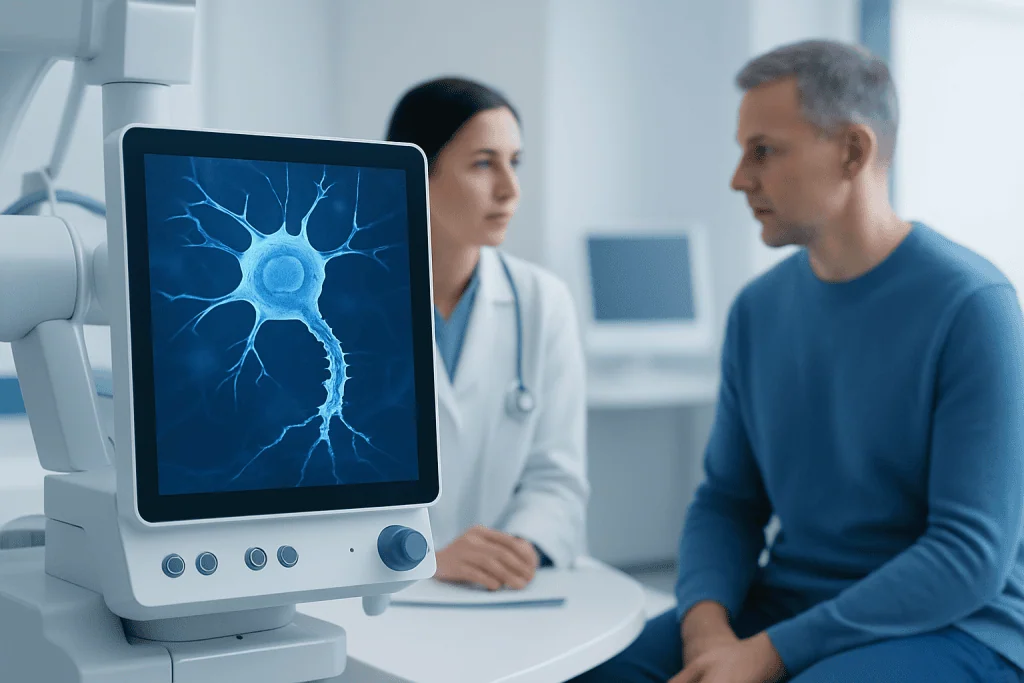
Neurons are highly specialized cells, and they depend on a delicate balance of energy supply, protein handling, chemical signaling, and protection from inflammation. In neurodegenerative disorders, one or more of these systems begins to fail. Over time, this can disrupt communication between cells and lead to progressive loss of brain or nerve function.
One common mechanism involves abnormal proteins. In some conditions, certain proteins fold incorrectly, clump together, or build up inside or around nerve cells. These protein deposits can interfere with normal cell function and may trigger cell injury. Different disorders are linked to different abnormal proteins, which helps explain why they affect different brain regions.
Other possible contributors include mitochondrial dysfunction, oxidative stress, chronic inflammation, reduced blood flow, and problems with the body’s normal waste-clearing systems. In some people, inherited genetic changes increase the risk of these processes. In others, age and environmental factors appear to play a larger role. Often, neurodegeneration develops from a combination of influences rather than a single cause.
Researchers continue to study why some neurons are more vulnerable than others. This growing understanding is helping guide earlier diagnosis and the development of newer therapies. It also explains why related conditions such as Alzheimer’s disease and Parkinson’s disease can share broad features while still behaving differently in daily life.
Symptoms and Common Types

Symptoms depend on which part of the nervous system is affected. When the areas responsible for memory and thinking are involved, a person may notice forgetfulness, difficulty finding words, poor judgment, confusion, or personality changes. When movement centers are affected, symptoms may include tremor, stiffness, slowness, poor coordination, balance problems, or falls.
Some disorders mainly affect strength and muscle control. In these cases, people may develop weakness, muscle twitching, trouble speaking, or difficulty swallowing. Others may affect vision, sleep, mood, or bladder and bowel function. Symptoms are often gradual at first, but progression can differ widely between conditions and between individuals.
Common neurodegenerative disorders include:
- Alzheimer’s disease and other dementias, which primarily affect memory, thinking, and behavior
- Parkinson’s disease and related syndromes, which commonly affect movement, balance, and sometimes cognition
- Huntington’s disease, an inherited condition that can cause movement, cognitive, and psychiatric symptoms
- Amyotrophic lateral sclerosis (ALS), which affects the nerve cells that control muscles
- Frontotemporal disorders, which often begin with changes in personality, behavior, or language
Because symptom patterns can overlap, it is not always possible to identify the exact condition based on symptoms alone. A detailed evaluation helps distinguish neurodegenerative disease from other possible causes such as stroke, vitamin deficiency, thyroid disease, infection, medication effects, or structural brain problems.
Causes and Risk Factors
The strongest risk factor for many neurodegenerative disorders is increasing age, but age alone does not fully explain them. Some people develop disease because of inherited gene changes, while others have no clear family history. Risk may also be influenced by vascular health, head injury, long-term exposure to certain toxins, chronic inflammation, and other medical conditions.
Genetics plays a major role in some disorders, such as Huntington’s disease and certain familial forms of Alzheimer’s disease, Parkinson’s disease, or ALS. Even when a disease is not directly inherited, genes may still affect a person’s susceptibility. Genetic counseling may be helpful when symptoms appear at a younger age or when several family members are affected.
Conditions that affect blood vessels, including high blood pressure, diabetes, high cholesterol, and smoking, may increase the risk of cognitive decline or worsen overall brain health. Poor sleep, limited physical activity, untreated hearing loss, and social isolation may also contribute to reduced cognitive resilience in some people. These factors do not directly cause every neurodegenerative disorder, but they can influence brain function over time.
It is important to remember that having a risk factor does not mean a person will definitely develop disease. Likewise, some people develop neurodegenerative disorders despite a healthy lifestyle. Risk reduction is still valuable because it supports overall brain and body health, even when it cannot fully prevent disease.
How Diagnosis Is Made
Diagnosis begins with a careful medical history and neurological examination. The doctor asks about symptoms, when they started, how they have changed, what daily tasks have become harder, and whether there is a family history of similar conditions. A neurological exam may assess memory, language, strength, reflexes, sensation, walking, balance, and coordination.
Brain imaging is often part of the evaluation. MRI is commonly used to look for changes in brain structure and to rule out other causes such as stroke, bleeding, tumors, or <a href="https://acibademinternational.com/diseases/normal-pressure-hydrocephalus/”>normal pressure hydrocephalus. In selected cases, additional imaging or specialized tests may be recommended. These can help show patterns that support a particular diagnosis or exclude other conditions.
Blood tests are also important because some symptoms that resemble neurodegeneration can be caused by treatable problems such as thyroid disorders, vitamin deficiencies, liver or kidney disease, or infection. Depending on the situation, the doctor may recommend cognitive testing, nerve and muscle studies, spinal fluid analysis, sleep assessment, or genetic testing.
Reaching a diagnosis may take time, especially early in the disease course when symptoms are mild or mixed. Follow-up visits can be just as important as the first assessment. In complex cases, patients may benefit from advanced MRI scanning, formal neurological rehabilitation assessment, or specialist review in services focused on neurology and related brain disorders.
Treatment Options and Long-Term Care
Treatment depends on the specific disorder, the person’s symptoms, and how much daily function is affected. While many neurodegenerative diseases are not reversible, treatment can still be very helpful. The main goals are to relieve symptoms, support independence, prevent complications, and plan for changing needs over time.
Medicines may help with memory symptoms, tremor, stiffness, mood changes, sleep problems, pain, saliva control, or muscle spasticity, depending on the diagnosis. Rehabilitation therapies are often just as important as medication. Physical therapy can support strength, flexibility, mobility, and balance. Occupational therapy can make daily activities easier and safer. Speech and language therapy may help with communication and swallowing.
Nutrition support, mobility aids, home modifications, and caregiver education can play a major role in day-to-day wellbeing. In some cases, treatment also includes management of breathing, bladder function, constipation, or behavioral symptoms. For selected movement disorders, procedures such as deep brain stimulation may be considered after specialist evaluation.
Long-term care works best when it is individualized and reviewed regularly. The needs of a person with early memory problems will differ from those of someone with advanced movement or swallowing difficulties. Near the end of the care pathway, multidisciplinary teams such as those at Acibadem International’s JCI-accredited hospitals may help international patients with diagnosis, symptom management, rehabilitation, and coordinated follow-up.
Prevention, Self-Care, and When to See a Doctor
There is no guaranteed way to prevent all neurodegenerative disorders, but healthy habits can support brain health and may lower the risk of some conditions or reduce their impact. Regular physical activity, good blood pressure and diabetes control, not smoking, sufficient sleep, social engagement, and mentally stimulating activities are commonly recommended. Protecting hearing and treating depression may also support cognitive wellbeing.
For people already living with a neurodegenerative disorder, self-care focuses on safety, consistency, and support. Helpful steps may include taking medicines as prescribed, attending therapy sessions, using walking aids when needed, following swallowing advice, and keeping the home environment simple and safe. Family members and caregivers often benefit from education and respite support as the condition changes.
A doctor should be consulted if there is persistent memory loss, new tremor, stiffness, repeated falls, unexplained weakness, speech changes, trouble swallowing, major personality changes, or difficulty completing familiar tasks. These symptoms do not always mean a neurodegenerative disease is present, but they should not be ignored. Early review can identify treatable causes and make future planning easier.
Urgent medical care is needed if symptoms appear suddenly, such as abrupt weakness, facial drooping, sudden confusion, severe headache, or sudden trouble speaking, because these can suggest stroke or another emergency rather than a slowly progressive neurodegenerative condition.
Frequently asked questions
What are neurodegenerative disorders?
Neurodegenerative disorders are illnesses in which nerve cells in the brain or nervous system gradually become damaged and lose function. Depending on the part of the nervous system involved, they may affect memory, movement, speech, behavior, strength, or swallowing.
Are neurodegenerative disorders the same as dementia?
No. Dementia is a syndrome involving decline in memory and thinking severe enough to affect daily life, while neurodegenerative disorders are a broader group of diseases. Some neurodegenerative disorders cause dementia, but others mainly affect movement or muscle control.
Can neurodegenerative diseases be cured?
Many neurodegenerative diseases cannot currently be cured, but treatment can still help significantly. Medicines, rehabilitation, nutrition support, and symptom management may improve comfort, function, and quality of life.
Who is at risk of developing a neurodegenerative disorder?
Risk often increases with age, but genetics, vascular health, head injury, and other factors may also play a role. A person can have risk factors and never develop disease, while another person may develop it without a clear reason.
How are neurodegenerative disorders diagnosed?
Diagnosis usually involves a medical history, neurological exam, and tests such as blood work and brain imaging. Some people may also need cognitive testing, genetic testing, spinal fluid studies, or follow-up over time to clarify the diagnosis.
When should someone seek medical advice for possible neurodegeneration?
Medical advice is important if there is ongoing memory loss, new movement problems, repeated falls, weakness, speech difficulty, or marked changes in behavior or daily functioning. Earlier assessment can help rule out treatable causes and guide the right care plan.
References
- World Health Organization
- National Institute on Aging
- National Institute of Neurological Disorders and Stroke
- Alzheimer's Association
- Parkinson's Foundation
This article is for general information only and is not a substitute for professional medical advice. Please consult a qualified doctor about your individual situation.
Explore treatments in Turkey — costs, top hospitals & a free quote
JCI-accredited · board-certified surgeons · reply within 24h
Add us as a Preferred Source to see more of our trusted health content across Google Search, AI Overviews and Discover.