Neuroinfectious Disease Testing: Blood Work, MRI, and Spinal Fluid Explained

Neuroinfectious disease testing looks for infections involving the brain, spinal cord, or nervous system. Doctors usually use a combination of history, examination, blood tests, imaging, and sometimes lumbar puncture.
Key Takeaways
- Neuroinfectious disease testing looks for infections involving the brain, spinal cord, or nervous system.
- Doctors usually use a combination of history, examination, blood tests, imaging, and sometimes lumbar puncture.
- MRI helps show inflammation, swelling, or other changes in the brain and spinal cord.
- Spinal fluid testing can provide important clues about bacteria, viruses, fungi, or autoimmune conditions.
- Early evaluation is important when symptoms such as fever, severe headache, confusion, or seizures occur.
Neuroinfectious disease testing helps doctors find infections that affect the brain, spinal cord, or nerves. It often combines blood tests, MRI scans, and spinal fluid analysis to identify the cause and guide timely treatment.
Overview of Neuroinfectious Disease Testing
Neuroinfectious disease testing is the process doctors use to diagnose infections that affect the nervous system. These infections may involve the brain, spinal cord, the membranes around them, or the peripheral nerves. Because symptoms can overlap with stroke, autoimmune disease, seizures, or other neurological conditions, testing is usually done step by step rather than relying on one single exam.
The main tools often include a detailed medical history, a neurological examination, blood work, brain or spine imaging, and analysis of cerebrospinal fluid, also called spinal fluid. Cerebrospinal fluid surrounds and protects the brain and spinal cord, so changes in it can reveal inflammation or infection. The exact combination of tests depends on the person’s age, symptoms, travel history, immune status, medications, and how quickly symptoms began.
Doctors may suspect a neuroinfectious condition when a person develops fever together with headache, neck stiffness, confusion, seizures, weakness, unusual behavior changes, sensitivity to light, or loss of consciousness. In some cases, symptoms appear suddenly and require urgent assessment. In others, such as certain fungal or chronic infections, symptoms may develop more slowly over days to weeks.
The goal of testing is not only to confirm that an infection is present, but also to find the likely cause. Bacteria, viruses, fungi, parasites, and, more rarely, other organisms can affect the nervous system. Knowing the cause helps guide treatment and supports safer decisions about antiviral, antibiotic, or antifungal therapy.
Symptoms That May Lead to Testing
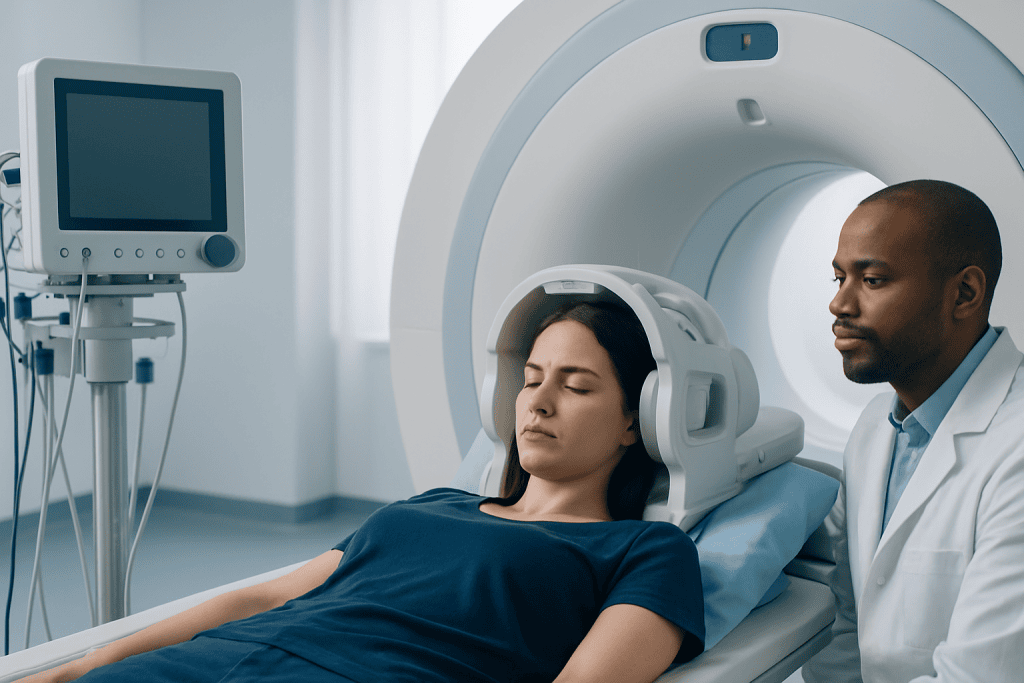
Symptoms of a possible neuroinfection can vary widely depending on which part of the nervous system is affected. Brain infections such as encephalitis may cause confusion, drowsiness, personality changes, memory problems, or seizures. Infections involving the coverings of the brain and spinal cord, such as meningitis, often cause headache, fever, neck stiffness, nausea, and sensitivity to light.
Spinal cord involvement may lead to back pain, weakness, numbness, difficulty walking, or bladder and bowel changes. Some infections can affect the peripheral nerves, causing tingling, weakness, facial droop, or pain. Symptoms may be more subtle in young children, older adults, or people with weakened immune systems.
Doctors are also guided by the overall context. Recent infections, tick bites, insect exposure, travel, contact with tuberculosis, HIV status, cancer treatment, organ transplantation, or the use of immunosuppressive medicines can all change the list of likely causes. A careful history can narrow down what tests are most useful and whether urgent treatment should begin even before all test results are back.
- Fever with severe headache
- Confusion or changes in alertness
- Seizures
- Neck stiffness
- New weakness or numbness
- Severe vomiting or sensitivity to light
Blood Work: What It Can Show

Blood tests are usually one of the first steps in neuroinfectious disease testing. Although blood work alone often cannot confirm a nervous system infection, it provides important clues about inflammation, immune response, dehydration, organ function, and possible bloodstream infection. It also helps doctors assess whether a person is stable enough for further tests and which treatments may be safest.
Common blood tests may include a complete blood count, inflammatory markers, electrolytes, kidney and liver function, and blood cultures. Depending on the clinical picture, doctors may also order tests for specific viruses, bacteria, fungi, or parasites. In some situations, antibody or antigen tests may help identify infections such as HIV, syphilis, Lyme disease, or certain viral illnesses. These results are interpreted together with symptoms and imaging, because a positive blood test does not always mean the nervous system itself is infected.
Blood work can also help rule out other conditions that mimic neuroinfection. Metabolic disturbances, medication effects, autoimmune disorders, and systemic infections can all cause confusion, weakness, or seizures. For this reason, blood tests are valuable not just for finding infection but for building a fuller picture of what is happening.
When doctors suspect a serious central nervous system infection, blood samples are often collected before treatment begins. This can improve the chance of identifying an organism, especially if blood cultures are needed. However, treatment may still start right away when symptoms are severe, because waiting for results could delay necessary care.
MRI and Other Imaging: Why Scans Matter
MRI is one of the most useful imaging tests when doctors suspect infection in the brain or spinal cord. It creates detailed pictures of soft tissues and can show swelling, inflammation, abscesses, bleeding, or changes in the meninges. MRI is especially helpful because it can detect abnormalities that may not appear on a standard CT scan, particularly in early or subtle disease.
In neuroinfectious disease testing, MRI may help doctors distinguish among different possible causes of symptoms. Certain infection patterns can suggest encephalitis, abscess, spinal cord inflammation, or complications such as blocked fluid pathways. MRI can also help identify conditions that are not infections at all, such as tumors, demyelinating disorders, or stroke. In some patients, contrast material is used to provide more detail and highlight areas of inflammation.
CT scans may also be used, particularly in emergency settings, because they are fast and widely available. A CT scan can quickly detect bleeding, major swelling, hydrocephalus, or a mass effect that might affect whether a lumbar puncture can be done safely. In many cases, CT is the first test and MRI follows for a more complete evaluation.
Imaging is important not only for diagnosis but also for safety planning. If increased pressure inside the skull or a space-occupying lesion is suspected, imaging may be done before spinal fluid is collected. This helps reduce the risk of complications and allows the medical team to choose the safest order of tests.
Spinal Fluid Testing and Lumbar Puncture Explained
Spinal fluid testing is often a key part of neuroinfectious disease testing because cerebrospinal fluid is in direct contact with the brain and spinal cord. The sample is collected through a procedure called a lumbar puncture, also known as a spinal tap. During this procedure, a needle is placed into the lower back to withdraw a small amount of fluid for laboratory analysis.
The fluid is tested for cell counts, protein, glucose, and signs of inflammation. It may also be sent for bacterial culture, molecular tests such as PCR, fungal studies, and other specialized analyses depending on the suspected cause. Different patterns in spinal fluid can help doctors judge whether the infection is more likely to be bacterial, viral, fungal, or related to another inflammatory process. In some situations, spinal fluid testing also helps evaluate conditions that resemble infection, such as autoimmune encephalitis or cancer involving the nervous system.
Many patients worry about whether a lumbar puncture is painful or dangerous. The area is usually numbed first, and the procedure is commonly described as uncomfortable rather than sharply painful. Some people develop a headache afterward, but this often improves with rest, fluids, and medical advice. The medical team reviews bleeding risk, medications, and imaging results to make the procedure as safe as possible.
Spinal fluid test results may not all return at the same time. Basic measurements can be available quickly, while cultures and certain molecular tests take longer. Even so, early results can strongly influence treatment decisions, especially when there is concern for meningitis or encephalitis.
How Doctors Combine Results to Make a Diagnosis
Diagnosing a neuroinfectious condition is often like putting together pieces of a puzzle. Doctors compare symptoms, examination findings, blood tests, imaging, and spinal fluid results rather than depending on one result in isolation. For example, a person with fever, confusion, an abnormal MRI pattern, and inflammatory changes in spinal fluid may be treated very differently from someone whose tests suggest an autoimmune or noninfectious cause.
Timing matters as well. Early in illness, some tests may still be normal or only mildly abnormal. If symptoms change, doctors may repeat blood work, imaging, or other studies. In selected cases, additional tests such as electroencephalography, nerve conduction studies, biopsies, or repeat spinal fluid sampling may be considered to clarify the diagnosis.
Because these illnesses can affect many organs and involve a wide range of organisms, diagnosis often involves more than one specialist. Neurologists, infectious disease specialists, neuroradiologists, intensivists, and laboratory experts may all play a role. This team approach can be especially important in people with complex medical histories or weakened immune systems.
Sometimes treatment begins before the exact organism is known. This is common when symptoms are severe or a dangerous infection is strongly suspected. Once more results become available, the medical team can narrow or adjust therapy to better match the most likely cause.
Treatment, Follow-Up, and Self-Care
Treatment depends on the cause of the infection and how severe it is. Doctors may use antivirals, antibiotics, antifungal medicines, or other targeted therapies. Supportive care is also important and may include fluids, fever control, seizure management, breathing support, or treatment for increased pressure in the brain. Some people need hospital care, while others can be monitored more selectively depending on symptoms and test findings.
Follow-up testing may be needed to monitor recovery or check for complications. This can include repeat neurological examinations, laboratory tests, or scans such as MRI if symptoms persist or change. In some cases, a lumbar puncture may be repeated to assess response to treatment or to clarify a diagnosis when initial results were uncertain. If imaging is needed urgently at the start, a CT scan may be used first to evaluate safety and identify major complications.
At home, self-care should focus on recovery and communication with the care team. This may include taking medicines exactly as prescribed, staying hydrated, resting, and attending follow-up appointments. People should not stop treatment early simply because they feel better, as some infections require a full course of therapy and careful monitoring.
If ongoing neurological symptoms remain after treatment, rehabilitation may help. Cognitive therapy, physical therapy, occupational therapy, or speech therapy can be part of recovery for some patients. Near the end of the care pathway, patients may also wish to know that Acibadem International’s multidisciplinary specialists in JCI-accredited hospitals diagnose and treat complex neuroinfectious conditions for international patients.
When to Seek Urgent Medical Care
Possible nervous system infections should not be ignored, especially when symptoms appear suddenly or become severe. Urgent medical assessment is important for fever with severe headache, new confusion, seizures, fainting, marked sleepiness, neck stiffness, difficulty speaking, new weakness, or trouble walking. These symptoms do not always mean infection, but they deserve prompt evaluation.
Infants, older adults, pregnant people, and those with weakened immune systems may have fewer typical symptoms and can become ill more quickly. In these groups, unusual sleepiness, poor feeding, persistent vomiting, behavior changes, or unexplained weakness should be assessed without delay. People who recently had neurosurgery, head trauma, or implanted neurological devices may also need urgent review if infection is suspected.
It is also important to return for medical care if symptoms worsen after testing or after treatment has started. Increasing headache, repeated vomiting, new fever, rash, seizures, or changes in alertness should be reported promptly. A doctor can advise whether these changes relate to the illness itself, treatment side effects, or another developing problem.
Early diagnosis can make treatment more focused and may help reduce complications. Anyone with concerning neurological symptoms should seek care from a qualified doctor or emergency service rather than trying to manage severe symptoms at home.
Frequently asked questions
What is neuroinfectious disease testing?
It is the set of tests doctors use to find infections affecting the brain, spinal cord, or nerves. These tests often include blood work, imaging such as MRI or CT, and spinal fluid analysis.
Why are blood tests not enough on their own?
Blood tests can show signs of inflammation or infection, but they may not prove that the nervous system is involved. Doctors usually need imaging or spinal fluid testing to get more direct information about the brain and spinal cord.
What does an MRI show in a suspected brain infection?
MRI can show swelling, inflammation, abscesses, or other structural changes in the brain or spinal cord. It also helps doctors rule out other causes of symptoms, such as stroke, tumors, or demyelinating disease.
Is a lumbar puncture always necessary?
Not always, but it is often one of the most informative tests when a central nervous system infection is suspected. The decision depends on symptoms, imaging findings, medical history, and whether the procedure can be done safely.
How long do spinal fluid test results take?
Some basic results, such as cell count, glucose, and protein, may be available relatively quickly. Other tests, including cultures and some specialized molecular studies, can take longer, so treatment may begin before all results are final.
Can doctors start treatment before the exact infection is confirmed?
Yes. If symptoms and early test results strongly suggest a serious infection, doctors may begin treatment right away to avoid delay. Therapy can then be adjusted as more information becomes available.
This article is for general information only and is not a substitute for professional medical advice. Please consult a qualified doctor about your individual situation.
Joint and spine care in Turkey — expert assessment & treatment
JCI-accredited · board-certified surgeons · reply within 24h
Add us as a Preferred Source to see more of our trusted health content across Google Search, AI Overviews and Discover.

More from the Health Library
Interventional Radiology: Minimally Invasive Treatments Guided by Imaging

Diagnostic Ultrasound: How It Works and What It Can Detect

What Is a Diagnostic Mammogram After an Abnormal Screening?

Understanding Abnormal Lab Results: Common Causes and Next Steps
What Is a Diagnostic Test? Common Types and Why Doctors Order Them