Neuroinfectious Diseases Diagnosis: When Headache, Fever, or Confusion Need Urgent Care
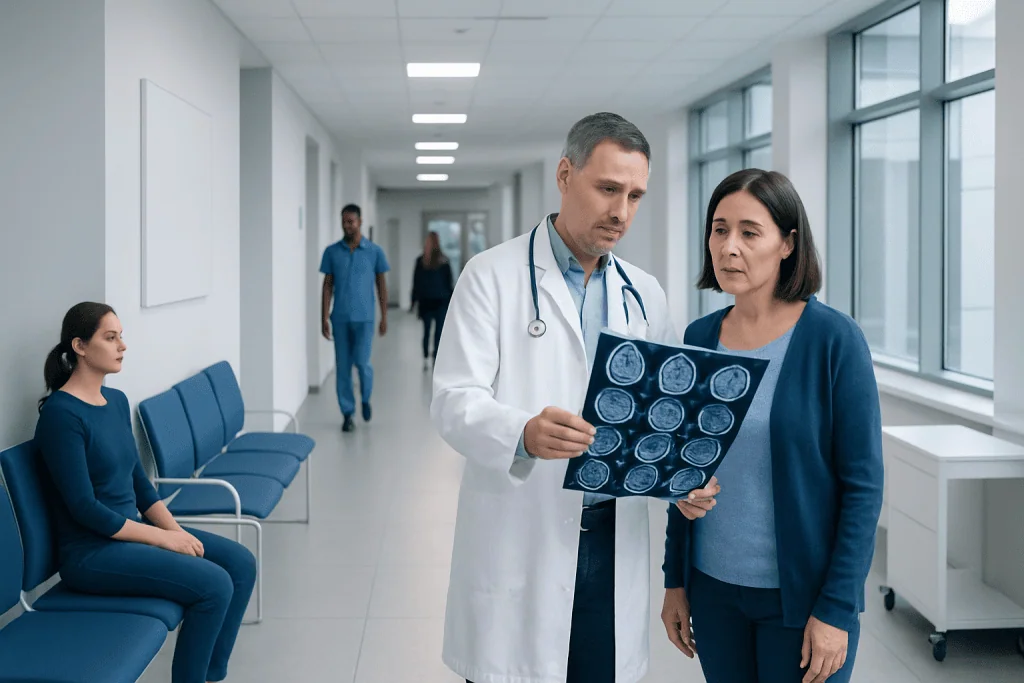
Neuroinfectious diseases can affect the brain, spinal cord, surrounding tissues, or peripheral nerves. Headache, fever, confusion, neck stiffness, seizures, or sudden behavior changes need prompt medical attention.
Key Takeaways
- Neuroinfectious diseases can affect the brain, spinal cord, surrounding tissues, or peripheral nerves.
- Headache, fever, confusion, neck stiffness, seizures, or sudden behavior changes need prompt medical attention.
- Diagnosis may involve a neurological exam, blood tests, brain imaging, and sometimes a lumbar puncture.
- Early treatment can reduce the risk of complications and long-term neurological problems.
- Not every headache or fever is dangerous, but new neurological symptoms should never be ignored.
Neuroinfectious diseases are infections that affect the brain, spinal cord, meninges, or nerves. Fast diagnosis is important because symptoms such as severe headache, fever, neck stiffness, seizures, or confusion can signal a medical emergency that needs urgent evaluation.
Overview of Neuroinfectious Diseases
Neuroinfectious diseases are infections involving the nervous system. This may include the brain, the membranes around the brain and spinal cord, the spinal cord itself, or the peripheral nerves. These infections can be caused by viruses, bacteria, fungi, parasites, or, less commonly, other microorganisms.
Common examples include meningitis, encephalitis, brain abscess, myelitis, and some infections that affect the nerves. Because the nervous system controls thinking, movement, sensation, and many vital body functions, infections in this area can become serious quickly. A person may first notice symptoms that seem similar to the flu, but then develop severe headache, confusion, drowsiness, weakness, or seizures.
Neuroinfectious diseases diagnosis focuses on identifying the cause as early as possible. Doctors assess symptoms, examine the nervous system, and use targeted tests to decide whether urgent treatment is needed. In many cases, treatment begins before every test result is available, especially if meningitis or encephalitis is suspected.
Symptoms That May Need Urgent Care
Symptoms vary depending on which part of the nervous system is affected and which organism is responsible. Some people develop symptoms suddenly over hours, while others worsen over several days. A severe or unusual headache together with fever should be taken seriously, especially if confusion, drowsiness, or neck stiffness also appears.
Warning signs that can suggest a neuroinfectious disease include:
- Severe headache that is new or different from usual
- Fever with neck stiffness
- Confusion, disorientation, or unusual sleepiness
- Seizures
- Sensitivity to light
- Nausea or vomiting with neurological symptoms
- Weakness, numbness, trouble walking, or balance problems
- Speech changes, personality changes, or hallucinations
- Rash together with fever and severe illness
Infants, older adults, and people with weakened immune systems may have less typical symptoms. For example, an older adult may mainly seem confused or less alert. A baby may be unusually irritable, feed poorly, vomit, or be difficult to wake. These symptoms do not always mean a brain infection, but they do need prompt medical assessment.
Some infections can resemble other neurological emergencies, including stroke or severe migraine. That is one reason urgent evaluation matters: the right treatment depends on finding the true cause quickly and safely.
Causes and Risk Factors
Neuroinfectious diseases can develop when germs reach the nervous system through the bloodstream, spread from a nearby infection, reactivate after remaining dormant in the body, or enter directly after trauma or surgery. Viruses are a common cause of encephalitis and some forms of meningitis. Bacteria can cause rapidly progressive meningitis or brain abscess. Fungal and parasitic infections are less common but are especially important in people with weakened immunity or certain travel or exposure histories.
Risk factors depend on the type of infection, but several patterns are well recognized. Very young children, older adults, people with cancer, diabetes, HIV, organ transplants, or those taking immunosuppressive medicines may be more vulnerable. Recent ear or sinus infection, skull trauma, neurosurgery, or an implanted nervous system device can also increase risk in some cases.
Travel, insect bites, contaminated food, animal exposure, swimming in certain waters, and contact with someone who has a contagious infection may provide clues. Doctors often ask detailed questions about recent illness, vaccinations, medications, sexual health, immune status, and environmental exposures because these details can help narrow down the likely cause.
Not all infectious headaches or fevers involve the nervous system. However, when fever appears together with altered mental state, seizures, weakness, or severe neck pain, clinicians consider conditions such as meningitis or encephalitis and move quickly to investigate.
How Neuroinfectious Diseases Are Diagnosed
Diagnosis begins with careful history-taking and a neurological examination. Doctors assess alertness, orientation, speech, strength, reflexes, coordination, eye movements, and signs of meningeal irritation such as neck stiffness. They also check vital signs and look for skin rash, signs of dehydration, or infection in the ears, sinuses, lungs, or elsewhere.
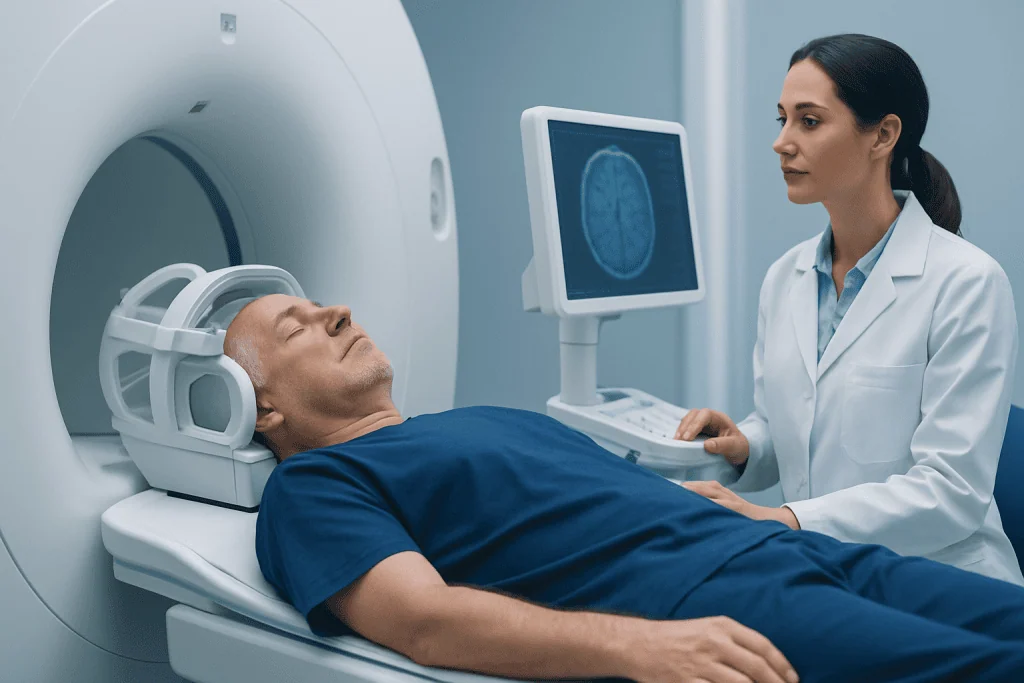
Blood tests are often done early to look for inflammation, infection markers, blood culture results, immune problems, and metabolic issues that could worsen confusion or mimic infection. Brain imaging may be needed before some other tests, especially if there are seizures, focal weakness, reduced consciousness, or concern for increased pressure in the skull. In those settings, doctors may request MRI or CT scan imaging to assess swelling, bleeding, abscess, or other structural problems.
A lumbar puncture, also called a spinal tap, is one of the most important tests for suspected meningitis or encephalitis. It allows analysis of cerebrospinal fluid for cell counts, protein, glucose, and tests that can detect bacteria, viruses, fungi, or other causes. The results help distinguish among different types of infection and guide treatment decisions.
Additional tests may include electroencephalography if seizures or encephalitis are suspected, chest imaging, or testing of fluid or tissue from another source of infection. In complex cases, care may involve specialists in neurology, infectious diseases, neuroradiology, or critical care. This coordinated approach helps identify whether symptoms are due to infection, autoimmune inflammation, toxic-metabolic illness, or another neurological condition.
Treatment Options and Why Speed Matters
Treatment depends on the likely cause, the severity of symptoms, and how ill the person is at presentation. Because some bacterial infections can progress rapidly, doctors often start treatment immediately when suspicion is high, even before all test results return. This may include antibiotics, antiviral medicines, antifungal therapy, fluids, pain control, fever management, and close monitoring in hospital.
Supportive care is also very important. Some patients need treatment for seizures, breathing support, medications to reduce brain swelling, or intensive care monitoring. If imaging shows a localized collection such as a brain abscess, treatment may include a neurosurgical procedure in addition to antimicrobial therapy. When symptoms are severe or there is concern about complications, evaluation by a neurosurgery team may be necessary.
Recovery can vary widely. Some people improve fully after prompt treatment, while others may need rehabilitation for memory problems, weakness, fatigue, balance difficulty, or speech changes. Follow-up care helps monitor recovery and identify any long-term neurological effects. In selected cases, neurology care may continue after the infection itself has been treated.
Near the end of the diagnostic pathway, patients and families often need practical guidance and reassurance. Multidisciplinary specialists at Acibadem International, in JCI-accredited hospitals, diagnose and treat neuroinfectious diseases for international patients when advanced neurological and infectious disease care is needed.
Prevention and Self-Care
Prevention depends on the source of infection. Vaccination is one of the most effective ways to reduce the risk of several serious infections that can affect the nervous system. Good hand hygiene, prompt treatment of ear or sinus infections when advised by a doctor, safe food practices, and measures to reduce insect bites can also help lower risk.
People with weakened immune systems may need extra precautions. These can include avoiding high-risk exposures, keeping regular medical appointments, and seeking care early for fever or unexplained neurological symptoms. Those planning travel should ask a doctor about vaccines, mosquito protection, food and water safety, and destination-specific infection risks.
Self-care at home is not appropriate for suspected neuroinfectious disease when severe symptoms are present. Rest, hydration, and fever reducers may support comfort, but they should not delay urgent medical assessment if a person has confusion, seizures, neck stiffness, or a rapidly worsening headache. The safest step is to seek prompt professional evaluation.
When to See a Doctor Immediately
Emergency care is needed if a person has fever with severe headache and confusion, a seizure, a new rash with severe illness, trouble staying awake, sudden weakness, or difficulty speaking. Neck stiffness, vomiting with severe headache, or unusual behavior changes are also red flags. These symptoms can be caused by several serious conditions, and quick assessment is important.
It is also important to seek urgent care if symptoms develop after head injury, brain or spine surgery, a known immune problem, or recent exposure to a serious infection. For babies, warning signs include poor feeding, unusual irritability, limpness, repeated vomiting, fever, or difficulty waking. For older adults, new confusion may be one of the first signs of severe infection.
Doctors do not expect patients or families to tell the difference between every possible cause of headache, fever, or confusion. The key is recognizing when symptoms are unusual, severe, or accompanied by neurological changes. Prompt evaluation gives the best chance of identifying the cause early and starting the right treatment without delay.
Frequently asked questions
What are neuroinfectious diseases?
Neuroinfectious diseases are infections that affect the nervous system, including the brain, spinal cord, surrounding membranes, or nerves. They may be caused by viruses, bacteria, fungi, or parasites and can range from mild to life-threatening.
When is a headache with fever an emergency?
A headache with fever needs urgent medical attention if it is severe, new, rapidly worsening, or occurs with confusion, neck stiffness, seizures, weakness, or vomiting. These symptoms can suggest meningitis, encephalitis, or another serious neurological problem.
What tests are used for neuroinfectious diseases diagnosis?
Doctors may use a neurological examination, blood tests, brain imaging, and a lumbar puncture to examine cerebrospinal fluid. The exact tests depend on the symptoms, the patient's age and immune status, and whether there are signs of brain swelling or seizures.
Is a lumbar puncture always necessary?
Not always, but it is often one of the most useful tests when meningitis or encephalitis is suspected. Doctors decide based on symptoms, examination findings, and whether brain imaging should be done first for safety.
Can neuroinfectious diseases be treated successfully?
Many can be treated effectively, especially when diagnosis and treatment happen early. Recovery depends on the cause, how severe the illness is, and how quickly therapy begins, so prompt medical care is important.
Who is at higher risk of serious nervous system infections?
Infants, older adults, and people with weakened immune systems are at higher risk. Risk may also increase after neurosurgery, head trauma, certain infections nearby such as ear or sinus infections, or specific travel and environmental exposures.
References
- World Health Organization
- Centers for Disease Control and Prevention
- National Institute of Neurological Disorders and Stroke
- European Centre for Disease Prevention and Control
This article is for general information only and is not a substitute for professional medical advice. Please consult a qualified doctor about your individual situation.
Neuroinfectious Diseases in Turkey — costs, top hospitals & a free quote
JCI-accredited · board-certified surgeons · reply within 24h
Add us as a Preferred Source to see more of our trusted health content across Google Search, AI Overviews and Discover.