Neurological Disease vs Neurodegenerative Disease: How Doctors Classify Brain and Nerve Disorders

Neurological disease includes many different conditions affecting the brain, spinal cord, muscles, and peripheral nerves. Neurodegenerative diseases are a subset of neurological diseases marked by gradual loss of neurons or their function.
Key Takeaways
- Neurological disease includes many different conditions affecting the brain, spinal cord, muscles, and peripheral nerves.
- Neurodegenerative diseases are a subset of neurological diseases marked by gradual loss of neurons or their function.
- Doctors classify these disorders by cause, location in the nervous system, pattern of symptoms, and progression over time.
- Diagnosis often combines history, neurological examination, imaging, blood tests, and specialized studies.
- Treatment depends on the specific diagnosis and may focus on slowing disease, managing symptoms, and preserving quality of life.
Neurological disease is a broad term for disorders affecting the brain, spinal cord, and nerves. Neurodegenerative disease is a specific subgroup in which nerve cells gradually lose function or die over time, leading to progressive symptoms.
Overview: What Is the Difference?
The phrase neurological disease vs neurodegenerative disease can sound confusing because the two terms are related, but they are not the same. A neurological disease is any disorder that affects the nervous system. This includes the brain, spinal cord, peripheral nerves, and sometimes the muscles that nerves control. In other words, it is a very broad umbrella term.
A neurodegenerative disease is a more specific category within neurology. In these conditions, nerve cells, also called neurons, gradually become damaged, stop working properly, or die over time. This leads to progressive changes in movement, memory, behavior, coordination, sensation, or other neurological functions. Examples include Parkinson's disease and Alzheimer's disease.
Doctors make this distinction because it helps guide testing, treatment, and follow-up. Some neurological diseases are temporary, treatable, or reversible, such as certain infections, vitamin deficiencies, migraines, or nerve compression problems. Neurodegenerative diseases are usually long-term conditions that tend to progress gradually, although symptoms and treatment needs can vary widely from one person to another.
What Counts as a Neurological Disease?
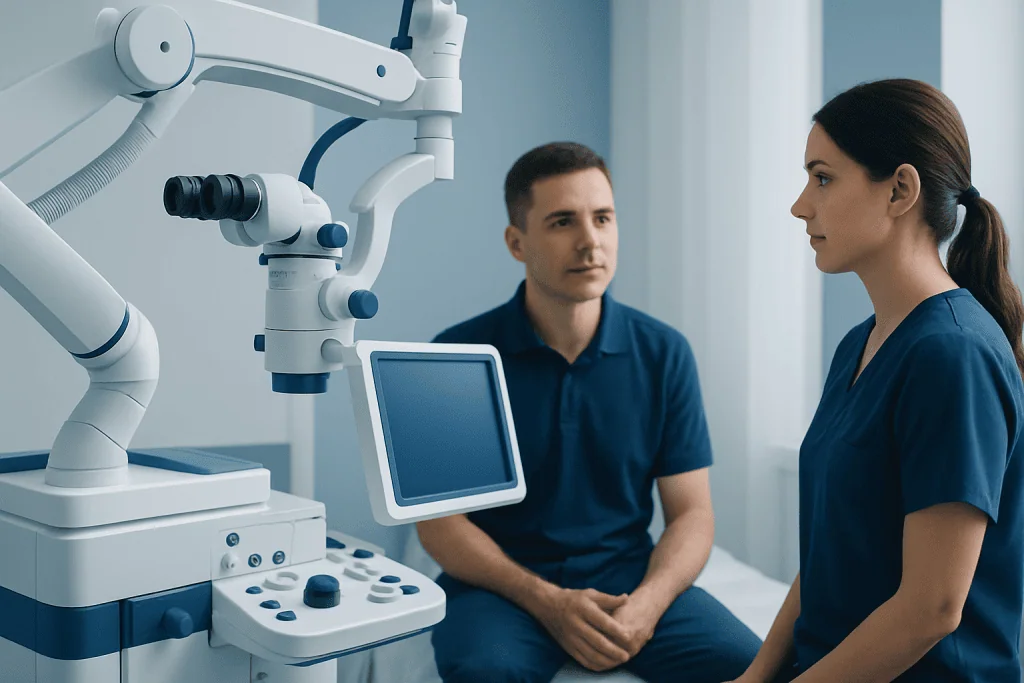
Neurological diseases cover a wide range of conditions. Some begin suddenly, such as stroke or head injury. Others develop over months or years, such as epilepsy, multiple sclerosis, peripheral neuropathy, dementia, or movement disorders. Because the nervous system controls sensation, movement, language, thinking, mood, balance, swallowing, and many automatic body functions, symptoms can look very different from one disorder to another.
Doctors often group neurological diseases by where the problem is located. A disorder may affect the central nervous system, which includes the brain and spinal cord, or the peripheral nervous system, which includes nerves outside the brain and spinal cord. Some conditions mainly affect the neuromuscular system, where nerves communicate with muscles.
They may also classify neurological disorders by the underlying process involved. Common categories include:
- Vascular disorders, such as stroke
- Inflammatory or autoimmune disorders, such as multiple sclerosis
- Infectious diseases, such as meningitis or encephalitis
- Seizure disorders, such as epilepsy
- Structural problems, such as tumors or hydrocephalus
- Traumatic injuries affecting the brain or spine
- Metabolic or toxic disorders, including vitamin deficiencies or medication-related nerve damage
- Degenerative disorders, such as Parkinson’s disease or some forms of dementia
This broad classification helps explain why not every neurological disease is neurodegenerative. Many neurological conditions do not involve ongoing loss of neurons and may stabilize or improve with the right treatment.
What Makes a Disease Neurodegenerative?

Neurodegenerative diseases are defined by progressive damage to nerve cells or the connections between them. As neurons lose function, a person may develop changes in memory, thinking, movement, speech, coordination, swallowing, mood, or daily independence. The exact symptoms depend on which parts of the nervous system are most affected.
These diseases are often classified according to the main system involved. Some mainly affect memory and cognition, such as Alzheimer-related conditions. Others mainly affect movement, such as Parkinson’s disease, Huntington disease, or certain atypical parkinsonian disorders. Some, like amyotrophic lateral sclerosis (ALS), primarily affect motor neurons and lead to progressive muscle weakness.
Doctors use the term “degenerative” carefully. It does not simply mean that symptoms are serious or long-lasting. It refers specifically to the biological process of progressive deterioration in nerve cells. This distinction matters because the outlook, monitoring plan, rehabilitation needs, and available therapies may differ from those for non-degenerative neurological disorders.
Although most neurodegenerative diseases cannot currently be cured, many aspects of care can still help. Early diagnosis may support symptom management, physical and cognitive function, safety planning, and access to therapies that improve quality of life.
Symptoms Doctors Look For
The symptoms of a neurological disease depend on the part of the nervous system involved. Problems in the brain may affect memory, mood, balance, speech, personality, or consciousness. Spinal cord disorders may cause weakness, numbness, stiffness, or bowel and bladder changes. Peripheral nerve disorders often lead to tingling, pain, burning, or muscle weakness in the hands and feet.
In neurodegenerative diseases, doctors often look for a gradual pattern of progression. Memory decline that slowly interferes with daily life, increasing tremor or stiffness, worsening coordination, speech changes, repeated falls, or slowly progressive muscle weakness may suggest a degenerative process. However, these symptoms can also occur in other conditions, so they do not confirm a diagnosis on their own.
Warning signs that deserve medical assessment include:
- New or worsening memory loss
- Tremor, slowness, or stiffness
- Balance problems or unexplained falls
- Persistent numbness, tingling, or weakness
- Changes in speech, swallowing, or vision
- Seizures, fainting, or episodes of confusion
- Severe headache or sudden neurological symptoms
Sudden symptoms are especially important because they may point to an emergency such as stroke, bleeding, or infection rather than a neurodegenerative disease. Doctors consider the speed of symptom onset one of the most helpful clues during classification.
How Doctors Classify Brain and Nerve Disorders
Doctors usually classify neurological conditions using several practical questions. First, where is the problem located: the brain, spinal cord, peripheral nerves, muscles, or more than one area? Second, what is the likely cause: vascular, inflammatory, infectious, genetic, toxic, structural, metabolic, or degenerative? Third, how is the condition behaving over time: sudden, relapsing, stable, or slowly progressive?
Age at onset, family history, and the pattern of symptoms also matter. For example, memory loss in an older adult may raise concern for dementia, but the doctor will also consider medication effects, depression, sleep disorders, thyroid disease, vitamin deficiency, or prior strokes. A tremor may be related to Parkinson’s disease, but it can also result from essential tremor, medications, thyroid problems, or anxiety.
Testing is chosen to answer these questions. A neurological examination checks strength, reflexes, sensation, coordination, gait, eye movements, speech, and mental status. Brain or spine imaging such as MRI may help identify stroke, tumors, inflammation, or structural changes. Blood tests can look for infections, metabolic problems, hormone imbalances, autoimmune markers, or nutritional deficiencies.
Additional tests may include nerve conduction studies, electromyography, lumbar puncture, cognitive assessment, sleep evaluation, or genetic testing in selected cases. When symptoms suggest movement disorders, memory disorders, or nerve and muscle disease, referral to a subspecialist can be helpful. In some situations, procedures such as brain MRI or neurological rehabilitation become part of the broader diagnostic and care pathway.
Treatment Options and Long-Term Care
Treatment depends on the exact diagnosis, not only on whether a condition is neurological or neurodegenerative. Some neurological diseases have highly specific treatments, such as antibiotics for infection, immunotherapy for certain autoimmune conditions, surgery for selected structural problems, or medicines that prevent seizures. In these situations, symptoms may improve significantly once the cause is addressed.
For neurodegenerative diseases, treatment often focuses on slowing progression where possible, managing symptoms, maintaining independence, and supporting overall well-being. This may include medications for movement, memory, mood, sleep, or muscle symptoms. Rehabilitation can also play an important role by helping with balance, mobility, communication, swallowing, and daily activities.
Care is often multidisciplinary. Depending on the condition, a person may work with neurologists, geriatric specialists, physiotherapists, occupational therapists, speech and language therapists, neuropsychologists, dietitians, and social workers. When symptoms affect function or safety, supportive measures such as home adjustments, mobility aids, and caregiver education can make daily life easier.
In advanced or complex cases, treatment planning may also involve specialists in deep brain stimulation for selected movement disorders or supportive respiratory and nutritional care in progressive neuromuscular disease. Near the end of the care pathway, palliative support may help manage symptoms and maintain comfort. Acibadem International’s multidisciplinary specialists and JCI-accredited hospitals diagnose and treat neurological and neurodegenerative conditions for international patients.
Self-Care, Prevention, and Living Well
Not all neurological diseases can be prevented, and many neurodegenerative diseases arise from a mix of age, biology, and sometimes genetics. Still, healthy habits can support brain and nerve health and may reduce the risk of some conditions. Good control of blood pressure, blood sugar, and cholesterol helps protect blood vessels that supply the brain. Avoiding smoking and limiting alcohol can also reduce harm to the nervous system.
Regular physical activity, adequate sleep, social engagement, and mentally stimulating activities are often recommended as part of healthy aging. A balanced diet that includes nutrient-rich foods supports general health and may help prevent deficiencies that can affect nerves and cognition. People taking long-term medications should attend routine checkups because some medicines can contribute to dizziness, confusion, or nerve symptoms in certain situations.
For someone already living with a neurological or neurodegenerative disorder, self-care is often about function and safety rather than cure. This may include staying active within personal limits, using assistive devices when needed, following therapy programs, preventing falls, and keeping a current medication list. Families and caregivers also benefit from education, practical planning, and emotional support.
Because symptoms can overlap across many disorders, self-diagnosis is not reliable. Early medical evaluation is often the best way to identify treatable causes and begin supportive care sooner.
When to See a Doctor
A person should arrange medical evaluation if they notice persistent or progressive changes in memory, movement, balance, sensation, speech, swallowing, or muscle strength. It is also wise to seek assessment for repeated falls, tremor, new confusion, unexplained weakness, or numbness that does not improve. Even when symptoms seem mild, gradual changes can offer important clues to diagnosis.
Emergency care is needed for sudden symptoms such as facial drooping, arm weakness, severe headache, loss of vision, trouble speaking, seizure, or sudden confusion. These may signal stroke or another urgent neurological problem rather than a slow neurodegenerative disorder. Rapid treatment can be critical.
If a diagnosis has already been made, regular follow-up helps doctors adjust treatment as needs change over time. Ongoing appointments may monitor mobility, cognition, mood, sleep, nutrition, swallowing, and medication side effects. This can improve comfort, function, and planning for the future.
Understanding the difference between a broad neurological disease and a neurodegenerative disease can help patients and families ask clearer questions. The most useful next step is not trying to label symptoms alone, but discussing them with a qualified doctor who can evaluate the full picture.
Frequently asked questions
Is every neurological disease a neurodegenerative disease?
No. Neurological disease is a broad category that includes many conditions affecting the brain, spinal cord, and nerves. Neurodegenerative disease is one subgroup within that category and specifically involves progressive loss of nerve cell function over time.
Can a neurological disease be cured?
Some neurological diseases can be treated effectively and may improve or even resolve, depending on the cause. Others are chronic and need long-term management. The outlook depends on the exact diagnosis, how early it is identified, and the person's overall health.
What are common examples of neurodegenerative diseases?
Common examples include Alzheimer's disease, Parkinson's disease, Huntington disease, and amyotrophic lateral sclerosis (ALS). These conditions affect different parts of the nervous system, so symptoms can vary from memory problems to tremor, stiffness, or progressive muscle weakness.
How do doctors tell whether symptoms are degenerative or something else?
Doctors look at the pattern of symptoms, how quickly they started, and which parts of the nervous system seem affected. They combine medical history, neurological examination, imaging, blood tests, and other specialized studies to rule out treatable or reversible causes.
Are memory loss and tremor always signs of a neurodegenerative disease?
No. Memory loss and tremor can also happen with medication side effects, anxiety, thyroid problems, sleep disorders, vitamin deficiencies, depression, or other medical conditions. That is why professional assessment is important rather than assuming a degenerative cause.
Can lifestyle changes help with neurodegenerative disease?
Lifestyle changes cannot cure neurodegenerative disease, but they can support overall brain and body health. Physical activity, good sleep, social engagement, balanced nutrition, and fall prevention may help maintain function and quality of life.
References
- World Health Organization
- National Institute of Neurological Disorders and Stroke
- National Institute on Aging
- American Academy of Neurology
- Alzheimer's Association
This article is for general information only and is not a substitute for professional medical advice. Please consult a qualified doctor about your individual situation.
Joint and spine care in Turkey — expert assessment & treatment
JCI-accredited · board-certified surgeons · reply within 24h
Add us as a Preferred Source to see more of our trusted health content across Google Search, AI Overviews and Discover.