Neurological Sleep Apnea: Symptoms, Causes, and Treatment Options
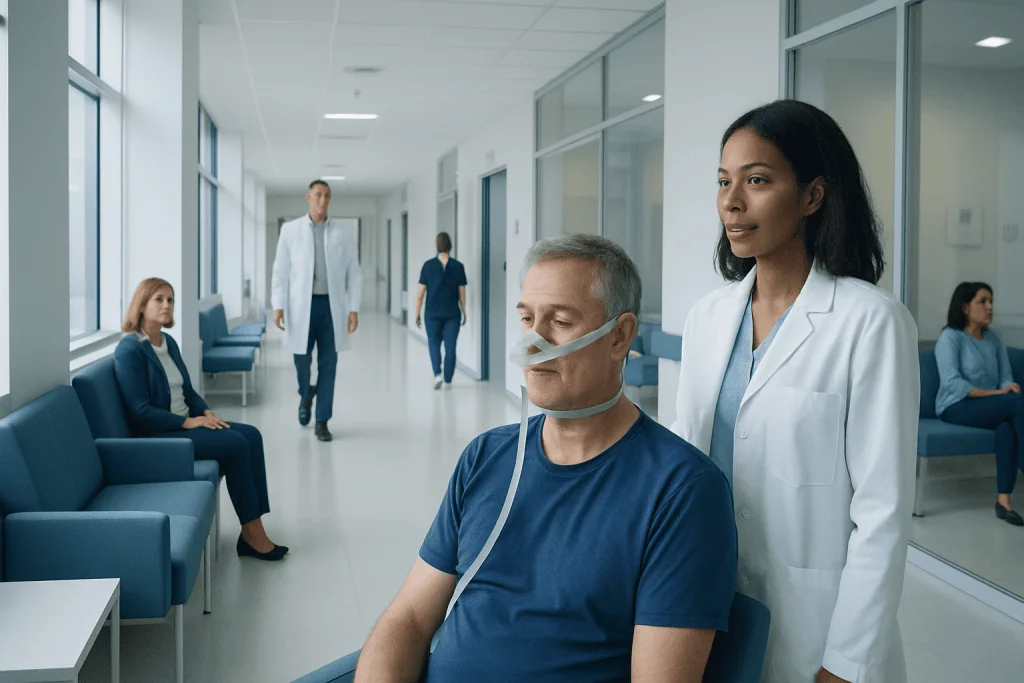
Neurological sleep apnea most often means central sleep apnea rather than obstructive sleep apnea. The problem begins with disrupted brain control of breathing during sleep, not simply a blocked airway.
Key Takeaways
- Neurological sleep apnea most often means central sleep apnea rather than obstructive sleep apnea.
- The problem begins with disrupted brain control of breathing during sleep, not simply a blocked airway.
- Common symptoms include unrefreshing sleep, frequent awakenings, daytime tiredness, and witnessed pauses in breathing.
- Diagnosis usually requires a sleep evaluation and an overnight sleep study.
- Treatment may include managing the underlying cause, positive airway pressure therapy, oxygen, or other specialist-guided options.
Neurological sleep apnea usually refers to central sleep apnea, a condition in which breathing repeatedly slows or stops during sleep because the brain does not send steady signals to the breathing muscles. It can be linked to neurological, heart, medication-related, or high-altitude causes, and treatment depends on identifying and addressing the underlying problem.
Overview of Neurological Sleep Apnea
Neurological sleep apnea is a patient-friendly term often used for central sleep apnea. In this condition, breathing repeatedly becomes shallow or pauses during sleep because the brain temporarily fails to send consistent signals to the muscles that control breathing. This differs from obstructive sleep apnea, where breathing effort continues but the upper airway becomes narrowed or blocked.
Because breathing and sleep are closely regulated by the brainstem and other nervous system pathways, several neurological and medical conditions can contribute to this pattern. Sleep-related breathing changes may occur on their own, but they are also seen in people with stroke, brainstem disorders, certain neuromuscular conditions, heart failure, or exposure to opioid medications.
Not every brief pause in breathing is dangerous, and not all sleep apnea is neurological. However, repeated events can disrupt normal sleep architecture, lower oxygen levels, and lead to daytime symptoms such as fatigue, poor concentration, or headaches. A proper diagnosis helps clarify the type of sleep apnea and guides the most suitable treatment plan.
Symptoms and Signs

The symptoms of neurological sleep apnea can be subtle. Some people are unaware of breathing pauses and learn about them from a bed partner, family member, or recordings from wearable or home devices. Others mainly notice the effects of disturbed sleep during the day.
Common symptoms may include:
- Frequent awakenings during the night
- Unrefreshing sleep
- Excessive daytime sleepiness or fatigue
- Difficulty concentrating or memory problems
- Morning headaches
- Shortness of breath at night or waking suddenly
- Observed pauses in breathing during sleep
- Insomnia or restless sleep
Some people with central sleep apnea do not snore loudly, which can delay recognition. Others may have a mixed picture, with both central and obstructive events. If symptoms happen together with neurological symptoms such as weakness, swallowing difficulty, severe headaches, or new balance problems, medical evaluation is especially important.
Causes and Risk Factors

Neurological sleep apnea develops when the normal feedback system that controls breathing becomes unstable during sleep. Breathing is regulated by the brain’s response to carbon dioxide and oxygen levels. When this control becomes too sensitive or too weak, breathing may alternate between overbreathing and pauses, or it may stop briefly without any airway blockage.
Possible causes and risk factors include:
- Stroke, especially involving the brainstem
- Brain tumors or structural conditions affecting breathing centers
- Neurodegenerative or neuromuscular disorders
- Heart failure and certain cardiac conditions
- Use of opioid pain medications or sedating drugs
- Sleeping at high altitude
- Kidney failure or other serious medical illness
- Use of positive airway pressure treatment that unmasks central events in some patients
In some cases, no single cause is found. This is sometimes called idiopathic central sleep apnea. It is also possible for a person to have both central and obstructive sleep apnea. Distinguishing between the two matters because treatments can differ. For related background on mixed sleep-related breathing problems, readers may encounter sleep apnea discussed more broadly in general sleep medicine.
How It Is Diagnosed
Diagnosis begins with a detailed medical history, sleep history, and review of medications. A doctor may ask about nighttime symptoms, daytime sleepiness, heart or neurological conditions, use of opioids or sedatives, recent travel to high altitude, and whether anyone has witnessed pauses in breathing during sleep.
The main test for diagnosis is a supervised overnight sleep study, called polysomnography. This test records breathing effort, airflow, oxygen levels, heart rhythm, sleep stages, and body movements. It helps determine whether breathing pauses are central, obstructive, or mixed. In central events, airflow stops and breathing effort is also reduced or absent.
Additional evaluation may be needed to identify the cause. Depending on the clinical picture, doctors may order blood tests, heart evaluation, lung assessment, or neurological imaging. In selected patients, this may include MRI scanning if a structural neurological cause is suspected. A comprehensive assessment is important because successful treatment often depends on addressing the underlying disorder as well as the sleep apnea itself.
Treatment Options
Treatment for neurological sleep apnea is individualized. The first step is to treat any underlying condition whenever possible, such as adjusting medications, managing heart failure, treating a neurological disorder, or addressing altitude-related breathing changes. When the cause improves, sleep-related breathing may also improve.
Breathing support during sleep is often helpful. Depending on the type and severity of events, doctors may recommend positive airway pressure devices such as CPAP, bilevel support, or more specialized modes that help stabilize breathing. In carefully selected patients, oxygen therapy or other targeted treatments may also be used. Patients who need specialist support may be evaluated for sleep study and sleep medicine assessment and, when appropriate, CPAP therapy or related noninvasive breathing support.
Medication changes can be particularly important when opioids or sedating drugs contribute to the problem. These medicines should never be stopped suddenly without medical advice, but prescribing doctors may adjust the regimen safely. In some situations, treatment focuses less on eliminating every event and more on improving symptoms, oxygenation, and overall sleep quality.
People with neurological conditions may benefit from coordinated care involving sleep specialists, neurologists, cardiologists, pulmonologists, and rehabilitation teams. Near the end of a diagnostic pathway, some patients may also need neurology evaluation to help investigate brain or nerve-related contributors to abnormal breathing during sleep.
Prevention and Self-Care
Not every case of neurological sleep apnea can be prevented, especially when it is related to an existing neurological or heart condition. Still, practical self-care measures can support treatment and may reduce worsening factors. Keeping regular follow-up appointments and using prescribed sleep devices consistently are among the most important steps.
Helpful habits may include:
- Taking medicines only as prescribed and discussing any sedating medications with a doctor
- Avoiding alcohol close to bedtime if it worsens sleep or breathing
- Maintaining a regular sleep schedule
- Managing heart, lung, and neurological conditions carefully
- Reporting new symptoms such as worsening fatigue, confusion, or nighttime shortness of breath
- Using positive airway pressure equipment as instructed and asking for mask or comfort adjustments when needed
People who travel to high altitude and develop sleep-related breathing symptoms may need medical advice before future trips. Family members can also help by noticing changes in nighttime breathing or daytime function. Self-care is supportive, but it does not replace formal evaluation when recurrent breathing pauses are suspected.
When to See a Doctor
A person should seek medical advice if there are repeated pauses in breathing during sleep, unexplained daytime sleepiness, frequent nighttime awakenings, or morning headaches. Even when symptoms seem mild, ongoing sleep disruption can affect safety, mood, concentration, and overall health.
Urgent evaluation is appropriate if sleep-related breathing problems happen together with chest pain, severe shortness of breath, fainting, confusion, bluish lips, or new neurological symptoms such as sudden weakness, trouble speaking, or severe imbalance. These signs may point to a more serious underlying problem that needs prompt care.
For people already diagnosed with central or neurological sleep apnea, follow-up matters. Treatment sometimes needs adjustment over time, especially after changes in medication, heart function, weight, or neurological status. Acibadem International’s multidisciplinary specialists and JCI-accredited hospitals diagnose and treat sleep-related breathing disorders for international patients when coordinated specialist care is needed.
Frequently asked questions
Is neurological sleep apnea the same as obstructive sleep apnea?
No. Neurological sleep apnea usually refers to central sleep apnea, in which the brain does not send steady signals to maintain breathing during sleep. Obstructive sleep apnea is different because breathing effort continues, but the airway becomes partly or fully blocked.
Can neurological sleep apnea be cured?
Sometimes it improves significantly when the underlying cause is treated, such as medication-related breathing suppression or altitude exposure. In other cases, it is managed rather than fully cured, using sleep devices, oxygen, and treatment of associated medical conditions.
What kind of doctor treats neurological sleep apnea?
Care often starts with a sleep medicine specialist, but other doctors may be involved depending on the cause. Neurologists, pulmonologists, cardiologists, and primary care physicians may all play a role in diagnosis and treatment.
Do all people with central sleep apnea snore?
No. Snoring can happen, especially if a person also has obstructive events, but it may be less prominent than in classic obstructive sleep apnea. That is one reason central sleep apnea can go unnoticed for some time.
How is neurological sleep apnea confirmed?
The most reliable way is with an overnight sleep study called polysomnography. This test shows whether breathing pauses happen with absent or reduced breathing effort, which helps confirm central sleep apnea and distinguish it from obstruction.
Can medications cause neurological sleep apnea?
Yes. Opioid pain medicines and some sedating drugs can affect the brain's control of breathing and contribute to central sleep apnea. Patients should not stop these medications on their own, but should discuss concerns with the prescribing doctor.
References
- American Academy of Sleep Medicine
- National Heart, Lung, and Blood Institute
- National Institute of Neurological Disorders and Stroke
- Mayo Clinic
- Merck Manual
This article is for general information only and is not a substitute for professional medical advice. Please consult a qualified doctor about your individual situation.
Sleep Apnea in Turkey — costs, top hospitals & a free quote
JCI-accredited · board-certified surgeons · reply within 24h
Add us as a Preferred Source to see more of our trusted health content across Google Search, AI Overviews and Discover.

Otorhinolaryngology (ENT)
Care for ear, nose, throat and head-and-neck conditions, including hearing and balance disorders.
126 specialists in this unit