Neurological Sleep Disorders in Older Adults: When Symptoms Need Specialist Care

Sleep often changes with age, but persistent or unusual symptoms are not always a normal part of aging. Neurological sleep disorders can affect safety, memory, mood, mobility, and quality of life.
Key Takeaways
- Sleep often changes with age, but persistent or unusual symptoms are not always a normal part of aging.
- Neurological sleep disorders can affect safety, memory, mood, mobility, and quality of life.
- Warning signs include acting out dreams, sudden sleep attacks, leg discomfort at night, confusion during sleep, and marked daytime sleepiness.
- Diagnosis may involve a careful history, medication review, neurological examination, and sleep testing.
- Treatment depends on the cause and may include lifestyle steps, medication changes, and targeted sleep or neurological care.
- Early specialist assessment can help identify treatable conditions and reduce complications such as falls or injuries.
Neurological sleep disorders in older adults are more than simple age-related changes in sleep. When sleep problems involve unusual movements, confusion, acting out dreams, severe daytime sleepiness, or memory and balance changes, specialist evaluation may be needed.
Overview
Sleep commonly becomes lighter and more fragmented with age, and many older adults notice earlier bedtimes or waking earlier in the morning. These changes can be part of normal aging. However, repeated sleep disruption, unusual nighttime behaviors, strong urges to move the legs, sudden sleep episodes, or severe daytime fatigue may point to a neurological sleep disorder rather than ordinary aging.
Neurological sleep disorders in older adults involve the brain, nerves, or body systems that regulate the sleep-wake cycle. They include conditions such as REM sleep behavior disorder, restless legs syndrome, periodic limb movement disorder, central sleep-related breathing problems, narcolepsy, and sleep disturbance linked to neurodegenerative disease. Some people may also experience parasomnias, vivid dream enactment, or sleep-related confusion.
These disorders matter because they can affect much more than nighttime rest. Poor sleep may contribute to falls, slower thinking, memory difficulties, low mood, irritability, reduced independence, and caregiver stress. In some cases, a sleep disorder may be an early clue to an underlying neurological condition and deserves timely medical attention.
Symptoms That May Need Specialist Care
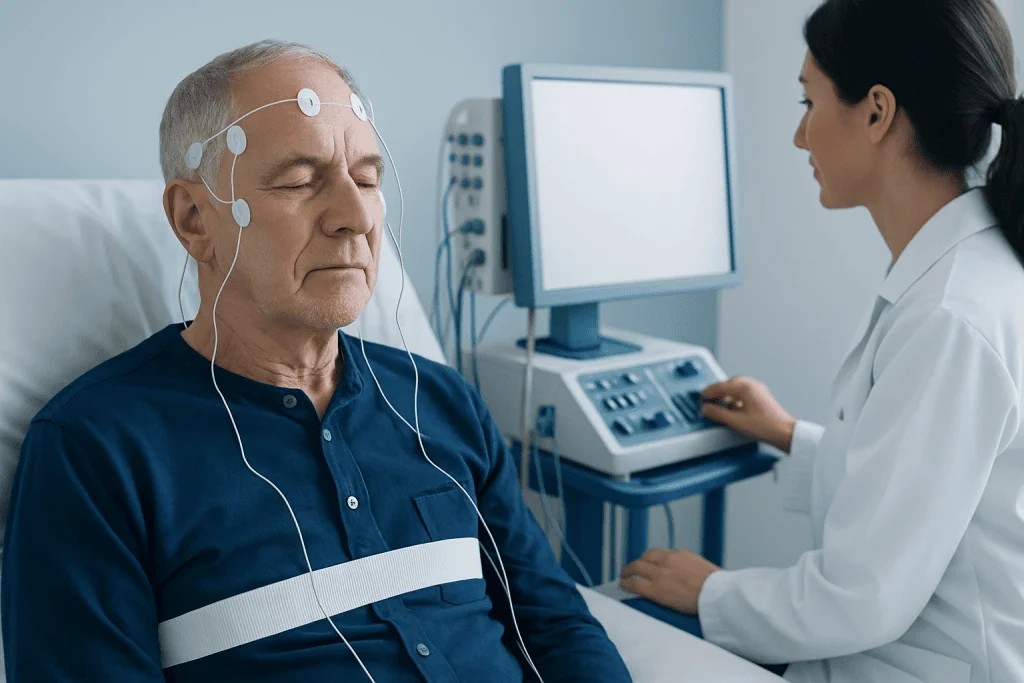
Many older adults have occasional insomnia or lighter sleep, but certain symptoms deserve closer evaluation. One important warning sign is excessive daytime sleepiness, especially if a person struggles to stay awake during meals, conversations, or quiet activities. This can increase the risk of falls, driving accidents, and reduced daily functioning.
Another key symptom is unusual behavior during sleep. This may include shouting, punching, kicking, jumping from bed, or appearing to act out dreams. Bed partners may notice these behaviors before the person is aware of them. Repeated dream enactment can lead to injury and is often associated with REM sleep behavior disorder.
Other symptoms that may suggest a neurological sleep disorder include uncomfortable sensations in the legs at night, repeated leg jerks, vivid hallucinations when falling asleep or waking, temporary inability to move upon waking, episodes of confusion after sleep, and abrupt changes in memory or balance along with disturbed sleep.
- Acting out dreams or violent movements in sleep
- Persistent daytime sleepiness despite enough time in bed
- Strong urge to move the legs, especially in the evening
- Frequent nighttime confusion, wandering, or unusual behaviors
- Sudden sleep episodes or sleep paralysis
- Snoring or pauses in breathing, especially with neurological illness
Causes and Risk Factors

Neurological sleep disorders can have several causes. Some arise from changes in the brain circuits that control movement, dreaming, breathing, or alertness. Others are linked to medications, chronic illness, iron deficiency, kidney disease, neuropathy, or disruptions in the body clock. In older adults, more than one factor may be present at the same time.
REM sleep behavior disorder is especially important in neurological sleep medicine because it can occur alongside or before certain neurodegenerative conditions. Dream enactment is not the same as occasional restlessness. When it happens repeatedly, it may prompt doctors to look more carefully for signs of a movement or cognitive disorder, including Parkinson's disease or related conditions.
Restless legs syndrome may become more common with age and can be worsened by low iron stores, some antidepressants, antihistamines, kidney problems, or nerve disease. Sleep disturbances can also appear in people with dementia, stroke, neuropathy, epilepsy, or circadian rhythm disorders. In addition, untreated sleep breathing problems may overlap with neurological symptoms and make daytime fatigue or concentration problems worse.
How Doctors Diagnose Neurological Sleep Disorders
Diagnosis starts with a detailed medical history. The doctor will ask about the person’s sleep schedule, nighttime symptoms, medications, caffeine or alcohol use, falls, memory changes, and daytime sleepiness. Information from a bed partner or family member is often very helpful, especially when unusual behaviors happen during sleep.
A neurological examination may be recommended if there are concerns about tremor, stiffness, balance, weakness, numbness, memory changes, or changes in walking. Doctors may also review conditions such as kidney disease, anemia, depression, lung disease, and heart disease, because these can influence sleep. Blood tests can sometimes help identify contributing factors such as iron deficiency or thyroid problems.
Some patients need formal sleep testing. An overnight sleep study can record brain waves, breathing, oxygen levels, heart rhythm, and body movements while asleep. This is particularly useful when dream enactment, breathing abnormalities, repeated limb movements, or unexplained sleepiness are present. Depending on the situation, clinicians may consider polysomnography or broader neurology diagnostic tests to clarify the cause.
Treatment Options
Treatment depends on the specific diagnosis and on the person’s overall health, mobility, and medication list. In many cases, care begins with addressing reversible triggers such as alcohol use, sedating medicines, poorly timed naps, low iron stores, or untreated pain. Doctors may also recommend making the bedroom safer if there is a risk of injury from nighttime behaviors.
Restless legs syndrome and periodic limb movements may improve when contributing factors are corrected. REM sleep behavior disorder often requires safety measures and, in some people, medication chosen by a doctor familiar with the risks and benefits in older adults. Excessive daytime sleepiness may improve once the underlying sleep disorder is treated, whether that means adjusting medications, treating breathing-related sleep problems, or managing a neurological condition.
When symptoms appear linked to broader brain or nerve disease, coordinated care may be helpful. Some people benefit from assessment in neurology or in a dedicated sleep disorders center where sleep specialists, neurologists, and other clinicians can work together. If a sleep disorder is associated with conditions such as Alzheimer's disease, treatment also focuses on routines, safety, caregiver support, and symptom monitoring.
Prevention and Self-Care
Not every neurological sleep disorder can be prevented, but healthy sleep habits can reduce symptoms and support better rest. Older adults may benefit from regular wake and sleep times, morning daylight exposure, regular physical activity suited to their abilities, and limiting caffeine later in the day. A comfortable, quiet sleep environment can also help reduce nighttime awakenings.
Medication review is especially important. Some sleep symptoms are triggered or worsened by common medicines, including certain antihistamines, antidepressants, and sedatives. No one should stop a prescribed medicine without medical advice, but discussing side effects with a doctor or pharmacist can be very useful.
Simple safety steps may protect people who move during sleep or become confused at night. These can include removing sharp objects near the bed, lowering the bed height, using soft floor padding if appropriate, improving hallway lighting, and avoiding alcohol close to bedtime. Keeping a sleep diary or recording symptoms can also help the medical team identify patterns and decide whether specialist care is needed.
When to See a Doctor
Medical review is important when sleep symptoms are persistent, worsening, or affecting daily life. Older adults should seek assessment if they are extremely sleepy during the day, have repeated falls, wake confused, or show major changes in concentration, mood, memory, or mobility. Bed partners should also mention any dream enactment, repeated kicking, or concerning breathing pauses during sleep.
Prompt specialist care is especially helpful when symptoms raise concern for an underlying neurological disorder. Examples include new tremor, stiffness, slowed walking, balance problems, fainting, vivid sleep behaviors, or cognitive decline accompanied by disturbed sleep. Early evaluation can help identify treatable causes and guide safer care planning.
If needed, a multidisciplinary approach can be useful. Acibadem International’s multidisciplinary specialists and JCI-accredited hospitals diagnose and treat neurological sleep disorders for international patients, with care tailored to age, symptoms, and overall neurological health. Whatever the setting, persistent or unusual sleep symptoms should be discussed with a qualified doctor rather than assumed to be a normal part of aging.
Frequently asked questions
Are sleep problems a normal part of aging?
Some sleep changes are common with age, such as lighter sleep or earlier waking. But severe daytime sleepiness, acting out dreams, repeated leg discomfort, or confusion during sleep are not simply normal aging and should be assessed.
What is REM sleep behavior disorder?
REM sleep behavior disorder is a condition in which a person physically acts out dreams during sleep. It can involve talking, shouting, kicking, or striking out and may lead to injury, so medical evaluation is important.
When should an older adult see a sleep specialist?
Specialist review is helpful when symptoms are persistent, unusual, or affecting safety and daily life. Examples include excessive daytime sleepiness, dream enactment, frequent falls, sleep-related confusion, or leg symptoms that repeatedly disturb sleep.
Can medications cause or worsen neurological sleep symptoms?
Yes. Some medicines can worsen restlessness, confusion, vivid dreams, daytime drowsiness, or abnormal sleep behaviors. A doctor can review the medication list and decide whether changes may help.
How are neurological sleep disorders diagnosed?
Doctors usually begin with a sleep history, medical review, and neurological examination. Some people also need blood tests, sleep questionnaires, or an overnight sleep study to identify movements, breathing changes, and sleep-stage abnormalities.
Can treatment really improve quality of life?
In many cases, yes. Identifying the cause of the sleep problem can help reduce injuries, improve daytime alertness, and support better mood, memory, and independence, even when the underlying condition is chronic.
References
- American Academy of Sleep Medicine
- National Institute on Aging
- National Institute of Neurological Disorders and Stroke
- Centers for Disease Control and Prevention
- World Health Organization
This article is for general information only and is not a substitute for professional medical advice. Please consult a qualified doctor about your individual situation.
Explore treatments in Turkey — costs, top hospitals & a free quote
JCI-accredited · board-certified surgeons · reply within 24h
Add us as a Preferred Source to see more of our trusted health content across Google Search, AI Overviews and Discover.

More from the Health Library



Related Specialists

Prof. Dr. Alper Kaya
Orthopedic Surgery & Traumatology
Assoc. Prof. Dr. Mert Altinel
Urology
Prof. Dr. Orhan Demircan
General Surgery
Assoc. Prof. Dr. Ali Özer
Liver Transplant Center