Neuromodulation for Epilepsy: What Happens Before Implantation?
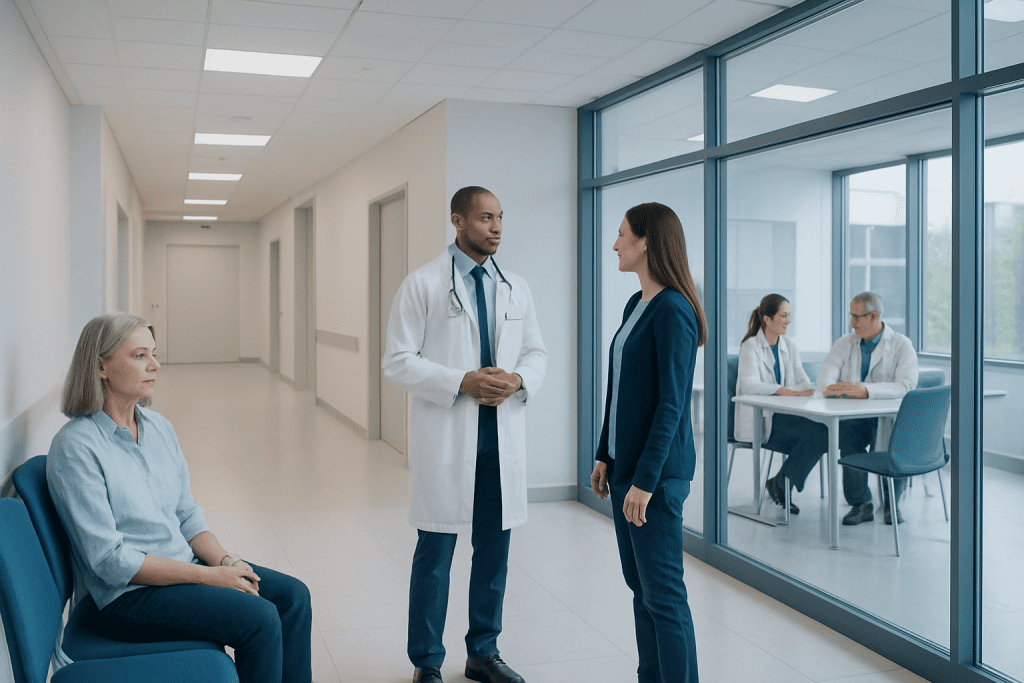
Before implantation, specialists confirm that seizures are truly epileptic and review how well medicines have worked. The pre-implant process often includes brain imaging, EEG testing, medical history review, and assessment by an epilepsy team.
Key Takeaways
- Before implantation, specialists confirm that seizures are truly epileptic and review how well medicines have worked.
- The pre-implant process often includes brain imaging, EEG testing, medical history review, and assessment by an epilepsy team.
- Different devices such as vagus nerve stimulation, responsive neurostimulation, and deep brain stimulation suit different seizure types and patient needs.
- The goal of evaluation is to improve seizure control safely, not to promise a cure.
- Shared decision-making helps patients understand benefits, limits, risks, and the long-term follow-up needed after implantation.
Neuromodulation for epilepsy can help some people whose seizures are not well controlled with medication. Before any device is implanted, a careful evaluation is done to confirm the diagnosis, understand seizure patterns, and decide whether neuromodulation is the safest and most suitable option.
Overview: Why evaluation comes first
Neuromodulation for epilepsy refers to therapies that use carefully controlled electrical stimulation to help reduce seizures. It is usually considered for people with drug-resistant epilepsy, meaning seizures continue despite appropriate use of anti-seizure medicines. These treatments do not fit every patient, so a detailed assessment is needed before any implantation is planned.
The main reason for this pre-implantation process is to answer several important questions. First, doctors confirm that the events are epileptic seizures rather than another condition that can look similar, such as fainting, sleep disorders, or certain movement or psychological events. Next, they identify seizure type, where seizures may begin in the brain, and whether another treatment approach might be more effective.
In some cases, surgery to remove a seizure focus may offer the best chance of seizure freedom. In others, seizure onset may involve more than one area, may affect brain regions that cannot be safely removed, or may remain difficult to localize. In these situations, neuromodulation may become an important option alongside ongoing medication management.
The evaluation also helps match the person to the most appropriate device. Common options include vagus nerve stimulation, responsive neurostimulation, and deep brain stimulation. Each works differently, and each has its own selection criteria, expected benefits, and follow-up needs.
Who may be considered for neuromodulation
Neuromodulation is most often considered when epilepsy remains difficult to control despite medications. A person may have tried two or more appropriate anti-seizure drugs without reaching acceptable seizure control, or side effects may limit treatment. At this stage, referral to a comprehensive epilepsy center is often recommended.
Not everyone who has ongoing seizures will need an implant. The epilepsy team first reviews whether medicines have been used at the right doses, whether diagnosis is correct, and whether lifestyle factors such as sleep deprivation, missed medication, or alcohol are contributing. They also consider whether a potentially curative epilepsy surgery should be evaluated first.
The type of epilepsy matters. Some people have focal seizures that begin in one part of the brain, while others have generalized or mixed seizure patterns. Device choice can depend on this pattern, as well as age, overall health, anatomy, and the person’s ability to attend long-term follow-up visits and device programming sessions.
Children and adults may both be assessed for neuromodulation, but the approach can differ based on development, communication needs, schooling, work, and family support. The goal is individualized care that improves daily function and quality of life while keeping treatment realistic and safe.
What tests are usually done before implantation

A thorough medical history is the starting point. Doctors ask when seizures began, what they look like, how often they occur, what triggers may exist, and how the person feels before and after an event. Previous treatments, medication side effects, injuries, pregnancies, mental health history, and other neurological conditions are also reviewed. Seizure diaries or smartphone videos from family members can be very helpful.
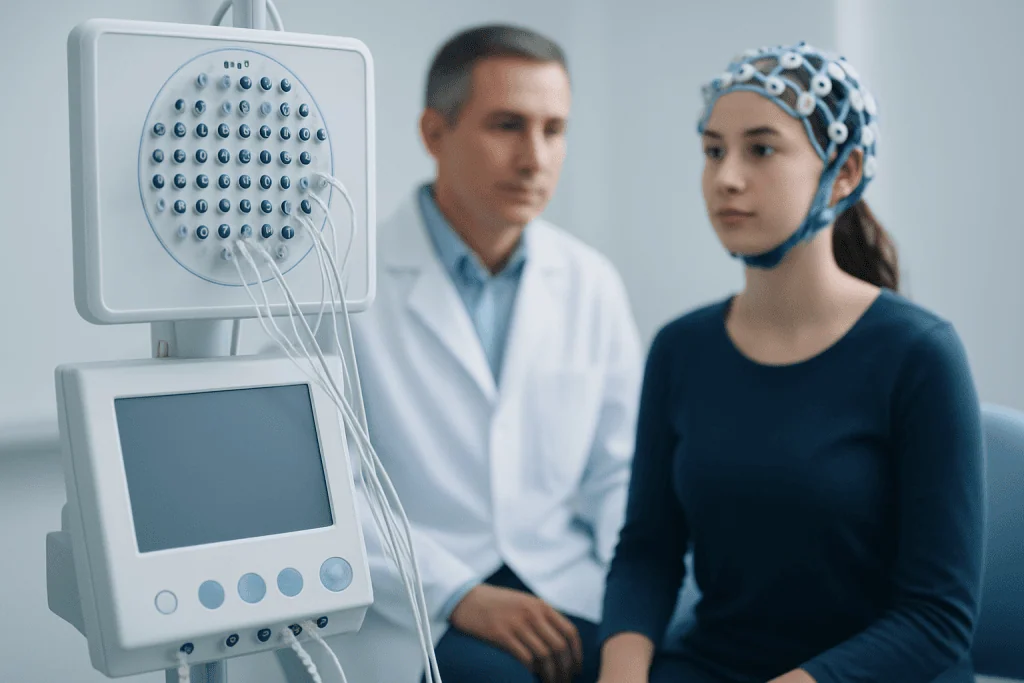
Electroencephalography, or EEG, is a key part of evaluation. A routine EEG may be enough in some cases, but many patients need prolonged or video EEG monitoring so specialists can record events and compare brain-wave changes with symptoms. This helps distinguish epilepsy from conditions that can mimic it and may provide clues about where seizures start.
Brain imaging, especially MRI, is also commonly used to look for structural causes such as scarring, developmental differences, tumors, or prior stroke. Depending on the case, doctors may recommend additional tests such as PET, SPECT, or neuropsychological assessment. Blood tests may be used to review general health, medication effects, and readiness for a procedure.
These investigations are not just a checklist. They help build a full picture of the person’s epilepsy and support the decision about whether neuromodulation is suitable, whether another treatment path is better, or whether more information is still needed before moving forward.
How the epilepsy team decides which device may fit best
Choosing a device is a team decision that usually involves epileptologists, neurosurgeons, neurophysiologists, radiologists, and sometimes psychiatrists, psychologists, and rehabilitation specialists. They review test results together and discuss whether the person’s seizure pattern and overall health align with a specific neuromodulation approach. This multidisciplinary review is one of the most important parts of pre-implant planning.
Vagus nerve stimulation is often considered when seizures are difficult to control and a brain-directed resection is not possible or not preferred. It stimulates the vagus nerve in the neck and does not require electrodes to be placed within the brain. Responsive neurostimulation may be considered when seizure onset zones can be identified and monitored, while deep brain stimulation may be used in selected cases of drug-resistant focal epilepsy.
The team also talks through practical issues. These include whether the patient can manage device follow-up, whether there are other implanted devices, whether MRI access may be needed in the future, and what effect treatment might have on work, driving, schooling, and daily routines. Expectations are reviewed carefully, since neuromodulation often aims to reduce seizure frequency and severity rather than eliminate seizures completely.
For some patients, the discussion includes comparison with other epilepsy therapies such as epilepsy treatment pathways or surgery for a specific seizure focus. By comparing options openly, the team can recommend a plan that balances potential benefit, invasiveness, and long-term care needs.
Questions discussed before surgery is planned
Once neuromodulation appears appropriate, the preoperative conversation becomes more detailed. The care team explains how the chosen device works, what the operation involves, how long recovery may take, and what kind of programming visits will follow. Patients are encouraged to ask what level of seizure improvement is realistic in their own case and how success will be measured over time.
Possible risks are also reviewed in clear terms. These may include infection, bleeding, discomfort at the implant site, voice changes with vagus nerve stimulation, hardware-related issues, or the need for later battery replacement or adjustment procedures. Doctors also discuss that seizure medications are often continued after implantation, although changes may be made later depending on response.
Mental health and cognition are an important part of planning. Anxiety, depression, memory concerns, and sleep problems can affect quality of life as much as seizures themselves. Addressing these concerns before implantation helps set realistic expectations and supports better long-term care.
Family or caregivers are often included in these discussions. Their role can be valuable in recognizing seizure changes, helping with appointments, and supporting recovery and device management after the procedure. Shared decision-making helps the patient feel informed rather than rushed.
How to prepare in the weeks before implantation
Preparation usually includes routine surgical assessment as well as epilepsy-specific planning. The medical team may review medications, allergies, sleep habits, and any recent illnesses. Patients are often advised not to stop anti-seizure medicines unless their doctor specifically instructs them to do so, since seizure worsening before surgery can create avoidable risk.
Practical planning matters too. People may need help with transportation, time away from work or school, and support at home during early recovery. If seizures affect safety, the team may revisit guidance on bathing, heights, cooking, sports, or driving according to local laws and medical advice.
It can also help to prepare questions in advance. Examples include when the device will be activated, how often programming visits are expected, what symptoms should prompt a call after surgery, and whether airport security, future scans, or other procedures might be affected by the implant. A written list often makes these visits easier.
Near the end of the planning process, some patients seek care at specialized international centers. Acibadem International’s multidisciplinary specialists and JCI-accredited hospitals diagnose and treat complex epilepsy and neuromodulation candidates for international patients, with coordinated preoperative assessment and follow-up planning.
After the decision: what happens next
Implantation is not the end of treatment; it is the start of a longer management phase. After surgery, the device is usually programmed and adjusted over time based on seizure response, side effects, and the person’s daily needs. Improvement may be gradual rather than immediate, and regular follow-up is an expected part of care.
Doctors continue to review seizure diaries, medication use, sleep, mood, and safety. In some cases, settings are changed several times before the best balance is found. This is normal and does not mean the treatment has failed. Neuromodulation often works best as part of a broader epilepsy care plan rather than as a standalone solution.
Patients should keep all follow-up visits and continue general seizure self-care. Helpful steps may include taking medicines consistently, getting adequate sleep, avoiding known triggers when possible, and staying in contact with the epilepsy team. If seizures change suddenly or recovery problems arise, prompt medical advice is important.
For many people, the careful work done before implantation is what makes later treatment more effective and safer. A structured assessment helps ensure that the right patient receives the right device for the right reasons, with a clear understanding of both benefits and limitations.
Frequently asked questions
Does neuromodulation for epilepsy cure seizures?
Neuromodulation usually aims to reduce how often seizures happen and how severe they are. Some people experience major improvement, but it is not generally described as a guaranteed cure. Ongoing follow-up and medicines may still be needed.
Why are so many tests needed before implantation?
The tests help confirm the diagnosis, define seizure type, and determine whether another treatment might work better. They also help the team choose the safest and most suitable device. This careful evaluation lowers the chance of unnecessary or poorly matched treatment.
What is the difference between VNS, RNS, and DBS?
VNS stimulates the vagus nerve in the neck, while RNS and DBS involve implanted brain-directed systems. RNS responds to detected brain activity patterns, whereas DBS provides scheduled stimulation to specific brain targets. The best choice depends on seizure pattern, anatomy, and specialist assessment.
Will a person still need epilepsy medication after implantation?
In many cases, yes. Neuromodulation is often used together with anti-seizure medicines rather than replacing them right away. Medication changes, if appropriate, are usually considered gradually based on seizure control and medical advice.
How long does it take to know if the device is helping?
Benefit may develop over weeks to months as the device is adjusted during follow-up visits. Some people notice improvement earlier, while others need more time and several programming changes. Keeping a seizure diary can make progress easier to measure.
Who should ask about neuromodulation evaluation?
People whose seizures continue despite appropriate medication treatment should discuss next steps with an epilepsy specialist. Referral may also be reasonable when side effects from treatment are difficult, diagnosis remains uncertain, or surgery is being considered. An epilepsy center can review whether neuromodulation fits the situation.
References
- World Health Organization
- International League Against Epilepsy
- National Institute of Neurological Disorders and Stroke
- American Epilepsy Society
- National Institute for Health and Care Excellence
This article is for general information only and is not a substitute for professional medical advice. Please consult a qualified doctor about your individual situation.
Neuromodulation in Turkey — costs, top hospitals & a free quote
JCI-accredited · board-certified surgeons · reply within 24h
Add us as a Preferred Source to see more of our trusted health content across Google Search, AI Overviews and Discover.

Neurology
Diagnosis and treatment of disorders of the brain, spinal cord, nerves and muscles.
51 specialists in this unitMore from the Health Library
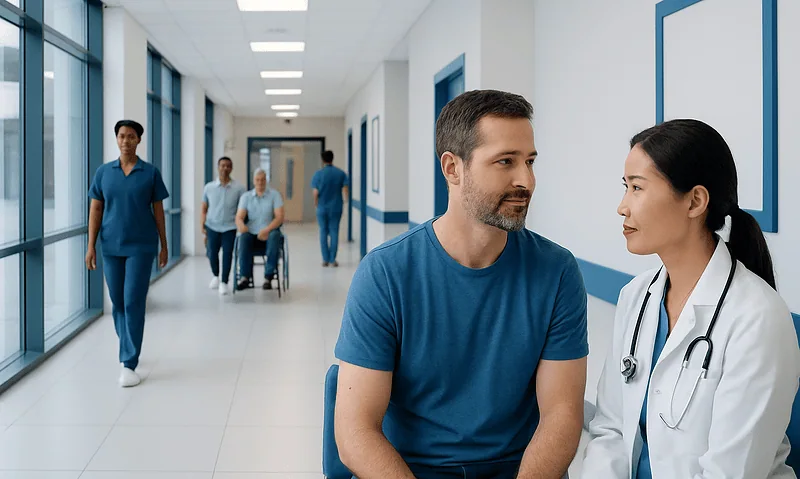

Related Specialists
Prof. Dr. Ayşe Sağduyu Kocaman
Neurology
Dr. Coşkun Akalın
Physical Medicine & Rehabilitation
Assoc. Prof. Dr. Tekin Kerem Ülkü
Orthopedic Surgery & Traumatology
Assoc. Prof. Dr. Ferda Çağavi
Neurosurgery