Neuromodulation for Movement and Pain Disorders: Who May Benefit

Neuromodulation uses targeted electrical stimulation to change abnormal nerve activity. It may benefit some people with conditions such as Parkinson’s disease, tremor, dystonia, and certain chronic pain syndromes.
Key Takeaways
- Neuromodulation uses targeted electrical stimulation to change abnormal nerve activity.
- It may benefit some people with conditions such as Parkinson’s disease, tremor, dystonia, and certain chronic pain syndromes.
- Careful evaluation is important because not every patient or symptom pattern is a good match for these procedures.
- Treatment plans are usually created by a multidisciplinary team that may include neurology, neurosurgery, pain medicine, and rehabilitation specialists.
- Benefits, risks, device maintenance, and long-term follow-up should be discussed before treatment.
Neuromodulation is a group of treatments that changes how the nervous system sends signals. It may help selected people with movement disorders or chronic pain when symptoms continue despite medication, rehabilitation, or other standard care.
Overview: What neuromodulation means
Neuromodulation is a broad term for treatments that alter nerve activity in a controlled way. Most commonly, this is done with small implanted devices that deliver electrical impulses to specific nerves, the spinal cord, or selected areas of the brain. In some settings, neuromodulation may also include noninvasive techniques that stimulate nerves from outside the body.
The goal is not to “cure” the underlying condition in every case. Instead, neuromodulation aims to improve symptoms by changing the abnormal signaling patterns that contribute to tremor, stiffness, involuntary movements, or persistent pain. For many patients, it is considered when medicines provide incomplete relief, cause difficult side effects, or stop working as well over time.
Different forms of neuromodulation are used for different problems. Examples include deep brain stimulation for selected movement disorders and spinal cord stimulation for some chronic pain conditions. The best option depends on the diagnosis, symptom severity, overall health, and the patient’s goals for treatment.
Who may benefit from neuromodulation
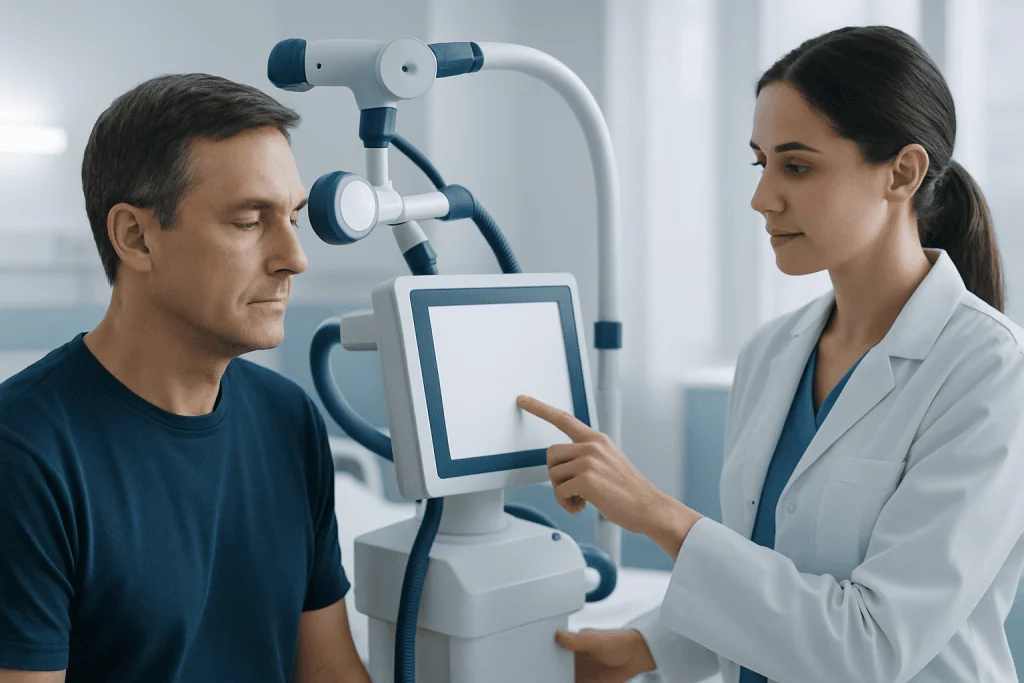
Neuromodulation may help people whose symptoms significantly affect daily life despite well-managed medical treatment. This often includes patients with movement disorders such as Parkinson’s disease, essential tremor, or dystonia, as well as some people with chronic nerve-related pain, failed back surgery syndrome, or complex regional pain syndrome. A strong diagnosis is important because outcomes are usually best when the condition has been clearly identified.
In movement disorders, a person may be considered if symptoms such as tremor, slowness, stiffness, or medication-related fluctuations are no longer well controlled. For example, some people living with Parkinson’s disease may benefit when medications help but cause wearing-off periods or involuntary movements. Patients with severe disabling tremor may also be evaluated if standard medicines have not provided enough relief.
In chronic pain, neuromodulation may be discussed when pain persists for months and interferes with sleep, mobility, work, or mood despite appropriate treatment. This does not mean it is the first step. Most patients are first treated with a combination of medication, physical therapy, exercise, and other pain-management approaches. Neuromodulation becomes more relevant when those measures are not enough and when testing suggests the pain type is suitable for nerve stimulation.
Age alone does not decide who is a candidate. Doctors also consider cognitive function, mental health, expectations, ability to attend follow-up visits, and whether the person can manage a device if one is implanted. Good candidates usually understand both the possible benefits and the limitations of treatment.
Common types of neuromodulation used for movement and pain disorders
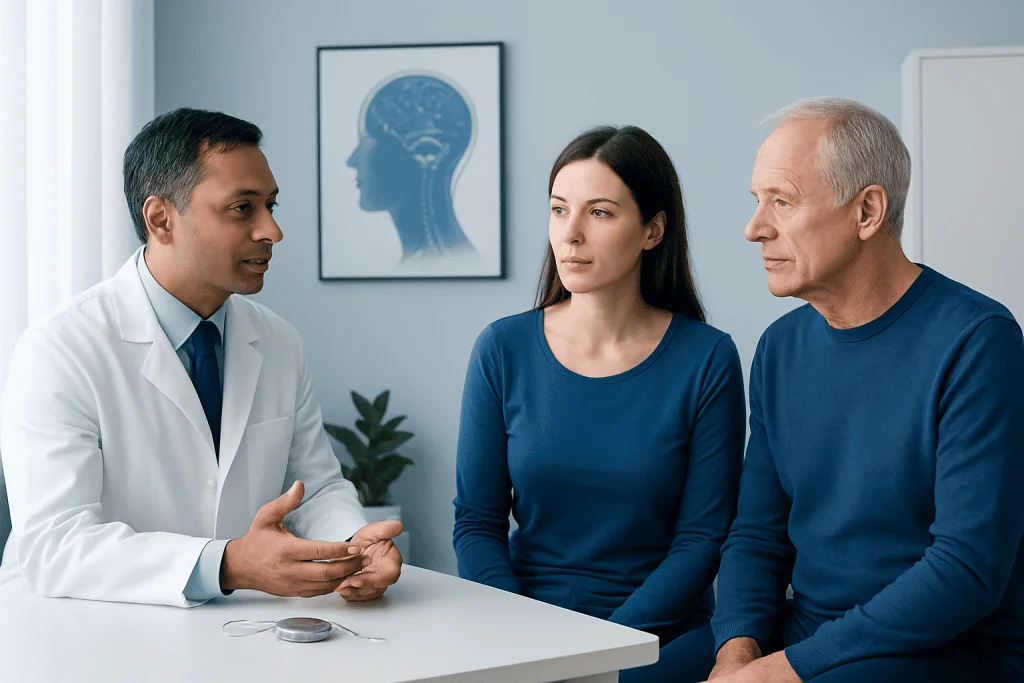
Deep brain stimulation, often called DBS, is one of the best-known neuromodulation procedures for movement disorders. In DBS, thin electrodes are placed in carefully chosen brain regions and connected to a small pulse generator implanted under the skin, usually near the chest. The device sends adjustable signals that can reduce symptoms such as tremor, stiffness, slowness, or involuntary movements in selected patients.
Spinal cord stimulation is more commonly used for chronic pain. It places electrodes near the spinal cord to modify how pain signals travel to the brain. Some patients feel a tingling sensation with stimulation, while newer systems may work without noticeable sensations. A temporary trial period is often used before permanent implantation, which helps doctors and patients judge whether symptom relief is meaningful.
Other neuromodulation approaches may be used in selected cases. Peripheral nerve stimulation targets individual nerves linked to localized pain. Intrathecal drug delivery, while not electrical stimulation, is sometimes discussed alongside neuromodulation because it changes pain control at the level of the nervous system. Noninvasive techniques may also be explored in certain neurological conditions, although they are not appropriate for every diagnosis.
Each option has a different purpose, benefit profile, and follow-up routine. A treatment that works well for tremor may not help the same person’s balance, speech, or memory. Similarly, a pain device may reduce pain intensity but still need to be combined with rehabilitation, exercise, and coping strategies for the best overall result.
Evaluation and diagnosis before treatment
Before neuromodulation is recommended, doctors usually carry out a detailed assessment. This begins with confirming the diagnosis and reviewing what treatments have already been tried. Symptom patterns, severity, medication response, past surgeries, imaging results, and general medical history all help determine whether a procedure is likely to help.
For movement disorders, assessment often includes a neurological examination and sometimes standardized rating scales that measure tremor, stiffness, or daily function. Brain imaging may be used to rule out other causes or to plan the procedure. In pain disorders, the evaluation may include physical examination, review of spine or nerve imaging, and assessment of whether the pain is more neuropathic, musculoskeletal, or mixed in origin.
Psychological or psychiatric screening is also common and should not be seen as a barrier. It helps identify depression, anxiety, unrealistic expectations, or cognitive difficulties that could affect recovery and long-term satisfaction. Addressing these issues can improve outcomes and support safer decision-making.
Many centers use a multidisciplinary model. Neurologists, neurosurgeons, pain specialists, anesthesiologists, rehabilitation physicians, psychologists, and specialist nurses may all contribute to the decision. In complex cases, this team approach helps match the right patient to the right treatment at the right time.
How the procedures are performed and what recovery is like
The exact procedure depends on the type of neuromodulation. In deep brain stimulation, surgery is carefully planned using imaging and precise targeting techniques. Electrodes are placed in the intended area, and a pulse generator is implanted under the skin. The device is then programmed over time, often through several follow-up visits, so the settings can be adjusted to balance symptom control and side effects.
With spinal cord stimulation, many patients first undergo a temporary trial. During this stage, leads are placed and connected to an external stimulator for a short period. If the trial gives meaningful relief and improves function, a permanent system may be implanted. This stepwise process can help avoid unnecessary permanent procedures in patients who are unlikely to benefit.
Recovery is usually gradual rather than immediate. Surgical soreness often improves first, but the full symptom benefit may take time because programming and fine-tuning are an important part of treatment. Patients are commonly advised to limit certain activities for a period after implantation so the leads and device can settle in place properly.
Long-term care includes device checks, battery monitoring, and occasional reprogramming. Some systems use rechargeable batteries, while others may need replacement after several years. Patients should also tell future healthcare providers that they have an implanted device, because this may affect imaging, other procedures, or security screening.
Benefits, limits, and possible risks
For the right patient, neuromodulation can improve quality of life by reducing symptom burden and supporting better daily function. In movement disorders, it may lessen tremor, reduce medication-related fluctuations, or make movements smoother. In chronic pain, it may lower pain intensity, improve sleep, and allow greater participation in rehabilitation or normal routines.
At the same time, neuromodulation has limits. It is not suitable for every diagnosis, and it does not treat all symptoms equally well. For example, in some movement disorders, certain symptoms may respond strongly while others show little change. Pain relief may also vary, and some patients experience only partial improvement rather than complete pain control.
As with any invasive procedure, there are risks. These may include infection, bleeding, lead movement, pain at the implant site, hardware malfunction, or stimulation-related side effects such as unwanted sensations or speech or balance changes, depending on the device and its location. Most risks are uncommon, but they should be discussed clearly before treatment.
Shared decision-making is essential. Patients should ask what improvement is realistic, how success will be measured, what follow-up will be needed, and what alternatives remain available. A clear understanding of both the possible gains and the responsibilities of long-term device care can help people decide whether neuromodulation fits their needs.
Self-care, follow-up, and when to speak with a specialist
Neuromodulation works best as part of a broader care plan. Patients often still need medication adjustments, exercise, physical therapy, occupational therapy, or psychological support. Healthy sleep habits, activity within medical advice, and regular follow-up visits can all contribute to better long-term outcomes.
After implantation, patients should follow wound-care instructions, keep scheduled programming appointments, and report any sudden change in symptoms. Signs such as fever, redness at the device site, unusual swelling, new weakness, severe headache, or sudden loss of benefit should be reviewed promptly by a doctor. Device questions, charging issues, or discomfort should also be discussed rather than ignored.
A specialist evaluation may be worth considering if movement symptoms or pain remain disabling despite standard care, or if medicines are causing side effects that limit daily life. In these situations, a referral to a center experienced in neurology, neurosurgery, or pain medicine can help clarify whether neuromodulation is appropriate. Related conditions such as essential tremor may also need reassessment over time because treatment needs can change.
For international patients seeking assessment, Acibadem International’s multidisciplinary specialists and JCI-accredited hospitals diagnose and treat movement and pain disorders with individualized care pathways. In selected cases, evaluation may include options such as Gamma Knife radiosurgery or comprehensive pain management when these are more suitable than implanted neuromodulation devices.
Frequently asked questions
Is neuromodulation the same as brain surgery?
Not always. Neuromodulation includes several treatments, and only some involve the brain, such as deep brain stimulation. Others target the spinal cord or peripheral nerves, and some approaches may be noninvasive.
Can neuromodulation cure Parkinson’s disease or chronic pain?
Neuromodulation usually does not cure the underlying condition. Its main role is to reduce symptoms and improve function in carefully selected patients. Many people still need medicines, rehabilitation, and ongoing follow-up.
How do doctors know if someone is a good candidate?
Doctors look at the diagnosis, symptom type, severity, response to previous treatments, and overall health. They also consider mood, memory, expectations, and the ability to manage long-term follow-up. A multidisciplinary assessment helps decide whether benefits are likely to outweigh risks.
Is neuromodulation painful or dangerous?
The procedures are designed to be performed safely, but like any medical intervention they carry risks. These may include infection, bleeding, discomfort at the implant site, or device-related problems. The care team explains the specific risks based on the type of neuromodulation being considered.
How long does it take to see results?
Some people notice improvement relatively soon, while others need several device adjustments before they feel the full benefit. Recovery and programming take time, especially after implanted procedures. The timeline depends on the condition being treated and the type of device used.
Will a person still need medication after neuromodulation?
Often yes. Neuromodulation may reduce the amount of medication needed in some cases, but many patients continue at least part of their previous treatment plan. Medication changes should always be guided by the treating doctor.
References
- National Institute of Neurological Disorders and Stroke
- National Institute for Health and Care Excellence
- International Association for the Study of Pain
- American Academy of Neurology
- MedlinePlus
This article is for general information only and is not a substitute for professional medical advice. Please consult a qualified doctor about your individual situation.
Neuromodulation in Turkey — costs, top hospitals & a free quote
JCI-accredited · board-certified surgeons · reply within 24h
Add us as a Preferred Source to see more of our trusted health content across Google Search, AI Overviews and Discover.