Neuromodulation for Movement Disorders: How Device-Based Therapy Helps
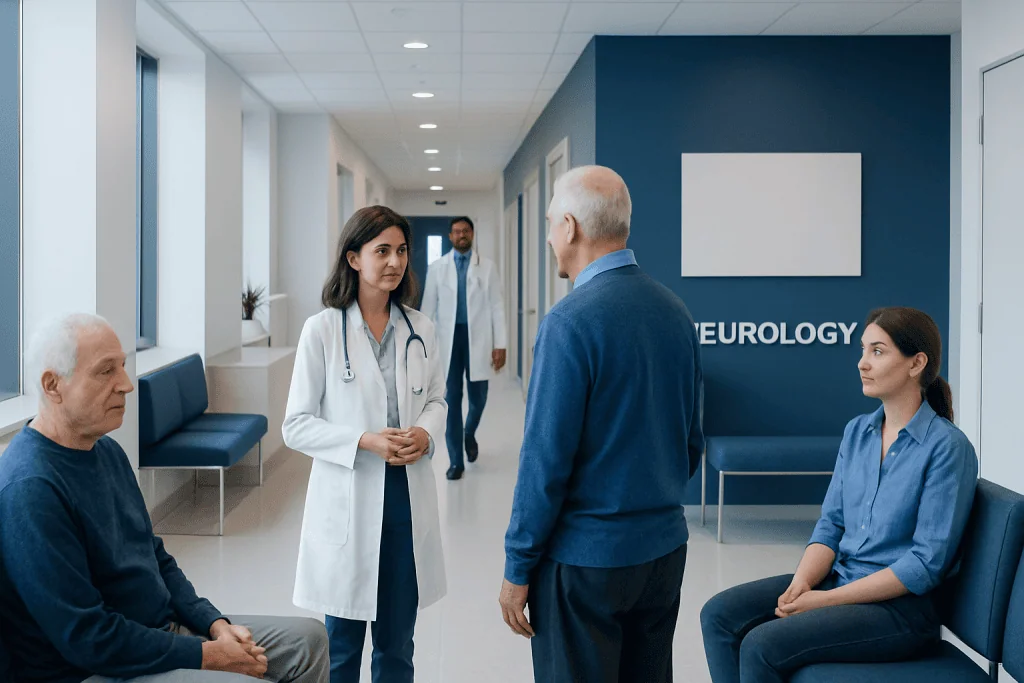
Neuromodulation can help manage symptoms such as tremor, stiffness, slowness, and some involuntary movements. Deep brain stimulation is the best-known neuromodulation therapy for selected movement disorders.
Key Takeaways
- Neuromodulation can help manage symptoms such as tremor, stiffness, slowness, and some involuntary movements.
- Deep brain stimulation is the best-known neuromodulation therapy for selected movement disorders.
- These treatments usually improve symptom control but do not cure the underlying neurologic condition.
- Careful testing and evaluation by a multidisciplinary team are important before treatment.
- Follow-up programming and long-term monitoring are a key part of successful results.
Neuromodulation for movement disorders refers to device-based treatments that change abnormal nerve signaling to help improve symptoms. It is most often considered when medicines are not giving enough control or are causing troublesome side effects.
Overview: What Neuromodulation Means
Neuromodulation for movement disorders is a treatment approach that uses electrical stimulation or medication delivered by a device to change how parts of the nervous system work. The goal is to reduce abnormal signaling patterns that contribute to symptoms such as tremor, stiffness, slowness, or uncontrolled movements. Rather than removing tissue, these therapies aim to adjust nerve activity in a controlled and often reversible way.
The most established example is deep brain stimulation, often called DBS. In this treatment, thin electrodes are placed in carefully selected areas of the brain and connected to a small pulse generator, usually implanted under the skin in the chest. The device sends electrical impulses that can help regulate movement-related brain circuits.
Other forms of neuromodulation may include infusion systems that deliver medication continuously or noninvasive stimulation methods in selected situations. Which option is considered depends on the diagnosis, symptom pattern, overall health, and whether symptoms still respond to medication. Neuromodulation is usually considered after a detailed specialist assessment rather than as a first step for most patients.
Which Movement Disorders May Benefit
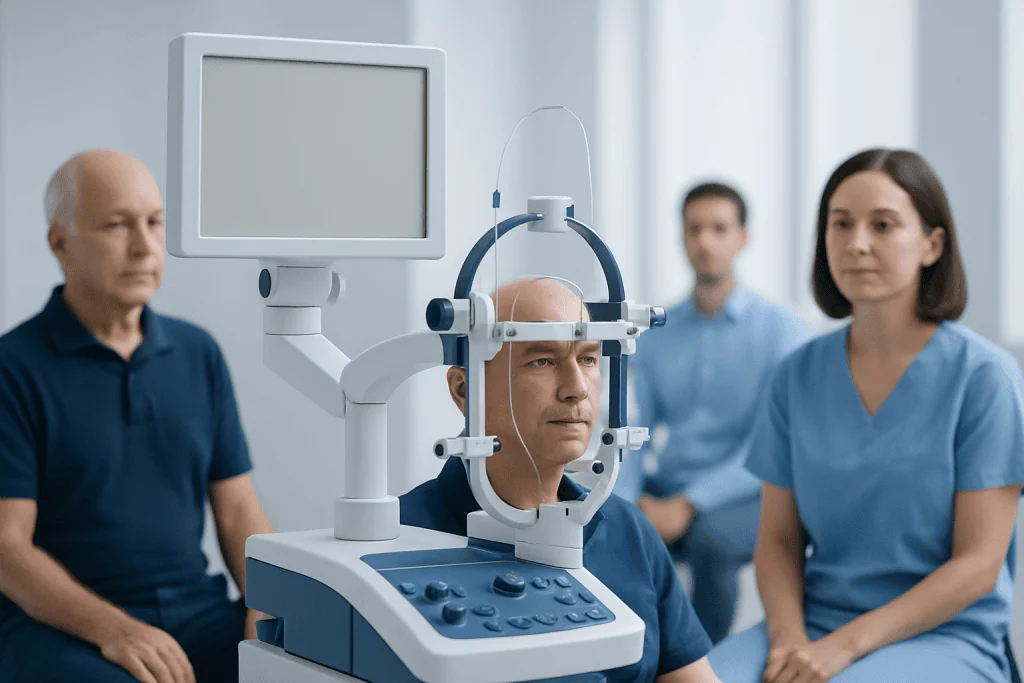
Neuromodulation is used most often for conditions in which abnormal brain signaling affects movement control. It can be helpful in selected people living with Parkinson's disease, especially when medication works but no longer lasts long enough, causes fluctuations during the day, or leads to involuntary movements called dyskinesias. It may also be considered for essential tremor when tremor significantly affects daily tasks such as eating, writing, or dressing.
Some people with dystonia may also benefit from neuromodulation, particularly when muscle contractions are persistent, painful, or disabling and standard medicines are not sufficient. In certain cases, specialists may consider device-based therapy for other less common movement disorders, but suitability varies widely and evidence differs from one condition to another.
Not every person with a movement disorder is a candidate. Doctors look at the exact diagnosis, how severe symptoms are, how much symptoms improve with medicines, thinking and memory function, mood, balance, and general medical fitness for a procedure. This individualized approach helps identify who is most likely to benefit safely.
How Device-Based Therapy Helps Symptoms
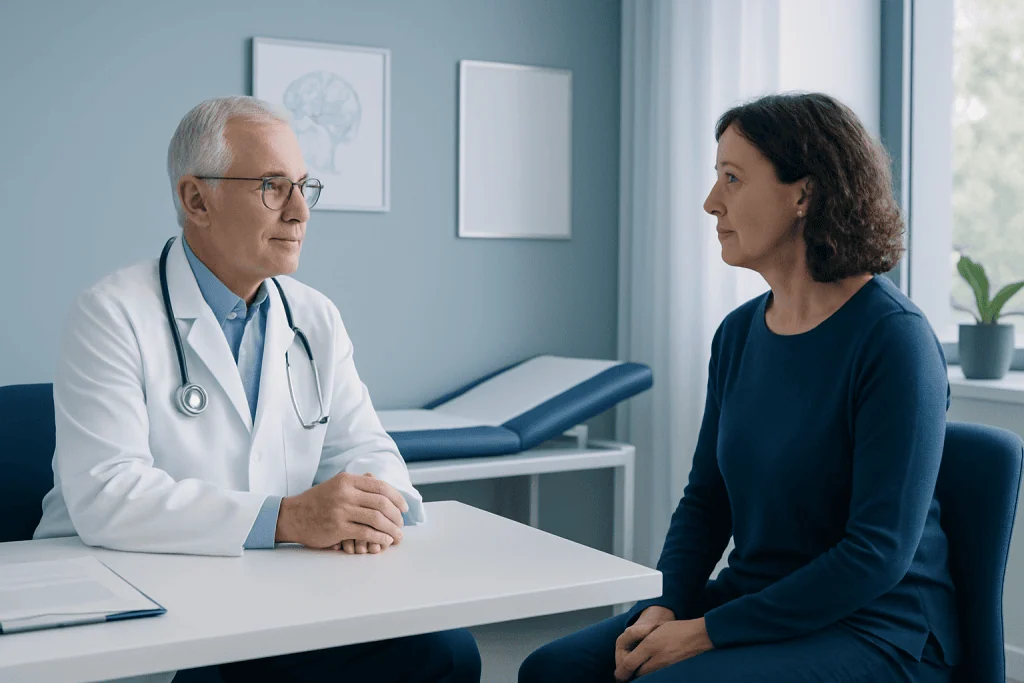
Movement disorders can develop when the networks that coordinate movement send signals that are too strong, too weak, or poorly timed. Neuromodulation aims to rebalance these circuits. In DBS, mild electrical pulses are delivered to a specific brain target involved in movement control. This can reduce tremor, improve slowness and stiffness, and lessen some medication-related complications in appropriate patients.
The treatment is not a cure and does not stop the underlying disease process. However, it may improve day-to-day function and quality of life by making symptoms more manageable. Many people still need medication after treatment, but the timing, amount, or combination of medicine may be adjusted by their neurology team.
Benefits depend on the condition being treated and the symptom type. For example, tremor often responds especially well in carefully selected patients, while balance problems, speech changes, or symptoms not related to abnormal movement circuits may improve less. Doctors explain these expected benefits and limits in detail before any procedure is planned.
Evaluation Before Neuromodulation
A thorough evaluation is essential before neuromodulation. Patients are usually assessed by movement disorder neurologists and, when relevant, neurosurgeons, neuropsychologists, rehabilitation specialists, and imaging teams. The purpose is to confirm the diagnosis, understand the main symptoms, and decide whether device-based therapy is likely to help more than medical treatment alone.
This evaluation may include a detailed examination on and off medication, brain imaging, and testing of memory, attention, mood, and daily functioning. Doctors also review other health conditions, blood-thinner use, prior surgeries, and any concerns about anesthesia or wound healing. Open discussion about goals is important, because treatment success is measured not only by symptom scores but also by improvements in daily life.
Patients and families are also counseled about practical issues such as the need for follow-up visits, device programming, battery checks, and possible future adjustments or replacements. This preparation helps people make an informed decision and sets realistic expectations before moving ahead.
What the Procedure and Recovery Involve
For DBS, the process generally involves placing electrodes into carefully chosen brain targets and implanting a pulse generator under the skin. Imaging and precise planning are used to guide placement. Depending on the center and the individual case, parts of the procedure may be performed with the patient awake or asleep under anesthesia. The exact approach is decided by the treating team.
After implantation, the device is not simply switched on and left unchanged. Programming is a gradual process in which the stimulation settings are adjusted over time to balance symptom relief and side effects. This usually requires several follow-up visits in the weeks and months after surgery. Medication may also be adjusted during this period.
Recovery varies from person to person, but many patients return to routine activities gradually after the initial healing period. Short-term discomfort around the incision sites can occur. Long-term success often depends on regular follow-up, rehabilitation when needed, and communication with the care team if symptoms change.
Benefits, Risks, and Limitations
The main benefit of neuromodulation is better control of specific symptoms that have become difficult to manage with medicine alone. Potential gains may include less tremor, fewer “off” periods, reduced involuntary movements, and improved ease of movement. For some people, this can support greater independence in work, self-care, or social activities.
Like any procedure, neuromodulation has risks. These may include infection, bleeding, pain at the implant site, hardware-related problems, or side effects from stimulation such as speech changes, tingling, balance difficulty, or mood changes. Many stimulation-related effects can be improved by changing the device settings, but some complications may require further treatment.
There are also important limitations. Neuromodulation may not improve every symptom, and benefit can vary by diagnosis and disease stage. Symptoms such as significant memory decline or certain walking and balance problems may respond less well. This is why careful patient selection and honest goal-setting are central to the decision-making process.
In experienced centers, treatment planning is highly individualized. Acibadem International’s multidisciplinary specialists in JCI-accredited hospitals evaluate international patients for advanced movement disorder care, including neuromodulation, when appropriate.
Long-Term Care, Self-Care, and Follow-Up
Neuromodulation is not a one-time event but part of long-term treatment. Ongoing visits are needed to check symptoms, fine-tune the settings, monitor the battery, and review medications. Some devices use rechargeable systems, while others may need replacement procedures after several years. Patients are taught how to care for incision sites early on and how to use any patient controller if one is provided.
Self-care remains important even after a successful procedure. Regular exercise, physical therapy, speech therapy when needed, good sleep, and taking medicines exactly as prescribed can all support better symptom control. Patients should also keep a symptom diary if the team recommends it, especially when changes in tremor, stiffness, or involuntary movements appear over time.
People should inform other healthcare providers that they have an implanted device before undergoing scans or procedures. Some medical equipment and environments may require special precautions. The neurology or neurosurgery team can give device-specific instructions so that routine medical care can continue safely.
- Attend scheduled programming and follow-up visits.
- Report new symptoms, fever, redness, or swelling near the device promptly.
- Continue rehabilitation and healthy daily habits.
- Ask about travel, airport screening, and MRI safety if relevant to the device.
When to Speak With a Doctor About Neuromodulation
It may be time to ask about neuromodulation when movement disorder symptoms are interfering with daily life despite well-managed medication. Examples include tremor that prevents eating or writing, wearing-off between medication doses, troublesome dyskinesias, or side effects that limit the use of otherwise helpful drugs. A referral to a movement disorder specialist can clarify whether device-based therapy should be explored.
Urgent medical review is needed after implantation if there are signs of infection, worsening confusion, severe headache, new weakness, seizures, or sudden major changes in neurologic function. Patients should also contact their care team if symptoms return abruptly, if the device seems not to be working, or if there is pain or visible change along the hardware path.
Even when neuromodulation is not the right option, specialist review can still be useful. Some people benefit from changes in medication, rehabilitation, or other advanced therapies such as focused ultrasound or infusion therapy for Parkinson's depending on the diagnosis and treatment goals.
Frequently asked questions
Is neuromodulation the same as deep brain stimulation?
Deep brain stimulation is one type of neuromodulation, but it is not the only one. Neuromodulation is a broader term for treatments that change nerve activity using a device or targeted delivery system.
Does neuromodulation cure Parkinson's disease or tremor?
No, neuromodulation does not cure the underlying disease. Its role is to help control certain symptoms and improve daily function in carefully selected patients.
Who is a good candidate for device-based therapy?
A good candidate is usually someone with a confirmed movement disorder diagnosis, symptoms that significantly affect quality of life, and an evaluation suggesting that the likely benefits outweigh the risks. Doctors also consider response to medication, thinking and memory, mood, general health, and personal treatment goals.
Will medication still be needed after treatment?
Many patients still need medication after neuromodulation. However, the type, timing, or amount may change as the care team adjusts treatment to achieve the best possible symptom control.
Is deep brain stimulation reversible?
DBS is generally considered adjustable and, in many respects, reversible because the stimulation can be changed or turned off and hardware can be removed if necessary. Even so, it is still a brain procedure and should be approached with careful specialist guidance.
How long does it take to see improvement?
Some symptoms may improve soon after the device is programmed, while full optimization often takes several visits over weeks or months. Improvement depends on the condition being treated, the symptoms targeted, and how the settings and medications are adjusted.
References
- World Health Organization
- National Institute of Neurological Disorders and Stroke
- Parkinson's Foundation
- International Parkinson and Movement Disorder Society
- National Institute for Health and Care Excellence
This article is for general information only and is not a substitute for professional medical advice. Please consult a qualified doctor about your individual situation.
Movement Disorders in Turkey — costs, top hospitals & a free quote
JCI-accredited · board-certified surgeons · reply within 24h
Add us as a Preferred Source to see more of our trusted health content across Google Search, AI Overviews and Discover.