Neuromodulation for Tremor: Who May Benefit and What Results to Expect

Neuromodulation may help people with tremor that remains disabling despite medication. Deep brain stimulation is one of the most established neuromodulation options for tremor.
Key Takeaways
- Neuromodulation may help people with tremor that remains disabling despite medication.
- Deep brain stimulation is one of the most established neuromodulation options for tremor.
- The best candidates are selected through detailed neurological, imaging, and overall health assessments.
- Treatment can improve daily activities such as eating, writing, and dressing, but it does not cure the underlying disease.
- Benefits, risks, recovery time, and follow-up needs vary by procedure and by the cause of tremor.
Neuromodulation for tremor is a treatment approach that uses targeted electrical stimulation or focused energy to reduce shaking when symptoms interfere with daily life and medications do not provide enough relief. Careful evaluation helps determine who may benefit, what type of procedure is most appropriate, and what results to expect over time.
Overview of Neuromodulation for Tremor
Neuromodulation for tremor refers to treatments that change abnormal brain signals involved in shaking. Tremor is a rhythmic, involuntary movement that most often affects the hands, but it can also involve the head, voice, legs, or trunk. For many people, medications help control symptoms. When tremor continues to interfere with work, self-care, eating, writing, or social confidence, procedural treatment may be considered.
The most widely used neuromodulation procedure for tremor is deep brain stimulation, often called DBS. In DBS, thin electrodes are placed in carefully selected brain targets and connected to a small implanted pulse generator. This system sends controlled electrical impulses that can disrupt the abnormal activity causing tremor. Another important option for selected patients is MR-guided focused ultrasound, which creates a precise treatment lesion without a traditional incision.
Neuromodulation does not usually cure the condition behind the tremor. Instead, its goal is symptom control and improvement in daily function and quality of life. The amount of benefit varies from person to person and depends on the cause of tremor, the severity of symptoms, other neurological features, and the treatment method chosen.
Who May Benefit Most
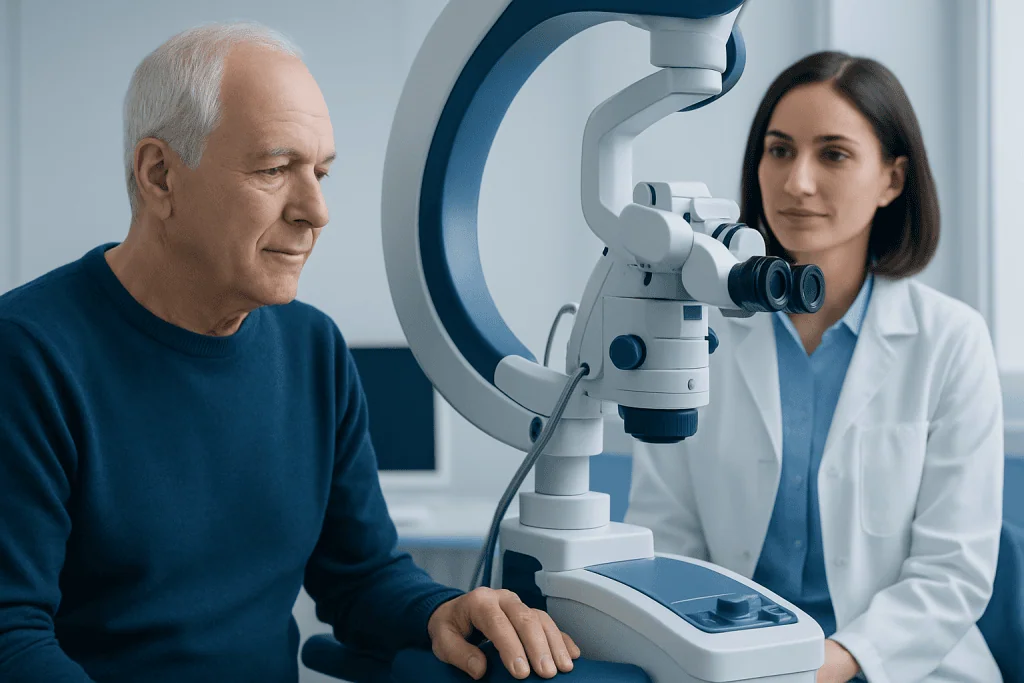
People most likely to benefit are those with significant tremor that has not responded well enough to medication or whose medicines cause troublesome side effects. This often includes patients with essential tremor, which commonly affects the hands and can make tasks like drinking from a cup or signing a name difficult. Some patients with Parkinson’s disease may also benefit, especially when tremor is a major problem despite otherwise appropriate medical therapy.
Doctors consider more than the diagnosis alone. They look at how much tremor affects independence, whether the symptoms are on one side or both, the person’s age and general health, and whether other symptoms are present, such as balance problems, speech changes, or memory difficulties. In many cases, the best candidates are those whose main disabling symptom is tremor rather than widespread advanced neurological impairment.
Neuromodulation may be less suitable when tremor is mild, when the cause is uncertain, or when significant uncontrolled medical conditions increase procedural risk. A history of severe cognitive decline, active infection, or certain psychiatric conditions may influence whether an implanted device is advisable. The decision is individualized and usually involves a neurologist, neurosurgeon, and other specialists as needed.
Common Types of Neuromodulation Procedures

Deep brain stimulation is the best known and most flexible neuromodulation treatment for tremor. During deep brain stimulation, electrodes are placed into a specific brain region involved in movement control. After implantation, the stimulation settings can be adjusted over time to improve tremor control and manage side effects. This adjustability is an important advantage, especially for conditions that change over the years.
MR-guided focused ultrasound is a non-implant treatment used in carefully selected patients, often for tremor that is mainly disabling on one side. It uses focused ultrasound energy guided by MRI to treat a tiny target in the brain. Because no implanted hardware is left behind, some people prefer this option. However, unlike DBS, it is not adjusted after treatment, and not every patient is a good candidate.
In some cases, specialists may also discuss other approaches that alter tremor pathways, such as stereotactic lesion procedures. The most suitable choice depends on the diagnosis, symptom pattern, anatomy, goals of treatment, and tolerance for surgery, implants, and follow-up care. A balanced discussion helps patients understand what each option can and cannot achieve.
Evaluation and Diagnosis Before Treatment
Before neuromodulation is recommended, the first step is confirming the type of tremor. Not all shaking is the same. A specialist will review when the tremor happens, whether it occurs at rest or during movement, which body parts are involved, what makes it better or worse, and how it has changed over time. This helps distinguish essential tremor from Parkinsonian tremor and other movement disorders.
The evaluation usually includes a neurological examination and a review of past medication trials. The care team may ask whether drugs were ineffective, caused fatigue, dizziness, low blood pressure, or other side effects, or helped only for a short time. Brain imaging may be used to plan treatment and to rule out structural causes. Some patients also need cognitive assessment or psychological screening to make sure the chosen therapy is safe and realistic for their needs.
For procedural planning, surgeons often use high-resolution MRI or CT-based mapping. The exact target in the brain depends on the diagnosis and symptom pattern. Careful assessment is one of the most important parts of successful treatment because the right procedure for the right patient offers the best chance of meaningful symptom improvement.
- Neurological examination and symptom history
- Review of medication response and side effects
- Brain imaging for diagnosis and procedural planning
- Cognitive and general health assessment when needed
What Results to Expect
Many patients experience clear improvement in tremor after neuromodulation, especially in tasks that require fine hand control. They may find it easier to eat, drink, write, shave, apply makeup, button clothes, or use a phone. For some, the most meaningful change is social confidence, because visible shaking can affect conversation, work, and public activities.
Results depend on the underlying condition. In essential tremor, neuromodulation often provides substantial reduction in hand tremor. In Parkinson’s disease, tremor may improve significantly, but other symptoms such as slowness, stiffness, gait difficulty, or balance problems may require separate treatment and may not improve to the same degree. This is why expectations should focus on symptom targets rather than a complete cure.
The timeline also differs by procedure. With focused ultrasound, benefits may be noticed soon after treatment. With DBS, improvement often develops as the device is programmed and fine-tuned over several visits. Some patients need adjustments over time because symptoms or stimulation needs change. Long-term follow-up is part of treatment, not a sign that the procedure failed.
Even with successful therapy, some residual tremor can remain. Specialists aim for meaningful functional improvement rather than perfection. Patients who understand this tend to feel more satisfied because they are prepared for the likely balance between benefit, adaptation, and ongoing care.
Risks, Side Effects, and Recovery
Every procedure has potential risks, and these should be discussed clearly before treatment. With DBS, risks may include bleeding, infection, hardware-related issues, temporary confusion, or discomfort around the implanted device. Stimulation itself can sometimes cause tingling, speech changes, balance effects, or muscle pulling, but these may improve when the settings are adjusted.
Focused ultrasound also has possible side effects, such as numbness, imbalance, tingling, or speech difficulty. Some effects are temporary, while others may last longer. Because this treatment creates a permanent lesion in a small brain target, careful candidate selection is especially important. Doctors weigh the possible gains in tremor control against the chance of side effects that may affect walking, sensation, or coordination.
Recovery varies by procedure. DBS usually involves a short hospital stay and a period of wound healing before the system is fully programmed. Focused ultrasound may allow a faster physical recovery, although monitoring remains important. In both cases, patients should follow instructions about activity, medications, and follow-up visits.
A multidisciplinary team helps reduce risk by assessing general health, reviewing medications, planning imaging carefully, and monitoring progress after treatment. Near the end of the treatment pathway, some international patients may seek care at centers such as Acibadem International, where multidisciplinary specialists in JCI-accredited hospitals evaluate and treat movement disorders with advanced procedural options.
Living With Tremor After Neuromodulation
Neuromodulation is only one part of tremor care. After treatment, patients often continue to benefit from neurologic follow-up, medication review, and practical strategies for daily life. Some may still need medicines, though often at lower doses or with a revised schedule. Others may benefit from occupational therapy to improve handwriting, utensil use, and task adaptations at home or work.
For DBS, regular programming visits are a key part of success. These sessions allow the team to balance tremor control with comfort and function. Battery checks and, when needed, replacement procedures are also part of long-term care. For focused ultrasound, follow-up focuses on monitoring symptom durability and watching for any persistent side effects.
People can also support their progress with healthy habits. Adequate sleep, stress management, and limiting triggers such as excess caffeine may help some forms of tremor. Family support is valuable as well, because improvements in independence often happen gradually as confidence returns and daily routines become easier.
- Attend all scheduled follow-up visits
- Report new balance, speech, or sensory symptoms promptly
- Review medications regularly with a neurologist
- Use rehabilitation or occupational therapy when recommended
When to Speak With a Specialist
A specialist evaluation is appropriate when tremor starts to affect safety, independence, work, or quality of life. This includes difficulty eating without spilling, avoiding social situations because of visible shaking, or giving up activities that require hand control. It is also important to seek medical advice if the tremor pattern changes, spreads to new body areas, or appears together with stiffness, slowness, weakness, walking problems, or memory concerns.
People do not need to wait until symptoms become extreme to ask about procedural options. Early discussion can help clarify whether medication adjustments, rehabilitation, or neuromodulation may be suitable in the future. It also gives patients time to learn about the benefits, limitations, and recovery process before making a decision.
Because tremor has several possible causes, expert assessment matters. A movement disorders neurologist and neurosurgical team can identify whether a person is likely to benefit from procedural treatment and whether other therapies, such as stereotactic radiosurgery in selected neurological settings, or evaluation for related problems such as dystonia, should be considered as part of broader care.
Frequently asked questions
What is neuromodulation for tremor?
Neuromodulation for tremor is a treatment that changes abnormal brain activity linked to shaking. It may use implanted electrical stimulation, such as deep brain stimulation, or focused energy treatments in selected patients.
Who is a good candidate for deep brain stimulation?
Good candidates often have disabling tremor that does not improve enough with medication or causes major side effects from medicines. They also need an evaluation to confirm the tremor type, overall health, and whether they can safely undergo surgery and follow-up programming.
Does neuromodulation cure essential tremor or Parkinson’s disease?
No. Neuromodulation does not cure the underlying disease, but it can reduce tremor and improve daily function. Many patients still need ongoing neurologic care and, in some cases, continued medication.
How long do the benefits last?
Benefits can last for years, but this depends on the underlying condition, the type of procedure, and how symptoms change over time. Deep brain stimulation can often be adjusted later, while non-adjustable procedures rely on the initial treatment effect.
Is neuromodulation only for older adults?
No. Age alone does not determine eligibility. Doctors focus more on diagnosis, symptom severity, general health, cognitive function, and whether the expected benefits outweigh the risks.
What are the main risks patients should discuss?
Patients should discuss risks such as bleeding, infection, imbalance, speech changes, sensory symptoms, device-related issues, and the possibility that some tremor may remain. The exact risk profile depends on the specific procedure being considered.
References
- National Institute of Neurological Disorders and Stroke
- National Institute for Health and Care Excellence
- American Academy of Neurology
- International Parkinson and Movement Disorder Society
- National Health Service
This article is for general information only and is not a substitute for professional medical advice. Please consult a qualified doctor about your individual situation.
Neuromodulation in Turkey — costs, top hospitals & a free quote
JCI-accredited · board-certified surgeons · reply within 24h
Add us as a Preferred Source to see more of our trusted health content across Google Search, AI Overviews and Discover.