Neuroplasticity — Explained by Medical Evidence, Not Myths
Neuroplasticity means the brain can change its connections and activity patterns across the lifespan. It supports learning, memory, adaptation, and recovery after some brain and nerve injuries.
Key Takeaways
- Neuroplasticity means the brain can change its connections and activity patterns across the lifespan.
- It supports learning, memory, adaptation, and recovery after some brain and nerve injuries.
- Healthy plasticity can be strengthened by practice, sleep, exercise, rehabilitation, and treatment of underlying conditions.
- Neuroplasticity is not a guarantee of full recovery, and outcomes depend on age, health, diagnosis, injury severity, and timing of care.
- Medical evaluation is important when symptoms such as weakness, speech changes, memory loss, seizures, or sudden severe headache occur.
Neuroplasticity is the brain’s medically recognized ability to reorganize its structure, connections, and function in response to learning, experience, injury, and recovery. It is real and evidence-based, but it is not unlimited or magical; brain change follows biological rules and usually requires time, repetition, and the right support.
Overview: what neuroplasticity really means
Neuroplasticity is the brain’s ability to change. In medical terms, it refers to the nervous system’s capacity to modify how nerve cells connect, communicate, and sometimes reorganize tasks in response to experience, learning, environment, disease, or injury. This is not a myth or a motivational slogan. It is a well-established biological process observed in neuroscience, rehabilitation medicine, and clinical practice.
Brain change can happen in several ways. Existing connections between neurons may become stronger or weaker, new connections may form, and networks may become more efficient with repeated use. In some situations, neighboring brain regions can partly support functions affected by injury. These changes help explain why people can learn new skills, adapt to sensory changes, and improve function during recovery after conditions such as stroke.
At the same time, neuroplasticity is often misunderstood. It does not mean that anyone can “rewire” the brain in any direction at any speed. Brain change is influenced by age, general health, sleep, stress, medications, timing of treatment, and the type of neurological problem involved. Some changes are helpful, while others can contribute to chronic pain, addiction, or maladaptive movement patterns.
How neuroplasticity works in the brain and nervous system
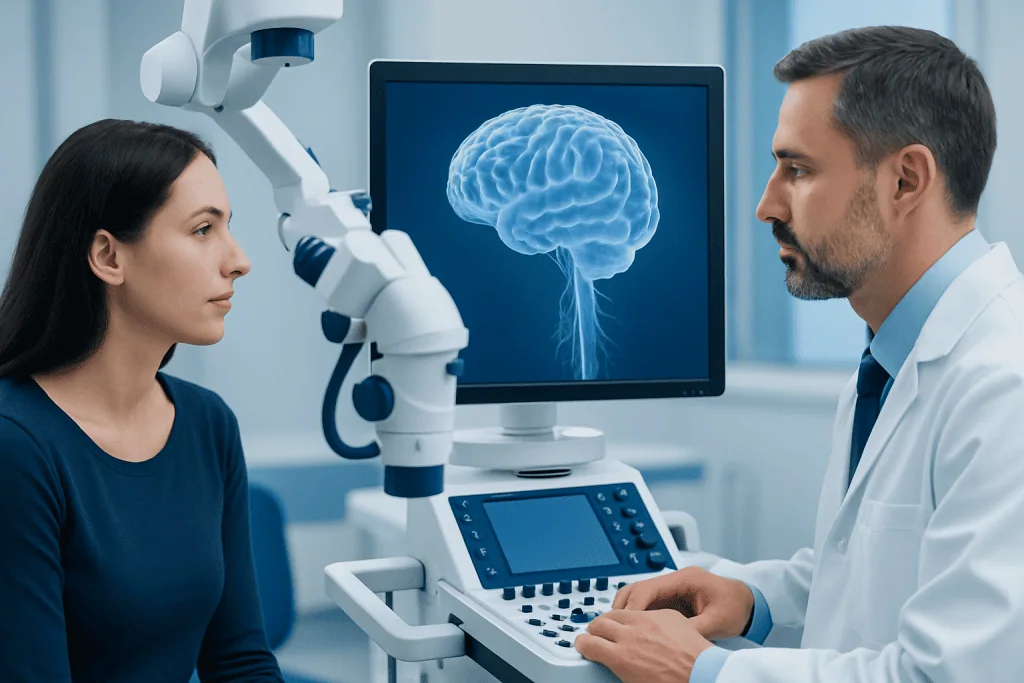
The brain contains billions of nerve cells that communicate through electrical signals and chemical messengers. When certain pathways are used repeatedly, the communication between involved neurons can become more efficient. This process supports learning and memory. When pathways are used less often, they may weaken over time. A common shorthand is that repeated practice helps specific circuits become easier for the brain to activate.
Neuroplasticity can be structural or functional. Structural plasticity refers to physical changes in connections or network organization. Functional plasticity refers to changes in how brain areas perform tasks. For example, after an injury, the brain may recruit alternative pathways to support a movement or language task. This is one reason rehabilitation is often based on repeated, targeted practice rather than passive waiting.
Plasticity is not limited to childhood. Although young brains are generally more adaptable, adults also retain significant capacity for change. This is seen in language learning, musical training, skill acquisition, psychological therapy, and neurological recovery. However, change tends to be more effective when practice is meaningful, specific, repeated, and supported by rest and good overall health.
- Experience-dependent plasticity: change driven by learning and daily activity
- Injury-related plasticity: adaptation after stroke, trauma, or surgery
- Compensatory plasticity: use of alternative strategies or networks
- Maladaptive plasticity: changes linked to pain, spasticity, or harmful habits
What neuroplasticity can and cannot do
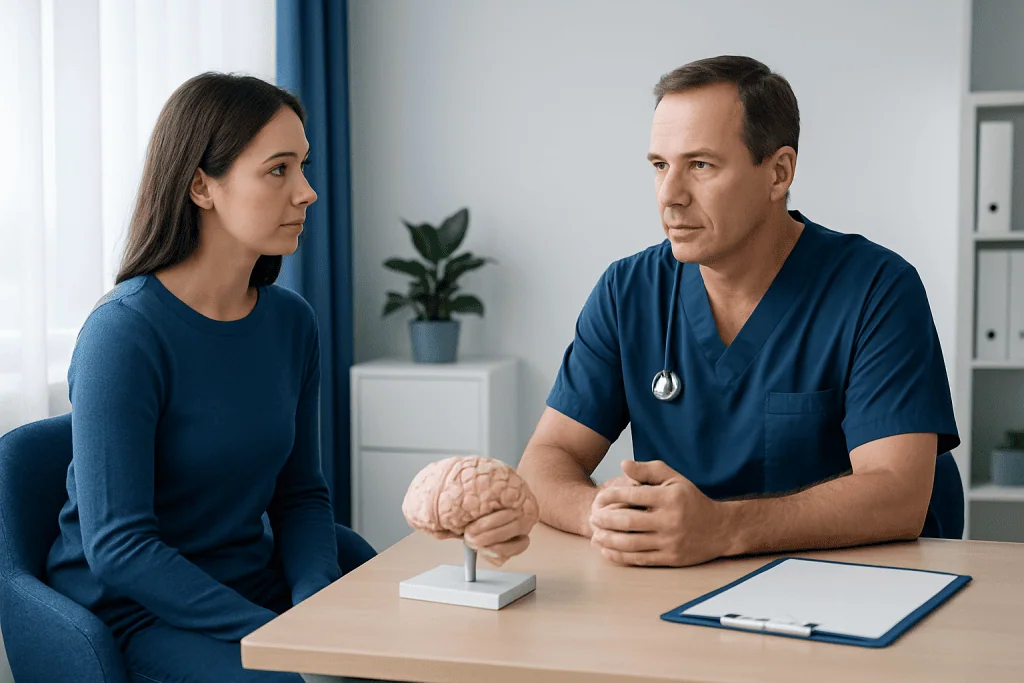
Medical evidence supports neuroplasticity in learning and in many forms of rehabilitation. People may improve walking, balance, hand use, speech, attention, and daily functioning through structured therapy. This is especially relevant after neurological conditions such as Parkinson’s disease, traumatic brain injury, peripheral nerve problems, or stroke. Improvement may continue for months, and in some cases longer, when therapy is continued and goals are realistic.
However, neuroplasticity is not the same as complete regeneration. Some brain cells and pathways cannot fully recover, and some deficits may persist despite excellent care. Claims that the brain can always restore any lost function, or that simple “brain hacks” can rapidly reverse serious neurological disease, are not supported by medical evidence. Recovery is usually gradual and varies from person to person.
Another important point is that not all brain change is beneficial. Repetitive unhealthy behaviors can reinforce harmful circuits. Chronic stress can affect attention, sleep, and emotional regulation. Persistent pain can become linked with long-term nervous system sensitization. For this reason, treatment often aims not only to encourage helpful plasticity, but also to reduce patterns that interfere with recovery.
Neuroplasticity in learning, rehabilitation, and recovery
One of the clearest clinical uses of neuroplasticity is rehabilitation. After stroke, brain injury, spinal problems, or some surgeries, therapists design exercises that repeatedly target a lost or weakened function. The goal is to help the nervous system strengthen useful pathways through task-specific practice. This can include balance training, speech therapy, hand exercises, gait practice, cognitive therapy, and daily living activities.
Timing matters. Early assessment and appropriately supervised rehabilitation can support better recovery, although the right schedule depends on the diagnosis and the person’s medical stability. Intensive practice is often useful, but more is not always better if fatigue, pain, or medical complications are present. A balanced, individualized plan is usually most effective. In some cases, specialist programs such as stroke rehabilitation or broader neurological rehabilitation are recommended.
Technology may also support plasticity. Depending on need, clinicians may use imaging, movement analysis, cognitive testing, assistive devices, or carefully selected procedures to guide treatment. For some patients, therapies such as deep brain stimulation are used for specific movement disorders, but these are not general tools for “boosting” the brain. They are considered only in appropriate medical contexts after specialist evaluation.
Factors that support healthy neuroplasticity
Neuroplasticity tends to be strongest when the brain is given the right conditions for change. Repetition is important, but so are attention, motivation, sleep, physical activity, and nutrition. Practicing a task with clear goals helps the brain prioritize that network. Rest periods also matter because consolidation of learning often happens after training, especially during sleep.
Regular aerobic exercise is associated with better brain health and may support memory, mood, and vascular function. Good sleep helps the brain process learning and maintain attention. Managing chronic conditions such as high blood pressure, diabetes, depression, or hearing loss can also protect cognitive function and improve rehabilitation potential. Avoiding smoking and limiting alcohol are sensible ways to reduce harm to the nervous system.
Healthy plasticity can be encouraged by habits such as:
- Learning new skills and practicing them consistently
- Following a personalized rehabilitation plan after injury or illness
- Staying physically active within a doctor’s advice
- Getting adequate sleep and treating sleep disorders
- Managing stress through evidence-based strategies
- Seeking treatment for vision, hearing, mood, or movement problems that interfere with daily function
These steps do not replace medical treatment, but they can support the brain’s natural capacity to adapt. In international centers such as Acibadem International, multidisciplinary specialists in JCI-accredited hospitals evaluate neurological symptoms and design treatment and rehabilitation plans for patients who need coordinated care.
Common myths about neuroplasticity
A frequent myth is that people use only a small fraction of the brain and can unlock the rest through simple techniques. This idea is not supported by neuroscience. Brain imaging shows that different regions are active in different tasks, and even routine daily activities involve complex networks. Neuroplasticity does not mean hidden, unused brain tissue can suddenly be switched on for extraordinary results.
Another myth is that positive thinking alone can rewire the brain to cure disease. Mindset can influence motivation, stress, and participation in therapy, which are all valuable. But medical recovery depends on the actual condition, its severity, and evidence-based treatment. A person recovering from aphasia, neuropathy, or traumatic injury usually needs structured care, not just mental effort.
It is also mistaken to assume that every type of brain training app produces major cognitive gains in everyday life. Some exercises improve performance on the practiced task, but broader benefits may be limited unless training is relevant to real-world needs. Clinicians usually focus on targeted exercises, daily function, and measurable goals rather than promises of universal brain enhancement.
When to seek medical care
Questions about neuroplasticity often arise after symptoms or a diagnosis. A doctor should assess new neurological symptoms rather than assuming they will improve on their own. Prompt evaluation can identify urgent problems and help start treatment at the right time, which may support better recovery.
Medical care is important if there is sudden weakness, facial drooping, numbness, trouble speaking, loss of balance, severe dizziness, new confusion, seizure, fainting, or a sudden severe headache. These may be signs of a medical emergency, including stroke, and urgent care should be sought immediately. Ongoing symptoms such as memory decline, tremor, persistent headaches, changes in walking, or difficulty using a hand also deserve professional assessment.
Diagnosis may involve a neurological examination and tests such as blood work, cognitive evaluation, nerve studies, or MRI to look at the brain or spine. Once the cause is clear, the care team can explain what degree of recovery may be possible and which therapies are most likely to help.
Frequently asked questions
Is neuroplasticity real or just a popular idea?
Neuroplasticity is real and well supported by medical and scientific evidence. It describes the brain’s ability to change its connections and activity patterns in response to learning, experience, and some forms of injury and recovery.
Can neuroplasticity happen in adults?
Yes. Although children’s brains are generally more adaptable, adults continue to show neuroplasticity throughout life. This is seen in learning new skills, recovering some functions after injury, and improving with rehabilitation.
Does neuroplasticity mean the brain can fully heal itself?
Not always. Neuroplasticity can support improvement and compensation, but it does not guarantee complete recovery. Outcomes depend on the type of condition, the severity of damage, the person’s overall health, and how quickly effective treatment begins.
How can a person support healthy neuroplasticity?
Helpful steps include regular physical activity, good sleep, learning and practicing meaningful skills, and following prescribed rehabilitation. Managing stress and chronic medical conditions can also support brain health and recovery.
Is neuroplasticity important after stroke?
Yes. Neuroplasticity is one reason many people can improve movement, speech, and daily function after stroke with appropriate therapy. Recovery is often supported by repeated, task-specific practice guided by rehabilitation professionals.
Can brain games increase neuroplasticity?
They may improve performance on the specific tasks being practiced, but benefits do not always transfer broadly to daily life. Clinicians usually recommend activities that match real functional goals, such as attention, language, balance, or hand use.
References
- World Health Organization
- National Institute of Neurological Disorders and Stroke
- National Institute on Aging
- American Stroke Association
- Cleveland Clinic
This article is for general information only and is not a substitute for professional medical advice. Please consult a qualified doctor about your individual situation.
Explore treatments in Turkey — costs, top hospitals & a free quote
JCI-accredited · board-certified surgeons · reply within 24h
Add us as a Preferred Source to see more of our trusted health content across Google Search, AI Overviews and Discover.

More from the Health Library
Anxiety Management — Explained by Medical Evidence, Not Myths
Rose Water for Face: A Complete Medical Overview
Sunburn Blisters — Explained by Medical Evidence, Not Myths
Clonidine for Sleep — Explained by Medical Evidence, Not Myths

Cilantro: What Patients Need to Know