Neuropsychiatry: When Brain Disorders Affect Mood, Behavior, and Thinking

Neuropsychiatry bridges neurology and psychiatry, especially when brain disorders affect emotions, behavior, cognition, or daily functioning. Symptoms may include depression, anxiety, irritability, hallucinations, personality change, memory problems, poor concentration, impulsivity, or sleep disturbance.
Key Takeaways
- Neuropsychiatry bridges neurology and psychiatry, especially when brain disorders affect emotions, behavior, cognition, or daily functioning.
- Symptoms may include depression, anxiety, irritability, hallucinations, personality change, memory problems, poor concentration, impulsivity, or sleep disturbance.
- Common causes include traumatic brain injury, stroke, epilepsy, dementia, Parkinson’s disease, multiple sclerosis, infections, autoimmune conditions, sleep disorders, and medication effects.
- Diagnosis often combines a detailed history, neurological examination, mental health assessment, cognitive testing, laboratory tests, and brain imaging when appropriate.
- Treatment is individualized and may include treating the underlying brain condition, medication, psychotherapy, cognitive rehabilitation, sleep care, lifestyle support, and family education.
- Prompt medical assessment is important when symptoms are sudden, severe, worsening, or accompanied by confusion, weakness, seizures, fever, or safety concerns.
Neuropsychiatry focuses on the close relationship between brain health and changes in mood, behavior, personality, sleep, and thinking. It helps identify whether symptoms are linked to a neurological condition, a psychiatric condition, medication effects, or several factors working together.
Overview
Neuropsychiatry is a medical field that looks at how the brain and nervous system influence mood, behavior, personality, thinking, and perception. It sits at the intersection of neurology, psychiatry, psychology, rehabilitation, and sometimes internal medicine. The goal is not to label a symptom as only neurological or only psychological, but to understand the full picture of what is happening in the person’s brain, body, and daily life.
Many neurological conditions can cause emotional or behavioral symptoms. A person recovering from a stroke may become unusually tearful or impulsive. Someone with epilepsy may experience anxiety, memory problems, or mood changes. A person with Parkinson’s disease, dementia, multiple sclerosis, brain injury, or a sleep disorder may notice changes in motivation, attention, personality, or emotional control. In these situations, neuropsychiatric care can help connect symptoms with possible brain-related causes and guide treatment.
Neuropsychiatric symptoms are common and real, but they can be confusing for patients and families. They may appear gradually or suddenly, and they may fluctuate from day to day. A careful assessment helps distinguish between conditions such as depression, delirium, dementia, medication side effects, seizures, sleep disorders, and stress-related reactions, which can sometimes look similar from the outside.
Symptoms and Signs
Neuropsychiatric symptoms can affect how a person feels, thinks, behaves, sleeps, communicates, and interacts with others. Some people mainly notice emotional changes, such as depression, anxiety, panic, irritability, apathy, or emotional outbursts. Others have cognitive symptoms, including forgetfulness, slowed thinking, poor attention, difficulty planning, word-finding problems, or trouble completing familiar tasks.
Behavioral and personality changes may be especially concerning to families because they can seem unlike the person’s usual character. These may include impulsive decisions, reduced social judgment, agitation, suspiciousness, loss of interest in activities, changes in eating or sexual behavior, or difficulty recognizing the impact of actions on others. Some people may also experience hallucinations, delusions, or episodes of confusion, particularly when there is an underlying medical or neurological trigger.
Common neuropsychiatric symptoms may include:
- Mood changes such as sadness, anxiety, irritability, or emotional numbness
- Memory, attention, language, or problem-solving difficulties
- Sleep-wake changes, daytime sleepiness, nightmares, or insomnia
- Personality change, disinhibition, apathy, or loss of motivation
- Unusual movements, restlessness, or changes in facial expression and voice
- Hallucinations, paranoia, confusion, or fluctuating awareness
The pattern of symptoms matters. Sudden confusion after an infection, gradual memory loss over years, mood changes after a head injury, or hallucinations in a movement disorder may point to different causes. For this reason, families are often asked to describe when symptoms began, what makes them better or worse, and how they affect daily life.
Causes and Risk Factors

Neuropsychiatric symptoms can arise when brain networks that regulate emotion, memory, attention, movement, sleep, and perception are disrupted. This can happen after traumatic brain injury, stroke, brain tumors, epilepsy, infections affecting the nervous system, autoimmune inflammation, metabolic problems, or exposure to toxins. Some symptoms also appear as part of chronic neurological conditions, including Parkinson’s disease, Huntington’s disease, Alzheimer’s disease and related dementias, multiple sclerosis, and other neurodegenerative diseases.
Sleep and circadian rhythm disorders can also strongly affect mood and thinking. Poor sleep may worsen attention, anxiety, pain, seizures, headaches, and emotional regulation. Conditions such as sleep apnea, narcolepsy, restless legs syndrome, and REM sleep behavior disorder may require specialist assessment, especially when daytime sleepiness, dream enactment, or sudden sleep attacks are present. In some cases, neurological sleep medicine is part of the evaluation.
Risk factors vary depending on the underlying condition. Older age, vascular risk factors, previous head injury, family history of neurological disease, autoimmune illness, severe infection, substance use, and complex medication regimens may increase risk in some people. Certain prescribed medicines can also contribute to confusion, hallucinations, low mood, agitation, or sleep changes, particularly when several medications are taken together.
Psychological stress does not mean symptoms are imaginary. Stress, pain, fatigue, grief, and social isolation can worsen brain-related symptoms, while a brain condition can make coping with stress harder. A balanced neuropsychiatric assessment considers biological, psychological, and social factors together.
How Neuropsychiatric Conditions Are Diagnosed
Diagnosis begins with a detailed medical history. The clinician may ask when symptoms started, whether they were sudden or gradual, whether there was a recent infection, injury, seizure, medication change, sleep problem, or major life event, and how symptoms affect work, study, relationships, and self-care. Family members or caregivers can provide helpful observations, especially if memory, awareness, or behavior has changed.
A neurological examination checks strength, sensation, reflexes, coordination, gait, eye movements, speech, and other signs of nervous system involvement. A mental health assessment explores mood, anxiety, thought patterns, perception, insight, risk, and coping. Depending on the situation, blood tests may be used to look for thyroid problems, vitamin deficiencies, inflammation, infection, metabolic changes, or medication effects.
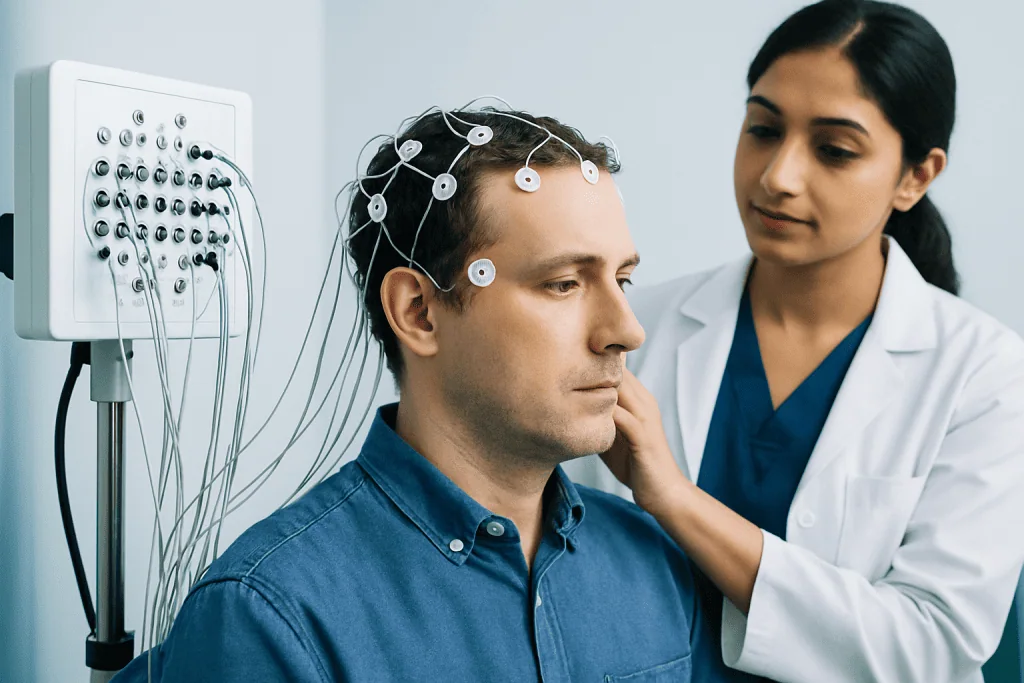
Brain imaging such as MRI or CT may be recommended when symptoms suggest stroke, tumor, inflammation, injury, dementia, or another structural cause. EEG may be used if seizures or abnormal electrical brain activity are possible. In selected cases, sleep studies, lumbar puncture, genetic testing, or specialized movement, vision, or autonomic testing may be considered.
Cognitive evaluation is often important. Neuropsychological testing can measure memory, attention, language, processing speed, executive function, mood, and effort in a structured way. These results help clarify strengths and weaknesses, support diagnosis, guide rehabilitation, and provide a baseline for monitoring change over time.
Treatment Options
Treatment depends on the underlying cause, the severity of symptoms, the person’s age and medical history, and the impact on daily life. When symptoms are related to a treatable medical problem, such as infection, thyroid disease, medication side effects, uncontrolled seizures, sleep apnea, or vitamin deficiency, addressing that problem can improve mood, behavior, or thinking. In chronic neurological conditions, treatment often focuses on symptom control, function, safety, and quality of life.
Medication may be helpful for depression, anxiety, psychosis, agitation, sleep disturbance, attention problems, seizures, or movement-related symptoms, but it must be chosen carefully. People with neurological disorders may be more sensitive to side effects such as sleepiness, falls, confusion, movement changes, or interactions with other medicines. The safest approach is individualized prescribing, regular review, and clear communication between the patient, family, neurologist, psychiatrist, and primary doctor.
Psychological and behavioral therapies can also be valuable. Cognitive behavioral therapy, supportive counseling, family therapy, behavior management strategies, and structured routines may help patients and caregivers understand symptoms and reduce distress. Cognitive rehabilitation, occupational therapy, speech and language therapy, physiotherapy, and social work support may be recommended when thinking, communication, mobility, or independence are affected.
Some patients may benefit from advanced neurological treatments or multidisciplinary programs, depending on the condition. For example, selected movement, pain, or functional symptoms may require specialized neurotherapeutic planning, and some disorders may be evaluated for neuromodulation approaches. Acibadem International’s multidisciplinary specialists and JCI-accredited hospitals diagnose and treat neuropsychiatric and neurological conditions for international patients, with care plans tailored to the individual clinical picture.
Prevention, Self-Care, and Daily Support
Not all neuropsychiatric conditions can be prevented, but brain health can often be supported. Managing blood pressure, diabetes, cholesterol, heart disease, sleep disorders, and hearing or vision problems may reduce the burden on the brain. Avoiding head injury, limiting alcohol, not using recreational drugs, staying physically active when safe, and following prescribed treatment plans are practical steps that may help protect function.
Daily structure can reduce confusion and emotional strain. A consistent sleep schedule, regular meals, hydration, gentle exercise, meaningful activities, and simplified routines may support memory and mood. Calendars, medication organizers, written reminders, labeled storage areas, and quiet environments can help people with attention or memory difficulties feel more secure and independent.
Caregivers also need support. Behavioral symptoms may be easier to manage when families understand that the changes are symptoms of a brain-related condition, not deliberate misbehavior. Calm communication, short instructions, reducing overstimulation, and identifying triggers such as pain, fatigue, hunger, noise, or unfamiliar surroundings may prevent escalation.
Safety planning should be practical and respectful. Depending on symptoms, clinicians may discuss driving, cooking, financial decisions, medication management, fall prevention, wandering risk, or access to weapons and hazardous items. These conversations are intended to protect the person’s dignity and independence while reducing preventable harm.
When to See a Doctor
A medical evaluation is recommended when there is a new or worsening change in mood, behavior, personality, memory, sleep, or thinking, especially if it affects daily life. This is particularly important after a head injury, stroke, seizure, infection, medication change, or diagnosis of a neurological condition. Early assessment can identify reversible causes and help families plan appropriate care.
Urgent medical attention is needed when symptoms appear suddenly or are accompanied by weakness on one side of the body, trouble speaking, severe headache, seizure, fainting, fever, stiff neck, severe confusion, chest pain, or thoughts of self-harm or harm to others. Sudden changes can sometimes signal a time-sensitive neurological or medical condition.
Families should also seek help if a person is unable to care for basic needs, becomes unsafe at home, experiences hallucinations or paranoia that cause distress, or shows rapidly worsening memory and confusion. A qualified doctor can decide whether the person needs emergency care, neurological evaluation, psychiatric support, laboratory testing, imaging, or follow-up with a specialized team.
Frequently asked questions
What is neuropsychiatry?
Neuropsychiatry is the medical field that studies and treats changes in mood, behavior, personality, and thinking that are related to brain and nervous system function. It combines knowledge from neurology, psychiatry, psychology, and rehabilitation to understand symptoms in a complete way.
How is neuropsychiatry different from psychiatry or neurology?
Neurology focuses on disorders of the brain, spinal cord, nerves, and muscles, while psychiatry focuses on mental health conditions involving mood, thought, and behavior. Neuropsychiatry connects these areas when symptoms overlap, such as depression after stroke, hallucinations in Parkinson’s disease, or personality change after brain injury.
Can a brain disorder cause depression or anxiety?
Yes. Brain injury, stroke, epilepsy, dementia, multiple sclerosis, Parkinson’s disease, sleep disorders, and other neurological conditions can contribute to depression or anxiety. Emotional symptoms can also be influenced by pain, fatigue, medication effects, stress, and changes in independence.
Are neuropsychiatric symptoms treatable?
Many neuropsychiatric symptoms can improve with the right care, especially when a reversible trigger is found. Treatment may include managing the underlying neurological condition, adjusting medications, psychotherapy, cognitive rehabilitation, sleep treatment, and caregiver support. The expected outcome depends on the cause and overall health of the person.
What tests are used in a neuropsychiatric evaluation?
Testing depends on the symptoms and medical history. A person may have a neurological examination, mental health assessment, blood tests, MRI or CT imaging, EEG, sleep testing, or neuropsychological evaluation. Not every patient needs every test.
When are symptoms an emergency?
Emergency care is needed for sudden confusion, new weakness, trouble speaking, seizure, severe headache, fever with stiff neck, loss of consciousness, or serious safety concerns. Thoughts of self-harm or harm to others also require immediate professional help. Rapid medical assessment can identify urgent causes and guide safe care.
References
- World Health Organization
- National Institute of Neurological Disorders and Stroke
- American Psychiatric Association
- American Academy of Neurology
- National Institute of Mental Health
This article is for general information only and is not a substitute for professional medical advice. Please consult a qualified doctor about your individual situation.
Neuropsychiatry in Turkey — costs, top hospitals & a free quote
JCI-accredited · board-certified surgeons · reply within 24h

Related Treatments
Related Conditions
More from the Health Library



Related Specialists

Prof. Dr. Ayşe Sağduyu Kocaman
Neurology
Prof. Dr. Mehmet Zafer Berkman
Neurosurgery
Prof. Dr. Pınar Yalınay Dikmen
Neurology
Prof. Dr. Elif Ilgaz Aydınlar
Neurology