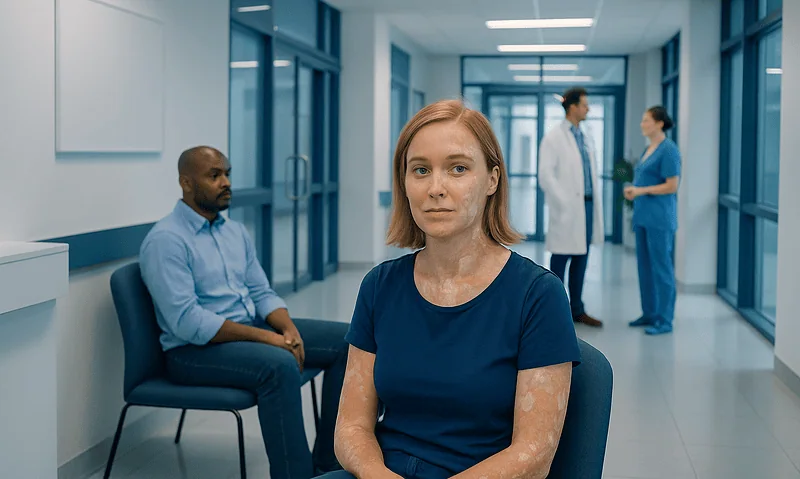
Neuropsychological Testing: What It Can Diagnose and What It Cannot

Neuropsychological testing measures thinking and behavior using standardized tasks and questionnaires. It can help detect patterns consistent with conditions such as dementia, stroke effects, traumatic brain injury, ADHD, and some learning difficulties.
Key Takeaways
- Neuropsychological testing measures thinking and behavior using standardized tasks and questionnaires.
- It can help detect patterns consistent with conditions such as dementia, stroke effects, traumatic brain injury, ADHD, and some learning difficulties.
- The results do not usually provide a diagnosis by themselves and must be interpreted with medical history, examination, and sometimes imaging or lab tests.
- Testing can clarify strengths and weaknesses, guide treatment planning, and track change over time.
- Preparation is usually simple: rest well, bring relevant records, and take medications as prescribed unless a doctor advises otherwise.
Neuropsychological testing is a detailed evaluation of how the brain is functioning in everyday thinking skills such as memory, attention, language, and problem-solving. It can help identify patterns linked to neurological or psychiatric conditions, but it is only one part of a full medical assessment.
Overview: What neuropsychological testing is
Neuropsychological testing is a structured assessment of brain-based skills. It looks at areas such as attention, memory, language, visual-spatial abilities, processing speed, planning, organization, and emotional functioning. The testing is usually performed by a clinical neuropsychologist or a trained specialist using standardized tasks, questionnaires, and an interview.
The purpose is not simply to label a person as having “good” or “bad” memory. Instead, it looks for a pattern of strengths and difficulties that may reflect how different brain systems are working. For example, one person may have trouble learning new information, while another may mainly struggle with concentration, word-finding, or decision-making.
Neuropsychological testing can be useful for children, adults, and older adults. Doctors may recommend it when there are concerns about forgetfulness, changes in behavior, learning problems, attention difficulties, a suspected developmental disorder, or changes after a stroke, head injury, seizure, or other neurological illness.
It is important to understand that neuropsychological testing is a tool within a broader evaluation. Results are interpreted together with symptoms, medical history, physical and neurological examination, school or work history, mood, sleep, medications, and, when needed, brain imaging or other investigations.
What neuropsychological testing can diagnose or help identify
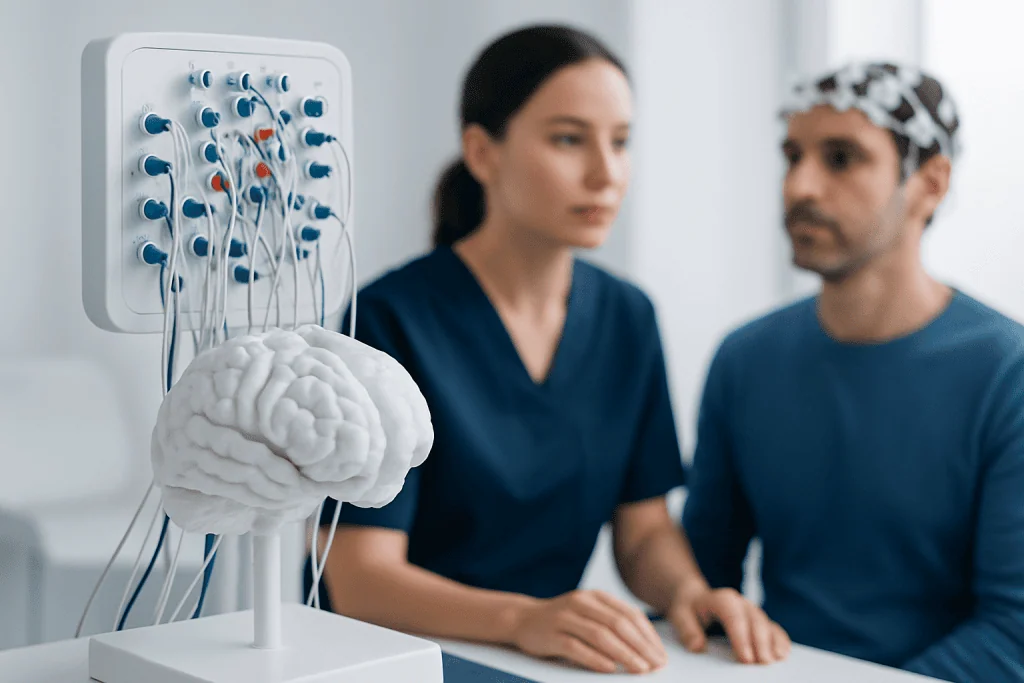
Neuropsychological testing can strongly support the evaluation of conditions that affect thinking and behavior. It may help identify cognitive changes related to dementia, mild cognitive impairment, stroke, epilepsy, multiple sclerosis, Parkinsonian disorders, brain tumors, toxic or metabolic effects, and traumatic brain injury. In children and younger adults, it can also help assess attention-deficit/hyperactivity disorder, learning difficulties, autism-related cognitive profiles, and the cognitive effects of chronic medical conditions.
The testing does not “see” the brain directly, but it can show whether a person’s performance fits a pattern often associated with a specific condition. For example, it may help distinguish whether memory problems look more like poor attention, depression-related slowing, or an illness that affects memory storage. In older adults, this can be an important part of a Alzheimer disease evaluation or an assessment for other causes of cognitive decline.
Neuropsychological testing can also help answer practical questions. It may clarify whether a person is safe to return to work or school, what kinds of support they need, whether rehabilitation may help, or how a condition is affecting day-to-day function. In follow-up care, repeat testing can show whether a problem is improving, staying stable, or getting worse over time.
In some situations, the results can help guide referrals for other care. Depending on the pattern of findings, a doctor may recommend further neurological assessment, counseling, speech and language therapy, occupational therapy, or rehabilitation to support daily functioning and recovery.
What neuropsychological testing cannot diagnose on its own

Although neuropsychological testing is highly informative, it has limits. It cannot by itself identify the exact physical cause of a symptom. For instance, if a person has memory problems, the testing may show the type and severity of impairment, but it cannot alone determine whether the cause is Alzheimer disease, poor sleep, depression, medication side effects, thyroid disease, vitamin deficiency, or another medical problem.
It also cannot replace a neurological examination, blood tests, or brain imaging when those are needed. A person may need a full diagnostic workup that includes MRI or other tests to look for stroke, tumors, inflammation, hydrocephalus, or structural brain changes. Similarly, if seizures are suspected, the evaluation may need additional neurological testing beyond cognitive assessment.
Another limitation is that results can be influenced by factors other than brain disease. Anxiety, depression, pain, fatigue, poor sleep, hearing or vision problems, language barriers, low literacy, cultural differences, and some medications can affect test performance. For this reason, specialists interpret results carefully and consider the whole person, not just the score sheet.
Testing also does not predict the future with certainty. It may suggest a level of risk or support a clinical impression, but it cannot guarantee whether symptoms will progress, stabilize, or improve. A doctor may recommend repeat assessment after treatment or after more time has passed to better understand the pattern.
Symptoms and situations that may lead to testing
Doctors may recommend neuropsychological testing when someone reports changes in memory, attention, language, judgment, or behavior. Common concerns include getting lost more easily, repeating questions, difficulty following conversations, slower thinking, reduced concentration, trouble organizing tasks, increased impulsivity, or a noticeable decline in school or work performance.
Testing is also often used after an event or diagnosis that could affect brain function. This includes stroke, concussion or more severe head injury, epilepsy, brain infection, brain surgery, tumors, chemotherapy-related cognitive concerns, and chronic neurological diseases. In children, it may be part of an assessment for developmental or academic difficulties.
Sometimes the reason for testing is to separate overlapping symptoms. For example, both depression and neurological illness can cause poor concentration and memory complaints. Likewise, ADHD, sleep problems, and anxiety can all affect attention. Testing may help identify which abilities are truly impaired and which are more likely to improve when a contributing problem is treated.
A referral does not necessarily mean a serious diagnosis is expected. In many cases, testing is requested because symptoms are subtle, the cause is not yet clear, or the care team wants a more detailed baseline before treatment or surgery. When there is concern about conditions such as Parkinson's disease or the effects of stroke, cognitive testing can add useful detail to the overall picture.
How the diagnosis process works
Neuropsychological testing usually begins with an interview about symptoms, medical history, education, work, mood, sleep, medications, and daily function. A family member or caregiver may sometimes provide additional information, especially if there are concerns about memory, safety, or changes in personality.
The testing session may last from a couple of hours to most of a day, depending on the reason for referral and the person’s age and stamina. Tasks may include remembering words or stories, copying shapes, naming objects, solving problems, switching attention between tasks, reading or listening exercises, and questionnaires about mood or behavior. Breaks are usually provided as needed.
Afterward, the specialist compares the results with standardized norms while taking age, education, language, and other personal factors into account. The final report explains which abilities are within the expected range and which are weaker than expected. Most importantly, it interprets whether the overall pattern is consistent with a particular condition or whether more evaluation is needed.
If the pattern suggests an underlying neurological problem, a doctor may recommend a broader workup. This can include neurology consultation, laboratory tests, sleep evaluation, mental health assessment, or imaging studies. In complex cases, diagnosis is often made by combining all of these pieces rather than relying on any single test.
Treatment planning, support, and follow-up
One of the main benefits of neuropsychological testing is that it helps guide treatment planning. Even when the exact diagnosis is still being clarified, the results can show which abilities are strongest and which are most affected. This can help families and clinicians choose practical strategies for home, school, and work.
For example, a person with attention and processing-speed difficulties may benefit from reduced distractions, written reminders, and more time for complex tasks. Someone with memory storage problems may need supervision with medications or finances. A child with learning difficulties may need classroom accommodations or specialized educational support.
Treatment depends on the cause. It may involve medications for an underlying neurological or psychiatric condition, counseling for anxiety or depression, speech and language therapy, occupational therapy, cognitive rehabilitation, or treatment of sleep and medical disorders. Addressing hearing loss, poor vision, pain, or medication side effects can also improve performance in daily life.
Repeat testing is sometimes recommended after treatment, after recovery from an injury, or when monitoring a progressive condition. This can help show whether a care plan is working and whether additional support is needed. Near the end of the diagnostic journey, some people may seek care at centers such as Acibadem International, where multidisciplinary specialists in JCI-accredited hospitals evaluate and treat neurological and cognitive conditions for international patients.
How to prepare and when to see a doctor
Preparation for neuropsychological testing is usually straightforward. It helps to get a good night’s sleep, eat normally unless instructed otherwise, bring glasses or hearing aids if used, and take regular medications unless a doctor advises a change. Patients should also bring relevant medical records, school reports, imaging reports, or a list of current concerns.
People often worry that they need to study for the testing, but this is not necessary. The goal is to measure usual functioning, not to pass an exam. Being honest about symptoms, mood, stress, and daily challenges helps the specialist give a more accurate interpretation.
A person should consider seeing a doctor if they or their family notice persistent or worsening changes in memory, language, judgment, attention, personality, or daily functioning. Urgent medical care is important if symptoms begin suddenly, especially with weakness, facial drooping, severe confusion, trouble speaking, seizures, or loss of consciousness, because these may signal a medical emergency.
Medical review is also important when cognitive symptoms interfere with work, school, driving, medication management, or independent living. Early assessment can help identify treatable causes, provide reassurance when appropriate, and support safer, more effective planning for the future.
- Seek routine evaluation for ongoing forgetfulness, attention problems, or decline in daily performance.
- Seek earlier review if symptoms are progressing or affecting safety.
- Seek emergency care for sudden neurological symptoms.
Frequently asked questions
Is neuropsychological testing the same as an IQ test?
No. Some parts of testing may measure abilities related to intellectual functioning, but the overall assessment is much broader. It looks at multiple brain-based skills such as memory, attention, language, visual-spatial abilities, and executive function.
Can neuropsychological testing diagnose dementia?
It can strongly support a dementia evaluation by showing a pattern of cognitive problems and their severity. However, a diagnosis of dementia is usually made by combining test results with medical history, physical examination, daily function, and sometimes brain imaging or laboratory tests.
Can anxiety or depression affect the results?
Yes. Mood symptoms can reduce concentration, slow thinking, and make memory seem worse. That is why the specialist considers emotional health, sleep, stress, and other factors when interpreting the results.
How long does neuropsychological testing take?
The length varies depending on the reason for referral and the person’s needs. Some evaluations take a couple of hours, while more detailed assessments may last much of the day with rest breaks.
Do patients need brain imaging as well as testing?
Sometimes. Neuropsychological testing shows how the brain is functioning, while imaging such as MRI can show structural changes or injury. A doctor decides whether both are needed based on symptoms and the suspected cause.
What if the test results are normal but symptoms still feel real?
Normal results can still be helpful because they may rule out certain types of cognitive impairment. Symptoms may relate to sleep problems, stress, mood, pain, medication effects, or another issue that deserves medical attention.
References
- National Institute on Aging
- American Academy of Clinical Neuropsychology
- American Psychological Association
- National Institute of Neurological Disorders and Stroke
- Alzheimer's Association
This article is for general information only and is not a substitute for professional medical advice. Please consult a qualified doctor about your individual situation.
Explore treatments in Turkey — costs, top hospitals & a free quote
JCI-accredited · board-certified surgeons · reply within 24h
Add us as a Preferred Source to see more of our trusted health content across Google Search, AI Overviews and Discover.