Neurosarcoidosis: Symptoms, MRI Findings, and How It Is Diagnosed

Neurosarcoidosis happens when inflammatory sarcoidosis involves the nervous system. Symptoms vary widely and may include facial weakness, headaches, vision changes, numbness, balance problems, or seizures.
Key Takeaways
- Neurosarcoidosis happens when inflammatory sarcoidosis involves the nervous system.
- Symptoms vary widely and may include facial weakness, headaches, vision changes, numbness, balance problems, or seizures.
- MRI is an important tool, but MRI findings alone do not confirm neurosarcoidosis.
- Doctors often combine blood tests, spinal fluid analysis, chest imaging, and biopsy to make the diagnosis.
- Treatment usually focuses on reducing inflammation and preventing nerve damage over time.
Neurosarcoidosis is a form of sarcoidosis that affects the brain, spinal cord, nerves, or muscles. Because its symptoms can resemble many other conditions, diagnosis usually relies on a careful combination of medical history, MRI findings, laboratory testing, and sometimes biopsy.
Overview
Neurosarcoidosis is a type of sarcoidosis that involves the nervous system. Sarcoidosis is an inflammatory condition in which clusters of immune cells, called granulomas, form in different parts of the body. It most often affects the lungs and lymph nodes, but it can also involve the eyes, skin, heart, and nervous system.
When sarcoidosis affects the brain, spinal cord, cranial nerves, peripheral nerves, or muscles, it is called neurosarcoidosis. This form is uncommon, but it can cause a wide range of symptoms depending on which part of the nervous system is inflamed. Some people already know they have sarcoidosis elsewhere in the body, while in others, neurologic symptoms are the first clue.
Neurosarcoidosis can be challenging to recognize because it may look like many other inflammatory, infectious, or neurological disorders. For that reason, doctors usually diagnose it step by step, combining examination findings with imaging, laboratory tests, and evidence of sarcoidosis in another organ whenever possible.
Symptoms of Neurosarcoidosis
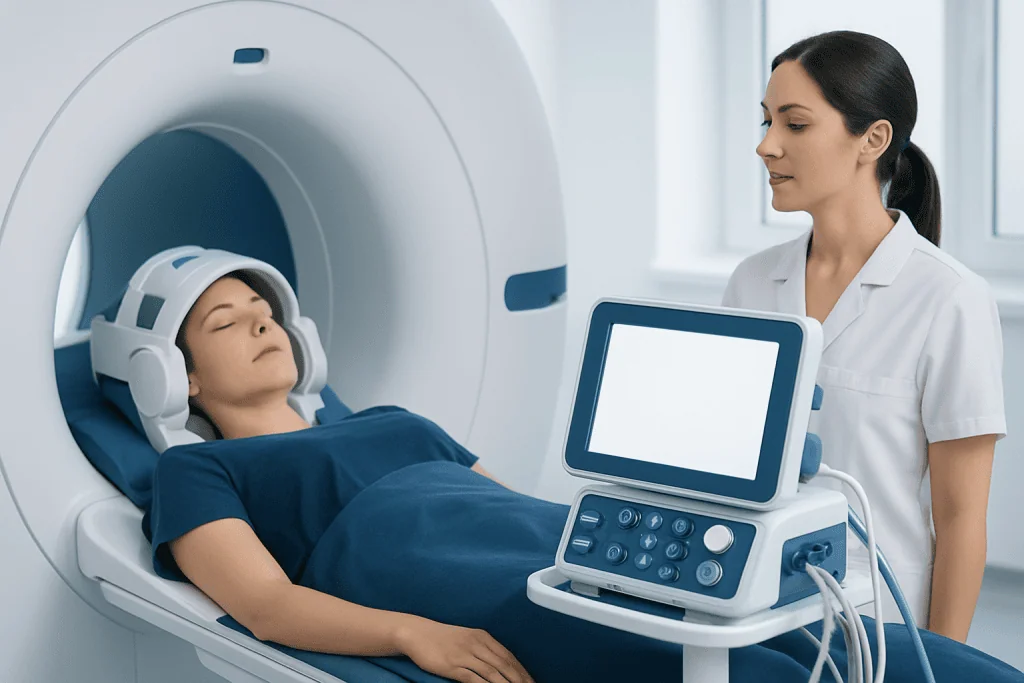
Neurosarcoidosis symptoms depend on the location and severity of inflammation. Cranial nerve involvement is common, especially the facial nerve, which can lead to one-sided facial weakness. Other people may notice double vision, hearing changes, swallowing difficulty, reduced facial sensation, or loss of smell. Headache can occur, especially when the lining around the brain is inflamed.
If the brain itself is affected, symptoms may include seizures, confusion, memory problems, mood changes, weakness, or trouble with coordination. Inflammation in the spinal cord can cause neck or back pain, limb weakness, numbness, bladder or bowel symptoms, or walking difficulty. Peripheral nerve involvement may lead to tingling, burning pain, or loss of reflexes.
Hormonal changes can also happen if sarcoidosis affects the hypothalamus or pituitary gland. This may cause excessive thirst, frequent urination, menstrual changes, sexual dysfunction, fatigue, or temperature regulation problems. Because these symptoms are not specific, people may first be evaluated for other endocrine or neurologic conditions.
- Facial weakness or other cranial nerve problems
- Headache, seizures, or confusion
- Vision changes or eye movement problems
- Numbness, tingling, or limb weakness
- Balance problems or trouble walking
- Bladder, bowel, or hormone-related symptoms
Causes and Risk Factors

The exact cause of sarcoidosis is not fully understood. It is thought to result from an abnormal immune response in a person who may be genetically susceptible, possibly triggered by environmental or infectious exposures. In neurosarcoidosis, that same inflammatory process affects nervous system tissues.
Having sarcoidosis in another organ increases the likelihood that neurological symptoms could be related to neurosarcoidosis, but nervous system involvement does not happen in every patient. In some cases, neurologic disease appears before sarcoidosis has been confirmed elsewhere, which can delay diagnosis.
Doctors also consider a wide differential diagnosis because many conditions can resemble neurosarcoidosis. These include multiple sclerosis, central nervous system infections, vasculitis, lymphoma, autoimmune encephalitis, and other inflammatory diseases. Part of the diagnostic process is ruling out these alternatives carefully and safely.
MRI Findings in Neurosarcoidosis
MRI is one of the most useful imaging tests for suspected neurosarcoidosis. It can show areas of inflammation in the brain, meninges, cranial nerves, spinal cord, or pituitary region. Doctors usually perform MRI with contrast because enhancement patterns may help reveal active inflammatory disease that is less visible on non-contrast imaging.
Neurosarcoidosis MRI findings can vary. Common patterns include leptomeningeal or pachymeningeal enhancement, thickening or enhancement of cranial nerves, enhancing brain lesions, spinal cord swelling or enhancement, and abnormalities in the hypothalamic-pituitary region. White matter lesions may also be seen, but these are not specific and can overlap with other disorders such as multiple sclerosis.
Although MRI is highly valuable, it does not by itself prove neurosarcoidosis. Similar imaging appearances can occur with infection, cancer, or other autoimmune conditions. MRI is therefore interpreted together with symptoms, neurologic examination, blood work, cerebrospinal fluid results, and evidence of sarcoidosis in more accessible tissue, such as lymph nodes, skin, or lung.
In some patients, repeat MRI scans are used over time to monitor whether inflammation is improving, stable, or progressing with treatment. Depending on the symptoms, the care team may also use advanced imaging such as MRI of the brain, spine, or pituitary area as part of ongoing follow-up.
How Neurosarcoidosis Is Diagnosed
There is no single test that confirms all cases of neurosarcoidosis. Diagnosis usually starts with a detailed medical history and neurological examination. Doctors ask about prior sarcoidosis, breathing symptoms, skin changes, eye inflammation, unexplained facial weakness, endocrine symptoms, and the timing and pattern of neurological problems.
Testing often includes MRI, blood tests, and cerebrospinal fluid analysis obtained through lumbar puncture. Spinal fluid may show signs of inflammation such as elevated protein, increased white blood cells, or other immune markers, but these findings are also not specific. Blood tests can help look for inflammation and exclude infections or other autoimmune conditions.
Because biopsy provides the strongest evidence, doctors try to identify the safest and most accessible site for tissue sampling. If sarcoidosis is suspected in the chest, chest imaging may reveal enlarged lymph nodes or lung changes, and biopsy of those areas may confirm noncaseating granulomas. This approach is often preferred over biopsy of the nervous system itself, which may carry more risk. Depending on the clinical picture, evaluation may also include PET-CT or CT scan to look for biopsy targets in other organs.
Specialists sometimes describe the diagnosis as possible, probable, or definite neurosarcoidosis based on how much supporting evidence is available. A definite diagnosis usually requires nervous system tissue confirmation, while probable cases may be based on compatible neurologic disease plus biopsy-proven sarcoidosis elsewhere and exclusion of better explanations.
Treatment Options
The main goal of treatment is to reduce inflammation, relieve symptoms, and protect nervous system function. Corticosteroids are often the first treatment because they can act quickly against active inflammation. However, long-term treatment planning is important, since some people need additional medicines to help control disease and reduce steroid exposure.
If symptoms are severe, recurrent, or difficult to control, doctors may recommend other immunosuppressive or immunomodulatory medicines. The exact choice depends on the affected area of the nervous system, the person’s general health, how active the disease appears, and how well previous therapies have worked. Regular follow-up helps the team balance disease control with medication safety.
Supportive care is also important. This may include treatment for pain, seizures, hormone problems, mood symptoms, walking difficulty, or bladder dysfunction. Rehabilitation, vision support, and careful coordination between neurology, pulmonology, rheumatology, endocrinology, and ophthalmology may all play a role. If sarcoidosis affects several organs, care may overlap with management of sarcoidosis in general.
Near the end of the diagnostic and treatment pathway, some patients seek care in experienced centers. Acibadem International’s multidisciplinary specialists and JCI-accredited hospitals evaluate and treat neurosarcoidosis for international patients when complex neurological and systemic assessment is needed.
Living With Neurosarcoidosis and Self-care
Living with neurosarcoidosis often means monitoring symptoms over time rather than expecting a single quick answer. Keeping a symptom diary can help track headaches, facial weakness, numbness, fatigue, balance changes, bladder symptoms, or medication side effects. This information may make follow-up visits more productive and help the care team recognize changes earlier.
General self-care supports overall health but does not replace medical treatment. Good sleep, hydration, balanced nutrition, and gentle physical activity within personal limits may help with energy and recovery. People taking immune-suppressing medicines should ask their doctor about infection precautions, vaccinations, and regular laboratory monitoring.
It is also helpful to keep appointments with all involved specialists, including eye care or endocrine specialists if vision or hormone issues are present. Because symptoms can affect mood, memory, or daily independence, emotional support from family, counseling, or support groups may be beneficial. Patients should not stop prescribed medication suddenly unless advised by their doctor.
When to See a Doctor
A person should seek medical evaluation for unexplained neurological symptoms, especially if they have known sarcoidosis. New facial drooping, double vision, persistent headache, seizures, limb weakness, numbness, balance problems, or sudden changes in thinking deserve prompt attention. Symptoms involving vision, bladder control, or severe back pain also need timely review.
Urgent care is important if there are signs of a neurological emergency, such as sudden severe weakness, loss of consciousness, a first seizure, or rapid worsening of mental status. These symptoms are not always caused by neurosarcoidosis, but they require immediate assessment to rule out other serious conditions.
Even after diagnosis, regular follow-up matters. Neurosarcoidosis may improve, relapse, or change pattern over time, and MRI or other tests may be repeated to guide treatment decisions. Early communication with a qualified doctor can help reduce the risk of ongoing inflammation causing lasting nerve damage.
Frequently asked questions
What is neurosarcoidosis?
Neurosarcoidosis is sarcoidosis that affects the nervous system, including the brain, spinal cord, cranial nerves, peripheral nerves, or muscles. It is an inflammatory condition and can cause many different neurological symptoms depending on the area involved.
What are the most common neurosarcoidosis symptoms?
Common symptoms include facial weakness, headache, vision changes, numbness, tingling, weakness, balance problems, and seizures. Some people also develop hormone-related symptoms if inflammation affects the pituitary or hypothalamus.
Can MRI confirm neurosarcoidosis?
No, MRI alone cannot confirm neurosarcoidosis. MRI can show patterns that strongly suggest inflammation, but doctors still need to compare the findings with symptoms, laboratory results, and often biopsy evidence from another affected organ.
How is neurosarcoidosis diagnosed if symptoms are unclear?
Doctors usually combine neurological examination, MRI, blood tests, spinal fluid analysis, and a search for sarcoidosis in other parts of the body. When possible, biopsy of an accessible site such as lymph node, skin, or lung tissue helps support the diagnosis.
Is neurosarcoidosis the same as multiple sclerosis?
No, they are different conditions, although they can look similar on symptoms and MRI in some cases. That is why doctors often perform careful testing to distinguish neurosarcoidosis from multiple sclerosis and other inflammatory or infectious diseases.
What treatments are used for neurosarcoidosis?
Treatment usually begins with corticosteroids to reduce inflammation. Some patients also need other immune-targeting medicines, along with supportive care for symptoms such as pain, seizures, hormone problems, or walking difficulties.
References
- National Institute of Neurological Disorders and Stroke
- National Heart, Lung, and Blood Institute
- American Academy of Neurology
- National Organization for Rare Disorders
- Mayo Clinic
This article is for general information only and is not a substitute for professional medical advice. Please consult a qualified doctor about your individual situation.
Neurosarcoidosis in Turkey — costs, top hospitals & a free quote
JCI-accredited · board-certified surgeons · reply within 24h
Add us as a Preferred Source to see more of our trusted health content across Google Search, AI Overviews and Discover.