

Niemann Pick Disease: Early Signs, Risk Factors, and How It Is Treated

Niemann Pick disease is a genetic condition that causes fat-like substances to accumulate in organs and tissues. There are several types, and symptoms can differ widely depending on which organs are affected.
Key Takeaways
- Niemann Pick disease is a genetic condition that causes fat-like substances to accumulate in organs and tissues.
- There are several types, and symptoms can differ widely depending on which organs are affected.
- Diagnosis usually involves a combination of clinical evaluation, genetic testing, blood tests, and imaging.
- Treatment may include supportive care, symptom management, and disease-specific therapy for certain types.
- Families may benefit from genetic counseling because the condition is inherited.
Niemann Pick disease is a group of rare inherited disorders in which certain fats build up inside cells because the body cannot break them down or move them properly. Early signs vary by type and age, but may include an enlarged liver or spleen, developmental changes, movement problems, or lung symptoms, and treatment focuses on supportive care with specialized options for some forms.
Overview: what Niemann Pick disease is
Niemann Pick disease is a rare inherited condition in which fatty substances, often called lipids, build up in the body’s cells. This happens because the body either lacks a specific enzyme needed to break these substances down or cannot transport cholesterol and other fats normally within cells. Over time, that buildup can affect organs such as the liver, spleen, lungs, bone marrow, and brain.
The term “Niemann Pick disease” usually refers to a group of disorders rather than a single illness. The main forms are types A, B, and C. Types A and B are linked to changes in the SMPD1 gene and reduced activity of an enzyme called acid sphingomyelinase. Type C is caused by changes in genes involved in moving cholesterol and lipids inside cells, most commonly NPC1 or NPC2.
The condition can begin in infancy, childhood, or even adulthood, depending on the type. Some forms mainly affect internal organs, while others have a stronger impact on the nervous system. Because symptoms can overlap with many other rare conditions, a careful specialist assessment is often needed before the diagnosis becomes clear.
Types and early signs
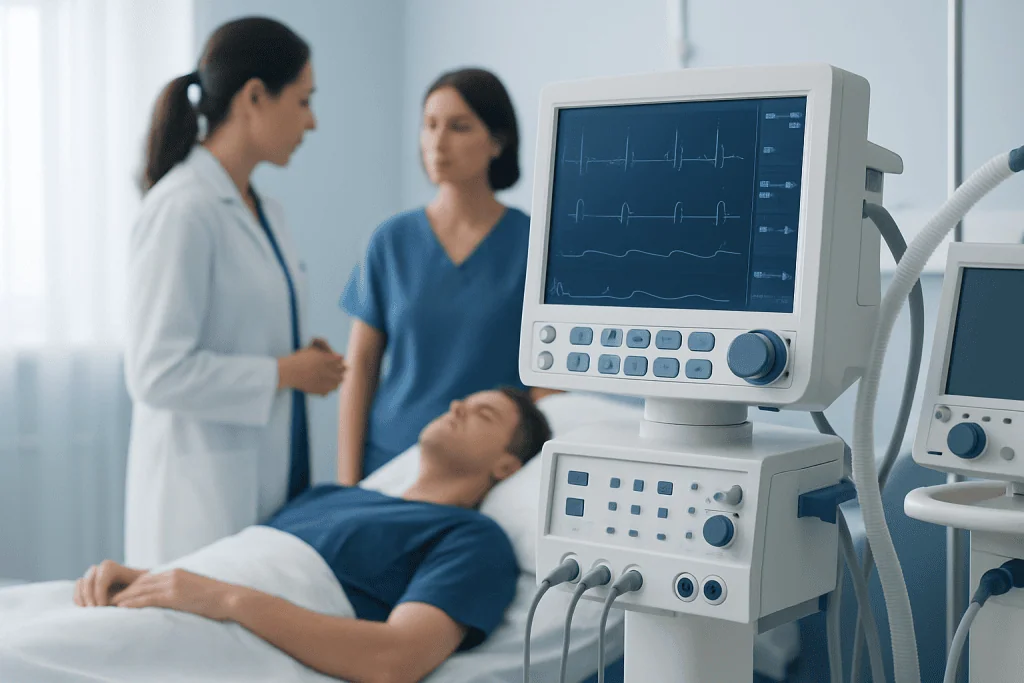
Early signs of Niemann Pick disease depend on the type and the age at which symptoms begin. In babies and young children, the first clues may be an enlarged abdomen caused by a swollen liver or spleen, feeding difficulties, slow growth, or delays in reaching developmental milestones. In some children, there may also be frequent respiratory infections or low energy.
Type A often begins in infancy and usually involves severe neurological decline. Parents may notice loss of previously learned skills, poor muscle tone, feeding problems, or limited weight gain. Type B can also cause enlarged liver and spleen but often has less direct brain involvement, and some people live into adolescence or adulthood with ongoing medical care.
Type C is more variable and may appear in childhood, the teenage years, or later. It can cause problems with balance, clumsiness, swallowing, learning, eye movements, speech, or changes in behavior and thinking. A distinctive sign in some people is difficulty moving the eyes up and down. Because these features can resemble other neurological disorders or metabolic diseases, specialist evaluation is important.
- Abdominal swelling from an enlarged spleen or liver
- Developmental delay or loss of skills
- Problems with balance, walking, or coordination
- Difficulty swallowing or speaking clearly
- Frequent chest infections or shortness of breath
- Learning, memory, or behavior changes
Causes and risk factors
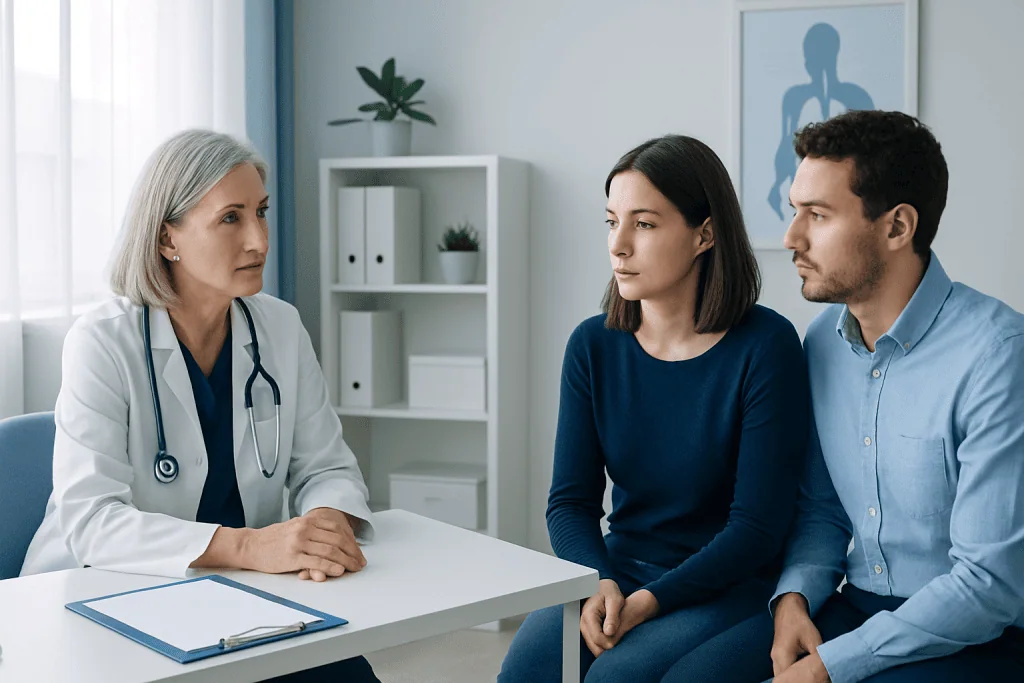
Niemann Pick disease is caused by inherited gene changes. In most cases, it follows an autosomal recessive pattern, which means a child must inherit one altered gene from each parent to develop the disease. Parents who carry one altered copy usually do not have symptoms, but they can pass the condition on to their children.
The specific gene involved helps determine the type of Niemann Pick disease. Types A and B result from changes affecting acid sphingomyelinase, an enzyme that helps break down a fatty substance called sphingomyelin. Type C results from changes in genes that help move cholesterol and other lipids inside cells. When these processes are disrupted, storage material accumulates and damages tissues over time.
The main risk factor is family history. If a family already has a known case of Niemann Pick disease or known carrier status, the chance of another affected child may be higher. Some populations have a higher carrier frequency for certain forms, but the condition can occur in many ethnic groups. Genetic counseling can help families understand inheritance patterns, carrier testing, and reproductive options.
How doctors diagnose Niemann Pick disease
Diagnosis usually begins with a detailed medical history and physical examination. Doctors look for patterns such as enlarged liver and spleen, delayed development, neurological symptoms, lung problems, or unexplained changes in blood counts. Because the disease is rare, diagnosis is often made in specialized centers with experience in inherited metabolic or neurological disorders.
Laboratory testing can help narrow the diagnosis. Depending on the suspected type, tests may include enzyme activity studies, blood-based biomarker tests, and genetic testing to identify disease-causing variants. Genetic testing has become especially important because it can confirm the diagnosis, distinguish among subtypes, and support family screening when appropriate.
Imaging and functional assessments may also be used to understand how the disease is affecting the body. These can include liver and spleen evaluation, chest assessment, neurological examination, swallowing studies, developmental testing, and MRI scan when brain involvement is suspected. In more complex cases, care may involve pediatricians, neurologists, pulmonologists, hepatologists, and genetics specialists working together.
Treatment options and long-term care
Treatment for Niemann Pick disease depends on the type, the organs involved, and the person’s age and symptoms. At present, care often focuses on supportive management, which means reducing symptoms, protecting nutrition, maintaining mobility, and monitoring complications. This may include respiratory support, physical therapy, speech and swallowing therapy, nutritional guidance, and management of liver, spleen, or blood-related problems.
Some forms may have disease-specific treatment options, while others do not yet have a curative therapy. In type C, certain medicines may be considered in selected settings to help slow neurological progression or manage symptoms, depending on local approval and specialist advice. Ongoing research is exploring newer approaches, including targeted therapies and improved supportive strategies for people with lysosomal storage disorders.
Because nervous system involvement may affect movement, swallowing, or communication, some patients benefit from coordinated care with neurology specialists. If seizures, developmental regression, or progressive mobility changes occur, doctors may also assess for related complications and conditions such as epilepsy. For international patients who need comprehensive evaluation, Acibadem International’s multidisciplinary specialists in JCI-accredited hospitals diagnose and treat rare neurological and metabolic conditions with coordinated care planning.
Long-term care usually includes regular follow-up visits and monitoring for changes in lung function, nutrition, growth, mobility, cognition, and quality of life. The goals are to preserve day-to-day function, reduce preventable complications, and support both the patient and family. Since needs may change over time, treatment plans are often revised as symptoms evolve.
Prevention, family planning, and self-care
There is no known way to prevent Niemann Pick disease after a child inherits the condition, but families can take informed steps if there is a known genetic risk. Genetic counseling can explain inheritance patterns, carrier testing, and options before pregnancy or during pregnancy. This can help relatives understand their own risk and make choices that fit their situation.
Daily self-care focuses on symptom management and general health support. Depending on the person’s needs, this may include maintaining good nutrition, preventing falls, staying up to date with routine medical care, and using therapies that support movement, speech, or swallowing. Families may also need guidance on school support, home safety, and emotional well-being.
Because swallowing problems and chest infections can become important over time, caregivers should watch for coughing during meals, weight loss, fatigue, or breathing changes. Prompt attention to these issues may reduce complications. Regular follow-up helps doctors adjust care plans early rather than waiting for symptoms to worsen.
When to seek medical care
Medical care should be sought if a baby or child has unexplained abdominal swelling, poor growth, developmental delay, loss of previously learned skills, persistent feeding difficulties, or repeated respiratory infections. These signs do not always mean Niemann Pick disease, but they do deserve assessment by a qualified doctor.
Older children and adults should also be evaluated if they develop unexplained balance problems, falls, changes in speech or swallowing, unusual eye movement difficulties, memory decline, or behavior changes. A doctor may refer the person to a genetics, pediatrics, or neurology team for more detailed testing.
Urgent medical attention is especially important if there is severe breathing difficulty, choking, dehydration, a sudden change in alertness, or new seizures. Families living with a confirmed diagnosis should ask their care team which warning signs require same-day review and which symptoms can be monitored at home between appointments.
Frequently asked questions
Is Niemann Pick disease the same in every patient?
No. Niemann Pick disease includes different types, and symptoms can vary a great deal from one person to another. Some forms begin in infancy and affect the brain early, while others mainly affect organs such as the liver, spleen, or lungs and may appear later.
What are the first symptoms of Niemann Pick disease?
Early symptoms may include an enlarged liver or spleen, a swollen abdomen, poor growth, developmental delay, feeding problems, or frequent chest infections. In later-onset forms, balance problems, learning difficulties, swallowing issues, or changes in eye movements may appear first.
Can Niemann Pick disease be cured?
There is not currently a universal cure for all types of Niemann Pick disease. Treatment often focuses on symptom control, supportive care, and preserving quality of life, although some subtypes may have more specific treatment approaches under specialist care.
How is Niemann Pick disease inherited?
It is usually inherited in an autosomal recessive pattern. This means a child typically develops the condition only when both parents pass on an altered gene, while carriers often have no symptoms themselves.
Can adults have Niemann Pick disease?
Yes. Although some forms begin in infancy or childhood, certain cases, especially type C, may first become noticeable in adolescence or adulthood. Symptoms in adults may include coordination problems, cognitive changes, or psychiatric and movement-related features.
Why is genetic counseling important for families?
Genetic counseling helps families understand how the condition is passed on, who may be a carrier, and what testing options are available. It can also support decisions about family planning and help relatives recognize when screening may be appropriate.
References
- National Institute of Neurological Disorders and Stroke
- Genetic and Rare Diseases Information Center
- National Organization for Rare Disorders
- National Institutes of Health
- MedlinePlus
This article is for general information only and is not a substitute for professional medical advice. Please consult a qualified doctor about your individual situation.
Explore treatments in Turkey — costs, top hospitals & a free quote
JCI-accredited · board-certified surgeons · reply within 24h
Add us as a Preferred Source to see more of our trusted health content across Google Search, AI Overviews and Discover.
Check your numbers in seconds
BMI, calories, due date, blood pressure and 30+ more clinical calculators — free, instant, doctor-reviewed ranges.

More from the Health Library



Related Specialists
Dr. Havva Gölalan
Oral & Dental Health
Ody. Ayça Nilay Doğan
Audiology
Canberk Altan
Physical Medicine & Rehabilitation
Dr. Ömercan Yağız Öksüz
Aesthetic Plastic & Reconstructive Surgery