

No Acute Intracranial Abnormality: What This Brain Scan Result Usually Means

This phrase usually indicates no emergency was seen on the brain scan at that moment. It does not always mean the scan is completely normal or explain every symptom.
Key Takeaways
- This phrase usually indicates no emergency was seen on the brain scan at that moment.
- It does not always mean the scan is completely normal or explain every symptom.
- The meaning depends on the type of scan, the symptoms, and the full radiology report.
- Persistent, worsening, or sudden neurological symptoms still need prompt medical attention.
- A doctor interprets the result together with the physical examination and medical history.
“No acute intracranial abnormality” is a common phrase in brain imaging reports. It usually means the scan did not show an urgent problem such as bleeding, a large recent stroke, significant swelling, or a mass causing immediate concern at the time of imaging.
Overview
“No acute intracranial abnormality” is a standard radiology phrase often seen on a CT or MRI report of the head or brain. In simple terms, it means the scan did not reveal a new or urgent abnormality inside the skull at the time the images were taken. Doctors commonly use this wording when they are checking for emergencies such as bleeding in or around the brain, a large recent stroke, severe swelling, or a mass effect that needs immediate action.
The key word is acute. In medicine, acute usually refers to something sudden, recent, or requiring urgent attention. So the report is mainly saying that no emergency-type intracranial finding was visible on that scan. This is often reassuring, especially when imaging was done after a headache, fall, confusion, dizziness, or other concerning symptoms.
However, this phrase does not always mean the brain is entirely normal. A scan may still show chronic changes, age-related findings, old injuries, sinus disease, or other non-urgent observations. In some cases, the report may say “no acute intracranial abnormality” and then list other findings separately. That is why the complete report and the doctor’s explanation matter.
It is also important to remember that imaging is only one part of diagnosis. Some conditions may not be visible early, may require a different type of imaging, or may relate to causes outside the brain. Doctors interpret the result together with symptoms, examination findings, blood tests, and medical history.
What the Phrase Usually Means on a Brain Scan
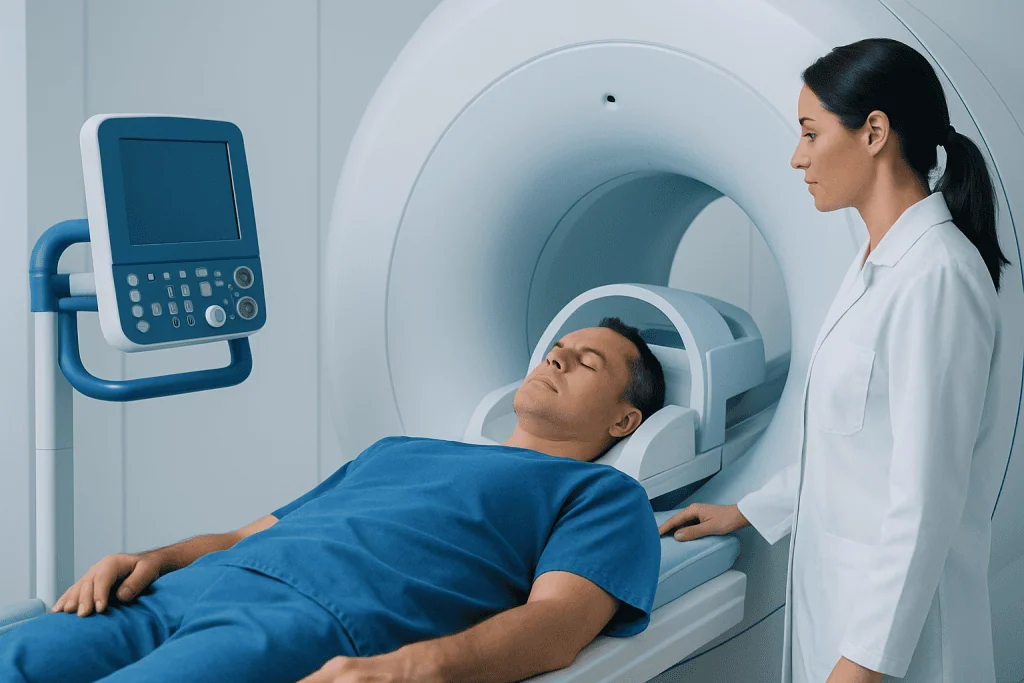
When a radiologist writes “no acute intracranial abnormality,” they are usually saying there is no evidence of an urgent problem inside the skull. On a head CT, this often means no fresh bleeding, no obvious skull-related complication affecting the brain, no large territorial stroke that is already visible, no significant midline shift, and no dangerous swelling. On MRI, it similarly suggests that no immediate intracranial emergency has been identified.
This wording is especially common in emergency departments. For example, a person may have imaging because of sudden headache, trauma, fainting, confusion, weakness, or concern for stroke. If the scan does not show a new critical abnormality, this phrase may appear in the report. It can help clinicians quickly understand that the images do not show a major acute intracranial event.
Still, the phrase has limits. It does not confirm that symptoms are harmless, and it does not rule out every possible neurological condition. Some small strokes, early ischemic changes, migraine-related symptoms, seizures, inflammation, or problems involving blood vessels may require further assessment. In certain situations, additional testing such as brain MRI, vascular imaging, or neurological evaluation may be needed.
If the report also mentions terms such as “chronic microvascular changes,” “age-related volume loss,” or “old infarct,” these are different from acute abnormalities. They may be relevant, but they usually do not indicate the same type of urgent finding that prompted the emergency scan.
What It Does Not Rule Out

A reassuring scan result can be helpful, but it does not answer every question. Some symptoms can occur even when initial imaging is negative. For example, early stroke may not always be visible on a standard non-contrast CT scan, particularly in the first hours. In the right clinical situation, doctors may order more detailed tests such as brain MRI or CT scan follow-up, depending on what is most appropriate.
The phrase also does not rule out conditions outside the brain itself. A person may have vertigo from the inner ear, severe headache from migraine, fainting due to a heart rhythm problem, or confusion related to infection, dehydration, low blood sugar, or medication effects. In other words, a normal-looking acute brain scan does not automatically explain why symptoms happened.
In addition, some findings can be subtle or develop over time. Tiny bleeds, certain infections, inflammatory conditions, small tumors, or blood vessel problems may need more specialized imaging or repeat studies. If a person has symptoms that suggest stroke or another serious neurological disorder, doctors do not rely on one phrase alone.
- It does not always mean “completely normal brain.”
- It does not exclude every cause of headache, dizziness, weakness, or confusion.
- It does not replace a neurological examination.
- It does not mean follow-up is unnecessary if symptoms continue.
Why This Result May Appear After Symptoms or Injury
Head imaging is often requested when a doctor needs to quickly rule out dangerous causes of symptoms. A person may have fallen and hit their head, developed sudden severe headache, experienced weakness or speech difficulty, or shown signs of confusion. In these situations, clinicians are especially concerned about intracranial bleeding, pressure on the brain, or a recent major stroke. If none of those urgent findings appear, the report may state “no acute intracranial abnormality.”
After minor head trauma, for example, a CT scan may be done to look for hemorrhage or swelling. If the scan is negative for acute injury, that is generally a good sign. Symptoms such as headache, nausea, or mild dizziness may still come from a concussion or another issue not clearly visible on routine imaging. This is one reason doctors treat the patient, not just the scan result.
Similarly, in someone with headache, the scan may be intended to exclude bleeding or a mass effect. If the report says there is no acute intracranial abnormality, it means those urgent intracranial causes were not seen. The headache could still be related to migraine, tension-type headache, high blood pressure, medication use, sinus disease, or other causes. In some cases, further evaluation for brain tumor or other disorders may be needed if symptoms or examination findings suggest it, even when the acute scan is reassuring.
This phrasing may also appear after episodes of fainting, seizures, altered mental status, or dizziness. In each case, the scan result helps narrow the possibilities, but it is only one piece of the overall medical assessment.
How Doctors Interpret the Full Report
Radiology reports are written in technical language, and their meaning depends on context. Doctors look beyond the single phrase and review the entire report, including whether there are chronic findings, incidental findings, or recommendations for additional imaging. They also consider whether the scan was a CT or MRI, whether contrast was used, and how long after symptom onset the images were obtained.
For example, if someone has numbness on one side, trouble speaking, or sudden vision loss, the doctor may still suspect a neurological emergency even if the initial scan says there is no acute intracranial abnormality. In that setting, further evaluation for brain stroke or blood vessel blockage may be necessary. Emergency stroke pathways often combine examination, scan findings, and timing of symptoms to guide care.
Doctors also compare current images with prior scans when available. A change from a previous study can be important, even if the current report does not show an acute emergency. This comparison can help identify older scars, previous surgery, long-standing lesions, or slowly changing abnormalities.
For patients, the most useful next step is often to ask what the result means in plain language. Helpful questions include: Was anything else seen? Does this explain the symptoms? Is follow-up needed? Should a specialist such as a neurologist or neuroradiologist review the case? Clear communication can reduce confusion and help patients understand whether the result is simply reassuring or whether more testing is still appropriate.
When Further Tests or Follow-Up May Be Needed
Additional tests may be recommended if symptoms strongly suggest a condition that is not fully excluded by the initial scan. A person with stroke-like symptoms may need MRI, CT angiography, or repeat imaging. Someone with persistent severe headache may need a more detailed neurological workup, especially if symptoms are new, progressive, or associated with fever, weakness, seizures, or altered consciousness.
Follow-up can also be helpful when the report contains other findings that are not acute but still important. Examples include old strokes, white matter changes, hydrocephalus, sinus disease, or benign incidental abnormalities. These findings may not be emergencies, yet they can still matter for long-term care and symptom evaluation.
In some cases, no more imaging is needed, and the focus shifts to symptom management and observation. In others, referral to a neurologist, neurosurgeon, emergency physician, or primary care doctor may be advised. The best approach depends on the person’s age, medical history, medications, exam findings, and how symptoms are evolving over time.
Near the end of the care pathway, some people seek specialist review for reassurance or ongoing symptoms. Acibadem International’s multidisciplinary specialists and JCI-accredited hospitals diagnose and treat neurological conditions for international patients when further assessment is needed.
When to Seek Medical Attention
Even if a report says “no acute intracranial abnormality,” urgent medical attention is still needed for warning signs of a neurological emergency. These include sudden weakness or numbness, facial drooping, trouble speaking, sudden vision loss, severe unexplained headache, repeated vomiting, seizures, fainting, worsening confusion, or a major change in alertness. These symptoms can still represent a serious condition that may need rapid treatment.
People should also seek care after a head injury if they develop increasing drowsiness, severe headache, repeated vomiting, new weakness, unusual behavior, or fluid leaking from the nose or ears. A normal initial scan does not mean symptoms should be ignored if they are getting worse. Clinicians may recommend observation, repeat examination, or further testing.
For less urgent situations, a routine medical review is sensible when symptoms persist despite a reassuring scan. Ongoing headaches, balance problems, memory changes, or dizziness may require a fuller evaluation. A doctor can decide whether treatment, referral, or additional tests are appropriate.
In general, this scan phrase is often a positive sign, but it should be understood as part of the whole clinical picture. Patients benefit most when they review the full report with a qualified doctor who can explain what was ruled out, what remains possible, and whether any next steps are needed.
Frequently asked questions
Does “no acute intracranial abnormality” mean my brain scan is normal?
Not always. It usually means no urgent or newly developed problem was seen inside the skull at that time, but the scan may still show chronic or incidental findings. A doctor needs to review the full report to explain whether anything else was noted.
Is this result good news?
In many situations, yes. It is often reassuring because it suggests the scan did not show an emergency such as major bleeding, dangerous swelling, or a large obvious recent stroke. However, it does not necessarily explain all symptoms.
Can I still have symptoms if the report says no acute intracranial abnormality?
Yes. Symptoms such as headache, dizziness, confusion, or weakness can have causes that do not appear on the initial scan or are not caused by an acute intracranial problem. That is why symptoms and examination findings remain very important.
Can a stroke be missed if the scan says no acute intracranial abnormality?
Sometimes, especially very early in the course of an ischemic stroke or if the abnormality is small. Doctors may order more detailed imaging or repeat studies when symptoms strongly suggest stroke. Urgent assessment is essential if stroke symptoms are present.
Why did my doctor still recommend follow-up after this result?
Follow-up may be needed because the scan ruled out an emergency but did not identify the cause of symptoms. Your doctor may want to monitor recovery, review other findings in the report, or order additional tests. This is common and does not always mean something serious was found.
Should I worry if I still have a headache after this scan result?
A continuing headache does not automatically mean a dangerous brain problem, especially if acute findings were not seen. Still, persistent, worsening, or unusual headaches should be discussed with a doctor. Immediate care is important if headache is sudden and severe or comes with neurological symptoms.
References
- American College of Radiology
- Radiological Society of North America
- National Institute of Neurological Disorders and Stroke
- National Health Service
- Mayo Clinic
This article is for general information only and is not a substitute for professional medical advice. Please consult a qualified doctor about your individual situation.
Explore treatments in Turkey — costs, top hospitals & a free quote
JCI-accredited · board-certified surgeons · reply within 24h
Add us as a Preferred Source to see more of our trusted health content across Google Search, AI Overviews and Discover.

More from the Health Library



Related Specialists

Dr. Tahir Aslan
Gynecology & Obstetrics
Prof. Dr. Levent Eralp
Orthopedic Surgery & Traumatology
Fzt. İlayda Kurtuluş
Pediatric Rehabilitation
Dr. Gülhan İpek Deniz
Medical Oncology