Non Invasive Bladder Cancer Treatment: How It Works, Results and What to Expect

Non-muscle-invasive bladder cancer has not grown into the bladder muscle, but it can return and some high-risk tumors can progress. TURBT is both the main diagnostic procedure and the first treatment for most visible bladder tumors.
Key Takeaways
- Non-muscle-invasive bladder cancer has not grown into the bladder muscle, but it can return and some high-risk tumors can progress.
- TURBT is both the main diagnostic procedure and the first treatment for most visible bladder tumors.
- Intravesical chemotherapy or immunotherapy may be recommended after TURBT to reduce recurrence or progression risk.
- Regular cystoscopy and urine testing are central to care because bladder tumors can recur even after successful treatment.
- High-grade or recurrent disease needs close specialist follow-up and may require more intensive bladder-preserving treatment or surgery.
Non invasive bladder cancer treatment aims to remove tumors while preserving the bladder, most often with transurethral resection of bladder tumor (TURBT) followed, when appropriate, by medicine placed directly into the bladder. Treatment and follow-up are tailored to the tumor’s grade, size, number, recurrence history and risk of progression.
Overview: how non invasive bladder cancer treatment works
Non invasive bladder cancer treatment usually begins by removing visible tumors through the urethra, without an abdominal incision. The procedure, called transurethral resection of bladder tumor (TURBT), allows the urologist to examine tissue under a microscope, confirm the stage and grade, and remove as much of the tumor as possible.
Non-muscle-invasive bladder cancer includes tumors confined to the bladder lining or connective tissue just beneath it. It is often grouped as low, intermediate or high risk based on features such as tumor grade, size, number, prior recurrences and whether carcinoma in situ is present. This risk grouping guides decisions about medicine placed into the bladder, surveillance and further treatment.
The central goals are to clear existing disease, reduce the chance that it returns, detect recurrence early, and prevent progression into the bladder muscle. Many people can keep their bladder, but ongoing monitoring is an important part of effective care.
Who may be a candidate for bladder-preserving treatment?
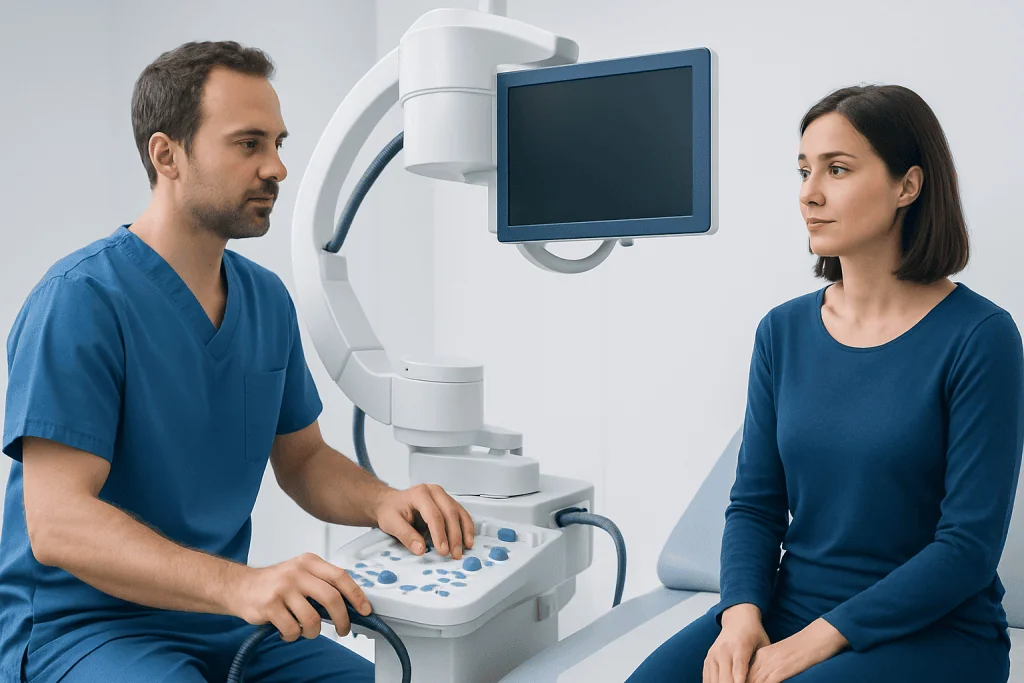
Bladder-preserving treatment is generally considered when biopsy results show that cancer has not invaded the muscular wall of the bladder. A urologist reviews the pathology report carefully, including the tumor stage, grade and whether muscle tissue was present in the TURBT specimen. When a high-grade tumor is found without adequate muscle in the sample, a repeat TURBT is commonly advised to make staging more reliable and remove any remaining tumor.
People with low-risk tumors may need TURBT alone, sometimes with one dose of chemotherapy placed in the bladder shortly afterward. Intermediate- and high-risk tumors are more likely to benefit from a planned course of intravesical treatment, which means medication is delivered directly into the bladder through a catheter.
Individual recommendations also consider general health, bladder function, previous treatments, immune status, kidney function and personal preferences. A multidisciplinary discussion can be useful for complex, recurrent or high-risk disease.
Step by step: TURBT and intravesical therapy

Before TURBT, the care team reviews medicines, allergies, anesthesia needs and any infection symptoms. TURBT is usually performed under general or spinal anesthesia. A thin viewing instrument is passed through the urethra into the bladder, allowing the surgeon to inspect the bladder lining and remove or destroy visible tumors using a small wire loop and energy device. Tissue samples are sent to pathology.
After the procedure, a urinary catheter may be left in place temporarily. In selected patients, a single dose of intravesical chemotherapy is given soon after surgery to reduce the likelihood of early tumor re-implantation. This is not used if there is concern for bladder perforation, significant bleeding or other safety issues.
For intermediate- or high-risk disease, a clinician may recommend a series of intravesical treatments after the bladder has healed. Chemotherapy drugs or bacillus Calmette-Guérin (BCG), an immunotherapy that stimulates a local immune response, can be placed through a catheter and held in the bladder for a prescribed time before being passed in urine. The schedule and duration depend on the person’s risk category and treatment response.
For selected cases, bladder-preserving options may include bladder cancer treatment plans that combine repeat tumor resection, intravesical therapy and structured surveillance. The treating team explains the expected benefit and the reasons for each component of care.
Recovery, benefits and possible risks
Most people go home the same day or after a short hospital stay following TURBT. Mild burning with urination, urinary frequency, urgency and small amounts of blood in the urine can occur for several days. Rest, hydration as advised by the care team, and avoiding strenuous activity until cleared can support recovery. The team should provide individualized instructions about returning to work, exercise and sexual activity.
The primary benefit of TURBT is removal of visible tumors while preserving the bladder. Intravesical therapy can lower the risk of recurrence, and for appropriate high-risk disease, BCG can reduce the risk of progression. However, no bladder-preserving approach eliminates the need for follow-up, because these cancers may recur.
Potential TURBT risks include bleeding, urinary tract infection, temporary difficulty passing urine, bladder irritation and, uncommonly, bladder perforation. Intravesical therapy can cause bladder discomfort, urgency, fatigue or flu-like symptoms. BCG rarely causes a more serious systemic infection; fever, chills, worsening illness or symptoms that persist after treatment should be reported urgently.
Results, monitoring and long-term outlook
Results depend most strongly on whether the tumor is low or high grade and on its risk category. Low-risk tumors often have a favorable outlook but can return. High-risk tumors have a greater chance of recurrence and progression, which is why repeat resections, BCG treatment and close surveillance may be recommended.
Follow-up commonly includes cystoscopy, in which a small camera examines the bladder through the urethra. Urine cytology or other urine tests, imaging of the upper urinary tract, and repeat biopsies may be used in selected circumstances. Visit intervals are more frequent at first and are adjusted over time according to risk and test results.
Stopping smoking is one of the most important preventive steps for people who smoke, as tobacco is a major bladder cancer risk factor and may contribute to recurrence. Maintaining follow-up appointments, reporting new urinary symptoms and discussing occupational chemical exposures with a clinician are also practical parts of long-term care.
Can high grade non-invasive bladder cancer be cured?
High-grade non-invasive bladder cancer can often be treated successfully, and many people remain free of detectable disease after TURBT and appropriate intravesical therapy. However, the word “cured” should be used cautiously because high-grade tumors have a meaningful risk of coming back or progressing, sometimes years later.
For this reason, specialists focus on durable disease control and regular surveillance. If high-grade disease does not respond to BCG, returns repeatedly, or shows features suggesting a high likelihood of progression, early removal of the bladder may be discussed as the option most likely to provide long-term cancer control for some patients.
How long can you live with non-invasive bladder cancer?
Life expectancy with non-invasive bladder cancer varies widely and cannot be predicted from the diagnosis alone. Many people with low-risk disease live for many years with bladder-preserving treatment and monitoring, while high-risk disease requires closer observation because it is more likely to recur or progress.
The most useful indicators of outlook are tumor stage, grade, carcinoma in situ, response to treatment, recurrence pattern and overall health. A urologist can place these factors in context and explain what the follow-up plan means for an individual person.
Can non-invasive bladder cancer spread?
By definition, non-muscle-invasive bladder cancer has not invaded the bladder muscle or spread to distant organs at the time it is diagnosed. Low-grade disease is less likely to progress. However, some high-grade tumors, particularly carcinoma in situ and tumors that recur despite treatment, can grow deeper into the bladder wall over time.
Once cancer becomes muscle-invasive, the risk of spread beyond the bladder increases. This is why complete resection, risk-appropriate intravesical treatment and scheduled cystoscopy are essential, even when symptoms have improved or disappeared.
Can bladder cancer be cured without removing the bladder?
Yes. Many non-muscle-invasive bladder cancers can be managed successfully without removing the bladder. TURBT, followed when indicated by intravesical chemotherapy or BCG and careful surveillance, is the standard bladder-preserving approach.
Bladder removal, called radical cystectomy, is not routinely needed for low-risk disease. It may be recommended for certain very high-risk tumors, disease that persists or returns after adequate BCG treatment, or tumors that progress toward or into muscle. The decision balances cancer control, treatment response, overall health and the person’s priorities.
When to seek medical care
Visible blood in the urine should always be assessed promptly, even if it occurs once or is painless. A person should also arrange medical review for persistent burning with urination, unexplained urinary urgency or frequency, recurrent urinary infections, pelvic pain, or difficulty passing urine. These symptoms often have non-cancer causes, but they deserve evaluation.
After TURBT or intravesical treatment, urgent medical advice is appropriate for inability to urinate, heavy or worsening bleeding, large blood clots, severe pain, fever, chills or feeling significantly unwell. These symptoms may indicate infection, bleeding or another complication requiring timely care.
Acibadem International’s multidisciplinary specialists and JCI-accredited hospitals assess and treat bladder cancer for international patients, with care plans guided by pathology, imaging and individual treatment goals.
Frequently asked questions
What is the main non invasive bladder cancer treatment?
The main initial treatment is transurethral resection of bladder tumor, or TURBT. It removes visible tumors through the urethra and provides tissue needed to confirm the diagnosis, stage and grade. Further intravesical treatment may be recommended based on recurrence and progression risk.
Is TURBT a major operation?
TURBT is performed through the urethra, so it does not usually require an abdominal incision. It is still a surgical procedure involving anesthesia and carries risks such as bleeding, infection and temporary bladder irritation. Most patients return home the same day or after a short stay, depending on their circumstances.
Why is a second TURBT sometimes needed?
A repeat TURBT is commonly recommended for high-grade tumors, T1 tumors, incomplete initial removal, or when the first specimen does not include bladder muscle. It helps ensure accurate staging and can remove residual tumor. Accurate staging is particularly important because it affects whether bladder-preserving treatment is appropriate.
What is BCG treatment for bladder cancer?
BCG is an intravesical immunotherapy placed directly into the bladder through a catheter. It stimulates a local immune response and is commonly used for high-risk non-muscle-invasive bladder cancer. It is generally given as a course of treatments, with follow-up schedules tailored to response and risk.
Will bladder cancer come back after treatment?
Bladder cancer can recur after successful treatment, especially when there have been multiple tumors, high-grade disease or prior recurrences. Regular cystoscopy is the most reliable way to detect recurrence early. Following the recommended surveillance plan is therefore an essential part of treatment.
Can lifestyle changes prevent bladder cancer from returning?
Lifestyle changes cannot replace medical treatment or follow-up, but stopping smoking is strongly recommended because smoking is a major risk factor for bladder cancer. It is also helpful to attend all surveillance appointments and discuss workplace chemical exposures with a healthcare professional. A clinician can provide personalized support for smoking cessation and overall health.
References
- American Urological Association
- European Association of Urology
- National Cancer Institute
- American Cancer Society
- National Comprehensive Cancer Network
This article is for general information only and is not a substitute for professional medical advice. Please consult a qualified doctor about your individual situation.
Bladder Cancer in Turkey — costs, top hospitals & a free quote
JCI-accredited · board-certified surgeons · reply within 24h
Add us as a Preferred Source to see more of our trusted health content across Google Search, AI Overviews and Discover.

Medical Oncology Department
Medical treatment of cancer with chemotherapy, immunotherapy and targeted therapies under a multidisciplinary tumor board.
60 specialists in this unit