Noonan’s Disease: Early Signs, Risk Factors, and How It Is Treated

Noonan's disease is usually caused by a change in genes involved in growth and development signaling pathways. Common early signs can include distinctive facial features, short stature, feeding difficulty, delayed development, and heart problems.
Key Takeaways
- Noonan's disease is usually caused by a change in genes involved in growth and development signaling pathways.
- Common early signs can include distinctive facial features, short stature, feeding difficulty, delayed development, and heart problems.
- There is no single cure, but many symptoms and complications can be managed effectively with individualized care.
- Diagnosis often combines a physical exam, family history, heart evaluation, and genetic testing.
- Children and adults with Noonan's disease often benefit from coordinated follow-up with cardiology, genetics, endocrinology, and developmental specialists.
Noonan's disease, also called Noonan syndrome, is a genetic condition that can affect appearance, growth, the heart, and development. Treatment depends on the person's symptoms and may include regular monitoring, supportive therapies, and care from several specialists.
Overview of Noonan's disease
Noonan’s disease is a genetic condition that affects normal growth and development. It is more commonly known as Noonan syndrome. People with this condition may have certain facial features, short stature, congenital heart disease, chest wall differences, bleeding tendencies, or learning and developmental challenges. The range is wide, which means some people have mild findings while others need ongoing medical support.
This condition is present from birth, but its signs are not always obvious immediately. In some babies, heart problems, feeding difficulty, or poor weight gain lead to early evaluation. In others, the diagnosis may only become clearer later in childhood because of short stature, delayed puberty, school difficulties, or a family history of similar features.
Noonan’s disease is not contagious and is not caused by anything a parent did during pregnancy. It results from changes in genes that help control how cells grow, divide, and communicate. Understanding the diagnosis can help families plan follow-up care, monitor for possible complications, and access developmental support early.
Early signs and symptoms
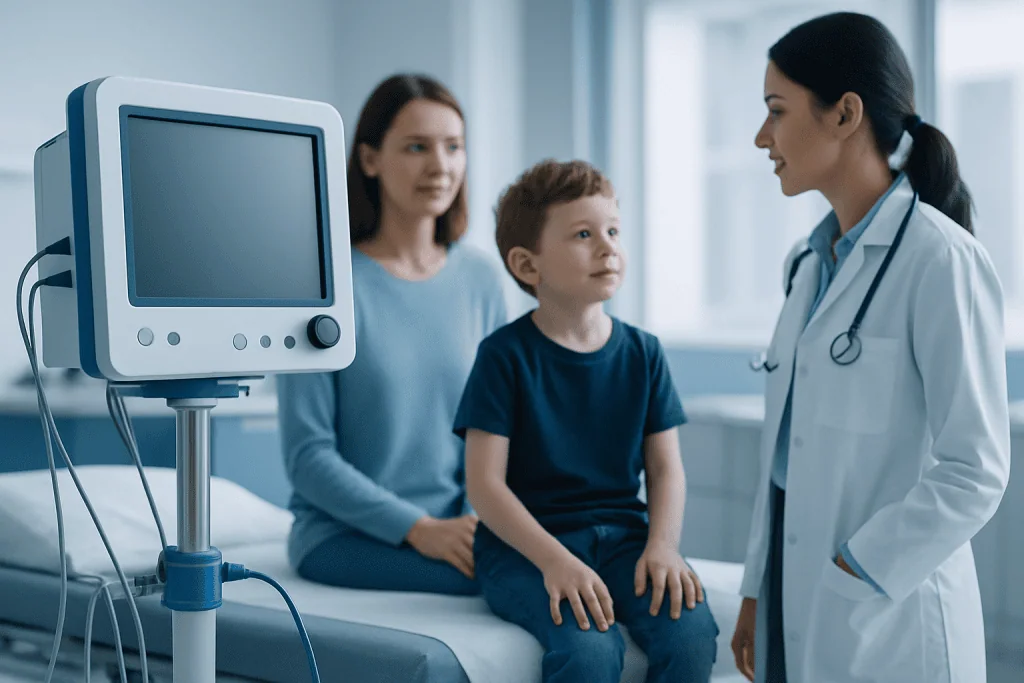
The symptoms of Noonan’s disease can vary from person to person. Early signs may be subtle, especially in mild cases. In infants and young children, doctors may notice feeding problems, slow weight gain, frequent vomiting, low muscle tone, or delays in sitting, walking, or speech. Some babies have swelling of the hands or feet, or fluid buildup before birth that raises suspicion for a genetic condition.
Certain physical features are often described in Noonan syndrome, although not every person has all of them. These may include wide-set eyes, drooping eyelids, low-set ears, a short or broad neck, a deep groove between the nose and mouth, or a chest that appears sunken or prominent. Growth may also be slower than expected, leading to shorter adult height.
Heart problems are among the most important symptoms because they can affect health from infancy onward. Some children have a heart murmur, breathlessness, poor feeding, or tiring easily. Others may be found to have congenital heart defects during a routine evaluation, and some may need assessment for congenital heart disease.
- Short stature or slow growth
- Distinctive facial features that change with age
- Feeding difficulty and poor weight gain
- Developmental delay or learning differences
- Congenital heart disease or heart rhythm problems
- Easy bruising or bleeding
- Undescended testicles in some boys
Causes and risk factors
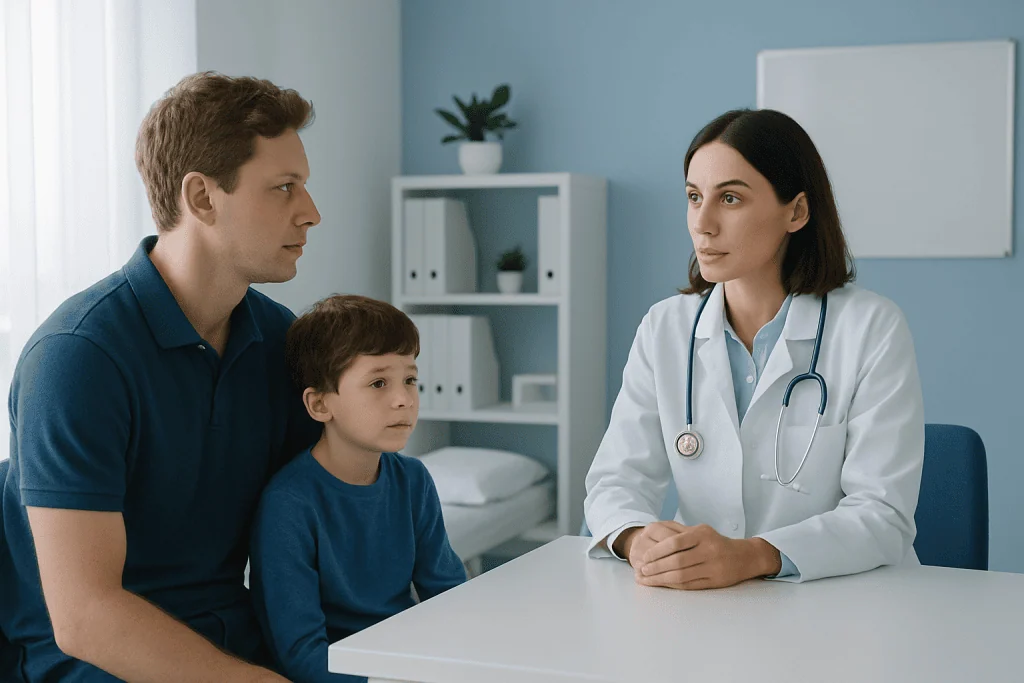
Noonan’s disease is caused by changes in genes involved in the RAS/MAPK signaling pathway, which helps regulate growth and development. Variants in genes such as PTPN11, SOS1, RAF1, RIT1, and others have been linked to the condition. These gene changes alter normal cell signaling, which can affect multiple organs and body systems.
The condition can be inherited from a parent or can happen for the first time in a child. When an affected parent carries the gene change, there is a chance of passing it on to future children. In other families, neither parent has known symptoms, and the genetic change appears as a new mutation.
The main risk factor is family history, but many children diagnosed with Noonan’s disease have no previous family history. Advanced parental age is not considered the same kind of defining risk factor seen in some other genetic conditions. Families may benefit from genetic counseling to understand inheritance, future pregnancy risks, and whether testing may be appropriate for relatives.
How diagnosis is made
Diagnosis starts with a careful medical history and physical examination. A doctor looks at growth patterns, facial and skeletal features, heart findings, developmental milestones, and any bleeding or feeding concerns. Because the condition can affect several body systems, diagnosis often involves more than one specialist.
Genetic testing can confirm the diagnosis in many patients by identifying a disease-causing gene change. A positive result can help guide long-term follow-up and family counseling. However, not every person with clinical signs will have a detectable change on standard testing, so a doctor’s overall assessment remains important.
Additional tests are chosen based on symptoms. These may include an echocardiogram, electrocardiogram, hearing and vision checks, growth and hormone assessment, and blood tests if there is concern about clotting or bruising. If heart structure or function needs close review, the care plan may include echocardiography and specialist cardiology evaluation.
Because some features overlap with other genetic syndromes, diagnosis may take time. Ongoing follow-up can be important even if the diagnosis is not confirmed in one visit, especially when a child has unexplained growth issues, heart disease, or developmental delay.
Treatment options and long-term care
There is no single cure for Noonan’s disease, so treatment is tailored to each person’s symptoms and age. The goal is to support healthy growth and development, monitor for complications, and treat any organ-specific problems early. Many children and adults do well with regular follow-up and a coordinated care plan.
Heart care is often a major part of treatment. Some people only need observation, while others may need medication, procedures, or surgery depending on the type and severity of the heart problem. If a structural problem is present, doctors may discuss options related to pediatric cardiology and cardiac surgery.
Other treatment may include feeding support in infancy, physical therapy, speech therapy, educational support, hearing care, or management of bleeding tendencies. Children with short stature may be assessed by endocrinology to see whether growth treatment is appropriate. Boys with undescended testicles may need evaluation by pediatric surgery or urology.
Some patients require planned procedures for chest wall, lymphatic, or other related concerns. Depending on the individual findings, treatment planning may involve teams with expertise in medical genetics and pediatric specialties. Near the end of the care pathway, some families also seek advice from multidisciplinary centers such as Acibadem International, where JCI-accredited hospitals care for international patients with complex genetic and cardiac conditions.
Daily management, development, and family support
Living with Noonan’s disease often involves regular checkups rather than constant treatment. Monitoring growth, school progress, hearing, vision, puberty, and emotional well-being can help identify issues early. Parents and caregivers often find it helpful to keep a medical summary with diagnoses, test results, medications, and specialist appointments.
Developmental and educational support can make a meaningful difference. Some children benefit from early intervention, speech and language therapy, occupational therapy, or classroom accommodations. Even when intelligence is typical, attention, motor coordination, or processing speed may need support.
Family support is also important. A genetic diagnosis can bring uncertainty, especially if symptoms vary among relatives. Honest discussion with clinicians, school staff, and family members can help build realistic expectations and a practical long-term plan.
As children grow into adolescence and adulthood, care should also focus on independence, social participation, and transition to adult specialists when needed. Many people with Noonan’s disease study, work, and lead active lives, especially when health concerns are recognized and managed early.
Can Noonan's disease be prevented?
Noonan’s disease cannot usually be prevented because it is caused by inherited or spontaneous genetic changes. There is no lifestyle step that can fully stop it from occurring. However, early recognition and planned medical follow-up can reduce the impact of some complications.
For families with a known history of Noonan syndrome, genetic counseling can be useful before pregnancy or when planning more children. Counseling helps explain inheritance patterns, possible testing options, and what the diagnosis may mean for a child and other relatives. This information supports informed decisions without assuming that every family will make the same choices.
Once the condition is diagnosed, prevention focuses on complications rather than the syndrome itself. Regular heart checks, growth monitoring, hearing and vision assessments, developmental follow-up, and review of bleeding risk before surgery or dental procedures can improve safety and quality of life.
When to seek medical care
Medical care should be sought if a baby or child has poor feeding, poor weight gain, short stature, repeated developmental delays, unusual bruising, or signs of a heart problem such as fast breathing, tiring with feeds, or blue discoloration. These signs do not always mean Noonan’s disease, but they do deserve a proper evaluation.
A prompt medical review is also important if there is a known family history of Noonan syndrome or related genetic conditions. Adults should seek care if they have unexplained heart symptoms, fertility concerns, easy bleeding, or features that suggest they may have an undiagnosed mild form of the condition.
Emergency care is appropriate for severe breathing difficulty, chest pain, fainting, significant bleeding, or signs of serious illness. In non-emergency situations, evaluation by pediatrics, genetics, or cardiology is the usual next step, and some patients may also need assessment similar to pathways used for pediatric heart diseases.
Frequently asked questions
Is Noonan's disease the same as Noonan syndrome?
Yes. The terms Noonan's disease and Noonan syndrome are commonly used to describe the same genetic condition. In medical practice, Noonan syndrome is the term used more often.
At what age is Noonan's disease usually diagnosed?
It can be diagnosed before birth, during infancy, in childhood, or even later in life. The timing depends on how noticeable the symptoms are and whether heart, growth, or developmental concerns lead to evaluation.
Can Noonan's disease affect the heart?
Yes, heart involvement is common and can range from mild to more significant. Some people have congenital heart defects, valve problems, or rhythm disturbances, so cardiology follow-up is often an important part of care.
Is Noonan's disease inherited?
It can be inherited from an affected parent, but it can also appear for the first time in a child with no family history. Genetic counseling can help families understand the chance of recurrence and whether relatives should consider testing.
Is there a cure for Noonan's disease?
There is no cure that removes the underlying genetic change. Treatment focuses on managing symptoms, monitoring health risks, and supporting growth, development, and overall well-being.
Can children with Noonan's disease go to regular school?
Many can, especially when learning needs are recognized early. Some children may need speech therapy, developmental support, or classroom accommodations, while others do well with minimal extra help.
References
- National Institutes of Health
- MedlinePlus
- Genetics Home Reference
- American Academy of Pediatrics
- American Heart Association
This article is for general information only and is not a substitute for professional medical advice. Please consult a qualified doctor about your individual situation.
Heart care in Turkey — expert evaluation and treatment
JCI-accredited · board-certified surgeons · reply within 24h
Add us as a Preferred Source to see more of our trusted health content across Google Search, AI Overviews and Discover.

More from the Health Library



Related Specialists
Prof. Dr. Mustafa Karahan
Orthopedic Surgery & Traumatology
Dr. Esin Özlem Atmış
Otorhinolaryngology
Dr. Bedirhan Kahraman
Emergency Service
Assoc. Prof. Dr. Murat Urkan
General Surgery