Normatec Boots: What Patients Need to Know
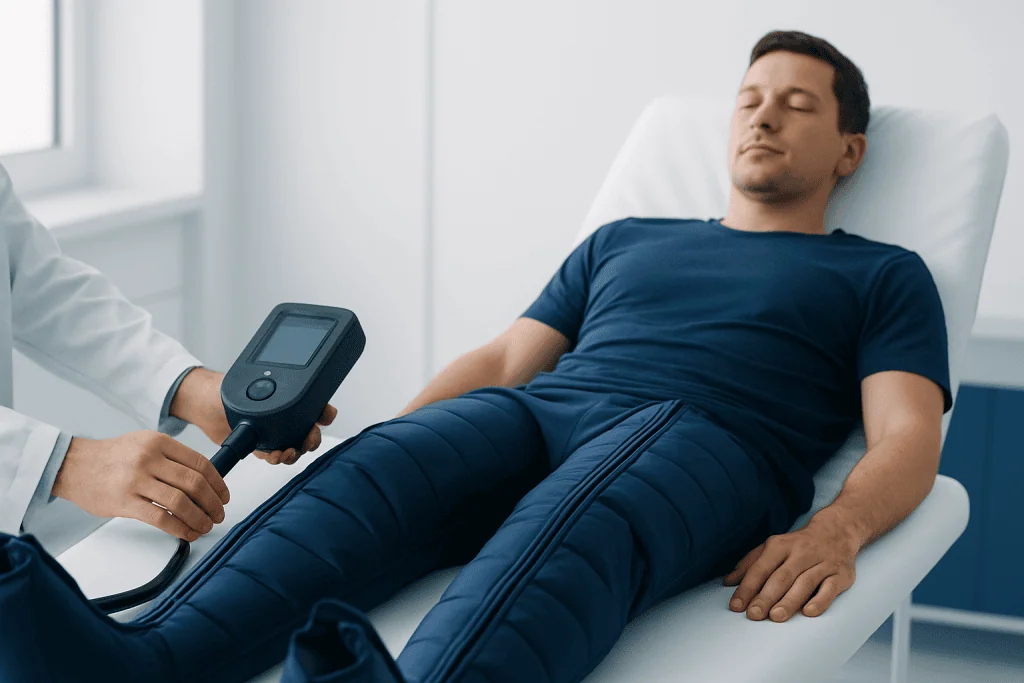
Normatec boots use sequential air compression to apply pressure to the legs in cycles. They may help with temporary muscle recovery, mild swelling, and a feeling of heaviness in some users.
Key Takeaways
- Normatec boots use sequential air compression to apply pressure to the legs in cycles.
- They may help with temporary muscle recovery, mild swelling, and a feeling of heaviness in some users.
- These devices are not suitable for everyone, especially people with certain circulation problems, blood clots, infections, or uncontrolled heart failure.
- Persistent leg pain, one-sided swelling, skin color changes, or shortness of breath need medical evaluation rather than self-treatment.
- Safe use depends on correct fit, reasonable session length, and following the manufacturer’s and clinician’s guidance.
Normatec boots are inflatable compression devices designed to apply gentle, pulsing pressure to the legs. They may help some people feel less muscle soreness or swelling after activity, but they are not a substitute for medical diagnosis or treatment when leg symptoms may signal an underlying condition.
Overview: what Normatec boots are and what they do
Normatec boots are wearable compression devices that inflate and deflate in a programmed sequence around the feet, calves, and sometimes the thighs. This type of therapy is often called intermittent pneumatic compression or dynamic air compression. The goal is to create a gentle massaging pressure pattern that encourages fluid movement and may temporarily support circulation in the treated limbs.
Many people encounter normatec boots in sports recovery settings, physical therapy clinics, rehabilitation programs, or wellness centers. Some use them after intense exercise to reduce the feeling of leg fatigue or soreness. Others may use similar compression systems under medical guidance when swelling management or circulation support is part of a broader care plan.
It is important to understand that normatec boots are a supportive tool, not a diagnosis or a cure. They do not treat every cause of leg discomfort, and they should not be used to delay medical care when symptoms could reflect a vascular, neurological, or musculoskeletal problem. A device that feels soothing can still be inappropriate for people with certain health conditions.
How Normatec boots work
The boots contain air chambers that fill and release in stages, usually starting near the foot and moving upward. This sequential pattern is designed to mimic a pumping effect. By applying and then releasing pressure, the device may help move blood and lymphatic fluid through the legs more efficiently for a short period.
Some systems allow users to adjust pressure, treatment time, or the area being treated. Settings should be comfortable rather than intense. More pressure is not always better, and using a level that causes pain, numbness, or skin irritation is not appropriate.
The feeling is often described as rhythmic squeezing rather than constant tightness. During use, a person may notice warmth, relaxation, or a temporary reduction in the sense of heaviness in the legs. Benefits can vary widely depending on the reason for use, the person’s baseline health, and whether there is an underlying medical issue that needs evaluation.
In clinical practice, pneumatic compression may also be discussed alongside other approaches used to manage circulation or swelling problems. For example, a doctor may consider broader vascular assessment when symptoms raise concern for peripheral artery disease or another blood flow disorder.
Possible benefits and common reasons people use them
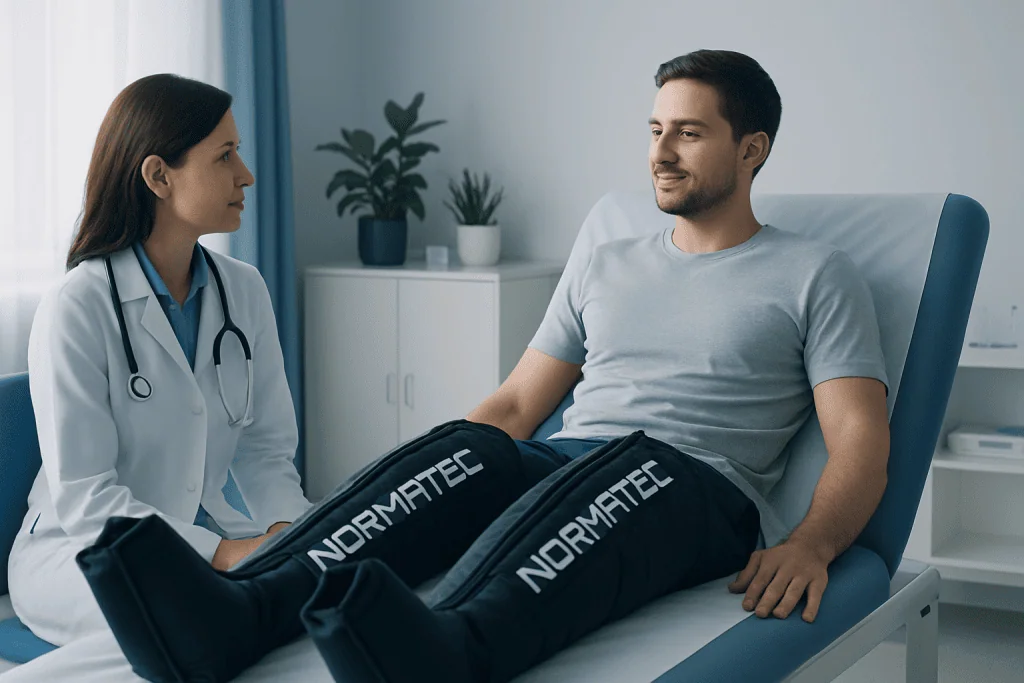
People most often ask about normatec boots for exercise recovery. After strenuous activity, some users report that their legs feel less tight, less fatigued, or more refreshed. There is also interest in these devices among travelers, people who spend long hours standing, and patients in rehabilitation who want relief from a heavy or swollen-leg sensation.
Potential benefits may include:
- Temporary relief of post-exercise muscle soreness or fatigue
- Support for fluid movement in the legs
- A short-term reduction in mild swelling or heaviness
- A relaxing recovery routine as part of a broader self-care plan
However, benefits are not the same for every person or every symptom. For example, leg swelling can arise from overuse, heat, prolonged sitting, vein problems, medication effects, injury, kidney disease, heart disease, or a clot. Because the causes are so varied, a symptom-focused approach is safer than assuming a recovery device is the right answer.
When used in a rehabilitation or sports medicine setting, compression therapy is usually only one part of the plan. Hydration, sleep, graded exercise, stretching, treatment of injuries, and medical assessment when needed remain central to recovery.
Who should be cautious or avoid Normatec boots
Normatec boots are not appropriate for everyone. People with a known or suspected blood clot in the leg should not self-treat with a compression device unless a clinician specifically advises it. One major concern is deep vein thrombosis, which can cause one-sided leg swelling, pain, warmth, or redness and requires prompt medical evaluation.
People should also be cautious if they have severe peripheral artery disease, active skin infection, open wounds not cleared for compression, severe leg pain of unknown cause, uncontrolled heart failure, or significant numbness that makes it hard to feel pressure accurately. Compression may also need special guidance after surgery, during pregnancy, or when there is a recent injury.
Medical supervision is especially important for anyone with chronic swelling, recurrent leg ulcers, a history of vascular disease, or diabetes with nerve damage. In these situations, even a noninvasive recovery tool may need individualized advice because skin integrity, circulation, and sensation can be affected.
If a person already receives care for blood flow or vein problems, a vascular specialist may recommend testing or targeted treatment rather than relying on home devices alone. In some cases, minimally invasive options such as varicose vein treatment are considered when symptoms are related to diseased veins.
Safety, side effects, and practical use
For generally healthy users, normatec boots are often well tolerated when used as directed. Mild temporary effects can include skin marks from pressure, warmth, tingling, or a sense of tightness during the session. These effects should be brief and should not be painful.
Use should stop if there is pain, numbness, dizziness, increasing swelling, skin discoloration, chest symptoms, or any feeling that something is wrong. A device should never be used over a limb with sudden unexplained swelling, significant trauma, or an untreated medical condition.
Practical safety steps include checking that the boots fit properly, starting with a comfortable pressure level, limiting session length to the manufacturer’s instructions, and inspecting the skin before and after use. It is also sensible to avoid using the device while sleeping or when a person cannot easily remove it if discomfort develops.
People who have ongoing leg symptoms may benefit from formal assessment rather than repeated self-treatment. Depending on the situation, a clinician might recommend exercise therapy, compression garments, imaging, medication, rehabilitation, or vascular procedures such as angioplasty if there is a significant circulation problem.
What Normatec boots cannot replace
Normatec boots can be part of comfort-focused recovery, but they do not replace an examination when symptoms are persistent, severe, or unusual. A pulsing compression device cannot diagnose whether a person has a clot, poor arterial blood flow, nerve compression, infection, or a joint problem. It also cannot correct structural issues such as severe venous valve failure or an untreated fracture.
For this reason, it is helpful to think of the device as an adjunct rather than a stand-alone solution. It may complement rest, hydration, mobility work, and medical treatment, but it should not be the only response to recurrent symptoms. If swelling regularly returns, only affects one leg, or is accompanied by skin changes or wounds, medical evaluation is the safer next step.
Some people also assume that all compression-based devices are interchangeable. In reality, medical compression stockings, hospital pneumatic compression systems, rehabilitation tools, and consumer recovery boots may serve different purposes. The right choice depends on the person’s diagnosis, anatomy, and goals.
When blood vessel disease is suspected, doctors may also evaluate whether more specialized care is needed, including vascular surgery in selected cases. Treatment decisions are based on the cause of symptoms rather than on the popularity of a recovery device.
When to seek medical care
Medical care should be sought promptly for one-sided leg swelling, sudden calf pain, new redness or warmth, skin turning pale or blue, chest pain, or shortness of breath. These symptoms can reflect urgent conditions and should not be managed at home with compression boots.
A doctor should also assess symptoms that persist despite rest, recur frequently, interfere with walking, or are associated with numbness, weakness, fever, skin breakdown, or visible vein changes. People with known heart disease, diabetes, kidney disease, or vascular disease should be especially careful about self-treating leg symptoms without guidance.
If a person is unsure whether normatec boots are appropriate, a primary care physician, sports medicine doctor, rehabilitation specialist, or vascular specialist can help determine the cause of symptoms and the safest plan. Near the end of care planning, patients may also discuss whether supportive therapies fit with formal treatment and recovery goals.
Acibadem International’s multidisciplinary specialists and JCI-accredited hospitals evaluate leg swelling, circulation concerns, and recovery-related symptoms for international patients, helping determine when supportive devices are reasonable and when further testing or treatment is needed.
Frequently asked questions
Are normatec boots the same as medical compression stockings?
No. Normatec boots provide intermittent, machine-driven pressure in cycles, while compression stockings provide steady external pressure throughout the day. They may serve different purposes, and one does not automatically replace the other.
Can normatec boots improve circulation?
They may temporarily support fluid movement and venous return in the legs during and shortly after a session. However, they do not treat every circulation problem, and they are not a substitute for medical evaluation when symptoms suggest vascular disease.
Are normatec boots safe to use every day?
Some healthy users may tolerate regular use, but frequency should follow the device instructions and individual health needs. Daily use is not appropriate if there is pain, unexplained swelling, skin problems, or an underlying condition that has not been assessed by a clinician.
Should a person use normatec boots for leg swelling?
Only after considering the cause of the swelling. Mild swelling after exercise or prolonged sitting may improve with conservative measures, but new, one-sided, painful, or persistent swelling should be evaluated by a doctor before using compression devices.
Can normatec boots help after exercise?
They may help some people feel less sore, heavy, or fatigued after intense activity. The effect is usually supportive and temporary, and overall recovery still depends on rest, hydration, sleep, nutrition, and proper training.
Who should avoid normatec boots unless a doctor advises otherwise?
People with suspected blood clots, severe arterial disease, active infection, uncontrolled heart failure, significant numbness, or serious unexplained leg symptoms should not self-treat with these devices. Medical guidance is also wise after surgery, during pregnancy, or when a person has chronic vascular or nerve-related disease.
References
- U.S. Food and Drug Administration
- American Heart Association
- National Heart, Lung, and Blood Institute
- Society for Vascular Surgery
This article is for general information only and is not a substitute for professional medical advice. Please consult a qualified doctor about your individual situation.
Explore treatments in Turkey — costs, top hospitals & a free quote
JCI-accredited · board-certified surgeons · reply within 24h
Add us as a Preferred Source to see more of our trusted health content across Google Search, AI Overviews and Discover.

More from the Health Library

Placental Abruption: An Evidence-Based Guide for Patients

Amaryl: A Complete Medical Overview

Baclofen Pump — Explained by Medical Evidence, Not Myths

Baader Meinhof Phenomenon: What Patients Need to Know

Capitation: An Evidence-Based Guide for Patients