

Nuclear Cataract: An Evidence-Based Guide for Patients
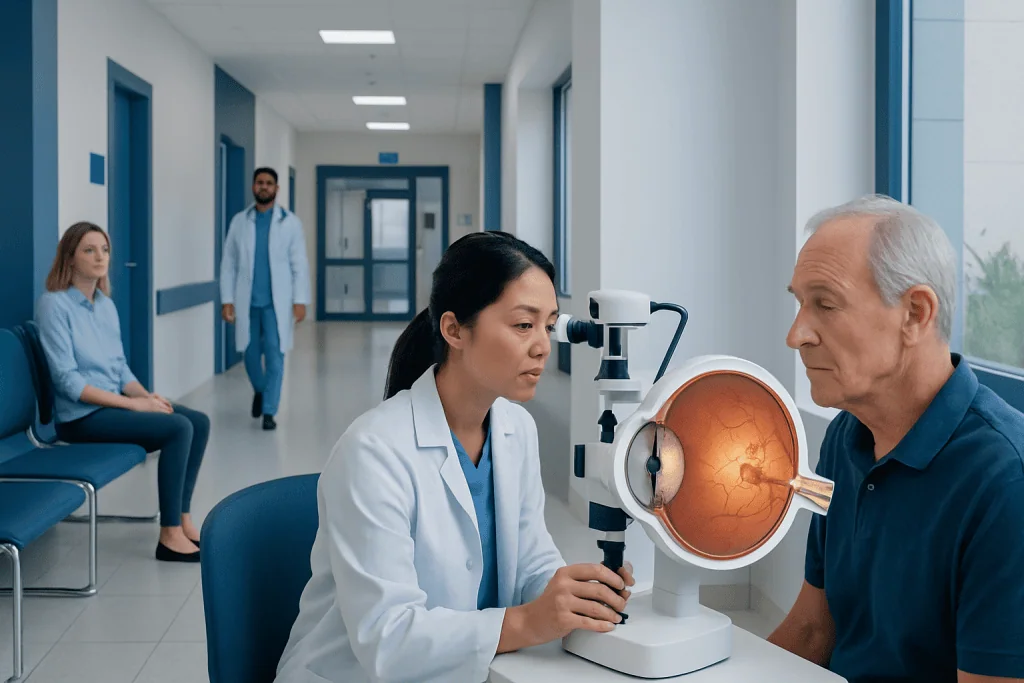
A nuclear cataract affects the center, or nucleus, of the eye’s natural lens. Blurred distance vision, reduced color brightness, glare, and frequent prescription changes can occur gradually.
Key Takeaways
- A nuclear cataract affects the center, or nucleus, of the eye’s natural lens.
- Blurred distance vision, reduced color brightness, glare, and frequent prescription changes can occur gradually.
- An eye examination with pupil dilation can confirm the diagnosis and check for other eye conditions.
- Glasses and lighting changes may help early symptoms, but surgery is the only treatment that removes a cataract.
- Most nuclear cataracts are related to aging, although smoking, diabetes, steroid use, and eye injury may contribute.
- Sudden vision loss, eye pain, or new flashes and floaters need prompt medical assessment because they are not typical cataract symptoms.
A nuclear cataract is a common age-related change in which the central part of the eye’s natural lens gradually becomes cloudy and yellow or brown. It usually develops slowly, and treatment is considered when vision changes begin to interfere with daily activities, safety, or quality of life.
What Is a Nuclear Cataract?
A nuclear cataract is a type of cataract that forms in the center of the eye’s natural lens, called the nucleus. The lens sits behind the colored part of the eye and helps focus light on the retina at the back of the eye. When the lens remains clear, images can be focused sharply. With a cataract, proteins within the lens change and clump together over time, making the lens less transparent.
Nuclear cataracts are often associated with normal aging and usually progress gradually over years. The central lens may become yellow at first and can later take on a deeper amber or brown color, sometimes called brunescence. This can reduce the amount and quality of light reaching the retina, leading to changes in visual clarity, contrast, and color perception.
A cataract is not a film over the surface of the eye, and it cannot spread from one person to another. It may affect one or both eyes, although the pace of change can differ between eyes. Cataracts are very common, and an ophthalmologist can help distinguish cataract-related vision changes from those caused by other eye conditions.
How Nuclear Cataracts Can Affect Vision
The most common effect of a nuclear cataract is gradual blurring of distance vision. A person may notice that road signs, television images, faces across a room, or fine details are less sharp than before. Vision may also seem hazy despite cleaning glasses or updating a prescription. The changes are often painless and can be subtle at first.
As the lens becomes denser, colors may appear less vivid, especially blues and purples. Reduced contrast sensitivity can make it harder to see steps, curbs, or objects in dim lighting. Glare from sunlight, headlights, or bright indoor lights may become distracting, and night driving can feel more difficult.
Some people with nuclear cataracts experience a temporary shift toward nearsightedness, sometimes called “second sight.” This may allow them to read without glasses for a period of time, but it does not mean the cataract is improving. It reflects a change in how the lens bends light, and the benefit usually does not last as the cataract progresses.
- Increasing difficulty with night driving or oncoming headlights
- Frequent changes in glasses prescription with limited improvement
- Fading or yellowing of colors
- Double vision in one eye in some cases
- Needing brighter light for reading or close work
Why Nuclear Cataracts Develop

Age is the leading risk factor for nuclear cataracts. Over time, the lens gradually becomes less flexible and less clear. These natural changes are influenced by oxidative stress and alterations in lens proteins. They do not result from reading, using digital screens, or ordinary visual tasks.
Several factors may increase the likelihood of cataract development or contribute to earlier progression. These include smoking, diabetes, long-term use of corticosteroid medicines, significant sunlight exposure over many years, prior eye injury, eye inflammation, and previous eye surgery. A family history of cataracts may also play a role.
People with diabetes should have regular eye examinations because diabetes can be linked to cataracts as well as retinal disease. It is important not to assume that every vision change is caused by a cataract. Macular degeneration, glaucoma, diabetic retinopathy, dry eye disease, and refractive changes can also affect sight and may require different care.
How an Eye Specialist Diagnoses It
An optometrist or ophthalmologist can often identify a nuclear cataract during a routine comprehensive eye examination. The assessment usually includes a review of symptoms, vision testing with an eye chart, and refraction to determine whether a glasses prescription improves vision.
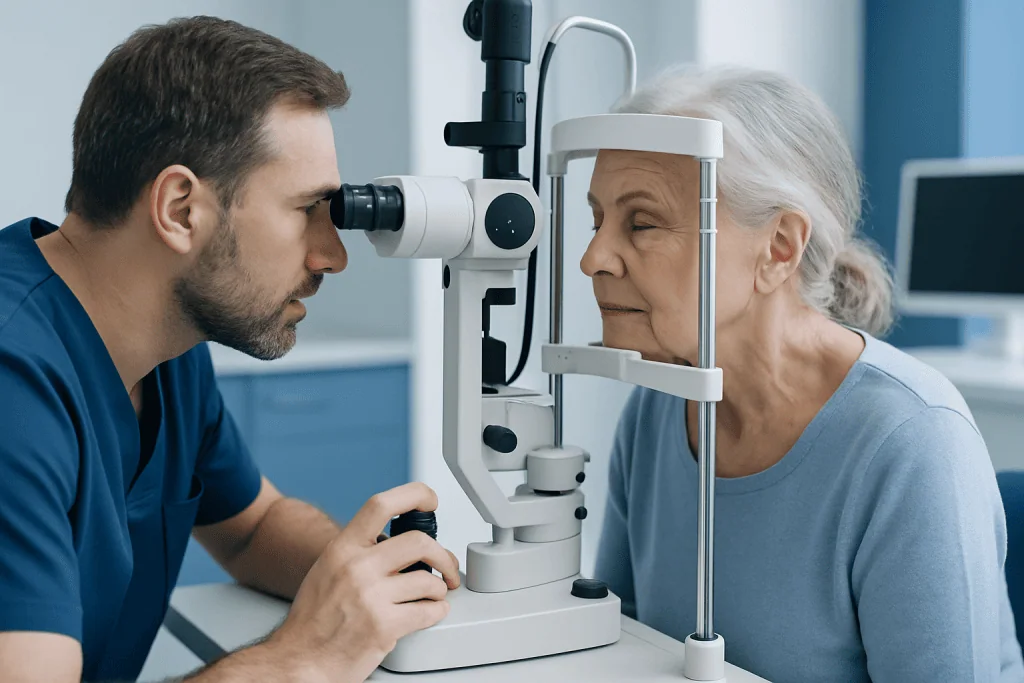
To examine the lens and retina closely, the clinician may use dilating eye drops to widen the pupils. A slit-lamp examination provides a magnified view of the front structures of the eye and allows the clinician to assess the location and density of lens clouding. The eye pressure may also be measured, particularly when evaluating overall eye health.
Diagnosis is not based only on the appearance of the lens. The decision to monitor or treat a cataract considers how much it affects a person’s everyday vision and goals. For example, relatively mild clouding may still be significant for someone who drives at night, works with detailed visual tasks, or has difficulty navigating safely in low light.
Managing Symptoms and Considering Surgery
In the early stages, practical adjustments may improve comfort and function. These can include updating glasses, using brighter and more even lighting for reading, reducing glare with a brimmed hat or sunglasses that block ultraviolet light, and using anti-reflective lens coatings when appropriate. People bothered by night glare may choose to limit driving in difficult conditions until their vision is reassessed.
These measures do not remove or reverse the cataract. Cataract surgery is the only established treatment that removes the cloudy natural lens. During the procedure, the surgeon removes the cataract and usually replaces it with an artificial intraocular lens. Surgery is generally considered when reduced vision affects daily life, work, hobbies, independence, or safety rather than at a particular stage of lens appearance.
Modern cataract surgery is commonly performed as an outpatient procedure, but the appropriate lens choice and timing are individual. An ophthalmologist will discuss expected benefits, possible limitations, and potential risks, which can include infection, inflammation, swelling, retinal complications, and the need for additional treatment in uncommon situations. Existing retinal or optic nerve conditions may limit how much vision improves after surgery.
For international patients, Acibadem International’s multidisciplinary specialists and JCI-accredited hospitals can assess cataracts and discuss appropriate treatment planning.
Can Nuclear Cataracts Be Prevented?
There is no proven method to completely prevent age-related nuclear cataracts. However, healthy habits may support long-term eye health and may help reduce avoidable risk factors. Not smoking, managing diabetes and other health conditions, and attending recommended eye examinations are sensible steps.
Wearing sunglasses that provide ultraviolet protection and a wide-brimmed hat in strong sunlight can reduce UV exposure to the eyes. A balanced eating pattern that includes fruits, vegetables, and other nutrient-rich foods supports overall health, although no vitamin, supplement, eye drop, or exercise has been shown to dissolve an established cataract.
People who take steroid medicines should not stop them without medical advice. When long-term steroids are necessary, regular monitoring can help identify eye-related side effects. Anyone with a history of eye injury, eye inflammation, or previous eye surgery may benefit from following the eye-care schedule recommended by their clinician.
When to Seek Medical Care
A routine eye appointment is appropriate for gradually worsening vision, increasing glare, colors that appear dull, or glasses that no longer provide useful clarity. Regular comprehensive eye examinations are particularly important as people get older and for those with diabetes, a history of eye disease, or long-term steroid treatment.
Prompt medical evaluation is needed for sudden vision loss, eye pain, marked redness, a severe headache with visual symptoms, or a sudden increase in flashes, floaters, or a curtain-like shadow in the field of vision. These symptoms are not typical of a slowly developing nuclear cataract and may indicate another eye problem that needs timely assessment.
It can be helpful to tell the eye specialist how vision affects specific activities, such as driving, reading, recognizing faces, using a computer, or moving around in dim light. This information helps guide a shared decision about monitoring, updating visual aids, or planning cataract surgery.
Frequently asked questions
Is a nuclear cataract serious?
A nuclear cataract is a common, usually slow-progressing cause of vision change and is not typically an emergency. However, it can eventually interfere with safety and daily activities if it becomes more dense. Regular eye examinations help determine whether the cataract is the main cause of reduced vision.
Can a nuclear cataract go away without surgery?
No eye drops, supplements, or home remedies have been proven to reverse an established nuclear cataract. Early symptoms may be managed with glasses, better lighting, and glare reduction. Surgery is the only treatment that removes the cloudy lens.
How quickly does a nuclear cataract progress?
Progression varies widely between individuals and often occurs over years. Age, smoking, diabetes, steroid use, and some eye conditions may influence the rate of change. An eye specialist can monitor visual function and lens changes over time.
What is the difference between nuclear and cortical cataracts?
A nuclear cataract begins in the central part of the lens and often causes gradual distance blur, yellowing of vision, and a temporary nearsighted shift. A cortical cataract develops as spoke-like cloudy areas in the outer lens cortex and may cause glare or light scatter. A person can have more than one cataract type in the same eye.
When is the right time for nuclear cataract surgery?
Surgery is usually considered when vision problems affect daily activities, work, hobbies, independence, or safe driving. It does not need to wait until a cataract is described as “mature.” The timing should be decided with an ophthalmologist after considering symptoms, eye health, and personal priorities.
Can nuclear cataracts cause blindness?
If a cataract becomes very advanced and is not treated, it can substantially reduce vision. In most cases, cataract surgery can improve vision when the retina and optic nerve are healthy. Other eye diseases can also affect sight, which is why a full eye assessment is important.
References
- American Academy of Ophthalmology
- National Eye Institute
- Mayo Clinic
- World Health Organization
This article is for general information only and is not a substitute for professional medical advice. Please consult a qualified doctor about your individual situation.
Explore treatments in Turkey — costs, top hospitals & a free quote
JCI-accredited · board-certified surgeons · reply within 24h
Add us as a Preferred Source to see more of our trusted health content across Google Search, AI Overviews and Discover.

More from the Health Library



Related Specialists

Gülçin Selen Akgün
Physical Medicine & Rehabilitation
Fzt. Osman Karaoğlan
Physical Medicine & Rehabilitation
Asst. Prof. Dr. Mahmut Ozan Fındık
Otorhinolaryngology
Dr. Aykut Ayyıldız
Anesthesiology