

Obesity Treatment: Lifestyle Care, Medications, and Bariatric Surgery

Obesity is a chronic, treatable medical condition influenced by biology, environment, lifestyle, medications, sleep, stress, and other health conditions. Lifestyle care remains the foundation of treatment, including nutrition, physical activity, sleep, behavioral strategies, and support for emotional well-being.
Key Takeaways
- Obesity is a chronic, treatable medical condition influenced by biology, environment, lifestyle, medications, sleep, stress, and other health conditions.
- Lifestyle care remains the foundation of treatment, including nutrition, physical activity, sleep, behavioral strategies, and support for emotional well-being.
- Weight loss medications may help selected patients when used with lifestyle care and regular medical monitoring.
- Bariatric surgery can be an effective option for eligible patients, especially when obesity is associated with conditions such as type 2 diabetes, sleep apnea, or high blood pressure.
- Long-term follow-up is essential because obesity care focuses on health improvement, prevention of complications, and maintenance of progress.
Obesity treatment is most effective when it is personalized, medically supervised, and focused on long-term health rather than short-term weight loss. Care may include lifestyle support, approved medications, bariatric surgery, and ongoing follow-up.
Overview
Obesity treatment is a structured approach to improving health in people who have excess body fat that may affect well-being or increase the risk of medical conditions. It is not simply a matter of willpower. Body weight is influenced by appetite hormones, genetics, metabolism, medications, sleep, stress, food environment, physical activity, and underlying diseases. For this reason, effective treatment usually combines several strategies.
The goals of obesity treatment are broader than weight loss alone. Even modest and sustained weight reduction can improve blood pressure, blood sugar, cholesterol levels, joint pain, sleep quality, fertility, and quality of life for many people. Treatment also aims to reduce the risk of complications such as type 2 diabetes, fatty liver disease, cardiovascular disease, osteoarthritis, and obstructive sleep apnea.
A patient-centered plan is important. Some people benefit from lifestyle care and coaching, while others may need prescription medication or bariatric surgery. The best approach depends on body mass index, waist circumference, medical history, previous weight loss attempts, personal preferences, mental health, and readiness for change. A qualified healthcare team can help select safe and realistic options.
How Obesity Is Assessed
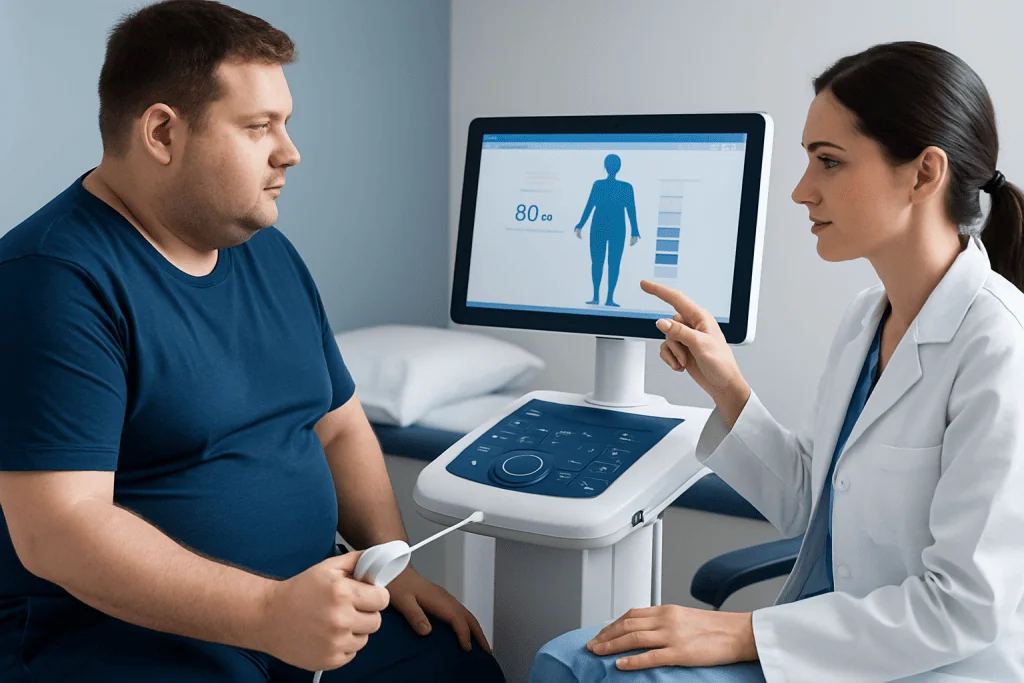
Doctors often begin assessment by calculating body mass index, or BMI, using height and weight. BMI is a useful screening tool, but it does not directly measure body fat or show how weight affects an individual person’s health. For example, muscle mass, age, sex, ethnicity, and body fat distribution can influence interpretation. Therefore, BMI is usually considered together with other clinical information.
Waist circumference may also be measured because abdominal fat is linked with higher metabolic risk. The doctor may ask about eating patterns, physical activity, sleep, stress, alcohol intake, tobacco use, previous weight changes, pregnancy history, family history, and medications that may contribute to weight gain. Some antidepressants, diabetes medicines, steroids, hormonal treatments, and other drugs can affect appetite or metabolism.
Laboratory tests and additional evaluations may be recommended to identify related conditions. These may include blood glucose or HbA1c, cholesterol levels, liver function tests, thyroid function tests when indicated, blood pressure measurement, and screening for sleep apnea, fatty liver disease, polycystic ovary syndrome, or joint problems. This assessment helps create a treatment plan that supports overall health, not only a number on the scale.
Lifestyle Care: The Foundation of Treatment

Lifestyle care is the foundation of obesity treatment, whether or not medications or surgery are used. A sustainable nutrition plan usually focuses on regular meals, appropriate portions, vegetables, fruits, whole grains, lean proteins, legumes, healthy fats, and reduced intake of highly processed foods and sugary drinks. There is no single diet that works for everyone. The best plan is one that is safe, culturally appropriate, enjoyable enough to continue, and adapted to medical needs.
Physical activity supports weight management and improves health even when weight change is gradual. Aerobic activities such as walking, cycling, or swimming can improve cardiovascular fitness, while resistance training helps maintain muscle mass during weight loss. People with joint pain, heart disease, or low fitness levels should start gradually and ask a clinician for guidance. Small increases in daily movement can be meaningful when repeated consistently.
Behavioral strategies help turn intentions into daily routines. These may include self-monitoring of meals or activity, planning ahead for high-risk situations, setting realistic goals, improving sleep, managing stress, and building social support. Emotional eating, binge eating symptoms, depression, anxiety, or trauma-related eating patterns deserve compassionate evaluation and treatment. Addressing these factors can make weight management safer and more sustainable.
- Practical goals may include cooking more meals at home, reducing sugary drinks, increasing protein and fiber, taking regular walks, and setting consistent sleep times.
- Progress is best measured with several indicators, such as energy level, waist size, blood pressure, blood tests, mobility, and sleep quality, rather than weight alone.
Weight Loss Medications
Prescription weight loss medications may be considered for adults who meet medical criteria and have not achieved enough benefit with lifestyle care alone. These medicines are not cosmetic treatments. They are used as part of medical weight management for people whose weight is affecting health or increasing disease risk. A doctor should review medical history, pregnancy plans, current medicines, and potential side effects before treatment begins.
Available medications work in different ways. Some reduce appetite or cravings, some increase feelings of fullness, and some reduce fat absorption from food. Newer injectable medicines that act on gut hormone pathways, such as GLP-1 receptor agonists or related therapies, may be appropriate for certain patients. Choice of medication depends on safety, availability, contraindications, other conditions such as diabetes or high blood pressure, and patient preference.
Medication usually works best when combined with nutrition, activity, and behavioral support. Follow-up visits are important to monitor weight change, blood pressure, blood sugar, side effects, and whether the medicine remains appropriate. If a medication is not effective or causes unwanted effects, the doctor may adjust the plan or stop treatment. Patients should avoid unregulated weight loss products, as these can contain unsafe or undisclosed ingredients.
Bariatric Surgery and Endoscopic Options
Bariatric surgery may be recommended for people with severe obesity or obesity-related conditions when other treatments have not provided enough benefit. Common procedures include sleeve gastrectomy and gastric bypass. These operations help with weight loss by changing stomach capacity, hunger and fullness signals, and how the digestive system processes food. They also require lifelong changes in eating habits, vitamin supplementation, and medical follow-up.
Eligibility is based on BMI, obesity-related conditions, previous treatment history, surgical risk, and readiness for long-term care. Conditions such as type 2 diabetes, high blood pressure, sleep apnea, fatty liver disease, and joint disease may influence the decision. Before surgery, patients typically meet a multidisciplinary team, which may include a bariatric surgeon, endocrinologist, dietitian, psychologist or psychiatrist, anesthesiologist, and other specialists as needed.
Endoscopic weight loss procedures may be suitable for selected patients who do not need or do not qualify for surgery. These procedures are performed through the mouth using an endoscope and may include devices or techniques that reduce stomach volume or slow stomach emptying. They still require lifestyle changes and follow-up. The choice between lifestyle care, medication, endoscopic therapy, and surgery should be individualized after a careful medical discussion of benefits, risks, and responsibilities.
Long-Term Follow-Up and Self-Care
Obesity is a chronic condition, so follow-up is part of treatment rather than an optional extra. After initial weight loss, the body may respond with increased hunger and lower energy expenditure, which can make maintenance challenging. This is a normal biological response, not a personal failure. Ongoing care helps patients adjust nutrition, activity, medication, or surgical follow-up as life circumstances change.
People who have bariatric surgery need lifelong monitoring for nutritional deficiencies, reflux symptoms, changes in blood sugar, gallbladder problems, or other concerns. Vitamin and mineral supplementation may be required depending on the procedure. Regular blood tests help detect deficiencies early. Patients should also discuss pregnancy planning after bariatric surgery with their healthcare team, as nutritional status and timing are important.
Self-care includes building routines that protect physical and emotional health. Consistent sleep, stress management, supportive relationships, and realistic expectations can reduce the cycle of repeated dieting and regain. Weight may fluctuate, but the goal is to return to healthy habits without shame. A compassionate, medically guided approach supports long-term progress and helps patients focus on health gains.
When to See a Doctor
A person should consider medical advice if weight is affecting daily life, mobility, blood pressure, blood sugar, fertility, sleep, joint comfort, or emotional well-being. Medical evaluation is also helpful when weight gain is rapid, unexplained, associated with fatigue or menstrual changes, or possibly related to a medication. Early support can identify treatable causes and reduce the risk of future complications.
Urgent medical attention may be needed for symptoms such as chest pain, severe shortness of breath, fainting, sudden weakness, or signs of very high blood sugar. These symptoms may not be caused by obesity itself, but they require prompt assessment. People using weight loss medicines should contact their doctor if they develop concerning side effects, persistent vomiting, dehydration symptoms, severe abdominal pain, or allergic reactions.
Patients considering medication, endoscopic treatment, or bariatric surgery should seek care from qualified professionals who can provide a complete assessment and long-term follow-up. Acibadem International offers multidisciplinary evaluation and treatment for international patients in JCI-accredited hospitals, including care from bariatric, endocrine, nutrition, and surgical specialists when appropriate. Any treatment decision should be made together with a healthcare team after discussing benefits, risks, and alternatives.
Frequently asked questions
Is obesity a medical condition?
Yes. Obesity is recognized as a chronic medical condition that can affect metabolism, hormones, joints, sleep, and cardiovascular health. It is influenced by many biological and environmental factors, so treatment should be supportive rather than judgmental.
What is the first step in obesity treatment?
The first step is usually a medical assessment to understand weight history, health risks, medications, sleep, eating patterns, and related conditions. From there, the doctor can recommend a plan that may include nutrition support, physical activity, behavioral strategies, medication, or referral for bariatric evaluation.
Do weight loss medications replace diet and exercise?
No. Weight loss medications are intended to support lifestyle care, not replace it. They may help reduce appetite or improve fullness, but healthy eating habits, activity, sleep, and follow-up remain important for safety and long-term results.
Who may be eligible for bariatric surgery?
Eligibility depends on BMI, obesity-related health conditions, previous treatment attempts, surgical risk, and readiness for lifelong follow-up. A bariatric team evaluates each patient individually and explains the expected benefits, possible risks, nutritional needs, and long-term responsibilities.
Can obesity treatment improve other health conditions?
For many people, sustained weight management can improve blood pressure, blood sugar, cholesterol levels, sleep apnea symptoms, fatty liver disease, joint pain, and mobility. The degree of improvement varies, and existing conditions still need regular medical care.
Is weight regain after treatment common?
Weight regain can happen because the body has biological mechanisms that defend weight and increase hunger after weight loss. This does not mean treatment has failed. Follow-up care can help adjust lifestyle plans, medications, or surgical aftercare to support renewed progress.
References
- World Health Organization
- American Association of Clinical Endocrinology
- The Obesity Society
- American Society for Metabolic and Bariatric Surgery
- National Institute for Health and Care Excellence
This article is for general information only and is not a substitute for professional medical advice. Please consult a qualified doctor about your individual situation.
Bariatric Surgery in Turkey — costs, top hospitals & a free quote
JCI-accredited · board-certified surgeons · reply within 24h
Add us as a Preferred Source to see more of our trusted health content across Google Search, AI Overviews and Discover.
Check your numbers in seconds
BMI, calories, due date, blood pressure and 30+ more clinical calculators — free, instant, doctor-reviewed ranges.

Bariatric & Metabolic Surgery
Surgical and endoscopic treatments for obesity and metabolic conditions.
Related Treatments
Related Conditions
More from the Health Library



Related Specialists

Prof. Dr. Tayfun Karahasanoğlu
General Surgery
Prof. Dr. Güralp Onur Ceyhan
General Surgery
Prof. Dr. Volkan Özben
General Surgery
Assoc. Prof. Dr. Halil Kara
General Surgery