Occipital Lymph Nodes — Explained by Medical Evidence, Not Myths

Occipital lymph nodes sit at the back of the head and help filter lymphatic fluid from the scalp and nearby tissues. These nodes may swell temporarily with common infections such as a scalp irritation, cold, sore throat, or skin infection.
Key Takeaways
- Occipital lymph nodes sit at the back of the head and help filter lymphatic fluid from the scalp and nearby tissues.
- These nodes may swell temporarily with common infections such as a scalp irritation, cold, sore throat, or skin infection.
- A tender, mobile, mildly enlarged node is often reactive, meaning it is responding to inflammation or infection.
- Medical review is important if swelling lasts more than a few weeks, grows, feels hard or fixed, or occurs with fever, weight loss, or night sweats.
- Diagnosis focuses on the pattern of symptoms, scalp and skin examination, and sometimes blood tests or imaging.
- Treatment depends on the cause and may range from watchful waiting to treating an underlying infection or other condition.
Occipital lymph nodes are small immune glands located at the back of the head near the base of the skull. They often become noticeable when reacting to a scalp, skin, ear, or upper respiratory infection, and most causes are benign, though persistent or unusual swelling should be assessed by a doctor.
Overview: what occipital lymph nodes are
Occipital lymph nodes are small, bean-shaped structures located at the back of the head, close to the base of the skull. They are part of the lymphatic system, which helps the body filter fluid, remove waste, and respond to infection. In daily life, most people do not notice these nodes unless they become enlarged or tender.
These nodes mainly drain lymphatic fluid from the scalp, upper neck, and parts of the skin around the head. When the body detects irritation, inflammation, or infection in those areas, the nodes may become more active and temporarily swell. This is called reactive lymphadenopathy and is one of the most common reasons a person feels a lump in this region.
Medical evidence shows that enlarged occipital lymph nodes are often linked to nearby problems rather than a disease within the node itself. Examples include scalp infections, dandruff-related irritation, insect bites, viral illnesses, or skin conditions. Less commonly, they can enlarge due to autoimmune disease or, rarely, cancer.
The most helpful way to understand occipital lymph nodes is not as mysterious lumps, but as part of the body’s surveillance system. Their size, texture, tenderness, and how long they remain enlarged all provide clues about whether the cause is likely minor or whether further evaluation is needed.
Why occipital lymph nodes may swell
Swelling usually means the node is reacting to something nearby. Because occipital lymph nodes drain the scalp and back of the head, even minor local issues can trigger enlargement. A small scratch, inflamed hair follicle, or irritated patch of skin may be enough to make a node more noticeable for a short time.
Common infectious causes include viral upper respiratory infections, throat infections, ear infections, scalp ringworm, impetigo, and bacterial skin infections. Some viral illnesses, including infectious mononucleosis and rubella, can also enlarge lymph nodes in the head and neck region. In children, reactive nodes are especially common because their immune systems frequently respond to everyday infections.
Noninfectious causes are also possible. Eczema, psoriasis, seborrheic dermatitis, allergic skin reactions, and repeated scalp scratching can all stimulate nearby nodes. In some cases, generalized conditions that affect the immune system can lead to enlarged lymph nodes in several areas of the body, including the occipital region.
Less often, occipital lymph nodes enlarge because of more serious conditions such as lymphoma, leukemia, metastatic skin cancer, or other cancers involving the head and neck. This is uncommon, but doctors consider it when a node is hard, fixed, steadily growing, or associated with other warning signs. Broader evaluation may be needed when enlarged nodes appear alongside concerns such as lymphoma or other persistent systemic illness.
What symptoms and features matter most

Many people first notice occipital lymph nodes as one or more small lumps on the back of the head. The nodes may feel tender, especially if swelling developed quickly during an infection. They can also be painless, which does not automatically mean something serious is present; the full clinical picture matters more than one feature alone.
Doctors often ask about the node’s size, whether it moves under the skin, and how long it has been present. Reactive nodes are commonly soft or rubbery, somewhat mobile, and mildly painful to touch. They may appear during an illness and then gradually shrink over days to weeks as the underlying problem improves.
Other symptoms can help point to the cause. Signs of a nearby infection or inflammation may include scalp redness, dandruff, itching, a rash, ear pain, sore throat, fever, or recent cold symptoms. If the scalp has a tender bump, pustule, or crusting area, the node may simply be reacting to that local issue.
Certain features deserve more attention. These include a node that continues to enlarge, feels hard, seems fixed to surrounding tissue, or remains enlarged beyond a few weeks without improvement. Unexplained weight loss, persistent fever, drenching night sweats, significant fatigue, or enlarged nodes in several body areas also warrant medical assessment.
How doctors evaluate occipital lymph nodes
Evaluation usually begins with a medical history and physical examination. A doctor will ask when the lump was first noticed, whether it is painful, whether there have been recent infections, and whether symptoms such as fever, sore throat, rash, or scalp irritation are present. Examination often includes the scalp, ears, throat, neck, and sometimes other lymph node areas.
In many cases, the pattern strongly suggests a benign reactive cause and no extensive testing is needed right away. If there is an obvious scalp infection or another likely explanation, treatment may be directed at that issue while the node is observed over time. Short-term follow-up is often appropriate when the clinical picture is reassuring.
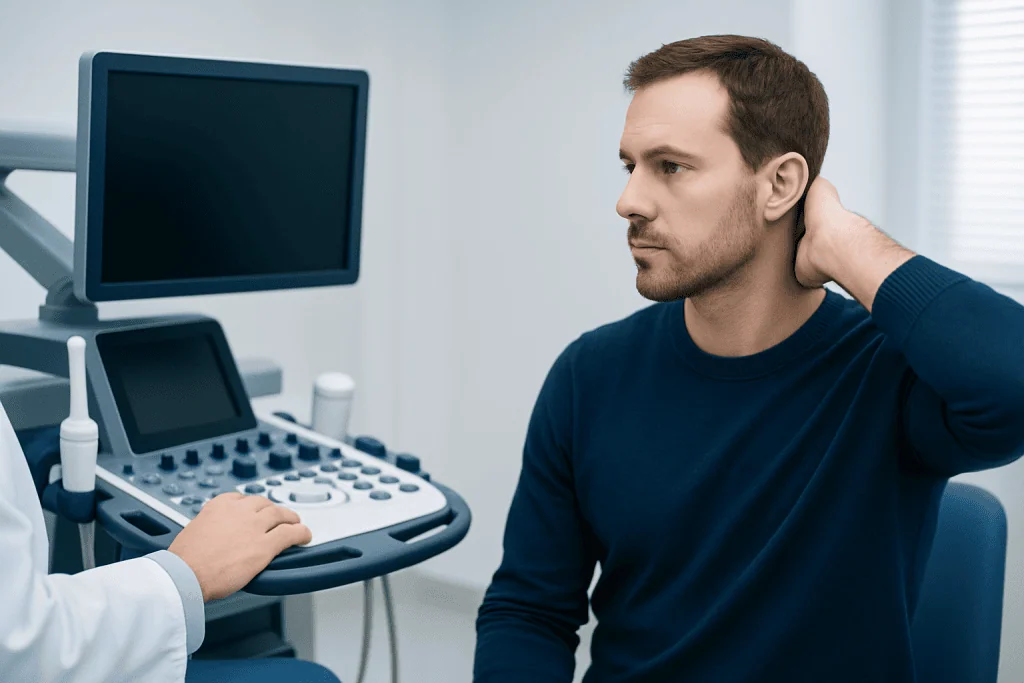
If the diagnosis is unclear, the swelling is persistent, or there are concerning features, additional tests may be recommended. These may include blood tests to look for infection or inflammation, throat testing, or imaging such as ultrasound. In selected cases, imaging can help distinguish a lymph node from other lumps on the back of the head.
Occasionally, a biopsy is needed to examine the tissue directly, especially if cancer or an unusual inflammatory disorder is a concern. A biopsy is not necessary for most people with briefly enlarged occipital lymph nodes, but it can be important when the node is persistent, atypical, or associated with broader disease signs.
Treatment options depend on the cause
There is no single treatment for enlarged occipital lymph nodes because the node itself is usually reacting to another problem. If the cause is a mild viral illness, treatment may simply involve rest, hydration, and time. Once the infection settles, the node often becomes smaller, though it may take a while to fully return to normal.
When scalp or skin infection is present, treatment may focus on the underlying source. Depending on the diagnosis, a doctor may recommend medicated shampoos, topical therapy, or prescription medicines. If a bacterial infection is suspected, evaluation for antibiotic treatment may be appropriate.
Skin conditions such as eczema, seborrheic dermatitis, or psoriasis can also lead to reactive nodes. In these cases, reducing inflammation on the scalp often helps. If a scalp lesion or unusual skin change raises concern, referral for dermatology care may help clarify the diagnosis and guide treatment.
When an underlying blood, immune, or cancer-related condition is suspected, treatment is directed by the specific diagnosis. This may involve further assessment by specialists and, in selected cases, tests or procedures such as biopsy to confirm the cause. The right treatment plan depends on accurate evaluation rather than treating the swollen node alone.
Self-care, prevention, and what not to do
Helpful self-care starts with avoiding repeated touching or pressing on the area. Frequent checking can irritate the tissues and make a node seem more tender or prominent. It is also sensible to keep the scalp clean, manage dandruff or skin flare-ups early, and avoid scratching bites, rashes, or inflamed areas on the head.
General prevention focuses on reducing common triggers. This includes treating scalp infections promptly, not sharing combs or hats when fungal infection is suspected, and seeking care for persistent skin problems. Good hand hygiene and routine measures to reduce viral spread can also lower the chances of reactive lymph node swelling during everyday illnesses.
Warm compresses may provide comfort if a node is mildly tender, but home care should remain gentle. People should not attempt to squeeze, puncture, or massage a swollen lymph node aggressively. Those steps do not treat the cause and may increase irritation.
If a lump is clearly getting bigger, lasting longer than expected, or appearing without a clear reason, self-care should not replace medical advice. Persistent nodes deserve proper assessment so that common, treatable causes are not missed and uncommon but important causes are identified early.
When to seek medical care
Medical care is appropriate if occipital lymph nodes stay enlarged for more than two to four weeks, continue to grow, or return repeatedly without a clear explanation. A doctor should also assess a node that feels hard, irregular, or fixed rather than soft and mobile. These features do not confirm a serious problem, but they do warrant examination.
Prompt review is especially important if swollen nodes occur with persistent fever, unexplained weight loss, drenching night sweats, severe fatigue, or enlarged nodes in several places. Care is also recommended if there is significant scalp redness, warmth, drainage, or pain that may suggest an infection needing treatment.
Children commonly develop reactive lymph nodes, but parents should still seek medical advice if a child seems generally unwell, has a large or rapidly enlarging lump, or has symptoms that do not improve. The same applies to adults with immune system disorders or people taking medicines that affect immunity.
For patients who need further evaluation, Acibadem International’s multidisciplinary specialists and JCI-accredited hospitals diagnose and treat lymph node and related head-and-neck conditions for international patients. Depending on the findings, doctors may also evaluate related problems such as head and neck cancer when symptoms or examination suggest a need for broader assessment.
Frequently asked questions
Where are occipital lymph nodes located?
Occipital lymph nodes are found at the back of the head near the base of the skull. They drain lymphatic fluid from the scalp and nearby skin, which is why scalp conditions can make them swell.
Are swollen occipital lymph nodes usually serious?
Most swollen occipital lymph nodes are not serious and happen because the immune system is reacting to a nearby infection or skin irritation. They often improve as the underlying cause settles, but persistent or unusual swelling should be checked by a doctor.
Can dandruff or scalp irritation cause occipital lymph nodes to enlarge?
Yes. Inflammation from dandruff, eczema, psoriasis, scratching, or minor skin infection on the scalp can trigger nearby occipital lymph nodes to enlarge temporarily. Treating the scalp problem often helps the nodes settle down.
How long can occipital lymph nodes stay swollen after an infection?
They may start improving within days, but some lymph nodes remain slightly enlarged for a few weeks after an infection has cleared. If the node keeps growing, does not improve over time, or is accompanied by other symptoms, medical review is sensible.
What does a concerning lymph node feel like?
Doctors are more concerned about a node that is hard, fixed in place, irregular, or steadily enlarging. A tender, movable node is more often reactive, but no single feature is enough to make a diagnosis without considering the full picture.
Should a swollen occipital lymph node be massaged or squeezed?
No. Squeezing or repeatedly massaging a swollen lymph node can irritate the area and does not treat the cause. Gentle observation and medical advice, when needed, are safer than trying to manipulate the lump at home.
References
- Centers for Disease Control and Prevention
- National Health Service
- Merck Manual Consumer Version
- American Academy of Dermatology
- Mayo Clinic
This article is for general information only and is not a substitute for professional medical advice. Please consult a qualified doctor about your individual situation.
Hair transplant in Turkey — costs, graft counts & a free assessment
JCI-accredited · board-certified surgeons · reply within 24h
Add us as a Preferred Source to see more of our trusted health content across Google Search, AI Overviews and Discover.