Occipital Neuralgia: Early Signs, Risk Factors, and How It Is Treated

Occipital neuralgia usually causes brief, sharp pain that starts at the base of the skull and may spread upward. It can be triggered by irritated or compressed occipital nerves, muscle tension, injury, arthritis, or other neck-related problems.
Key Takeaways
- Occipital neuralgia usually causes brief, sharp pain that starts at the base of the skull and may spread upward.
- It can be triggered by irritated or compressed occipital nerves, muscle tension, injury, arthritis, or other neck-related problems.
- Diagnosis is based on symptoms, examination, and sometimes imaging or a diagnostic nerve block.
- Treatment may include medicines, physical therapy, nerve blocks, and, in selected cases, interventional or surgical procedures.
- New or severe headache symptoms should be assessed by a doctor to rule out other causes.
Occipital neuralgia is a nerve pain condition that causes sudden, stabbing or electric-shock-like pain in the back of the head, upper neck, or behind the eyes. It often improves when the underlying trigger is identified and treatment is tailored to the person’s symptoms.
Overview
Occipital neuralgia is a type of nerve pain involving the greater, lesser, or third occipital nerves, which travel from the upper neck to the scalp. It most often causes sudden, piercing, burning, or electric-shock-like pain that begins near the base of the skull and may move upward over the scalp or toward the eye. Some people also notice tenderness of the scalp or discomfort when brushing their hair or resting their head on a pillow.
Although the pain can be intense, occipital neuralgia is not the same as every headache that affects the back of the head. It is a distinct pain syndrome linked to irritation of specific nerves. Because it can overlap with migraine, cervicogenic headache, and muscle-related neck pain, careful assessment is important.
Many cases can be managed successfully with conservative care and targeted treatment. The key is to identify whether the nerves are being irritated by tight muscles, inflammation, trauma, a cervical spine problem, or another condition that needs attention.
Early Signs and Symptoms
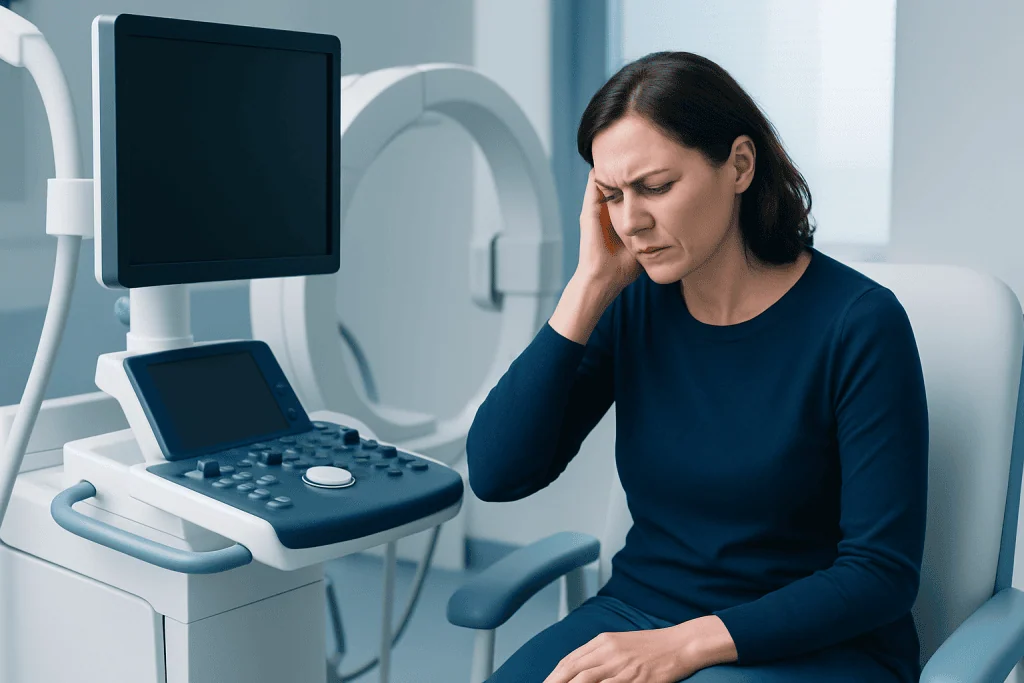
The hallmark symptom of occipital neuralgia is sharp, shooting pain on one or both sides of the back of the head. The pain may come in sudden bursts lasting seconds to minutes, or it may be superimposed on a background of aching, throbbing, or burning discomfort. Some people feel the pain travel from the upper neck toward the scalp, forehead, or behind the eye.
Early on, symptoms may be mistaken for a tension headache or migraine. However, occipital neuralgia often stands out because of its electric or stabbing quality and because the scalp may feel unusually sensitive. Light touch, hair brushing, wearing a hat, or lying back against a headrest can trigger or worsen pain.
Other symptoms can include:
- Tenderness over the nerve path at the base of the skull
- Pain with neck movement
- Scalp tingling or numbness
- Sensitivity to light in some people
- Reduced comfort during prolonged desk work or poor posture
Because symptoms can overlap with other head pain disorders such as migraine, diagnosis should not rely on symptoms alone. A clinician will consider the pattern of pain, neck findings, and whether pressure over the occipital nerves reproduces the symptoms.
What Causes Occipital Neuralgia and Who Is at Risk?

Occipital neuralgia develops when one of the occipital nerves becomes irritated, inflamed, or compressed. In some people, no single clear cause is found. In others, the problem is related to muscle tightness in the neck, previous injury, degenerative changes in the upper cervical spine, or local nerve entrapment where the nerves pass through surrounding tissues.
Common contributing factors include whiplash-type trauma, repetitive neck strain, arthritis in the cervical spine, prolonged forward-head posture, and muscle spasm. Less commonly, tumors, infection, blood vessel abnormalities, or systemic inflammatory conditions may irritate the nerve and require more detailed evaluation.
Risk may be higher in people who spend long periods looking down at screens, have chronic neck pain, have a history of head or neck injury, or have conditions affecting the upper spine. Occipital neuralgia can also coexist with other headache disorders, including chronic headache conditions, which can make symptoms harder to sort out.
Understanding risk factors matters because treatment is often more effective when the underlying driver is addressed. For example, pain related to posture and muscle tension may improve with rehabilitation, while pain linked to structural cervical problems may need broader neurological or spine evaluation.
How It Is Diagnosed
Diagnosis begins with a detailed medical history and physical examination. The doctor will ask where the pain starts, how long it lasts, what it feels like, and whether neck movement, pressure on the scalp, or touch triggers symptoms. They will also look for features that may point toward migraine, cervicogenic headache, shingles, jaw problems, or other causes of head pain.
During the examination, the clinician may gently press over the occipital nerves near the base of the skull to see whether that reproduces the pain. They will assess neck mobility, muscle tightness, posture, and neurological function. This step helps distinguish nerve pain from muscular or joint-based causes.
Imaging is not always needed, but it may be recommended if symptoms are atypical, persistent, or associated with concerning features. MRI or other tests can help evaluate the cervical spine, soft tissues, or brain when another condition is suspected. In some cases, a diagnostic occipital nerve block is used; if temporary numbing of the nerve eases the pain, this supports the diagnosis.
When specialized assessment is needed, evaluation may involve neurologists, pain specialists, or spine experts. A center with advanced neurology care can help clarify difficult cases and guide individualized treatment planning.
Treatment Options
Treatment for occipital neuralgia depends on symptom severity, how long the pain has been present, and whether a correctable cause is identified. Initial care often focuses on reducing nerve irritation and relaxing surrounding muscles. Rest from aggravating activities, heat, gentle stretching, posture correction, and clinician-guided physical therapy may be useful for selected patients.
Doctors may also recommend medications to calm nerve pain or reduce inflammation. These can include nonprescription pain relievers in some cases, prescription medicines for neuropathic pain, or muscle-relaxing strategies when muscle spasm is a major contributor. Medication choices should always be individualized, especially for people with other medical conditions or frequent headaches.
If symptoms continue, an occipital nerve block may help both diagnose and treat the condition by reducing inflammation and interrupting pain signaling. Some patients with persistent pain may benefit from procedures such as targeted injections, radiofrequency-based techniques, or other pain interventions after specialist review. When structural neck disease is involved, management may also overlap with pain management or spine care.
Surgery is uncommon and usually reserved for carefully selected cases that do not improve with less invasive options. In rare situations, nerve decompression or neuromodulation procedures may be considered. If upper cervical pathology is contributing to symptoms, assessment within neurosurgery services may be appropriate.
Prevention and Self-care
Not every case can be prevented, but everyday habits can reduce strain on the upper neck and may lower the chance of symptom flares. Good workstation ergonomics, regular breaks from screen use, and attention to head and shoulder posture can reduce ongoing tension around the occipital nerves. People who notice pain after long periods of sitting may benefit from adjusting monitor height and avoiding prolonged forward-head posture.
Gentle neck mobility exercises and strengthening programs may help when advised by a qualified clinician. Managing stress can also matter, since stress often increases muscle tension in the shoulders and upper neck. Warm compresses, regular sleep, hydration, and a balanced routine may support recovery, particularly if another headache disorder is also present.
Self-care should be approached carefully. Forceful neck manipulation, repeated self-massage over very tender areas, or frequent use of pain medicines without medical advice may worsen symptoms or delay proper diagnosis. If symptoms are recurring, a professional evaluation is safer than relying on self-treatment alone.
Near the end of the care journey, some patients benefit from coordinated specialist support. Acibadem International’s multidisciplinary specialists and JCI-accredited hospitals evaluate and treat occipital neuralgia for international patients when more comprehensive assessment is needed.
When to Seek Medical Care
Medical assessment is important if pain at the back of the head is new, severe, recurrent, or different from previous headaches. A doctor should also evaluate symptoms that interfere with sleep, work, or daily activities, or pain that continues despite rest and basic self-care. Early review can help distinguish occipital neuralgia from migraine, neck disorders, and other neurological conditions.
Urgent care is needed for red-flag symptoms such as sudden “worst headache,” fever, confusion, fainting, weakness, numbness, trouble speaking, vision loss, new head injury, or headache with cancer or immune-system concerns. These symptoms are not typical of straightforward occipital neuralgia and require prompt evaluation.
Patients should also seek care if they have persistent neck pain, scalp numbness, pain spreading into the arm, or symptoms after a car accident or fall. Timely diagnosis helps guide the right treatment and avoids overlooking a more serious underlying problem.
Frequently asked questions
What does occipital neuralgia feel like?
It often feels like sudden stabbing, shooting, or electric-shock-like pain that starts near the base of the skull. Some people also have a constant aching or burning pain between attacks, along with scalp tenderness.
Is occipital neuralgia the same as a migraine?
No. Migraine is a broader neurological headache disorder, while occipital neuralgia is pain caused by irritation of the occipital nerves. However, the two can overlap, and some symptoms may look similar, so medical assessment is useful.
Can occipital neuralgia go away on its own?
In some people, symptoms improve if the trigger is temporary, such as muscle tension or posture-related strain. Others need treatment to calm the nerve and address the underlying cause, especially if symptoms are frequent or severe.
How is occipital neuralgia confirmed?
Doctors usually diagnose it through a history and physical examination, especially if pressing over the occipital nerves reproduces the pain. In some cases, imaging or a diagnostic nerve block is used to support the diagnosis and rule out other problems.
What treatments are commonly used for occipital neuralgia?
Common treatments include activity modification, physical therapy, posture correction, and medicines that reduce nerve pain or inflammation. If needed, a doctor may suggest an occipital nerve block or other targeted procedures.
When should someone worry about pain in the back of the head?
Any new, severe, or unusual head pain should be checked by a doctor, especially if it keeps coming back or affects daily life. Emergency care is important if the pain is sudden and extreme or comes with weakness, confusion, fever, or vision changes.
References
- National Institute of Neurological Disorders and Stroke
- American Association of Neurological Surgeons
- International Headache Society
- National Institute for Health and Care Excellence
- Mayo Clinic
This article is for general information only and is not a substitute for professional medical advice. Please consult a qualified doctor about your individual situation.
Hair transplant in Turkey — costs, graft counts & a free assessment
JCI-accredited · board-certified surgeons · reply within 24h
Add us as a Preferred Source to see more of our trusted health content across Google Search, AI Overviews and Discover.