Ofloxacin Eye Drops: What Patients Need to Know

Ofloxacin eye drops are antibiotics used for bacterial eye infections, not for viral pink eye or allergies. The full prescribed course should usually be completed even if symptoms improve early.
Key Takeaways
- Ofloxacin eye drops are antibiotics used for bacterial eye infections, not for viral pink eye or allergies.
- The full prescribed course should usually be completed even if symptoms improve early.
- Common side effects are mild eye irritation, temporary stinging, or blurred vision right after use.
- Contact lenses are usually avoided during active eye infection unless a doctor advises otherwise.
- Urgent medical care is needed for severe pain, vision changes, worsening redness, or swelling around the eye.
Ofloxacin eye drops are prescription antibiotic drops used to treat certain bacterial eye infections. They work best when used correctly and are not effective for viral, fungal, or allergy-related eye problems.
Overview: what ofloxacin eye drops are and when they are used
Ofloxacin eye drops are a prescription antibiotic medicine used to treat certain bacterial infections of the eye. They may be prescribed for problems such as bacterial conjunctivitis or corneal infections, depending on a person’s symptoms and eye examination. In simple terms, they help stop bacteria from multiplying so the eye can heal.
These drops do not treat every cause of a red or irritated eye. They are not effective for viral infections, such as many cases of common pink eye, and they do not relieve symptoms caused only by allergies, dryness, or chemical irritation. This is one reason an accurate diagnosis matters before treatment begins.
Because the eye is sensitive, it is important to use ofloxacin eye drops exactly as directed by a qualified doctor. Correct timing, clean application, and finishing the prescribed course can all affect how well treatment works. If symptoms are severe or unusual, an eye specialist may also look for related conditions such as conjunctivitis or deeper infection.
Symptoms that may lead to treatment
Doctors may consider ofloxacin eye drops when symptoms suggest a bacterial eye infection. Typical features can include redness, discharge, crusting of the eyelids, irritation, tearing, and a feeling that something is in the eye. Some people notice that one eye becomes affected first and the other eye follows later.
Not every red eye means bacteria are the cause. Viral infections often come with watery discharge, while allergies commonly cause itching in both eyes. Dry eye, contact lens irritation, and inflammation of the eyelid margins can also look similar, so self-diagnosing can be misleading.
More serious infections, especially those involving the cornea, may cause stronger symptoms such as light sensitivity, significant pain, blurred vision, or a visible spot on the clear front surface of the eye. These signs need prompt medical assessment because corneal problems can threaten vision if not treated appropriately.
- Redness and irritation
- Yellow, white, or green discharge
- Eyelids stuck together on waking
- Watering and mild swelling
- Light sensitivity or blurred vision in more severe cases
How ofloxacin eye drops work

Ofloxacin belongs to a group of antibiotics called fluoroquinolones. It works by interfering with bacterial enzymes that are needed for bacteria to grow and reproduce. When the bacteria can no longer multiply effectively, the infection can begin to clear.
Because it targets bacteria, ofloxacin eye drops only help when bacteria are the likely cause of the infection. If symptoms come from a virus, allergies, or inflammation without infection, the drops may not help and could delay the right treatment. That is why doctors consider symptoms, examination findings, and sometimes lab testing before deciding on antibiotics.
Different antibiotic eye drops may be chosen depending on the age of the patient, the type of infection, contact lens use, local resistance patterns, and whether the cornea is involved. In some cases, doctors may combine antibiotic treatment with close follow-up or further eye examination to check that the eye is improving as expected.
How to use ofloxacin eye drops correctly
Good technique helps the medicine reach the eye and lowers the chance of contamination. Before using the drops, hands should be washed thoroughly. The bottle tip should not touch the eye, eyelids, fingers, or any other surface, because this can introduce germs into the bottle.
To apply the drops, the person usually tilts the head back, gently pulls down the lower eyelid, and places the prescribed number of drops into the small pocket. Afterward, closing the eye gently for a minute or two may help keep the medicine in place. Rubbing the eye right away is best avoided.
If more than one eye medicine is being used, spacing them by several minutes can prevent one drop from washing out the other. Ointments are commonly applied after drops if both are prescribed. Contact lenses are usually avoided during an active eye infection unless the prescribing doctor says otherwise.
It is also important not to stop treatment early just because the eye looks better. Symptoms can improve before the infection is fully cleared. Finishing the prescribed course helps reduce the chance that the infection will return or respond less well to treatment later.
Possible side effects, precautions, and interactions
Most people tolerate ofloxacin eye drops well. The most common side effects are mild and temporary, such as brief stinging or burning after the drops are placed, slight irritation, watering, or a short period of blurred vision. These effects often settle quickly.
Less commonly, a person may notice persistent redness, eyelid swelling, itching, or discomfort that seems to worsen rather than improve. This can sometimes happen because of sensitivity to the medicine, the preservative in the drops, or progression of the underlying eye problem. Any marked worsening should be discussed with a doctor.
Although serious allergic reactions are uncommon, urgent medical attention is important if there is trouble breathing, significant facial swelling, severe rash, or sudden worsening around the eyes. People should also tell their doctor about other eye medicines they use, recent eye surgery, pregnancy or breastfeeding, and whether they wear contact lenses, as these factors may influence treatment choices.
Temporary blurred vision can occur right after using any eye drop, so driving or operating machinery should wait until vision becomes clear again. If there is concern about another eye condition, a doctor may recommend specialist review or additional ophthalmology care before continuing treatment.
When to seek medical care
A healthcare professional should assess any eye problem that is severe, lasts longer than expected, or affects vision. Ofloxacin eye drops are not a substitute for urgent eye evaluation when warning signs are present. Prompt treatment is especially important when the cornea may be involved.
Medical care should be sought quickly if there is moderate to severe eye pain, reduced vision, strong light sensitivity, marked swelling, injury to the eye, or a white spot on the cornea. People who wear contact lenses should be especially careful, because contact lens-related infections can become serious more quickly.
It is also sensible to contact a doctor if symptoms are getting worse after treatment has started, if there is no improvement within the time frame the doctor discussed, or if the diagnosis is uncertain. Children, older adults, and people with weakened immune systems may need earlier assessment.
- Seek urgent care for severe pain or sudden vision changes
- Get prompt help for swelling around the eye or trouble opening the eye
- Arrange review if discharge, redness, or irritation is worsening despite treatment
- Ask for advice if the eye was injured or exposed to chemicals
Diagnosis and what doctors may check
Doctors diagnose an eye infection by asking about symptoms, when they began, whether one or both eyes are affected, and whether there has been contact lens use, recent illness, eye trauma, or exposure to someone with pink eye. The type of discharge, degree of redness, and level of pain can offer useful clues.
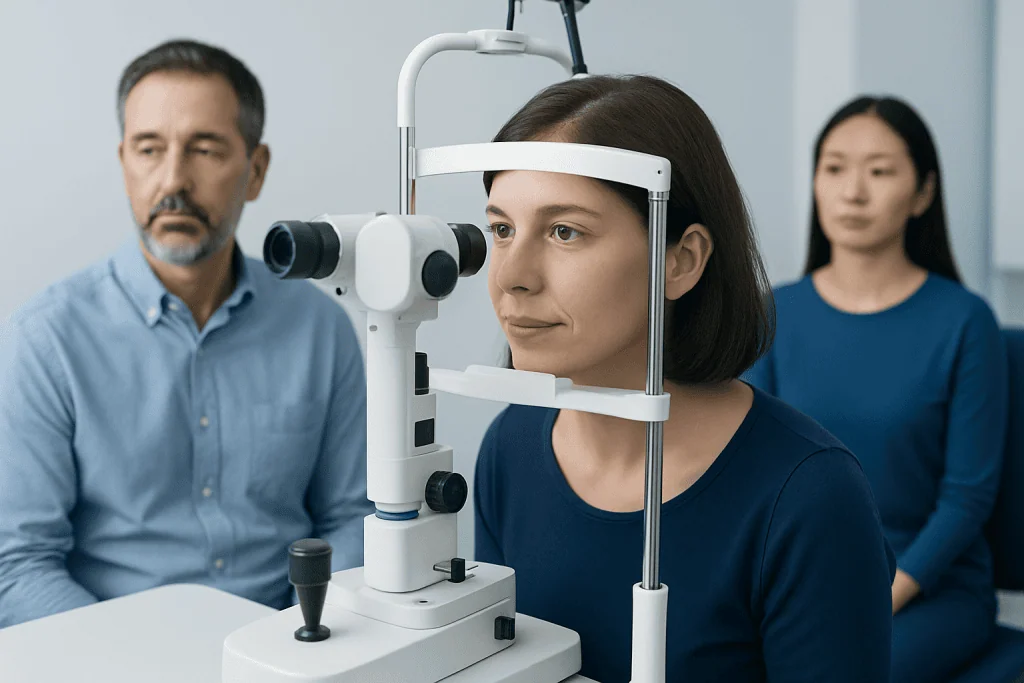
An eye examination can help distinguish bacterial infection from viral, allergic, or inflammatory causes. The doctor may inspect the eyelids, the white of the eye, the cornea, and the pupil response. In more concerning cases, fluorescein dye or a slit-lamp examination may be used to look for corneal damage or ulcers.
Most routine cases do not need complex testing, but cultures or specialist assessment may be considered when infections are severe, recurrent, resistant to treatment, or linked to contact lens wear. If symptoms suggest a deeper problem, doctors may also consider conditions such as keratitis, which often needs prompt, targeted treatment and close follow-up.
Prevention, self-care, and follow-up
Simple hygiene measures can help reduce the spread of eye infections. Hands should be washed often, and towels, pillowcases, eye makeup, and face cloths should not be shared. Any eye makeup used during an infection may need to be replaced afterward, especially if contamination is possible.
For comfort, a clean warm or cool compress may help soothe irritation, depending on what feels better. The eye should not be rubbed, as rubbing can worsen irritation and spread germs. Over-the-counter eye products should only be used if a doctor or pharmacist considers them appropriate alongside treatment.
Contact lens users should follow safe lens care carefully. Lenses, cases, and solutions can harbor germs if not handled properly. Lenses are usually left out until the infection has fully resolved and a doctor says it is safe to wear them again.
If symptoms persist, keep returning, or seem more complex than a simple surface infection, specialist review can be helpful. Near the end of the care pathway, some patients may need further assessment for underlying eye surface disease, tear problems, or eyelid inflammation. Acibadem International’s multidisciplinary specialists and JCI-accredited hospitals evaluate and treat eye conditions for international patients when specialist care is needed.
Frequently asked questions
What are ofloxacin eye drops used for?
Ofloxacin eye drops are used to treat certain bacterial infections of the eye. Doctors may prescribe them for bacterial conjunctivitis or some corneal infections, depending on the examination findings.
Do ofloxacin eye drops work for pink eye?
They can help if pink eye is caused by bacteria. They do not treat viral pink eye or allergy-related eye irritation, which is why a medical assessment can be important when symptoms are unclear.
Can contact lenses be worn while using ofloxacin eye drops?
In many cases, contact lenses should not be worn during an active eye infection. A doctor will usually advise when it is safe to start wearing them again after symptoms have fully improved.
What side effects can ofloxacin eye drops cause?
Common side effects include brief stinging, burning, mild irritation, watering, or temporary blurred vision after application. If pain, swelling, rash, or worsening redness develops, medical advice should be sought.
How long does it take for ofloxacin eye drops to work?
Some people begin to notice improvement within a few days, but the exact timing depends on the type and severity of the infection. The drops should be used for the full prescribed course even if symptoms improve early.
Can ofloxacin eye drops be used for children?
They may be used in children when prescribed by a qualified doctor, depending on the child’s age and the type of infection. Parents should follow the prescribing instructions carefully and seek review if symptoms worsen or do not improve.
This article is for general information only and is not a substitute for professional medical advice. Please consult a qualified doctor about your individual situation.
Explore treatments in Turkey — costs, top hospitals & a free quote
JCI-accredited · board-certified surgeons · reply within 24h
Add us as a Preferred Source to see more of our trusted health content across Google Search, AI Overviews and Discover.

More from the Health Library

Wegovy Savings Card: An Evidence-Based Guide for Patients

Box Jumps: A Complete Medical Overview

Pioglitazone: An Evidence-Based Guide for Patients

Hair Oil for Moisturizing: A Complete Medical Overview

Trypophobia: A Complete Medical Overview