Old Hag: An Evidence-Based Guide for Patients

Old hag syndrome is commonly understood as sleep paralysis, a temporary mismatch between waking awareness and the body’s normal sleep-related muscle relaxation. People may be unable to move or speak for seconds to several minutes while falling asleep or waking up.
Key Takeaways
- Old hag syndrome is commonly understood as sleep paralysis, a temporary mismatch between waking awareness and the body’s normal sleep-related muscle relaxation.
- People may be unable to move or speak for seconds to several minutes while falling asleep or waking up.
- Vivid sensations such as chest pressure, seeing figures, hearing sounds, or feeling a presence can occur during an episode.
- Irregular sleep, sleep deprivation, stress, jet lag, and sleeping on the back may increase the likelihood of episodes.
- Frequent episodes, severe daytime sleepiness, or sudden loss of muscle control should be assessed by a qualified clinician.
Old hag syndrome is a traditional term used to describe sleep paralysis, often accompanied by a frightening sense of pressure, a presence in the room, or vivid dream-like experiences. Although episodes can feel very real and distressing, they are usually brief and are not considered dangerous.
What Does “Old Hag” Mean?
“Old hag” is a folklore-based term for an experience now commonly explained as sleep paralysis. During sleep paralysis, a person becomes mentally aware while the body is still temporarily in the muscle-relaxed state that normally occurs during dreaming sleep. This can make it impossible to move, call out, or fully open the eyes for a short time.
The name comes from stories in several cultures describing a frightening figure sitting or pressing on a sleeping person’s chest. Modern sleep medicine recognizes that sensations of pressure, a presence in the room, or seeing a shadowy figure can happen because dream imagery briefly overlaps with wakefulness. These experiences can feel alarming, but they do not mean that a person is losing touch with reality or experiencing anything supernatural.
Sleep paralysis can happen as an isolated event in otherwise healthy people. It may also occur more often when someone is not sleeping enough, has an irregular sleep routine, experiences high stress, or has another sleep condition. Understanding what is happening can make an episode less frightening and help a person take practical steps to reduce recurrences.
What an Episode May Feel Like
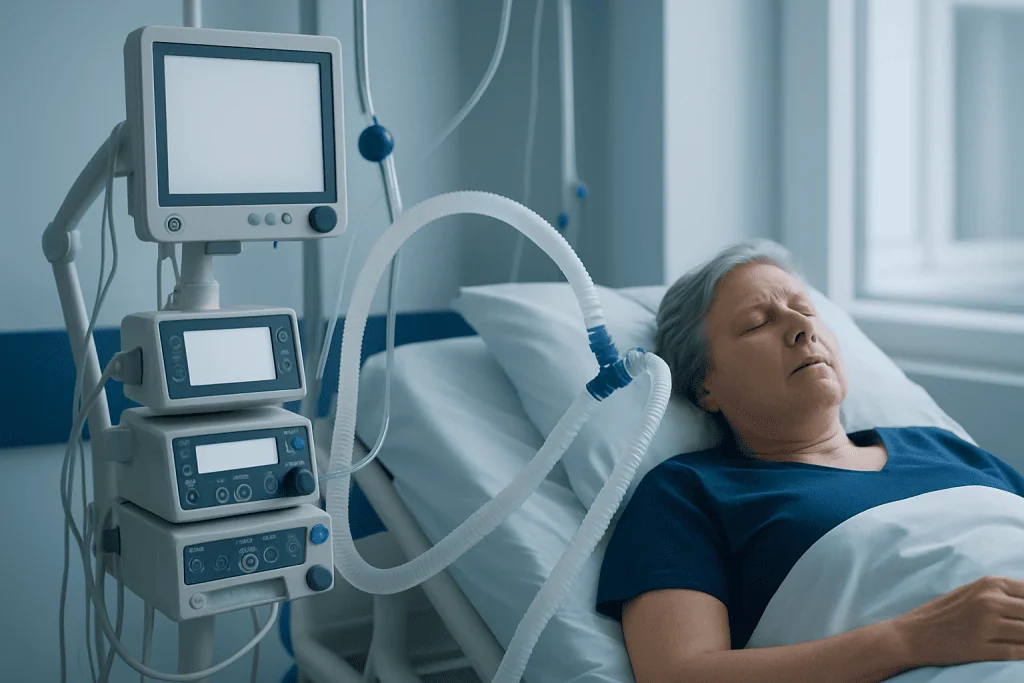
An old hag or sleep paralysis episode usually happens either as a person is falling asleep or just as they are waking. They may be aware of their room and surroundings but unable to move their arms, legs, head, or voice. Breathing continues automatically, although it may feel difficult or shallow because the person is frightened and chest muscles feel restricted.
Some people have no unusual perceptions beyond immobility. Others experience dream-like hallucinations, meaning sensations that seem real but occur during the transition between sleep and wakefulness. These may include hearing footsteps, voices, buzzing, or breathing; seeing a person, animal, shadow, or light; or sensing that someone is nearby.
A feeling of pressure on the chest is particularly associated with the term old hag syndrome. It may feel as though a weight is sitting on the body, even though there is no physical pressure. The episode typically ends on its own within seconds to a few minutes, and normal movement returns completely. A partner touching or speaking to the person may occasionally help them become fully awake sooner.
Why Sleep Paralysis Happens

Sleep paralysis is linked to rapid eye movement, or REM, sleep. During REM sleep, the brain is active and vivid dreaming is common. The nervous system normally reduces most voluntary muscle movement during this stage, a protective process called REM atonia. In sleep paralysis, this muscle relaxation continues briefly after awareness returns, or begins before the person feels fully asleep.
Many factors can make this timing mismatch more likely. Common contributors include too little sleep, an inconsistent sleep schedule, shift work, jet lag, emotional stress, anxiety, and sleeping on the back. Illness, disrupted sleep from noise or caregiving, and certain medicines may also affect sleep patterns. A single episode does not necessarily point to an underlying health problem.
In some people, recurrent sleep paralysis occurs alongside other sleep disorders, particularly narcolepsy. Narcolepsy is a neurological sleep disorder that can cause marked daytime sleepiness and, in some cases, sudden brief episodes of muscle weakness triggered by strong emotions. Sleep paralysis alone does not mean a person has narcolepsy, but related symptoms should be discussed with a doctor.
- Sleep deprivation or frequently changing bedtimes
- Stress, anxiety, or periods of emotional strain
- Sleeping in a face-up position
- Shift work, travel across time zones, or fragmented sleep
- A personal or family tendency toward sleep paralysis
How It Is Diagnosed
Healthcare professionals generally diagnose sleep paralysis from a person’s description of the episodes, sleep schedule, medical history, and other symptoms. A clinician may ask when episodes occur, how often they happen, whether hallucinations are present, how much sleep the person gets, and whether daytime tiredness affects work, driving, school, or daily activities.
It can be helpful to keep a sleep diary for one to two weeks before an appointment. This can include bedtime, wake time, naps, caffeine or alcohol use, medications, episodes of paralysis, and daytime sleepiness. Such information may reveal patterns such as inadequate sleep or an irregular schedule.
Most people with occasional isolated sleep paralysis do not need special testing. However, a doctor may recommend an overnight sleep study or a daytime sleepiness assessment if episodes are frequent, if another sleep disorder is suspected, or if there are symptoms such as loud snoring, pauses in breathing during sleep, unusual movements, or severe daytime sleepiness. Testing helps identify the correct cause and guide appropriate care.
Treatment and Support Options
For occasional old hag episodes, reassurance, education, and improved sleep habits are often the main approach. Knowing that the event is temporary and that breathing will continue can reduce fear. Some people find it useful to focus on slow, steady breathing and try to move a small body part, such as a finger, toe, or eyelid, rather than struggling to move the whole body.
If stress, anxiety, trauma-related symptoms, or worry about sleep are contributing to repeated episodes, a clinician may suggest psychological support. Cognitive behavioral strategies can help address unhelpful thoughts about sleep, reduce anticipatory anxiety, and build more consistent sleep routines. Treatment is individualized and should also consider a person’s emotional wellbeing and daily responsibilities.
When sleep paralysis is linked to another condition, treatment focuses on that condition. For example, managing narcolepsy, insomnia, sleep apnea, or a mental health concern may lessen episodes. A doctor may review medicines and other substances that affect sleep, but people should not stop prescribed medication without medical advice. Medication specifically for sleep paralysis is not needed for most people and is considered only in selected recurrent or disruptive cases.
Prevention and Self-Care
A regular, sufficient sleep pattern is one of the most practical ways to lower the chance of recurrent sleep paralysis. Adults often benefit from keeping similar sleep and wake times every day, including on days off where possible. The right amount of sleep varies, but persistent tiredness is a sign that sleep duration or sleep quality may need attention.
Creating a calmer transition to sleep may also help. This can include reducing bright screens shortly before bed, avoiding large late meals when they interfere with sleep, and limiting caffeine later in the day. Alcohol may make a person feel sleepy initially but can disrupt sleep later in the night, so moderation is sensible. Regular daytime physical activity can support sleep, though vigorous exercise immediately before bed may not suit everyone.
Because episodes are reported more often in people who sleep on their backs, trying a side-sleeping position may be worthwhile. A pillow placed behind the back or between the knees can make this position more comfortable. If an episode occurs, reminding oneself that it will pass, concentrating on breathing, and avoiding panic may make the experience easier to manage.
- Keep a consistent sleep and wake schedule
- Address sleep loss as early as possible
- Use relaxation techniques to manage stress
- Consider side sleeping if episodes occur while lying on the back
- Seek assessment for persistent fatigue, snoring, or disrupted sleep
When to Seek Medical Care
Anyone can speak with a doctor about sleep paralysis if it is distressing, recurrent, or affecting their confidence about going to sleep. Medical advice is particularly important when episodes occur often, lead to major sleep loss, interfere with work or school, or cause significant anxiety. A clinician can help distinguish isolated sleep paralysis from other sleep-related conditions.
Prompt assessment is advisable if sleep paralysis occurs with severe daytime sleepiness, sudden weakness in response to laughter or other strong emotions, frequent unintended sleep episodes, or vivid dream experiences during the day. These features may warrant evaluation for narcolepsy or another sleep disorder. Snoring, gasping, witnessed pauses in breathing, morning headaches, or unrefreshing sleep also deserve medical attention.
Emergency care is not usually needed for a typical brief episode that resolves completely. However, sudden new weakness, facial drooping, trouble speaking after fully waking, chest pain, fainting, or persistent breathing difficulty should not be assumed to be sleep paralysis and require urgent medical evaluation. Acibadem International’s multidisciplinary specialists and JCI-accredited hospitals assess sleep-related concerns for international patients when further evaluation is needed.
Frequently asked questions
Is old hag syndrome real?
The experience is real, but “old hag syndrome” is not a formal medical diagnosis. It is a cultural term commonly used for sleep paralysis, which is a recognized sleep phenomenon involving temporary inability to move during sleep-wake transitions.
Can old hag syndrome harm a person?
Sleep paralysis is usually not physically harmful and normally ends on its own within a few minutes. It can be emotionally upsetting, especially when vivid hallucinations or chest pressure occur, but it does not usually affect breathing or cause lasting physical damage.
Why does old hag syndrome cause chest pressure?
During REM sleep, breathing is automatic and the body’s voluntary muscles are relaxed. When awareness returns before that relaxation has ended, normal breathing may feel restricted, and fear can intensify the sensation of pressure on the chest.
How can someone wake up from sleep paralysis?
The episode will usually resolve without intervention. Focusing on slow breathing and trying to move a small muscle, such as a finger, toe, or eyelid, may help some people feel more in control while waiting for movement to return.
Is old hag syndrome related to stress?
Stress can contribute because it may disrupt sleep quality and make sleep schedules less regular. However, sleep paralysis can also happen without obvious stress, especially during periods of sleep deprivation, travel, or irregular work hours.
When could sleep paralysis indicate narcolepsy?
Sleep paralysis may occur in narcolepsy, but most people with isolated episodes do not have narcolepsy. A doctor should assess symptoms such as overwhelming daytime sleepiness, unplanned sleep episodes, or sudden muscle weakness triggered by emotions.
References
- American Academy of Sleep Medicine
- National Institute of Neurological Disorders and Stroke
- National Health Service
- Mayo Clinic
- Sleep Foundation
This article is for general information only and is not a substitute for professional medical advice. Please consult a qualified doctor about your individual situation.
Explore treatments in Turkey — costs, top hospitals & a free quote
JCI-accredited · board-certified surgeons · reply within 24h
Add us as a Preferred Source to see more of our trusted health content across Google Search, AI Overviews and Discover.

More from the Health Library



Related Specialists

Prof. Dr. Bora Peynircioğlu
Radiology
Assoc. Prof. Dr. Ece Uysal Çine
Neurosurgery
Dr. Sezgi Güllü Erciyestepe
Gynecology & Obstetrics
Assoc. Prof. Dr. Mehmet Sağır
Aesthetic Plastic & Reconstructive Surgery