Omt Osteopathic Manipulative Therapy: Symptoms, Causes, and Treatment Options

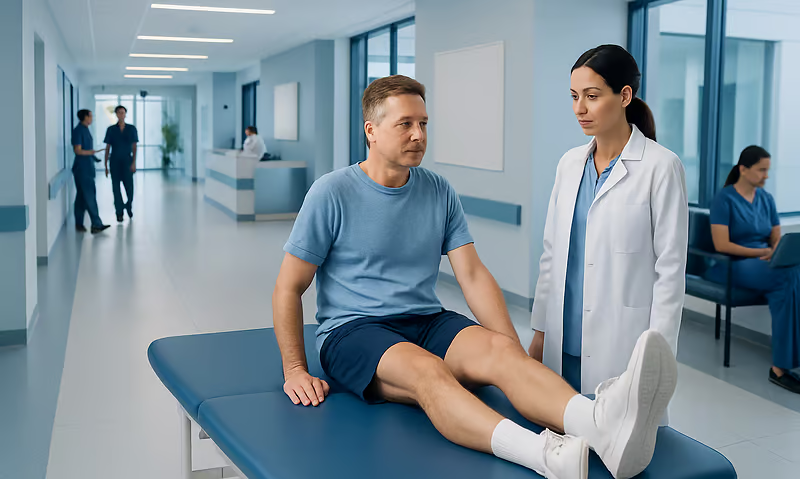
OMT is a physician-delivered hands-on treatment that aims to improve motion, comfort, and physical function. It is most often used for musculoskeletal problems such as back pain, neck pain, joint stiffness, and some headache-related complaints.
Key Takeaways
- OMT is a physician-delivered hands-on treatment that aims to improve motion, comfort, and physical function.
- It is most often used for musculoskeletal problems such as back pain, neck pain, joint stiffness, and some headache-related complaints.
- OMT is not a cure-all and is not suitable for every condition; careful diagnosis comes first.
- Treatment plans are individualized and may combine OMT with exercise, rehabilitation, medication, or other medical care.
- New weakness, numbness, fever, major trauma, chest pain, or loss of bowel or bladder control need urgent medical assessment rather than routine manual treatment.
OMT osteopathic manipulative therapy is a hands-on approach used by doctors of osteopathic medicine to assess and treat restricted movement, muscle tension, and some pain-related conditions. It is usually part of a broader care plan that may also include exercise, medication, physical therapy, imaging, or specialist evaluation when needed.
Overview: what OMT osteopathic manipulative therapy is
OMT osteopathic manipulative therapy is a hands-on medical treatment performed by a doctor of osteopathic medicine to help diagnose and manage problems related to movement, muscles, joints, fascia, and posture. The goal is to improve how the body moves and functions, reduce pain, and support recovery. In practice, OMT may include gentle stretching, resistance techniques, joint mobilization, soft tissue work, and other manual methods chosen according to the patient’s condition.
Rather than focusing only on one painful area, OMT often considers how different parts of the body work together. For example, restricted movement in the pelvis, spine, ribs, or surrounding muscles can affect walking, breathing mechanics, lifting, sleep, and daily comfort. This whole-person perspective is one reason OMT may be included in treatment plans for back pain, neck pain, some sports injuries, and tension-related symptoms.
OMT is not the same as a massage and it is not simply a wellness treatment. It is used within standard medical care after a clinical assessment. Some people benefit from OMT alone for a short-term strain, while others need additional tests or therapies such as physical therapy and rehabilitation to address strength, flexibility, and long-term movement patterns.
When OMT may help and what symptoms it is used for
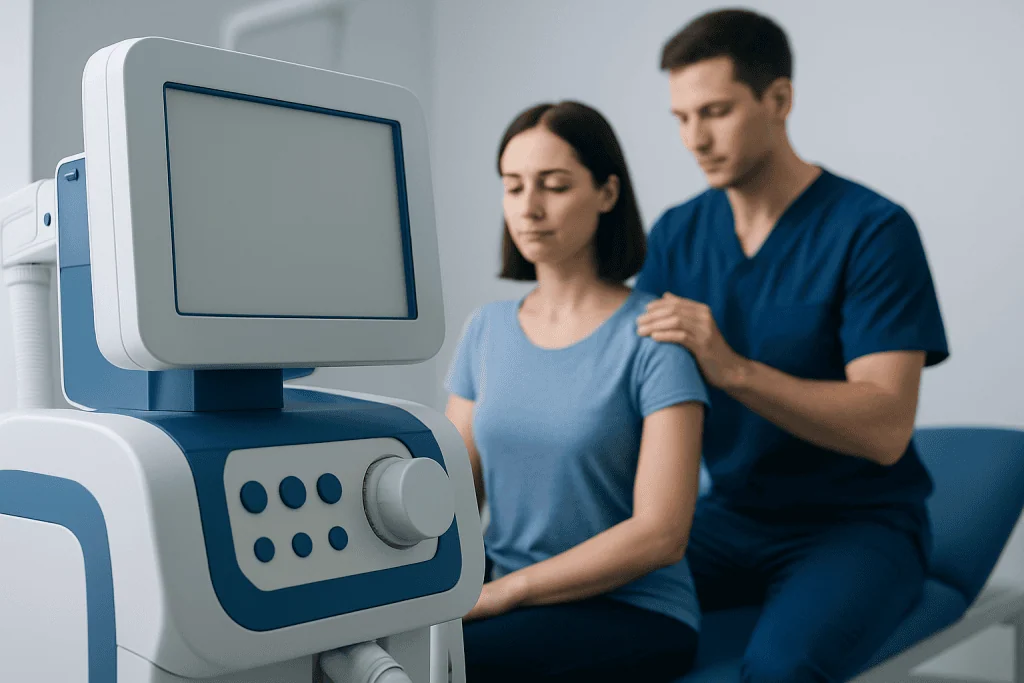
OMT is most commonly used for symptoms linked to the musculoskeletal system. These include low back pain, neck pain, shoulder tightness, joint stiffness, muscle spasm, reduced range of motion, and pain that worsens with posture or activity. It may also be considered for some people with tension-type headaches, rib discomfort, or movement-related chest wall pain after more serious causes have been excluded.
People often seek OMT when they notice persistent aching, sharp pain with certain motions, stiffness after sitting or sleeping, or difficulty bending, lifting, turning the head, or walking comfortably. Some also describe a sense that one side of the body feels tighter or less coordinated than the other.
Symptoms that are sometimes evaluated in a wider osteopathic assessment include:
- Back or neck pain after strain, overuse, or prolonged desk work
- Muscle tightness and limited flexibility
- Joint restriction without obvious fracture or dislocation
- Postural discomfort and imbalance
- Some headaches related to muscle tension or neck mechanics
- Recovery support after certain uncomplicated injuries
It is important to remember that pain can come from many causes. Problems such as nerve compression, inflammatory disease, infection, fracture, or internal organ disease may require different treatment. That is why symptoms should be assessed medically before deciding whether OMT is appropriate.
How OMT works: common techniques and treatment goals
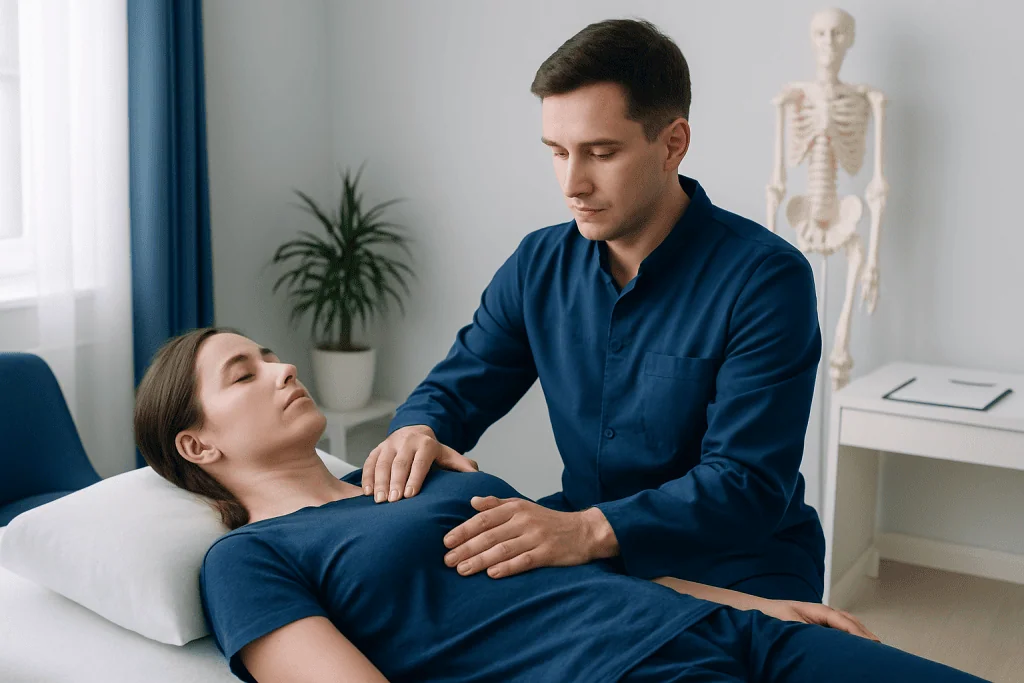
Doctors use OMT to identify areas of restricted motion, tissue tenderness, asymmetry, and altered mechanics. Treatment is then tailored to the person rather than applying the same technique to everyone. A physician may use soft tissue techniques to ease muscle tension, muscle energy techniques that involve gentle patient participation, myofascial release, balanced ligamentous methods, or carefully selected joint techniques.
Different approaches are used for different reasons. Gentle techniques may be preferred for older adults, people with significant pain, or those recovering from illness. More direct techniques may be used in selected patients with clear mechanical restriction and no contraindications. The aim is not simply to create a temporary sensation of release, but to improve function in a way that supports movement, activity, and rehabilitation.
In many cases, OMT works best when combined with self-management. A patient may be advised to improve workstation setup, begin specific stretches, strengthen weak muscle groups, pace activities, or return gradually to sports or exercise. For some conditions, further evaluation with MRI or another imaging method may be needed if symptoms suggest a deeper structural problem.
Causes and risk factors behind symptoms treated with OMT
OMT does not treat a single disease; it is a treatment approach used for symptoms that can arise from several causes. Common reasons include overuse injuries, poor lifting mechanics, long periods of sitting, repetitive strain, sports activity, minor sprains, muscle imbalance, and age-related changes in joints and soft tissues. Stress and poor sleep can also increase muscle tension and heighten pain sensitivity.
Some people are more likely to develop movement-related pain. Risk factors include physically demanding work, weak core or postural muscles, limited flexibility, previous injury, sedentary habits, obesity, and inadequate recovery after exercise. Certain spinal or joint conditions may also contribute to stiffness and recurring pain patterns.
Because symptoms such as low back pain and neck pain are common, OMT may be considered as part of care for conditions like herniated disc or scoliosis, but only when the diagnosis and treatment plan support it. In these situations, manual treatment is not a substitute for full medical evaluation; it is one possible part of management when safe and appropriate.
Diagnosis before treatment: how doctors decide if OMT is appropriate
A safe OMT plan starts with diagnosis, not with the hands-on treatment itself. The doctor usually asks about when symptoms began, what makes them better or worse, any recent injury, prior medical history, work demands, exercise habits, and whether there are warning signs such as numbness, weakness, fever, weight loss, or night pain. A physical examination typically checks posture, movement, muscle tenderness, joint mobility, strength, reflexes, and sensation.
When symptoms are straightforward and mechanical in nature, imaging may not be needed right away. However, X-rays, ultrasound, CT, or advanced imaging may be considered when there has been trauma, persistent pain, suspected nerve involvement, or concern about another underlying condition. Blood tests may be ordered if inflammation or infection is suspected.
Doctors also screen for situations in which OMT should be modified or avoided. These may include fractures, severe osteoporosis, bone infection, active inflammation in certain joints, bleeding disorders, open wounds, severe neurologic deficits, or signs of spinal cord compression. This careful screening helps ensure that treatment is both targeted and safe.
Treatment options: OMT and the broader care plan
For many patients, OMT is one part of a broader, evidence-based treatment strategy. Depending on the diagnosis, the care plan may include activity modification, heat or cold, nonprescription or prescribed medications, supervised exercise, ergonomic changes, and rehabilitation. The right combination depends on the cause of symptoms, their severity, and how long they have been present.
When OMT is used, treatment sessions are usually adjusted to the patient’s comfort, age, and medical history. Some people notice improvement after one session, while others need repeated visits combined with exercise and follow-up assessment. A temporary sense of soreness or fatigue can occur afterward, but severe or worsening pain should be reported to a clinician.
For patients with persistent spine or joint symptoms, referral to specialists may be appropriate. This may include orthopedic evaluation for structural concerns or rehabilitation support for long-term recovery. In more complex cases, multidisciplinary assessment helps decide whether OMT should continue, be modified, or be replaced by another treatment.
Near the end of the care pathway, some international patients may seek coordinated assessment at centers such as Acibadem International, where multidisciplinary specialists and JCI-accredited hospitals evaluate and treat musculoskeletal conditions using standard diagnostic and therapeutic approaches.
Prevention and self-care after OMT
The benefits of OMT are usually strongest when patients also address the habits that contribute to recurring pain. Regular movement during the day, gentle stretching, gradual strengthening, and improved posture can help maintain joint mobility and reduce muscle tension. For desk-based work, short activity breaks and better workstation alignment are often useful.
Sleep position, footwear, lifting technique, and exercise routine may also matter. For example, lifting with support from the hips and legs, warming up before activity, and avoiding sudden increases in training load can help lower the chance of re-injury. For chronic pain, pacing activities is often better than alternating between overexertion and long rest.
Self-care after a treatment session may include drinking enough fluids, taking a short walk, and following any prescribed home exercise program. Patients should ask their doctor which activities are safe to resume and whether any exercises should be delayed for a day or two depending on the technique used and the area treated.
When to seek medical care
Routine medical review is a good idea if pain lasts more than a few weeks, repeatedly returns, limits sleep, or interferes with work, exercise, or daily activities. A clinician can help confirm whether the problem is mechanical and whether OMT is a reasonable option within a broader treatment plan.
Urgent medical care is needed if symptoms follow a major fall or accident, or if there is chest pain, shortness of breath, severe headache, fever, unexplained weight loss, new weakness, numbness, trouble walking, or loss of bowel or bladder control. These symptoms may point to conditions that need prompt diagnosis rather than manual treatment.
Children, older adults, pregnant patients, and people with cancer, osteoporosis, bleeding disorders, or recent surgery should not assume any hands-on therapy is automatically safe. It is best for them to discuss symptoms with a qualified doctor first so the right evaluation and treatment can be chosen.
Frequently asked questions
What does OMT osteopathic manipulative therapy mean?
OMT stands for osteopathic manipulative treatment or therapy, a hands-on method used by doctors of osteopathic medicine. It is designed to assess and improve movement, reduce muscle tension, and support function as part of standard medical care.
Is OMT the same as chiropractic treatment or massage?
No. Although all may involve hands-on techniques, OMT is performed by a physician and is integrated into a full medical assessment and treatment plan. Massage mainly focuses on soft tissue relaxation, while OMT may use a wider range of medically selected techniques based on diagnosis.
What conditions are most often treated with OMT?
OMT is most often used for musculoskeletal problems such as back pain, neck pain, muscle tightness, joint stiffness, and some posture-related symptoms. It may also be used in selected patients with tension-type headaches or rib and chest wall discomfort after serious causes have been ruled out.
Is OMT painful?
Many people find OMT comfortable, though some techniques create a sense of stretching or pressure. Mild soreness can happen afterward, especially when tight tissues have been treated, but severe pain during or after treatment should be reported to the doctor.
How many OMT sessions are usually needed?
The number of sessions varies based on the cause of symptoms, how long they have been present, and whether exercise or rehabilitation is also needed. Some patients improve quickly, while others need a series of visits with reassessment over time.
Who should avoid OMT or get medical advice first?
People with fractures, severe osteoporosis, certain infections, major trauma, progressive neurologic symptoms, or possible spinal cord compression need medical evaluation before any manual therapy. Anyone with complex medical conditions, recent surgery, or cancer should ask their doctor whether OMT is appropriate.
References
- American Osteopathic Association
- National Center for Complementary and Integrative Health
- National Institute for Health and Care Excellence
- American Academy of Family Physicians
- World Health Organization
This article is for general information only and is not a substitute for professional medical advice. Please consult a qualified doctor about your individual situation.
Joint and spine care in Turkey — expert assessment & treatment
JCI-accredited · board-certified surgeons · reply within 24h
Add us as a Preferred Source to see more of our trusted health content across Google Search, AI Overviews and Discover.