One-Lung Surgery: Why It Is Done, Recovery, and Long-Term Outlook

One-lung surgery is usually done for lung cancer, severe lung damage, or other serious conditions affecting one lung. The remaining lung can often adapt over time, but breathlessness and reduced exercise capacity are common during recovery.
Key Takeaways
- One-lung surgery is usually done for lung cancer, severe lung damage, or other serious conditions affecting one lung.
- The remaining lung can often adapt over time, but breathlessness and reduced exercise capacity are common during recovery.
- Treatment planning includes imaging, breathing tests, and heart assessment to confirm that surgery is safe and appropriate.
- Pulmonary rehabilitation, pain control, breathing exercises, and gradual activity are important parts of recovery.
- Long-term outlook depends on the reason for surgery, overall health, and how well the remaining lung functions.
One-lung surgery, also called pneumonectomy, is an operation to remove an entire lung when disease cannot be treated safely with a smaller procedure. Although recovery takes time, many people can return to daily life with careful rehabilitation, symptom monitoring, and regular follow-up.
Overview: What One-Lung Surgery Means
One-lung surgery most often refers to pneumonectomy, a procedure that removes an entire lung. Surgeons consider this operation when disease is limited mainly to one lung but cannot be removed effectively with a smaller operation such as a wedge resection or lobectomy. It is a major procedure, so the decision is made carefully after detailed testing and discussion.
People may need one-lung surgery for several reasons. The most common is lung cancer involving central airways or blood vessels, where preserving enough healthy tissue with a smaller surgery may not be possible. Other reasons can include severe infection, extensive bronchiectasis, major trauma, congenital abnormalities, or permanent damage from conditions such as lung cancer or advanced destructive lung disease in one lung.
Living with one lung is often possible because the remaining lung can expand and work more efficiently over time. Even so, breathing reserve is reduced. Most people notice that strenuous activity becomes harder, while everyday tasks may gradually feel easier as healing progresses and the body adapts.
Why It Is Done and Who May Need It
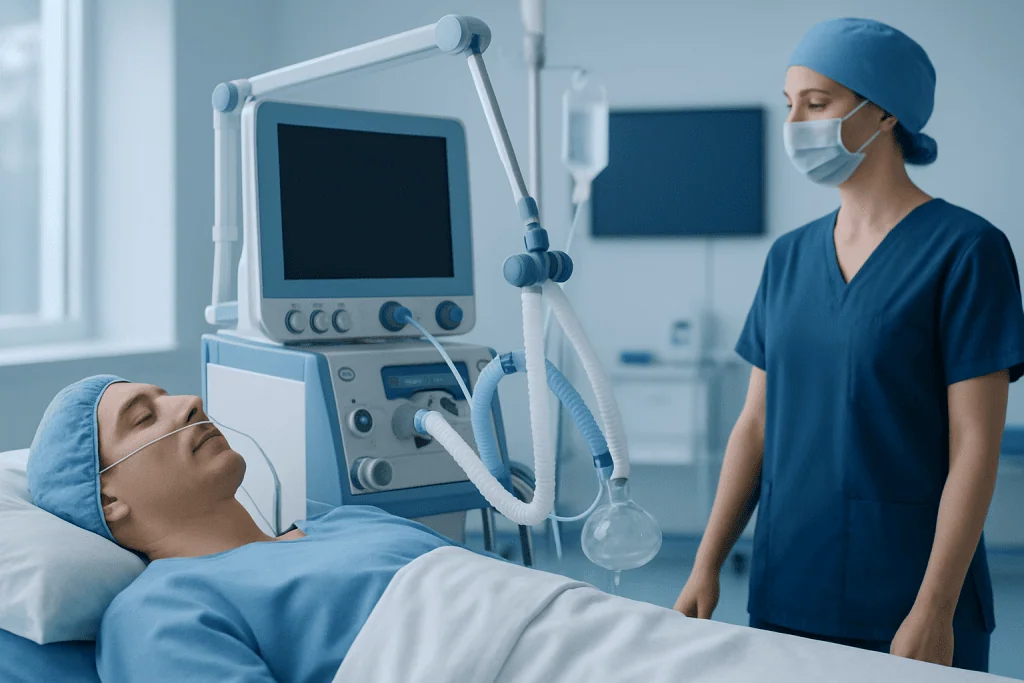
Doctors recommend one-lung surgery only when its expected benefits outweigh the risks. In cancer care, this may mean removing a tumor completely to offer the best chance of long-term control. In non-cancer conditions, the goal may be to remove a severely damaged lung that causes repeated infections, bleeding, or poor function and affects overall health.
A pneumonectomy may be considered when disease is too extensive for more limited lung-sparing surgery such as lobectomy. This can happen if a tumor is close to the main bronchus, reaches major vessels, or involves several lobes. In some cases, doctors also compare pneumonectomy with other specialized approaches such as thoracic surgery techniques that may preserve more tissue when feasible.
Suitability depends on more than the lung problem itself. Doctors look closely at age, heart health, smoking history, fitness level, nutrition, and the condition of the remaining lung. Some people are not good candidates for one-lung surgery because the operation would leave too little breathing reserve or because other medical conditions would make surgery unsafe.
How Doctors Evaluate Before Surgery
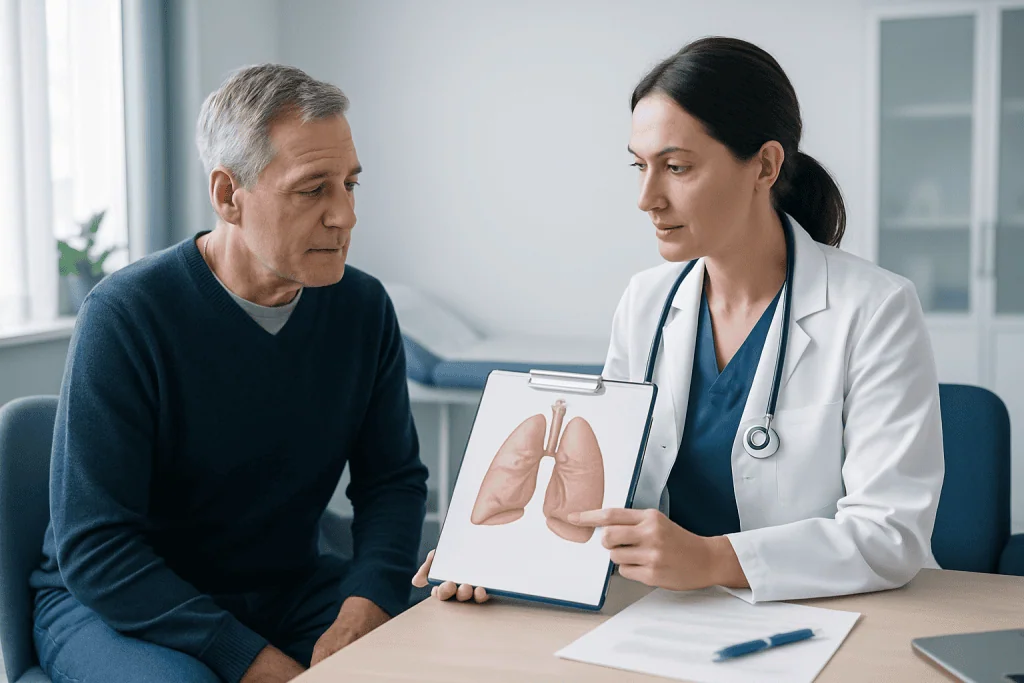
Before one-lung surgery, the care team performs a thorough evaluation to confirm both the diagnosis and the person’s ability to tolerate the procedure. This usually includes chest imaging such as CT scans, and sometimes PET scans or bronchoscopy to see the airways directly. If cancer is suspected, tissue sampling is often needed to guide planning.
Breathing tests are central to the assessment. Pulmonary function tests measure how much air a person can move in and out and how efficiently oxygen passes into the blood. Doctors may also estimate how much function the remaining lung will provide after surgery. Exercise testing can help show how the lungs and heart respond to physical stress.
Heart evaluation is also important because lung surgery places extra demands on the circulation. Blood tests, electrocardiography, and sometimes echocardiography are commonly used. The team also reviews medications, especially blood thinners, and advises on smoking cessation, nutrition, and physical preparation before surgery.
In some situations, doctors may compare surgery with other options such as lung cancer treatment plans that include chemotherapy, radiation therapy, or combined approaches. The goal is to choose the safest and most effective treatment for the individual person, not simply the most extensive operation.
What Happens During the Procedure
One-lung surgery is performed under general anesthesia by a thoracic surgery team. The surgeon removes the diseased lung and closes the main airway stump carefully. Nearby lymph nodes may also be removed or sampled, especially when the reason for surgery is cancer, because this helps define the stage and guide any further treatment.
The operation may be done through a traditional incision between the ribs or, in selected cases, with minimally invasive approaches. However, complete lung removal often requires an open approach because of the complexity of blood vessels and airways involved. The exact technique depends on the underlying disease, anatomy, and the surgeon’s judgment.
After surgery, patients are closely monitored in recovery or an intensive care setting. Pain management, oxygen levels, heart rhythm, fluid balance, and breathing status are watched carefully. Chest tubes may be used for a period after the operation, although management varies depending on the surgical details and healing progress.
Recovery After One-Lung Surgery
Recovery after one-lung surgery happens in stages. The first days focus on safe breathing, pain control, early movement, and prevention of complications such as pneumonia, blood clots, and irregular heartbeat. Patients are encouraged to cough, use an incentive spirometer if advised, and begin gentle walking as soon as it is safe.
Breathlessness is common at first, even with simple activities. This does not always mean something is wrong; it often reflects the body’s adjustment to having one lung and the normal effects of major surgery. Fatigue can also be significant for several weeks. Most people improve gradually rather than all at once.
Pulmonary rehabilitation can be very helpful during recovery. These supervised programs teach breathing techniques, endurance-building exercises, and energy-conservation strategies. They can also reduce anxiety around shortness of breath and help people regain confidence in movement and daily routines.
At home, recovery usually includes wound care, walking regularly, resting between activities, eating enough protein and calories, and avoiding smoking completely. People should follow their surgeon’s advice about lifting, driving, travel, and return to work. If needed, some may also benefit from pulmonary rehabilitation to improve stamina and quality of life.
Risks, Possible Complications, and Long-Term Outlook
Because pneumonectomy is a major procedure, complications can occur despite careful planning. Early risks include bleeding, infection, pneumonia, air leak, respiratory failure, heart rhythm problems such as atrial fibrillation, and blood clots. Doctors monitor for these closely, especially in the first days after surgery.
There are also less common but serious complications specific to this operation, including bronchopleural fistula, where the airway closure does not heal properly, and fluid-related problems in the chest cavity. These conditions require prompt medical attention. For this reason, follow-up visits and symptom reporting are an important part of safe recovery.
Long-term outlook depends largely on why the lung was removed. If surgery was done for cancer, prognosis is linked to the cancer type, stage, lymph node findings, and whether additional treatment is needed. If surgery was done for non-cancer disease, outcome depends more on the health of the remaining lung, heart function, and whether infections or other chronic lung conditions are present.
Many people can live meaningful, active lives with one lung, but they may need to pace themselves more carefully. Endurance may remain lower than before surgery, and some people continue to notice breathlessness with stairs, hills, or intense exercise. With rehabilitation, follow-up care, and healthy lifestyle changes, day-to-day function often improves substantially over time.
Living With One Lung: Self-Care and Follow-Up
Long-term self-care after one-lung surgery centers on protecting the remaining lung. Avoiding tobacco smoke is one of the most important steps. Vaccination against respiratory infections, good hand hygiene, and prompt treatment of chest infections can also help reduce strain on the lung that remains.
Regular activity is encouraged, but it should increase gradually and within a doctor’s guidance. Walking, light cycling, and tailored exercise programs can improve stamina. Breathing exercises may continue to be useful after formal rehabilitation ends. A balanced diet, staying hydrated, and maintaining a healthy weight also support breathing and energy levels.
Follow-up visits help doctors monitor healing, breathing function, and the original disease. Some people need repeat imaging, pulmonary function tests, or oncology review. Any new symptoms should be discussed rather than ignored, especially persistent cough, fever, increasing breathlessness, chest pain, swelling in the legs, or coughing up blood.
For international patients seeking evaluation or recovery support, Acibadem International’s multidisciplinary specialists and JCI-accredited hospitals diagnose and treat complex lung conditions with coordinated surgical and rehabilitation care.
- Do not smoke or vape after surgery.
- Stay active with gradual increases in exercise.
- Attend all scheduled follow-up appointments.
- Ask about rehabilitation if daily activities remain difficult.
- Seek medical advice early for signs of infection or worsening breathing.
When to See a Doctor Urgently
It is important to contact a doctor promptly if symptoms change during recovery or later on. Warning signs include fever, increasing cough with mucus, redness or drainage from the wound, worsening chest pain, or shortness of breath that is clearly more severe than usual. These symptoms do not always mean a serious complication, but they should be assessed.
Urgent medical attention is needed for sudden severe breathlessness, bluish lips, fainting, confusion, heavy bleeding, or coughing up a significant amount of blood. These can signal problems such as blood clots, infection, heart rhythm disturbances, or respiratory distress and should not be ignored.
People who have had one-lung surgery should also mention the operation when seeing other healthcare professionals in the future. This helps guide anesthesia planning, imaging interpretation, exercise advice, and treatment choices if new medical issues arise.
Frequently asked questions
Can a person live a normal life with one lung?
Many people can live well with one lung, especially if the remaining lung is healthy. Daily activities often become easier over time, although strenuous exercise may remain more difficult than before surgery.
How long does recovery after one-lung surgery usually take?
Initial hospital recovery often takes days to about one to two weeks, depending on the reason for surgery and any complications. Full recovery is slower and may take several weeks to months as breathing, strength, and stamina gradually improve.
Why would doctors remove a whole lung instead of only part of it?
Doctors consider removing an entire lung when the disease is too extensive or too close to major airways or blood vessels for a smaller surgery to be safe or effective. The goal is to treat the condition as completely as possible while keeping the person safe.
Will breathing always feel difficult after pneumonectomy?
Shortness of breath is common after pneumonectomy, particularly during the early recovery period and with exertion. Many people improve with time, breathing exercises, and rehabilitation, but some level of reduced exercise capacity may remain.
What are the main risks of one-lung surgery?
The main risks include infection, bleeding, pneumonia, heart rhythm problems, blood clots, and breathing complications. Because it is a major operation, careful pre-surgery testing and close follow-up are important.
Can someone travel after one-lung surgery?
Travel may be possible after recovery, but it should be discussed with the treating doctor first. The timing depends on healing, oxygen needs, activity tolerance, and whether any recent complications have occurred.
References
- American Thoracic Society
- National Heart, Lung, and Blood Institute
- National Cancer Institute
- European Respiratory Society
- Society of Thoracic Surgeons
This article is for general information only and is not a substitute for professional medical advice. Please consult a qualified doctor about your individual situation.
Explore treatments in Turkey — costs, top hospitals & a free quote
JCI-accredited · board-certified surgeons · reply within 24h
Add us as a Preferred Source to see more of our trusted health content across Google Search, AI Overviews and Discover.