Oophorectomy: When Ovary Removal Is Recommended and What to Expect

Oophorectomy can involve removal of one ovary or both, depending on the reason for surgery. Common reasons include ovarian cysts or masses, endometriosis, ovarian cancer, torsion, or inherited cancer risk.
Key Takeaways
- Oophorectomy can involve removal of one ovary or both, depending on the reason for surgery.
- Common reasons include ovarian cysts or masses, endometriosis, ovarian cancer, torsion, or inherited cancer risk.
- The procedure may be performed with minimally invasive techniques or through open surgery, based on the patient’s condition.
- Removing both ovaries before natural menopause causes immediate menopause and may affect fertility, bone health, and heart health.
- Recovery, follow-up, and long-term care depend on age, surgical approach, and whether one or both ovaries are removed.
Oophorectomy is an operation to remove one ovary or both ovaries. It may be recommended to treat ovarian disease, severe endometriosis, large cysts, or to reduce cancer risk in people with certain inherited conditions.
Overview
Oophorectomy is surgery to remove an ovary. When one ovary is removed, it is called a unilateral oophorectomy. When both ovaries are removed, it is called a bilateral oophorectomy. The ovaries are small organs in the pelvis that store eggs and produce hormones such as estrogen and progesterone.
This operation may be performed as a planned treatment for a known condition or as an urgent procedure, for example if an ovary twists and loses blood supply. In some cases, oophorectomy is done together with other procedures, such as removal of the fallopian tubes or the uterus. The exact plan depends on the diagnosis, the patient’s age, symptoms, fertility goals, and overall health.
For many people, the main questions are why the surgery is needed, whether both ovaries must be removed, and how life may change afterward. These are important discussions because the ovaries play a major role in reproduction and hormone balance, especially before menopause. A gynecologist or gynecologic oncologist can explain the expected benefits and the possible short- and long-term effects.
When ovary removal is recommended
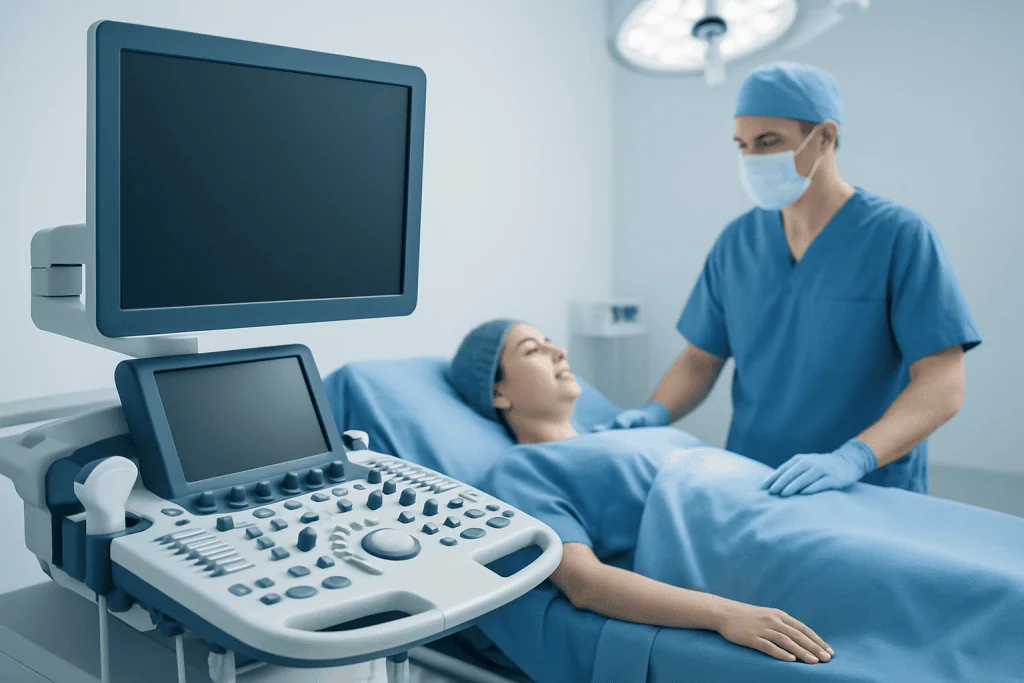
Doctors may recommend oophorectomy for several different reasons. Sometimes it is the safest way to remove diseased tissue, relieve symptoms, or prevent serious complications. In other situations, it is chosen to reduce future cancer risk in someone with a strong inherited risk.
Conditions that may lead to ovary removal include suspicious or complex ovarian masses, confirmed ovarian cancer, severe endometriosis, repeated or very large ovarian cysts, tubo-ovarian abscess, or ovarian torsion. If a mass looks concerning on imaging or blood tests, the surgical team may advise removal so the tissue can be examined closely. In cancer care, oophorectomy may be part of a broader operation planned by specialists in ovarian cancer.
Risk-reducing surgery may also be considered for people with certain inherited gene changes, such as BRCA1 or BRCA2, after careful counseling. In these cases, the goal is prevention rather than treatment of an existing problem. Doctors weigh the expected benefit against the effects of losing ovarian hormone production, especially in younger patients.
- To treat an ovarian cyst or mass that is large, persistent, or suspicious
- To manage severe endometriosis affecting the ovaries
- To treat ovarian torsion or infection when the ovary cannot be preserved
- As part of surgery for ovarian or other gynecologic cancers
- To lower inherited ovarian cancer risk
Symptoms and conditions that may lead to surgery
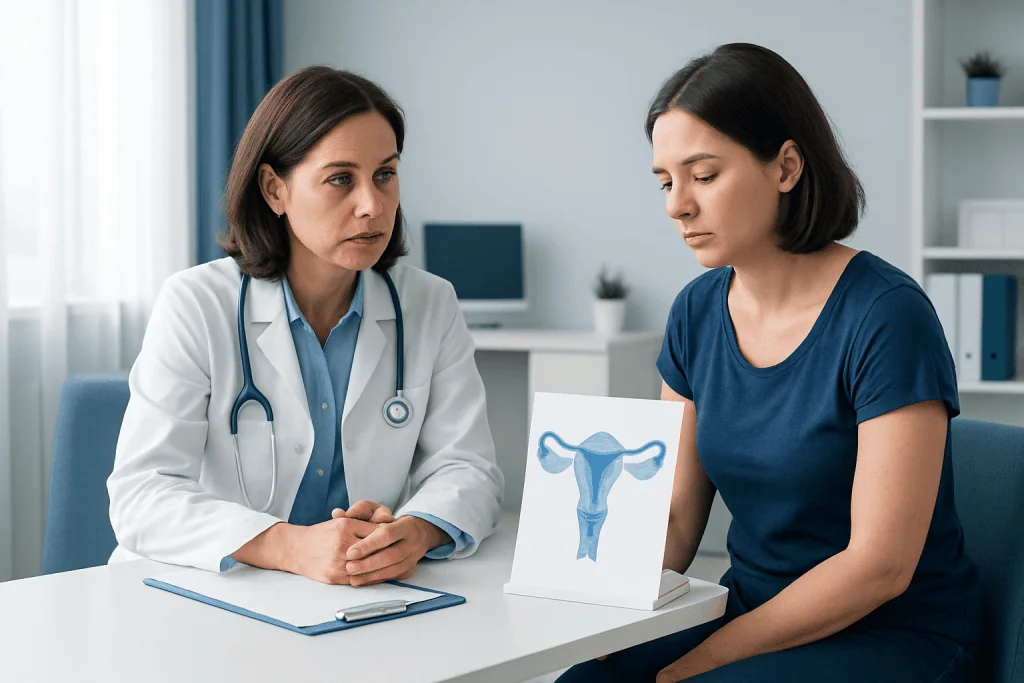
Not everyone who needs oophorectomy has obvious symptoms. Some ovarian conditions are found during a routine pelvic exam or imaging test for another reason. Others cause noticeable problems that prompt medical evaluation.
Symptoms can include pelvic pain, bloating, a feeling of pressure, irregular bleeding, pain during sex, or sudden severe lower abdominal pain. Ovarian torsion often causes sudden, one-sided pain with nausea or vomiting and needs urgent care. Persistent symptoms do not always mean surgery is necessary, but they do deserve proper assessment.
When doctors evaluate an ovarian problem, they often consider whether the ovary can be preserved. In many situations, cyst removal alone may be possible. However, if the ovary is badly damaged, the blood supply is lost, the mass is suspicious for cancer, or symptoms keep returning, removing the ovary may be the safer option.
How doctors diagnose the problem and plan surgery
Diagnosis usually starts with a medical history, symptom review, and pelvic examination. The doctor will ask about pain, menstrual history, past surgeries, family history of ovarian or breast cancer, and whether future pregnancy is desired. These details help shape the safest and most appropriate treatment plan.
Imaging tests are often the next step. Pelvic ultrasound is commonly used to look at the ovaries and identify cysts, solid masses, or signs of torsion. In some cases, MRI or CT scanning may be used for more detail. Blood tests may also be ordered, including tests related to anemia, infection, pregnancy, or tumor markers when a mass is present.
If cancer risk is a concern, the care team may recommend genetic counseling and additional specialist evaluation. Surgical planning also includes deciding whether the operation can be done through minimally invasive laparoscopic surgery or whether an open approach is safer. Factors such as the size of the mass, suspected cancer, scar tissue from prior surgery, and urgent complications all influence that decision.
What happens during an oophorectomy
Oophorectomy is usually performed under general anesthesia. The surgeon removes one ovary or both ovaries, and sometimes the fallopian tubes at the same time. In many patients, this can be done with minimally invasive techniques using small incisions, a camera, and fine instruments. In more complex situations, an open abdominal incision may be needed.
A laparoscopic approach often means less pain after surgery and a faster return to daily activities. Open surgery may be recommended if there is a large mass, extensive endometriosis, internal bleeding, or a strong suspicion of cancer. If cancer is suspected, the surgeon may take extra steps during the operation to avoid spilling abnormal tissue and to assess nearby structures.
Some patients have oophorectomy as part of a larger operation, such as hysterectomy or cancer surgery. The surgeon explains beforehand what tissue may need to be removed, what the possible findings are, and whether the plan could change depending on what is seen during the procedure. This discussion helps patients prepare for both the medical and emotional aspects of surgery.
Recovery and possible long-term effects
Recovery varies depending on the type of surgery and the patient’s general health. After minimally invasive surgery, many people go home the same day or after a short stay. Open surgery usually requires a longer hospital stay and a slower recovery. It is common to have some pain, fatigue, and temporary activity restrictions while healing.
If only one ovary is removed and the other ovary is healthy, hormone production and fertility may continue. If both ovaries are removed before natural menopause, menopause starts right away. This can lead to hot flashes, night sweats, vaginal dryness, sleep changes, mood changes, and reduced fertility. The care team may discuss options for symptom relief and, in some cases, hormone replacement therapy if it is appropriate and safe.
Long-term health after bilateral oophorectomy may require attention to bone health, heart health, and sexual wellbeing. Doctors may recommend follow-up care focused on calcium and vitamin D intake, weight-bearing exercise, cardiovascular risk reduction, and management of menopausal symptoms. Emotional adjustment is also important, especially for people who are coping with fertility loss or cancer-related treatment.
Prevention, self-care, and questions to ask the doctor
Not all causes of oophorectomy can be prevented, but regular gynecologic care can help detect problems early. People with a strong family history of ovarian or breast cancer may benefit from genetic counseling to better understand their personal risk. Early evaluation of persistent pelvic symptoms can also help guide treatment before complications develop.
Before surgery, patients may find it helpful to ask whether the ovary can be preserved, whether one or both ovaries need to be removed, and how the operation may affect fertility or menopause. Questions about surgical approach, recovery time, pain control, pathology results, and follow-up are also important. Clear information can make the process feel more manageable and less uncertain.
After surgery, self-care usually includes following wound care instructions, gradually increasing activity, avoiding heavy lifting for the recommended period, and attending follow-up visits. Patients should also report severe pain, heavy bleeding, fever, redness around the incision, shortness of breath, or symptoms that are getting worse rather than better. For international patients, Acibadem International’s multidisciplinary specialists in JCI-accredited hospitals diagnose and treat gynecologic conditions and provide coordinated care before and after surgery.
When to see a doctor
A person should see a doctor if they have persistent pelvic pain, abdominal bloating, a sense of pelvic pressure, menstrual changes, or pain during sex. These symptoms have many possible causes, but they should not be ignored if they continue or interfere with daily life. A medical assessment can help identify whether the ovary is involved and what treatment is appropriate.
Urgent medical care is needed for sudden severe pelvic or lower abdominal pain, especially if it comes with nausea, vomiting, fever, dizziness, or fainting. These symptoms can occur with ovarian torsion, rupture, or serious infection. Prompt treatment may protect health and, in some cases, improve the chance of preserving the ovary.
Patients who have already had oophorectomy should contact their care team if they develop signs of infection, worsening pain, leg swelling, chest pain, shortness of breath, or concerns related to menopausal symptoms. Ongoing follow-up is especially important after surgery for cancer, inherited cancer risk, or complex gynecologic disease.
Frequently asked questions
Is oophorectomy the same as hysterectomy?
No. Oophorectomy removes one or both ovaries, while hysterectomy removes the uterus. Some patients have both procedures during the same operation, but they are different surgeries.
Can a person get pregnant after one ovary is removed?
Yes, pregnancy may still be possible if the remaining ovary is healthy and the reproductive system is otherwise functioning normally. Fertility depends on age, ovarian reserve, and any other gynecologic conditions present.
What happens if both ovaries are removed?
If both ovaries are removed before natural menopause, the body enters menopause immediately because estrogen and progesterone levels drop quickly. This can cause menopausal symptoms and may affect fertility, bone health, and cardiovascular health over time.
How long does recovery from oophorectomy take?
Recovery depends on whether the surgery is laparoscopic or open and whether other procedures were done at the same time. Many people recover more quickly after minimally invasive surgery, while open surgery usually requires more time and a longer period of restricted activity.
Does ovary removal always mean cancer?
No. Many oophorectomies are performed for noncancerous reasons such as endometriosis, torsion, cysts, or infection. Surgery may also be done to reduce future cancer risk in people with inherited genetic risk.
Will menopause symptoms always happen after oophorectomy?
Menopause symptoms are most likely when both ovaries are removed before natural menopause. If only one ovary is removed, the remaining ovary often continues to make hormones, so menopause may not happen right away.
References
- American College of Obstetricians and Gynecologists
- National Cancer Institute
- National Health Service
- Mayo Clinic
- World Health Organization
This article is for general information only and is not a substitute for professional medical advice. Please consult a qualified doctor about your individual situation.
Oncology care in Turkey — second opinion and treatment plan
JCI-accredited · board-certified surgeons · reply within 24h
Add us as a Preferred Source to see more of our trusted health content across Google Search, AI Overviews and Discover.

More from the Health Library



Related Specialists

Dt. Ferah Kuybulu
Oral & Dental Health
Assoc. Prof. Dr. Alper Eken
Urology
Prof. Dr. Metin Keskin
General Surgery
Dr. Sevim Buzkan Ertuğrul
Acibadem Life Clinical Service