Optic Nerve: An Evidence-Based Guide for Patients

The optic nerve is essential for sending visual signals from the retina to the brain. Optic nerve disorders may cause blurred vision, reduced color vision, eye pain, or partial vision loss.
Key Takeaways
- The optic nerve is essential for sending visual signals from the retina to the brain.
- Optic nerve disorders may cause blurred vision, reduced color vision, eye pain, or partial vision loss.
- Common causes include inflammation, glaucoma, reduced blood flow, compression, injury, and some neurological diseases.
- Prompt medical evaluation is important for sudden vision changes, eye pain with vision loss, or one-sided visual symptoms.
- Treatment depends on the cause and may involve medications, pressure-lowering care, surgery, or monitoring.
The optic nerve carries visual information from the eye to the brain, so problems affecting it can lead to blurred vision, color changes, blind spots, or vision loss. Understanding how the optic nerve works, what can damage it, and when to seek medical care can help patients get timely evaluation and protect vision.
Overview: what the optic nerve is and why it matters
The optic nerve is the connection between the eye and the brain. It carries electrical signals from the retina, the light-sensitive layer at the back of the eye, so the brain can interpret shapes, color, brightness, and movement. Although people often think of vision as something the eyes do alone, clear sight depends on the health of the entire visual pathway, and the optic nerve is a central part of that system.
Each eye has one optic nerve made up of more than a million nerve fibers. These fibers gather at the optic disc inside the eye and travel toward the brain, where visual information is processed. Because the optic nerve is part of the central nervous system, diseases that affect the brain, immune system, blood supply, or pressure inside the eye can also affect vision.
Optic nerve conditions are not all the same. Some develop suddenly, such as inflammation of the nerve. Others progress slowly over time, such as damage related to increased eye pressure. The symptoms, urgency, and treatment can differ widely depending on the underlying cause, which is why a careful eye and neurological evaluation is often needed.
How optic nerve problems can affect vision
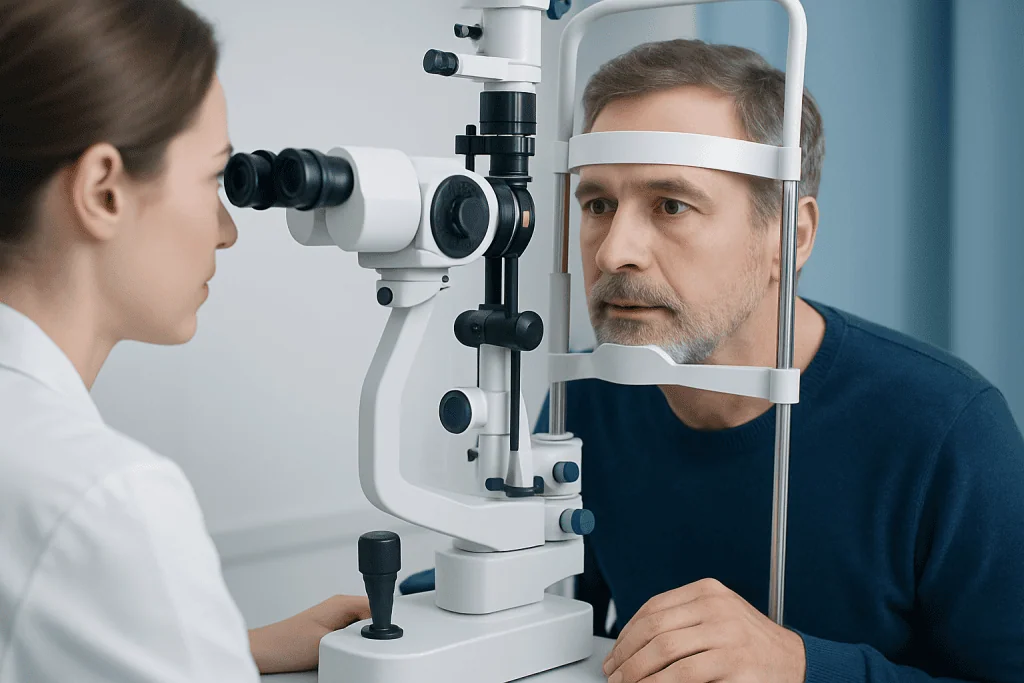
When the optic nerve is not working normally, the brain receives incomplete or distorted information from the eye. This can cause blurry vision, dimming of vision, reduced contrast, loss of part of the visual field, or difficulty seeing colors clearly. Some people describe the affected eye as looking through a gray film or a dark shadow.
Color vision is often especially sensitive to optic nerve disease. Red colors may appear duller or less vivid in one eye. In some conditions, central vision is affected first, making reading or recognizing faces more difficult. In others, side vision changes occur gradually and may not be noticed right away.
Optic nerve disorders can affect one eye or both eyes. Sometimes symptoms appear suddenly over hours or days, while in other cases they build up slowly over months or years. The pace of change can give important clues about the cause, but any new or unexplained vision change deserves professional assessment.
Symptoms and warning signs

Symptoms of optic nerve disease vary by condition, but several patterns are common. Some people have painless vision loss, while others have discomfort, especially with eye movement. Vision changes may involve clarity, brightness, color, or the size of the visible field.
Common symptoms can include:
- Blurred or dim vision in one or both eyes
- Reduced color vision, especially colors appearing washed out
- Pain behind the eye or pain with eye movement
- Blind spots or missing areas in the visual field
- Trouble seeing in low light
- Sudden or progressive vision loss
- A relative difference in brightness between the two eyes
Some optic nerve conditions are found during an eye exam before major symptoms appear. This can happen in chronic pressure-related damage such as glaucoma, where side vision may narrow slowly at first. Because early changes can be subtle, routine eye examinations remain an important part of protecting long-term vision.
Causes and risk factors
Optic nerve damage can happen for many reasons. Inflammatory conditions include optic neuritis, in which the nerve becomes inflamed and vision often worsens over a short period. This may occur on its own or in association with immune-mediated neurological disorders. Other causes include reduced blood flow to the nerve, infections, nutritional deficiencies, toxin exposure, trauma, and inherited conditions.
One of the most common chronic causes is increased pressure inside the eye, which can gradually injure the optic nerve over time. Pressure-related optic nerve damage is a key feature of glaucoma. In other people, the problem is not pressure but compression of the nerve by nearby structures, such as tumors, swelling, or abnormalities in the orbit or brain.
Risk factors depend on the specific disease. They may include older age, vascular conditions such as diabetes or high blood pressure, smoking, autoimmune disease, family history of eye disease, severe eye injury, and certain medications or toxins. In some situations, the optic nerve is affected as part of broader neurological disease, so doctors may also consider the brain and spinal cord during evaluation.
Because causes are diverse, optic nerve symptoms should not be self-diagnosed. The same complaint, such as blurred vision, can come from the cornea, lens, retina, or brain as well as the optic nerve. A structured exam helps determine where the problem is located and how urgent it may be.
How doctors diagnose optic nerve disorders
Diagnosis usually begins with a detailed medical history and eye examination. Doctors ask when symptoms started, whether one or both eyes are involved, whether pain is present, and whether there are related symptoms such as headache, weakness, numbness, or recent infection. The exam may include visual acuity, color vision testing, pupil reactions, visual field assessment, and inspection of the optic disc.
Imaging and specialized tests are often used to confirm the cause. These may include optical coherence tomography to measure retinal nerve fiber thickness, formal visual field testing, blood tests, and magnetic resonance imaging of the orbits or brain when inflammation, compression, or neurological disease is suspected. Depending on the situation, the care team may involve ophthalmology, neuro-ophthalmology, and neurology specialists.
Some patients may also need assessment of eye pressure and drainage angle, especially when pressure-related injury is possible. In selected cases, the doctor may recommend advanced eye check-up services or MRI to evaluate the visual pathway more fully. The goal is not only to identify damage but to find the reason behind it, because treatment depends on the underlying cause.
Treatment options and what recovery may involve
Treatment for an optic nerve problem is directed at the cause rather than the symptom alone. In inflammatory optic neuritis, doctors may use corticosteroid-based treatment in selected cases. If increased eye pressure is damaging the nerve, treatment may focus on lowering pressure with eye drops, laser procedures, or surgery. When reduced blood flow, infection, nutritional deficiency, or toxin exposure is involved, management targets that specific issue.
Compression of the optic nerve may require urgent treatment to relieve pressure on the nerve and preserve vision. Depending on the source, this can involve medical therapy, surgery, or treatment of a neighboring sinus, orbital, or brain condition. If a patient has chronic pressure-related damage, glaucoma treatment may help slow further loss, although vision already lost may not always return.
Recovery varies. Some patients with inflammation improve substantially over weeks to months, while others have lingering deficits in color vision, contrast sensitivity, or sharpness of vision. Chronic optic nerve damage may be managed rather than reversed, making early diagnosis especially important.
Visual rehabilitation can also be helpful for people with lasting vision changes. Magnification tools, lighting adjustments, and structured follow-up can support daily function. Near the end of a treatment pathway, some patients may benefit from coordinated care across specialties; Acibadem International’s multidisciplinary specialists and JCI-accredited hospitals diagnose and treat optic nerve disorders for international patients.
Self-care, prevention, and protecting optic nerve health
Not all optic nerve disorders can be prevented, but some practical steps may reduce risk or help detect problems earlier. Regular eye exams are important, especially for people with a family history of glaucoma, diabetes, high blood pressure, or age-related vascular disease. A routine exam may detect changes before a person notices clear symptoms.
General health habits also matter because the optic nerve depends on healthy blood flow and nervous system function. Patients are often advised to manage blood pressure, blood sugar, and cholesterol, avoid smoking, follow medication instructions carefully, and discuss any unusual side effects with a clinician. Eye injuries should be prevented when possible by using protective eyewear during sports, home repairs, or certain jobs.
People should not ignore gradual vision changes or assume they are only due to aging. Prompt follow-up is especially important if there is a difference between the two eyes, color vision changes, or a shadow in the visual field. Self-care supports eye health, but it does not replace formal evaluation when optic nerve disease is possible.
When to seek medical care
Medical care should be sought promptly for sudden vision loss, rapid worsening of vision, severe eye pain, pain with eye movement, or a new dark area in the field of vision. These symptoms can suggest an urgent optic nerve or retinal problem and should not be watched at home for long periods. The same is true if one eye suddenly sees colors much less vividly than the other.
Urgent evaluation is also important when vision changes come with headache, weakness, numbness, trouble speaking, double vision, or other neurological symptoms. These combinations may point to a broader condition involving the brain or blood vessels. In emergencies, immediate medical attention is the safest approach.
Even non-urgent but persistent symptoms deserve an appointment. Ongoing blurred vision, unexplained loss of side vision, or a gradual decline in sight should be assessed by an eye specialist. Early diagnosis can make a meaningful difference in preventing further optic nerve damage.
Frequently asked questions
What does the optic nerve do?
The optic nerve sends visual information from the retina to the brain. Without it, the eye may detect light, but the brain cannot properly interpret what is being seen.
Can optic nerve damage heal on its own?
Some optic nerve conditions, especially certain inflammatory ones, can improve with time or treatment. However, many forms of optic nerve damage are not fully reversible, so early diagnosis is important.
Is optic neuritis the same as glaucoma?
No. Optic neuritis is inflammation of the optic nerve, while glaucoma usually refers to progressive optic nerve damage often related to increased pressure inside the eye. Both can affect vision, but they have different causes and treatments.
What are early signs of optic nerve problems?
Early signs may include blurred vision, faded colors, dimness in one eye, pain with eye movement, or subtle loss of side vision. Some people do not notice symptoms at first and changes are found during a routine eye exam.
Which tests are used to check the optic nerve?
Doctors may use a dilated eye exam, color vision testing, visual field testing, optical coherence tomography, and measurement of eye pressure. In some cases, MRI or blood tests are also needed to look for inflammation, compression, or neurological disease.
When is vision loss from an optic nerve problem an emergency?
Sudden vision loss, rapid worsening, severe eye pain, or vision changes with neurological symptoms should be treated as urgent. Immediate medical assessment can help identify the cause and may improve the chance of protecting vision.
References
- American Academy of Ophthalmology
- National Eye Institute
- American Association for Pediatric Ophthalmology and Strabismus
- National Institute of Neurological Disorders and Stroke
- Mayo Clinic
This article is for general information only and is not a substitute for professional medical advice. Please consult a qualified doctor about your individual situation.
Explore treatments in Turkey — costs, top hospitals & a free quote
JCI-accredited · board-certified surgeons · reply within 24h
Add us as a Preferred Source to see more of our trusted health content across Google Search, AI Overviews and Discover.
Check your numbers in seconds
BMI, calories, due date, blood pressure and 30+ more clinical calculators — free, instant, doctor-reviewed ranges.

More from the Health Library

Exposed Roots Teeth — Explained by Medical Evidence, Not Myths

Rotigotine: What Patients Need to Know

Cyst Inside the Stomach: A Complete Medical Overview

Non Latex Condoms: A Complete Medical Overview

Melena: An Evidence-Based Guide for Patients