Optic Nerve Disorders: Causes, Symptoms, and How They Are Diagnosed
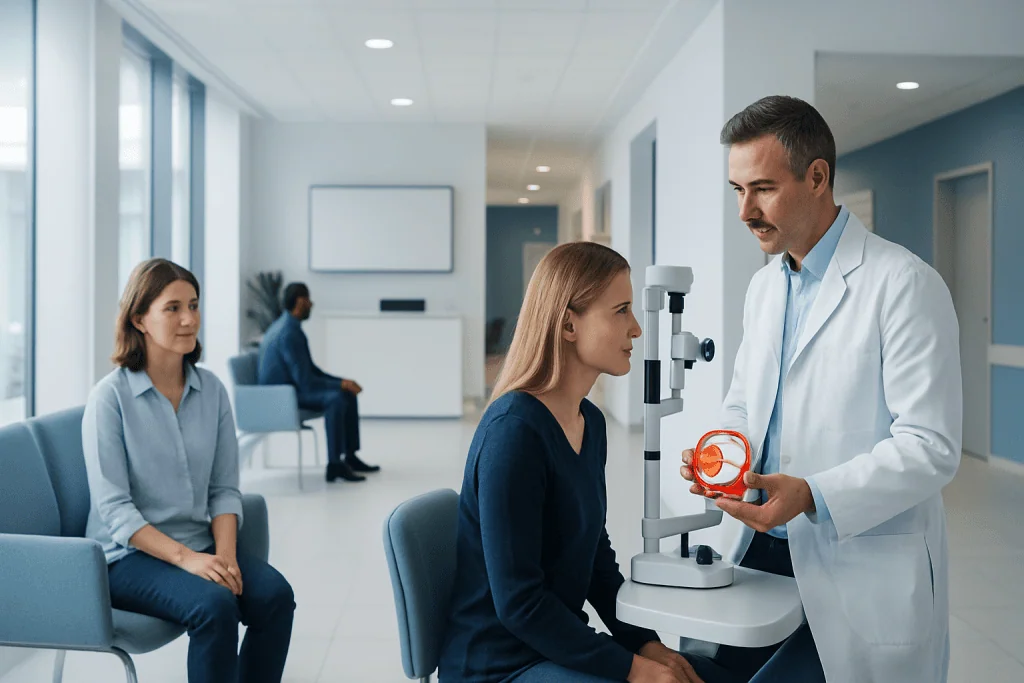
The optic nerve is essential for clear vision because it sends visual signals from the eye to the brain. Optic nerve disorders may develop from inflammation, poor blood flow, pressure, injury, infections, toxins, or underlying neurologic disease.
Key Takeaways
- The optic nerve is essential for clear vision because it sends visual signals from the eye to the brain.
- Optic nerve disorders may develop from inflammation, poor blood flow, pressure, injury, infections, toxins, or underlying neurologic disease.
- Symptoms can include blurred vision, reduced color vision, blind spots, eye pain, or sudden vision loss in one or both eyes.
- Diagnosis usually involves an eye examination, visual field testing, imaging, and sometimes blood tests or neurologic assessment.
- Treatment depends on the cause and may focus on reducing inflammation, treating underlying disease, protecting the nerve, and preserving vision.
Optic nerve disorders are conditions that damage the nerve carrying visual information from the eye to the brain. They can cause blurred vision, color changes, blind spots, or vision loss, and early evaluation can help identify the cause and guide treatment.
Overview of optic nerve disorders
Optic nerve disorders are a group of conditions that affect the optic nerve, the structure that carries visual information from the retina to the brain. When this nerve is damaged, the brain may not receive visual signals properly, which can lead to blurred vision, dim vision, changes in color perception, or partial vision loss. The severity can range from mild and temporary to more significant and long-lasting.
These disorders are not all the same. Some are caused by inflammation, such as optic neuritis. Others happen because of poor blood supply, pressure from glaucoma or a tumor, trauma, inherited conditions, nutritional deficiencies, or exposure to certain toxins. Because the optic nerve is closely linked to both eye health and the nervous system, evaluation may involve both ophthalmology and neurology specialists.
Early assessment matters because some causes can be treated promptly, helping protect remaining vision and addressing serious underlying illness. In many cases, the first sign is a noticeable change in sight, but sometimes subtle symptoms are found during a routine eye examination.
Symptoms and signs to watch for
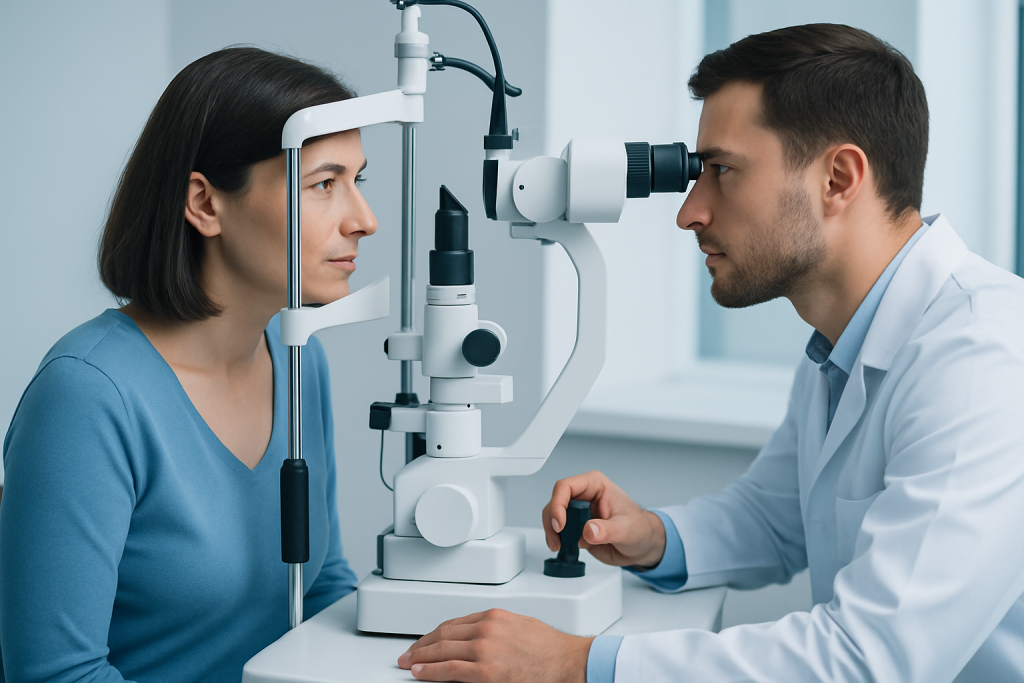
Symptoms of optic nerve disorders depend on the cause and how much of the nerve is affected. Some people notice a sudden change over hours or days, while others experience a gradual decline over weeks or months. Vision changes may affect one eye or both eyes.
Common symptoms include blurred vision, dim vision, reduced sharpness, decreased color vision, blind spots, or loss of part of the visual field. Some people describe colors as looking faded, especially red. Eye pain, particularly with eye movement, is often associated with inflammatory conditions such as optic neuritis.
Other signs may include reduced contrast sensitivity, trouble adjusting to changes in light, or a relative afferent pupillary defect found on examination. In advanced cases, central vision or side vision may be reduced significantly. Because these symptoms can overlap with retinal and brain conditions, a professional evaluation is important.
- Blurred or dim vision
- Sudden or gradual vision loss
- Reduced color perception
- Blind spots or narrowed visual field
- Pain with eye movement
- Differences between the two eyes
Causes and risk factors

There are many possible causes of optic nerve disorders. Inflammation is one major category and may occur with autoimmune or demyelinating disease. Reduced blood flow to the nerve can cause ischemic optic neuropathy, which is more common in older adults and may be linked with vascular risk factors such as high blood pressure, diabetes, high cholesterol, or sleep apnea.
Pressure on the optic nerve can also damage it. This may happen in glaucoma, where elevated eye pressure contributes to progressive nerve injury, or when a mass, swelling, or structural problem compresses the nerve along its pathway. Infections, head or eye trauma, and increased pressure inside the skull are other possible causes.
Toxic and nutritional optic neuropathies may be related to alcohol misuse, tobacco exposure, certain medications, vitamin deficiencies, or heavy metals. Some optic nerve conditions are inherited and may appear in families. Risk factors vary by diagnosis, but any person with sudden vision changes, a history of neurologic disease, cardiovascular risk factors, or significant eye pressure problems should be assessed without delay.
How optic nerve disorders are diagnosed
Diagnosis begins with a careful medical history and a detailed eye examination. A clinician will ask when symptoms started, whether vision loss was sudden or gradual, whether there is pain, and whether there are neurologic symptoms such as numbness, weakness, or balance changes. Past eye disease, medication use, smoking, alcohol use, and family history can also provide important clues.
The eye examination may include visual acuity testing, color vision testing, pupil assessment, and a dilated examination of the optic nerve. Some disorders cause swelling of the optic disc, while others lead to a pale or atrophic appearance over time. Visual field testing helps map areas of missing vision and can reveal patterns that suggest optic nerve damage.
Additional tests are often used to confirm the cause. Optical coherence tomography can measure the retinal nerve fiber layer and help detect damage to the optic nerve. Imaging such as MRI may be recommended to look for inflammation, compression, multiple sclerosis-related changes, or other brain and orbital conditions. In some cases, doctors may also request blood tests, infection screening, or a lumbar puncture depending on the suspected cause.
Because the optic nerve sits at the intersection of eye disease and neurologic disease, some patients benefit from a neuro-ophthalmic evaluation. This coordinated approach can help distinguish among retinal, optic nerve, and brain-related causes of vision loss.
Treatment options and management
Treatment for optic nerve disorders depends entirely on the underlying cause. Some conditions improve once the trigger is treated, while others require long-term management to slow progression and preserve vision. The main goals are to protect the optic nerve, treat the underlying disease, and support the best possible visual function.
Inflammatory optic nerve conditions may be treated with medications to reduce inflammation, especially when optic neuritis is suspected. If infection is present, treatment is directed at the specific organism. Vascular causes are managed by addressing risk factors such as blood pressure, blood sugar, cholesterol, and smoking. When pressure is contributing to damage, treatment may focus on eye pressure control or relieving compression.
In selected cases, doctors may recommend neurosurgery if a tumor or structural lesion is compressing the optic nerve. If a broader neurologic condition is involved, management may include neurology care for ongoing assessment and treatment planning. Rehabilitation strategies, low-vision support, and regular monitoring can also be helpful when damage cannot be fully reversed.
For international patients, Acibadem International’s multidisciplinary specialists in neuro-ophthalmology, neurology, neurosurgery, and imaging evaluate and treat optic nerve disorders in JCI-accredited hospitals. The right treatment plan is based on the exact diagnosis rather than symptoms alone.
Prevention and self-care
Not all optic nerve disorders can be prevented, but some risks can be reduced. Regular eye examinations are important, especially for people with glaucoma risk, diabetes, high blood pressure, autoimmune disease, or a family history of eye problems. Routine care can help detect changes before vision is noticeably affected.
General health habits can also support optic nerve health. Managing blood pressure, blood sugar, and cholesterol may reduce the risk of vascular damage. Avoiding tobacco, limiting alcohol, eating a balanced diet, and addressing vitamin deficiencies are practical steps that may lower the chance of toxic or nutritional optic neuropathy.
People should also use medications only as prescribed and discuss possible eye-related side effects with a doctor when starting long-term treatments. Wearing protective eyewear during sports or hazardous work may help prevent trauma-related injury. Self-care should never replace a professional assessment when vision changes occur, especially if symptoms appear suddenly.
When to see a doctor
Any sudden change in vision should be assessed promptly. This includes sudden blurring, loss of color vision, a dark area in the visual field, pain with eye movement, or partial or complete vision loss in one or both eyes. Fast evaluation is especially important because some causes are time-sensitive and may be linked to neurologic or vascular disease.
People should also seek medical care if vision declines gradually, if one eye seems dimmer than the other, or if headaches, double vision, weakness, numbness, or balance problems occur along with visual symptoms. Even when the symptoms seem mild, they can provide an early clue to optic nerve disease.
Ongoing follow-up is often needed after diagnosis. Repeat eye examinations, visual field tests, and scans may help doctors track changes over time and adjust treatment if needed. A qualified eye specialist or neuro-ophthalmologist can guide the next steps and explain which tests are appropriate.
Frequently asked questions
What are optic nerve disorders?
Optic nerve disorders are conditions that damage the nerve carrying visual signals from the eye to the brain. They can affect how clearly a person sees, how colors appear, and how much of the visual field is visible.
Can optic nerve damage be reversed?
Whether vision improves depends on the cause, how quickly treatment begins, and how much damage has occurred. Some conditions, especially inflammatory ones, may improve partially or significantly, while others can cause permanent loss.
Is eye pain always present with optic nerve problems?
No. Some optic nerve disorders cause pain, particularly pain with eye movement, but many do not. A painless vision change can still be serious and should be evaluated by a doctor.
How are optic nerve disorders different from other eye diseases?
These disorders specifically affect the pathway that carries visual information to the brain, rather than only the cornea, lens, or retina. Because of this, testing may involve both eye exams and neurologic investigations such as imaging.
Which tests are commonly used to diagnose optic nerve disorders?
Doctors often use visual acuity testing, pupil assessment, color vision testing, dilated examination, and visual field testing. Depending on the suspected cause, optical coherence tomography, MRI, and blood tests may also be recommended.
When is vision loss from an optic nerve disorder an emergency?
Sudden vision loss, rapid worsening of vision, or vision change with neurologic symptoms should be treated as urgent. Prompt medical assessment can help identify serious causes and may improve the chance of preserving vision.
References
- American Academy of Ophthalmology
- National Eye Institute
- National Institute of Neurological Disorders and Stroke
- Mayo Clinic
- Merck Manual Professional Edition
This article is for general information only and is not a substitute for professional medical advice. Please consult a qualified doctor about your individual situation.
Explore treatments in Turkey — costs, top hospitals & a free quote
JCI-accredited · board-certified surgeons · reply within 24h
Add us as a Preferred Source to see more of our trusted health content across Google Search, AI Overviews and Discover.
Check your numbers in seconds
BMI, calories, due date, blood pressure and 30+ more clinical calculators — free, instant, doctor-reviewed ranges.